Kathmandu, Nepal – 27th April 2026 – Nepal High Trek & Expedition announced the release of a structured trekking guide presenting a detailed comparison between the Everest Base Camp Trek and the Manaslu Circuit Trek. The guide introduces a consolidated format outlining route characteristics, access requirements, seasonal considerations, accommodation conditions, and physical preparation elements associated with both trekking itineraries.
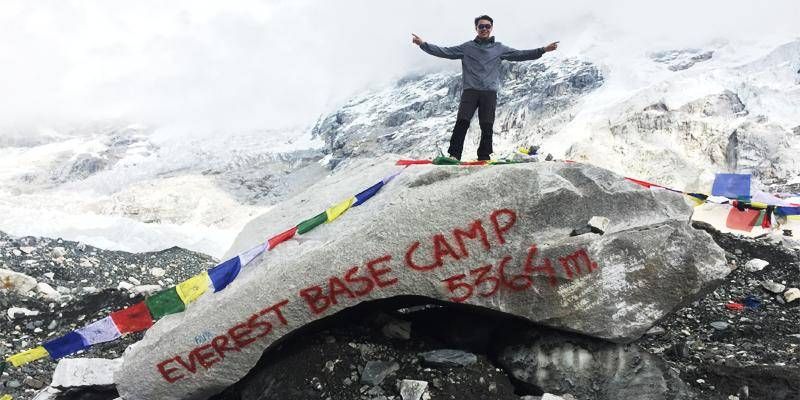
The published material defines the Everest Base Camp Trek as a high-altitude route beginning with air access to Lukla, followed by a progressive ascent through established settlements including Namche Bazaar, Tengboche, and Dingboche, leading to base camp positioning near Mount Everest. The guide documents the presence of developed trail infrastructure, availability of teahouse accommodation, and access to multiple food options across the route. Altitude-related conditions and the inclusion of acclimatization intervals are presented as structured components within the itinerary.
The Manaslu Circuit Trek is presented as a restricted trekking route encircling Mount Manaslu, requiring regulated permit access and the presence of a licensed guide. The guide outlines the route’s progression through remote settlements, forested sections, river crossings, and high-altitude terrain, including the Larkya La Pass. Documentation within the guide reflects limited accommodation infrastructure, reduced availability of amenities, and extended trekking durations across less populated regions.
The guide includes a comparative framework addressing difficulty levels, identifying altitude exposure as a central factor in the Everest Base Camp Trek and terrain remoteness combined with high-pass crossings as defining elements of the Manaslu Circuit Trek. Seasonal timing is structured within two primary trekking windows, defined as spring and autumn, with environmental conditions, visibility, and trail accessibility outlined for each period. Winter and monsoon conditions are included within the framework as limiting factors due to temperature constraints, snow accumulation, and rainfall-related disruptions.
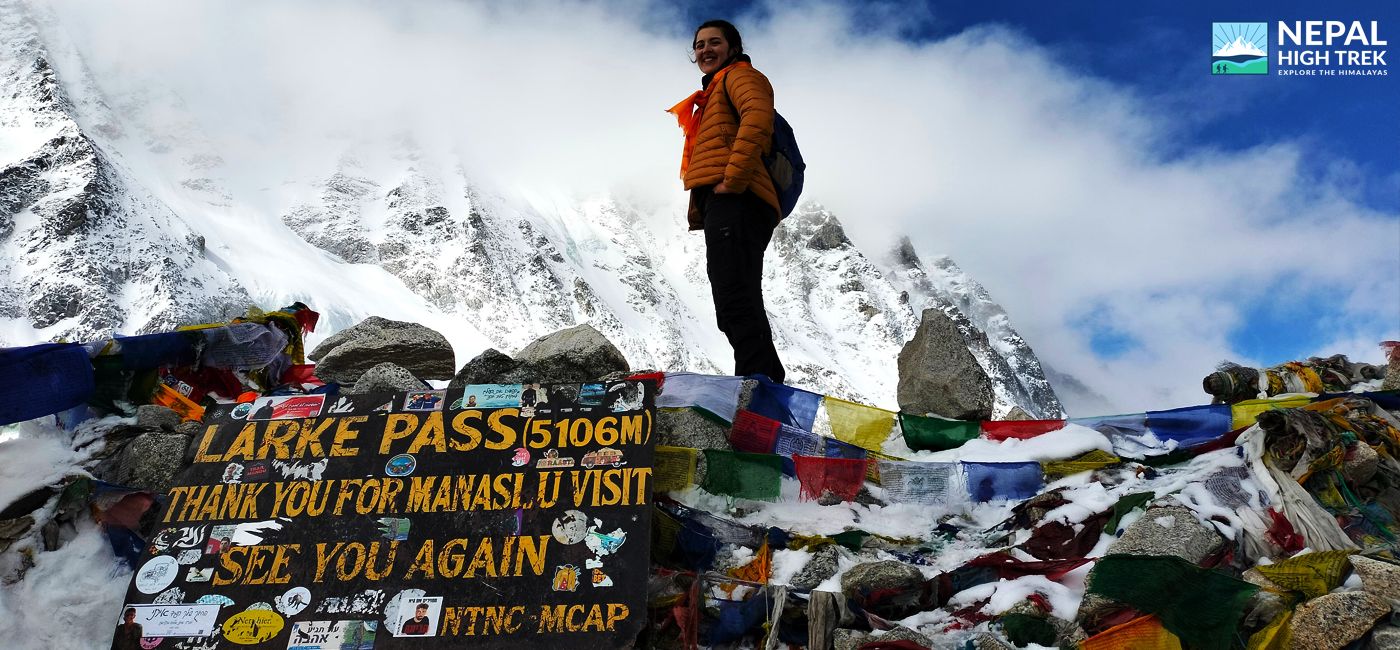
Cultural observations are incorporated within the guide through documentation of regional communities, including mountain settlements influenced by Himalayan and Tibetan traditions. The Everest region is presented with established trading centers and monastic sites, while the Manaslu region is outlined through descriptions of traditional village structures, subsistence practices, and localized cultural continuity.
Permit structures are detailed within the guide, including national park entry requirements and local administrative permits for the Everest Base Camp Trek, alongside restricted area permit procedures applicable to the Manaslu Circuit Trek. Accommodation and food availability are recorded in relation to infrastructure development across both routes, with references to teahouse systems, meal patterns, and service limitations in remote areas.
Physical preparation guidelines are included as part of the framework, outlining endurance-based training, cardiovascular conditioning, and adaptation to prolonged walking durations. Equipment references are documented through a structured list of essential items, including cold-weather clothing, trekking footwear, sleeping systems, hydration tools, and basic medical supplies.
The release also includes an outline of the booking and coordination process managed by Nepal High Trek & Expedition, detailing pre-trek briefings, itinerary planning, permit handling, transportation arrangements, and on-ground logistical coordination upon arrival in Nepal.
Ramesh Khatri, Operations Manager at Nepal High Trek & Expedition, stated, “This guide has been structured to present Everest Base Camp Trek and Manaslu Circuit Trek within a single comparative format, with attention to route conditions, access requirements, and preparation elements that are relevant to trekking activity in these regions.”
The guide is issued as part of an ongoing documentation initiative focused on organizing trekking-related information into defined formats aligned with route-specific conditions and regulatory requirements.
About Nepal High Trek & Expedition
Nepal High Trek & Expedition is a trekking and expedition company established in 2012 and based in Kathmandu, Nepal. The company organizes trekking itineraries, mountaineering expeditions, and guided travel programs across Himalayan regions, including Everest, Manaslu, Annapurna, and Langtang. Operational services include route planning, permit coordination, accommodation arrangements, and guided trekking support.
Instagram: https://www.instagram.com/nepalhightrek/
Facebook: https://www.facebook.com/NepalHighTrek
MEDIA DETAIL
Contact Person Name: Media Relation
Company Name: Nepal High Trek & Expedition
Email: info@nepalhightrek.com
Website: https://www.nepalhightrek.com/