New York, United States – 30th April 2026 – SEEB Homes announced the release of a structured guide examining the transition from outdoor backyard gatherings to curated indoor entertaining environments within residential design. The publication outlines spatial, architectural, and experiential considerations associated with the growing presence of private lounge settings in modern homes.
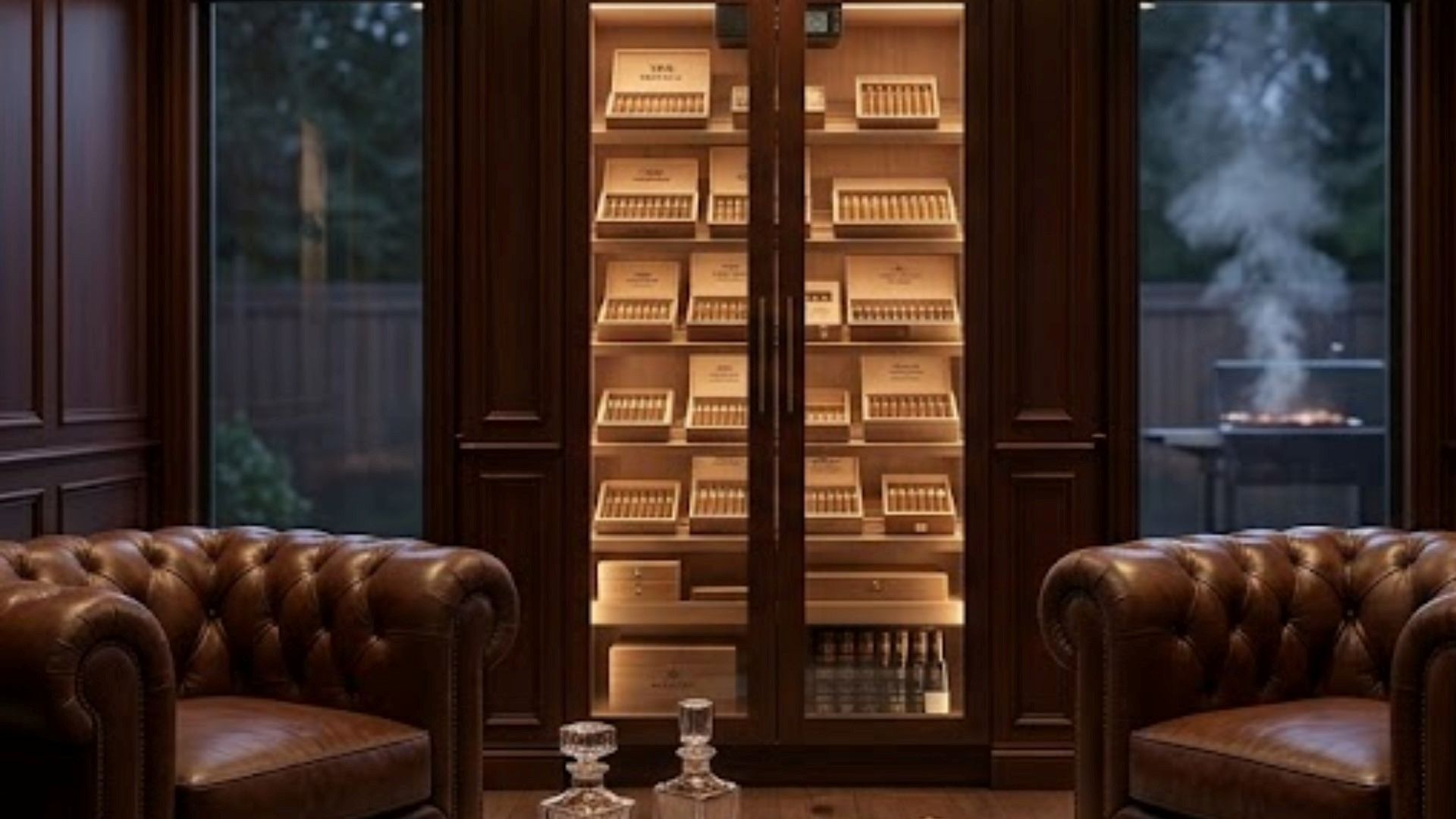
The guide documents a shift in hosting formats, moving from open-air arrangements centered on grilling and temporary setups toward interior spaces designed for controlled atmosphere and extended social interaction. The material presents a framework that details environmental planning elements including lighting calibration, acoustic balance, temperature stability, and seating configuration within enclosed lounge areas.
The released document defines the indoor social lounge as a dedicated residential zone designed to support small-group interaction through consistent environmental conditions. The guide specifies design inputs such as integrated ventilation pathways, material selection for surface finishes, and spatial zoning intended to support circulation and gathering patterns. The framework also references the placement of storage and display units as part of the overall room composition.
Within the outlined framework, cigar humidor cabinets are identified as fixed architectural features that contribute to both storage and spatial anchoring. The guide describes cabinet integration within wall systems or freestanding configurations, including considerations related to humidity control, electrical requirements, and alignment with surrounding millwork. The document also details how cabinet placement influences movement flow and focal orientation within the lounge setting.

The publication includes planning sequences for new construction and retrofit scenarios. For new builds, the guide maps early-stage inclusion of lounge areas within architectural layouts, including structural allowances for air management systems and insulation layers. For existing properties, the document presents adjustment pathways involving room conversion, airflow modification, and installation of dedicated cabinetry systems.
The guide also presents a comparison of outdoor and indoor hosting formats from a spatial perspective. Outdoor environments are described in terms of variability in weather exposure and flexible arrangement, while indoor lounges are outlined through fixed design parameters and controlled sensory inputs. The material documents how these differences influence hosting duration, guest arrangement, and environmental predictability.
A representative of SEEB Homes provided a statement accompanying the release. “The guide documents observable changes in how residential environments are being structured for social interaction, with increased attention to enclosed, purpose-designed spaces,” said Daniel Carter, Director of Residential Design at SEEB Homes. “The framework presents design considerations associated with these spaces, including the integration of cigar humidor cabinets within overall architectural planning.”
The release forms part of an ongoing documentation series focused on residential design adaptations associated with lifestyle-oriented spatial planning. The material compiles design observations, architectural inputs, and environmental configuration approaches relevant to indoor entertaining environments.
About SEEB Homes
SEEB Homes is a residential design and construction company established in 2011. The organization focuses on architectural planning and development of housing environments incorporating functional spatial design. SEEB Homes maintains a digital presence through social media platforms including Instagram, Facebook, and LinkedIn.
MEDIA DETAIL
Contact Person Name: Media Relation
Company Name: SEEB Homes
Email: contact@seebhomes.com
Website: https://www.seebhomes.com/