SCOTTSDALE, AZ, United States – 9th July 2026 – Desert Recovery Centers is highlighting the role of privacy, individualized clinical planning, and continuing care in women’s residential treatment at its Scottsdale location. The announcement focuses on how a gender-specific residential setting can help women step away from everyday pressures and receive structured support for addiction, mental health symptoms, trauma-related concerns, and co-occurring conditions.
The Scottsdale program is designed for women who may need more support than outpatient care can provide. Through women’s residential treatment, clients can participate in a 24-hour therapeutic environment while receiving clinical guidance, peer support, and recovery planning in a private setting.

According to Desert Recovery Centers, many women delay treatment because they are trying to manage work, caregiving, relationships, shame, or fear about what residential care will involve. The organization says its Scottsdale setting is intended to reduce those barriers by offering a calm, structured environment where clients can focus on stabilization and begin addressing the issues that may be contributing to substance use or emotional distress.
“Women often arrive in treatment after carrying responsibilities for a long time,” said the Desert Recovery Centers admissions team. “Residential care gives them space to pause, receive support, and begin working through the patterns that are affecting their health, relationships, and recovery.”
The announcement emphasizes that privacy is a major part of effective residential care. Many clients entering treatment are coping with sensitive personal histories, including trauma, grief, anxiety, depression, relationship conflict, or repeated relapse. Desert Recovery Centers notes that a private, women-focused environment can help clients feel safer engaging in therapy and more comfortable participating in group support.
Clinical fit is another key focus of the Scottsdale program. Desert Recovery Centers states that residential treatment should not be limited to a standard schedule applied to every client. Instead, treatment planning should begin with a careful look at the person’s symptoms, history, substance use patterns, family dynamics, mental health needs, and recovery goals. This process may include individual therapy, group work, psychiatric support, medication management, relapse prevention, holistic services, and discharge planning.

The program also recognizes that addiction and mental health concerns often overlap. A client may enter care for alcohol use while also struggling with depression. Another may need support for prescription medication misuse, trauma symptoms, or anxiety. By addressing co-occurring conditions together, Desert Recovery Centers aims to help clients build a more complete foundation for recovery rather than focusing on one symptom in isolation.
Daily structure remains an important part of the Scottsdale residential model. Clients may take part in scheduled therapy sessions, wellness activities, meals, personal reflection time, peer support, and evening routines. This structure is intended to create consistency while helping clients rebuild habits that support emotional regulation, accountability, and healthier decision-making.
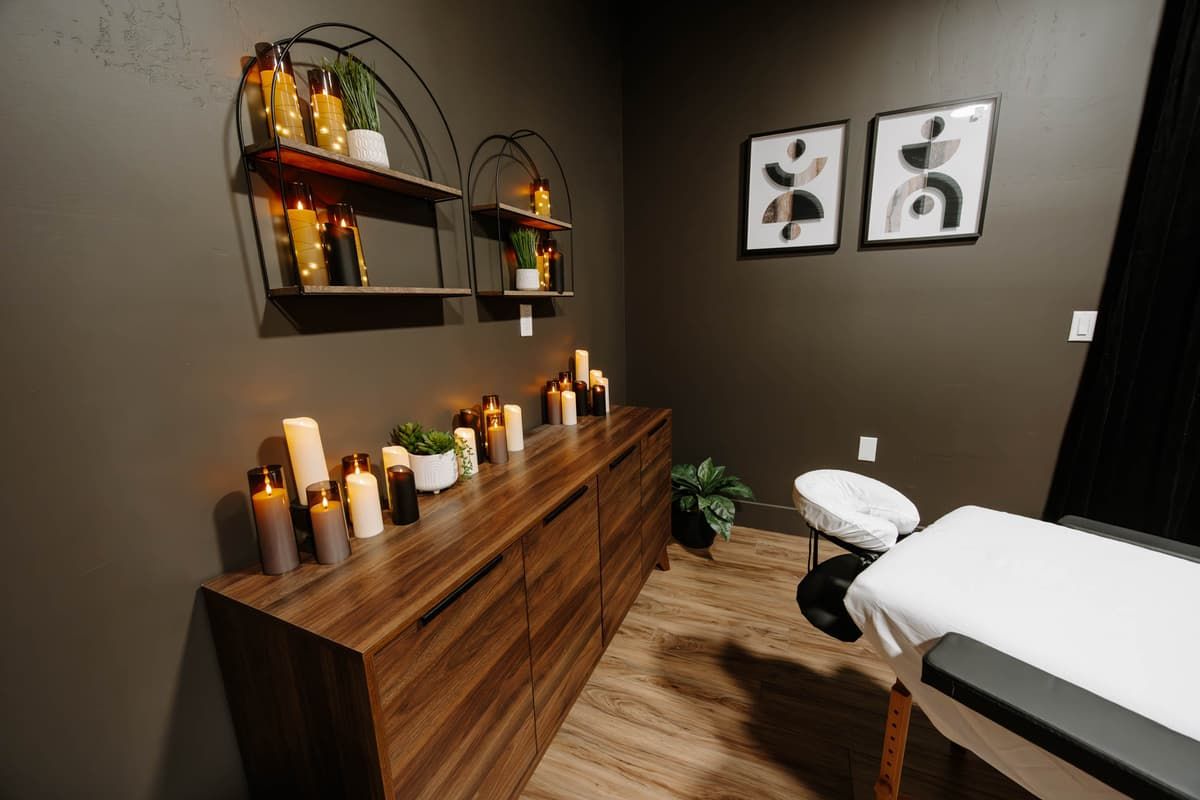
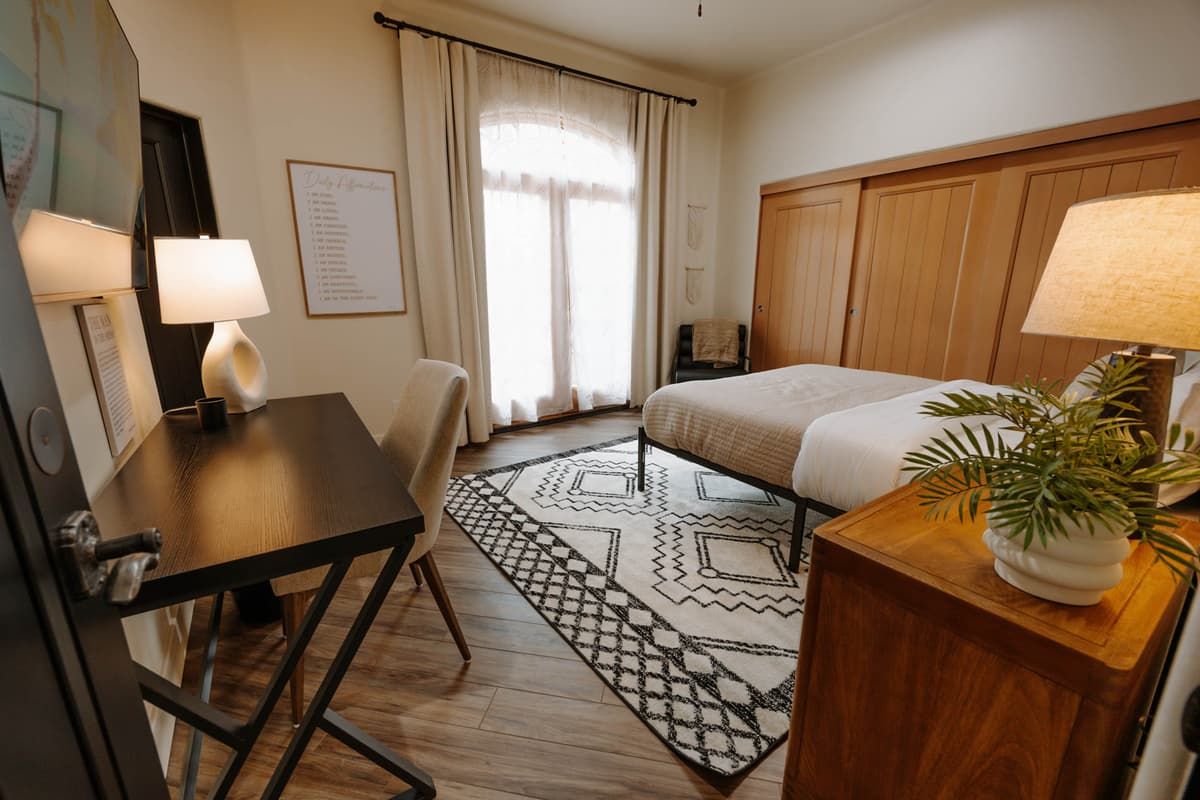
Desert Recovery Centers also highlights the importance of the treatment environment itself. The Scottsdale location includes private rooms, wellness areas, outdoor recreation spaces, mountain views, and amenities that support a calm residential experience. The organization states that comfort is not a substitute for clinical care, but the right setting can help clients feel more grounded and willing to participate in treatment.
The announcement also addresses the role of boundaries in women’s residential treatment. Many clients benefit from time away from environments where substance use, conflict, caretaking pressure, or unhealthy relationship patterns may be present. A residential setting can create distance from those stressors while giving clients an opportunity to examine how boundaries, communication, and self-worth affect recovery.
Family involvement may also be included when clinically appropriate. Desert Recovery Centers notes that family support can help clarify expectations, improve communication, and prepare loved ones for the next stage of recovery. However, the level of family participation depends on each client’s needs, safety, treatment goals, and clinical recommendations.
Continuing care is a central part of the announcement. Desert Recovery Centers emphasizes that residential treatment is not meant to be the final step in recovery. Before discharge, clients may work with their treatment team to develop a plan that can include outpatient therapy, sober living, alumni support, recovery meetings, medication follow-up, family support, or other services.
This step-down planning is especially important because leaving residential treatment can bring new challenges. Clients may return to work, family roles, financial responsibilities, social pressures, or environments connected to past substance use. A clear continuing care plan can help reduce isolation and support accountability after leaving the structure of residential treatment.
The Scottsdale program is positioned for women who need a focused treatment environment and a more personalized level of support. Desert Recovery Centers encourages women and families to speak with admissions professionals to determine whether residential care is appropriate based on symptoms, relapse history, home environment, safety concerns, and current level of functioning.
The organization says this announcement is part of its broader effort to make treatment information easier to understand. Families often begin researching care while under significant stress, and unclear language can make the process feel even more difficult. Desert Recovery Centers aims to provide practical information that helps people ask better questions and make more informed decisions about care.

About Desert Recovery Centers
Desert Recovery Centers provides addiction and mental health treatment across Arizona, with locations in Glendale, Scottsdale, and Phoenix. The organization specializes in dual diagnosis care and offers individualized, evidence-based treatment for substance use and co-occurring mental health conditions. Desert Recovery Centers is Joint Commission-accredited and operates a boutique treatment model focused on clinical care, privacy, compassion, and personal attention.
Media Details
Contact Person: Admissions Team
Company Name: Desert Recovery Centers
Email: contact@desertrecoverycenters.com
Phone: (623) 305-0496
Address: 23222 N Church Rd
City: Scottsdale
State: Arizona
Country: United States
Website: https://desertrecoverycenters.com/