
The visual tone is an extremely significant storytelling aspect. It regulates the emotions of the audience and forms an overall impression about the video content. The right brightness, contrast, and color balance can work wonders with ordinary video material and turn it into a compelling story. In the past, such accuracy could be achieved only in a process that was both time-consuming and technically challenging; that is, the intensive manual color correction. Frame-by-frame exposure adjustment, shadows, highlights, and midtones demanded a high level of professionalism and practice. AI technology alters this process nowadays. Using an AI video generator, creators can achieve professional-quality tone adjustments effortlessly. Automation is capable of operating in sophisticated scenarios of light and yet retaining the artistic motive, and the high-quality video production can be acquired by anyone who makes videos.
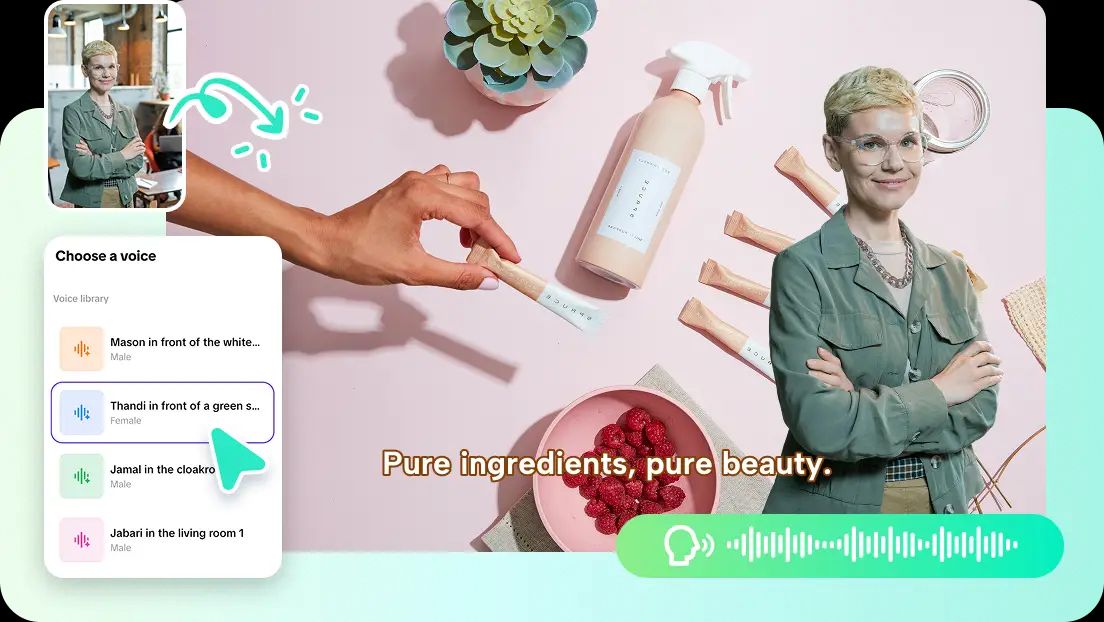
The Importance of Proper Brightness and Tone in Videos
The emotional effect of the video directly relies on the brightness and tone. The light and color adjustment may be either thrilling, warm, anxious, or lazy. Incorrect brightness can conceal important information, and glare colours can create a visual burden. The sense of the audience is based on the fact that there is a comfortable balance of shadows and highlights that allows telling the story more easily and clearly. In addition, the display characteristics on different platforms are different. Mobile screens, desktop monitors, and streaming platforms exhibit a difference in brightness and contrast perception. Ensuring that your videos can be used on different devices improves communication and contributes to continuity. Even slight modifications of the terms of tonality can improve the degree of professionalism of the material such that the listener is receptive to the message.
How AI Analyzes Light and Color Automatically
Modern AI programs are able to divide light and color into fine detail. Scene recognition also allows the program to recognize the underexposed, overexposed, or disproportionately lit areas automatically. It measures the exposure of every frame and corrects it automatically in a balanced manner. The tone between clips is smooth, and the transition between scenes is not as disruptive to the eye as it is in a film. The heterogeneous lighting situation, such as the interiors using both natural and artificial lighting, is one of the significant obstacles to traditional editing. AI adapts to such changes, and the process of transition becomes visually continuous. Such a clever analysis will not only save time but also allow creators to focus on the story and style, not on technical improvements.
Pippit’s Pro-Level Tone Adjustment Capabilities
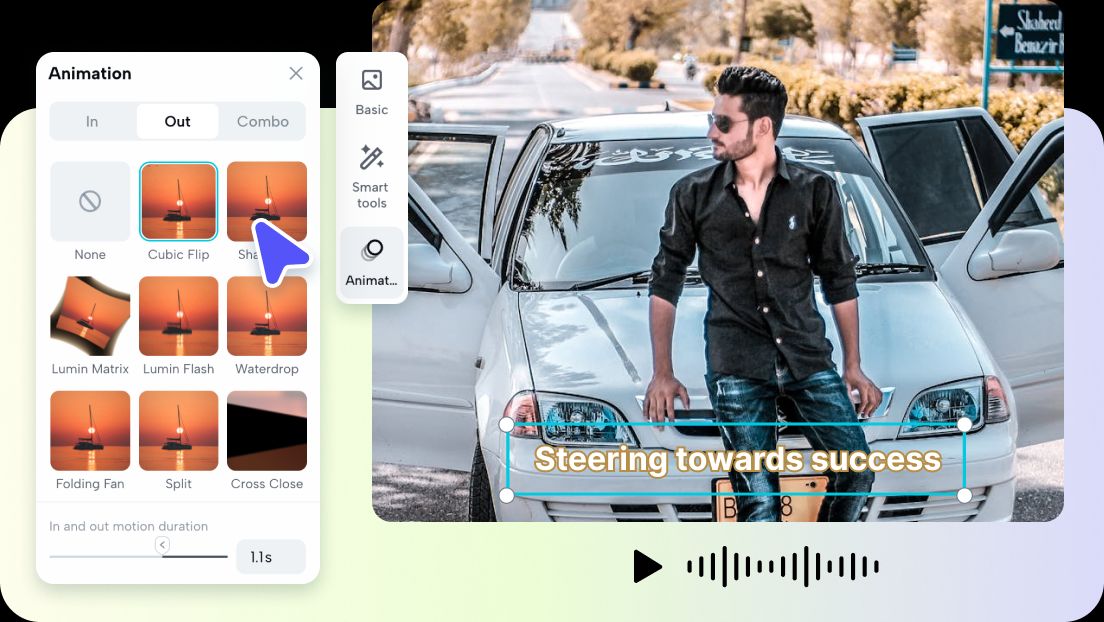
Pippit has developed the fineness of brightness and tone. Normalization of brightness provided by AI ensures consistency of light in a video. Shadows, highlights, and contrast can be adjusted to permit a well-polished and professional look. The advantages include the choice of maintaining natural skin tones, which would save the artificial appearance that exists in computerized color grading. All these characteristics make Pippit a universal tool of marketers, educators, and creators who require high-quality images. Additionally, integration with photo to video AI enhances versatility, transforming static visuals into dynamic sequences with proper brightness and color balance. The AI of the platform takes the tone changes into the video-making process directly, which is why it fits the content with a heavy focus on the strong visual narrative.
Steps to Adjust Brightness And Tone Easily With An AI Video Generator
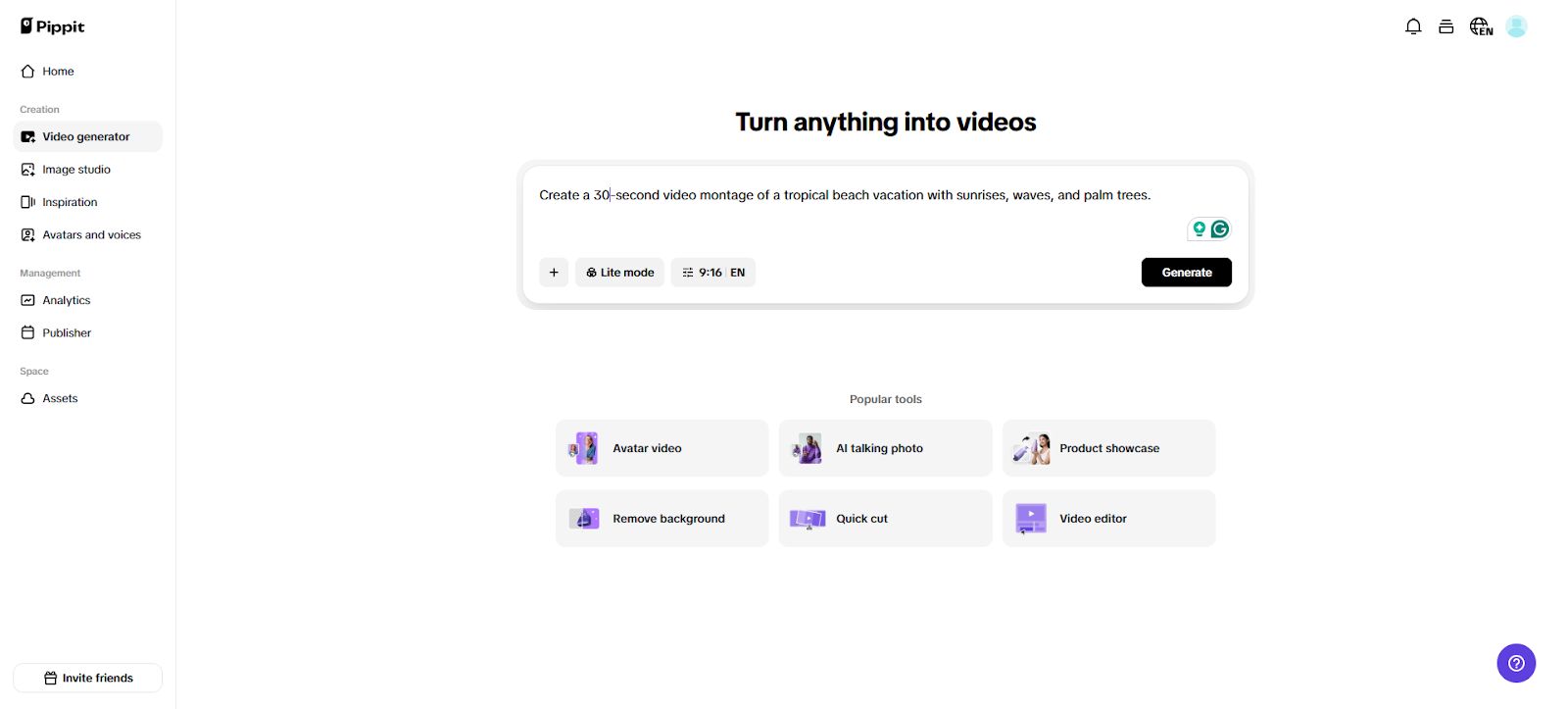
Step 1: Start With Pippit and Upload Content
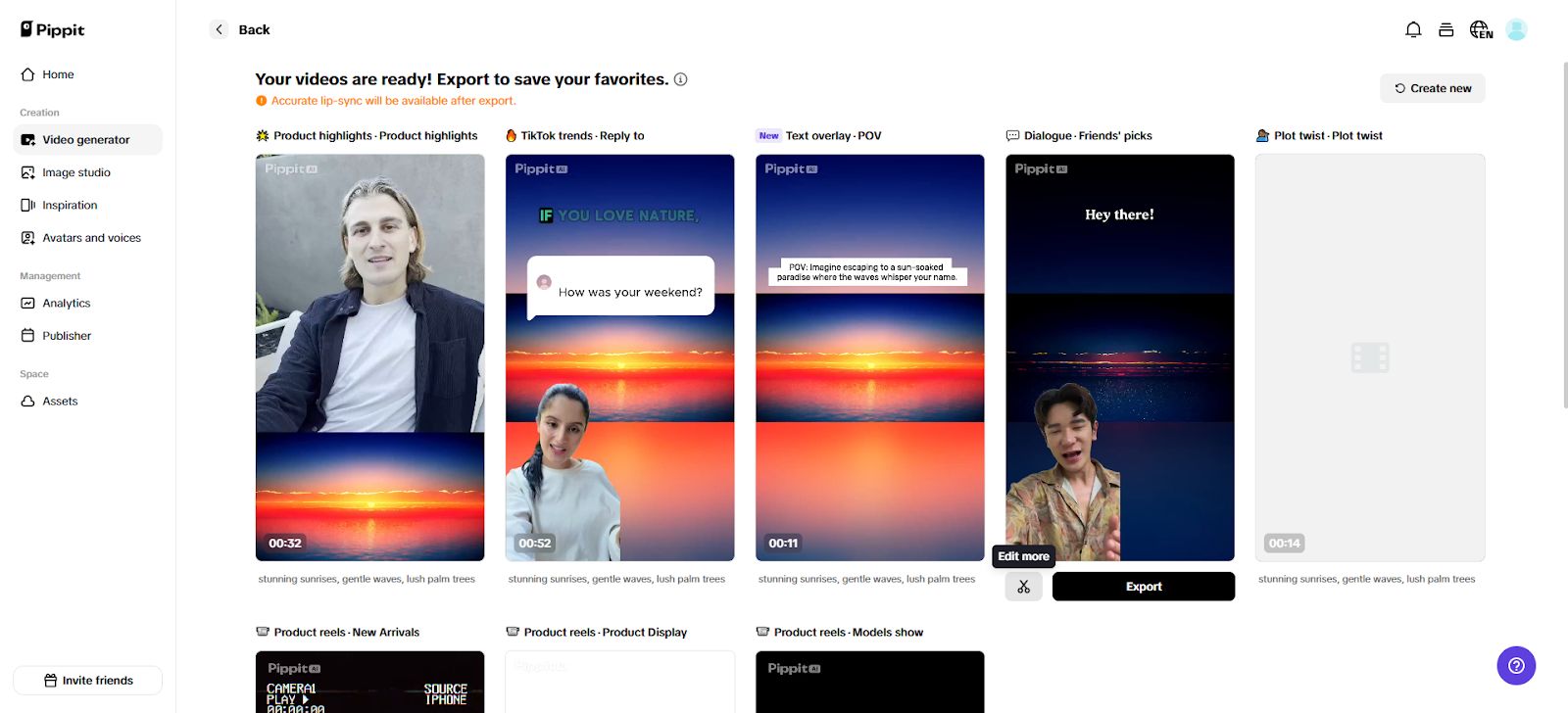
Sign up for Pippit and go to the “Video generator” tab. Enter your text prompt to describe how your video should look. For best results, upload reference media via the “Add media” tab from your device, phone, Dropbox, or a link. You can also select assets from Pippit. Once everything is ready, click “Generate” to create a video draft.
Step 2: Let AI Enhance Brightness and Tone
The AI video generator automatically adjusts brightness, contrast, and overall tone of your video. It also manages transitions, pacing, and adds avatars, captions, and photos/videos.
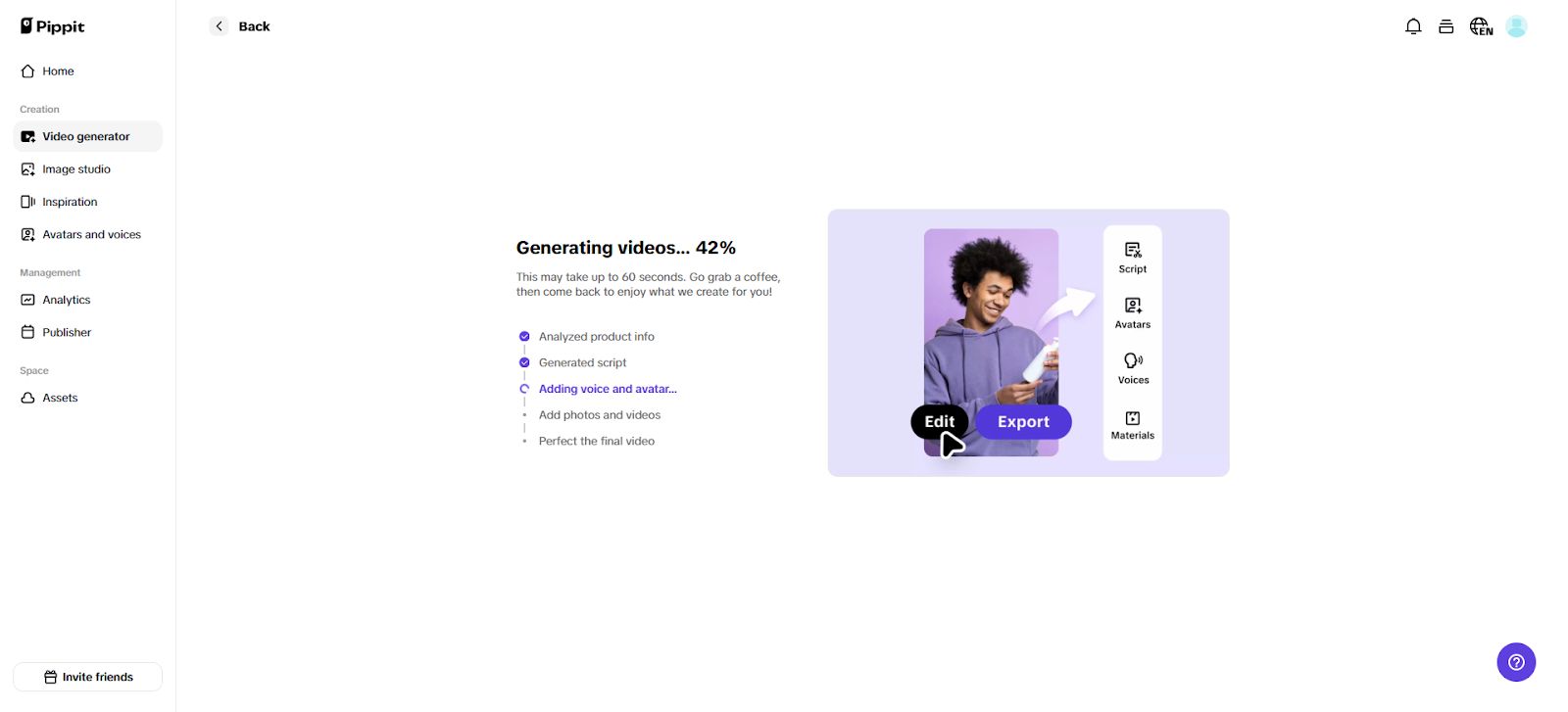
You will get 4 to 5 drafts to choose from. Select the draft you prefer and click “edit more” to enter the Pippit editing interface for precise adjustments.
Step 3: Refine and Export
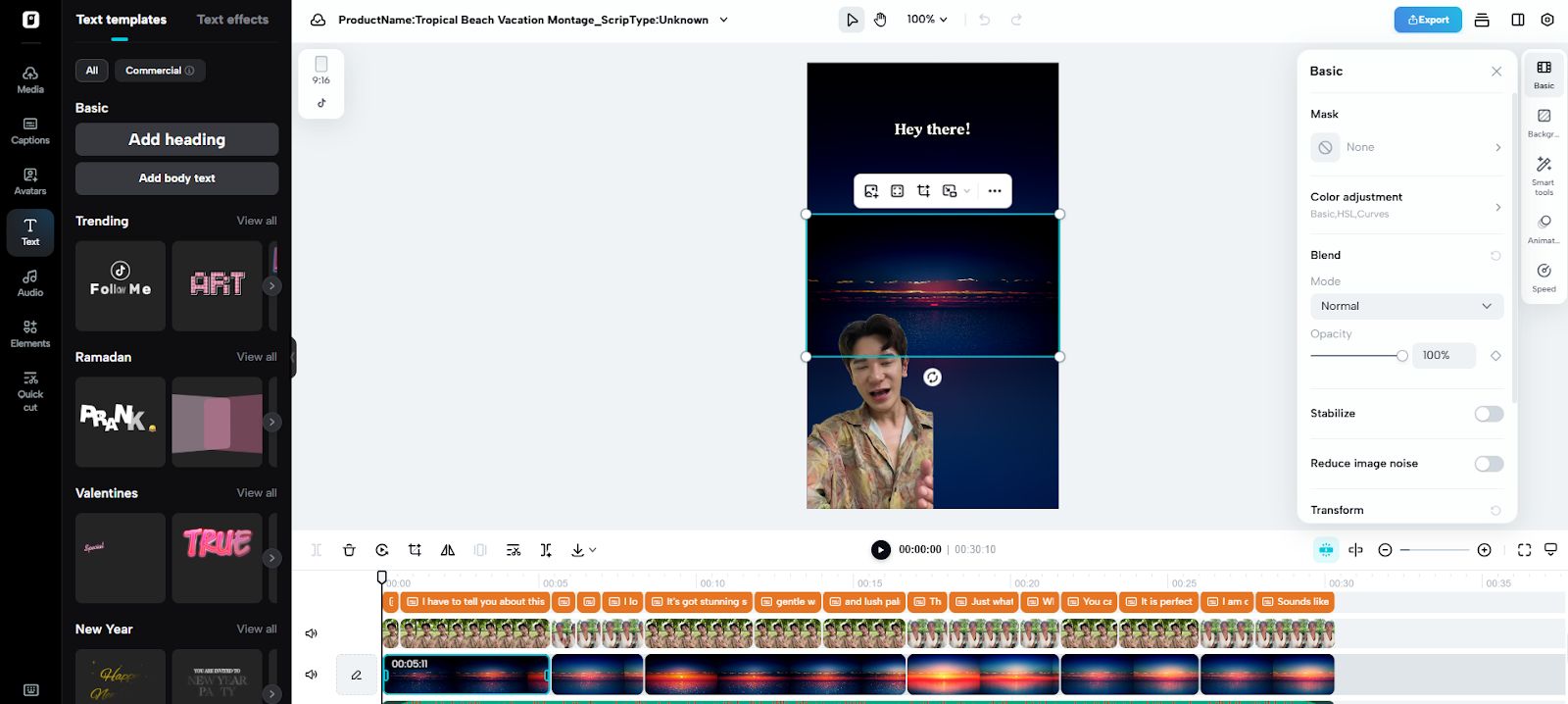
With full creative control, tweak brightness, tone, filters, text, and alignment. You can also add effects, music, or remove the background.
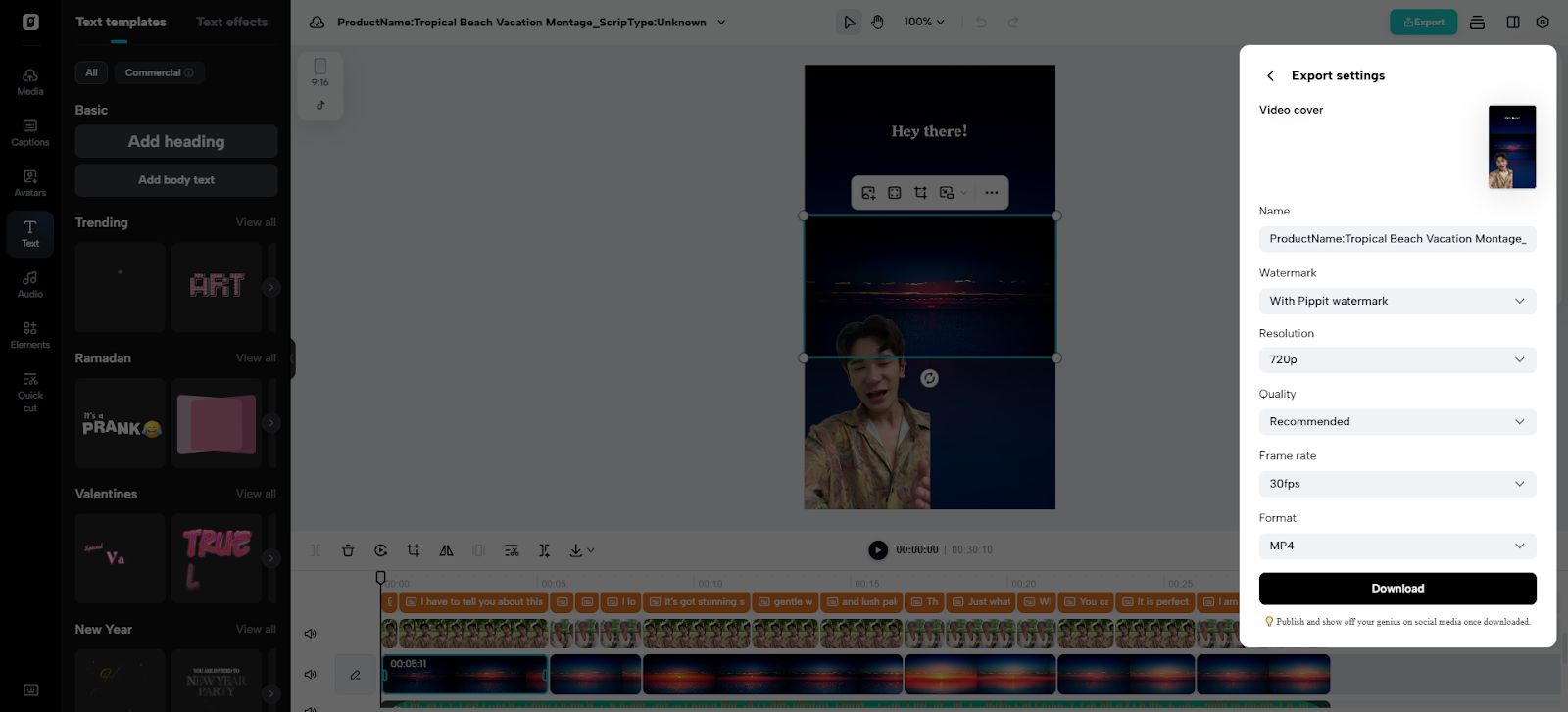
Once satisfied, click “Export” to save your video. Publish instantly on TikTok, Instagram, or Facebook via “Publish”, or download using “Download” with your chosen format, frame rate, resolution, quality, and file name.
Solving Common Lighting Issues with AI
The AI-based tools come in handy in the case of over-/under-exposed photos. The asymmetrical lighting of a single clip is automatically corrected to enable the flow of consistent images. It is also possible to enhance poor-quality source material, making it brighter, with better tonal depth and clarity. This eliminates the common obstacles in video production, and reshoots or massive manual editing are reduced. Creators can have a consistent way to create videos that have a similar appearance, even in difficult environments to shoot, with the help of AI.
Matching Visual Tone to Content Purpose
The brightness of the video and color must coincide with the aim of the video. The educational information is presented with a good feature of neutral colors and a focus on clarity and readability. Promotional video lighting tends to be more dramatic to provide a greater appeal and emotional interest. Mood tactics, such as warm colours when it is nostalgic, colder colours when it is serious, create subconscious responses in the audience. The uniformity of the visual tone in the campaigns assists in brand identity and ensures that the viewers can immediately recognize the origin of the content.
Balancing Automation and Creative Intent
Although AI carries out most corrections, the stylistic intent is preserved by way of human control. Every little movement of the hands allows the artists to change the tone or underscore the most significant art pieces. Creative experimentation is time-independent and is dependent on AI to perform routine tasks. Pippit is one of the tools that enable this exchange, enabling creators to possess a distinct visual identity and benefit from the efficiency of AI. Features such as lip sync AI further enhance realism in video avatars, combining tonal perfection with interactive storytelling.
Conclusion
Precise manipulations of brightness and tone enhance the quality of the video and the effectiveness of the narrative. Such adjustments are painless with professional-grade tools available in social media networks like Pippit. Designers can use the effectiveness of AI and the creative power of human designers to provide uniform and attractive results. As the AI continues to evolve, the color and light control solutions will become more intelligent, quicker, and more readily available to all video projects in the future.