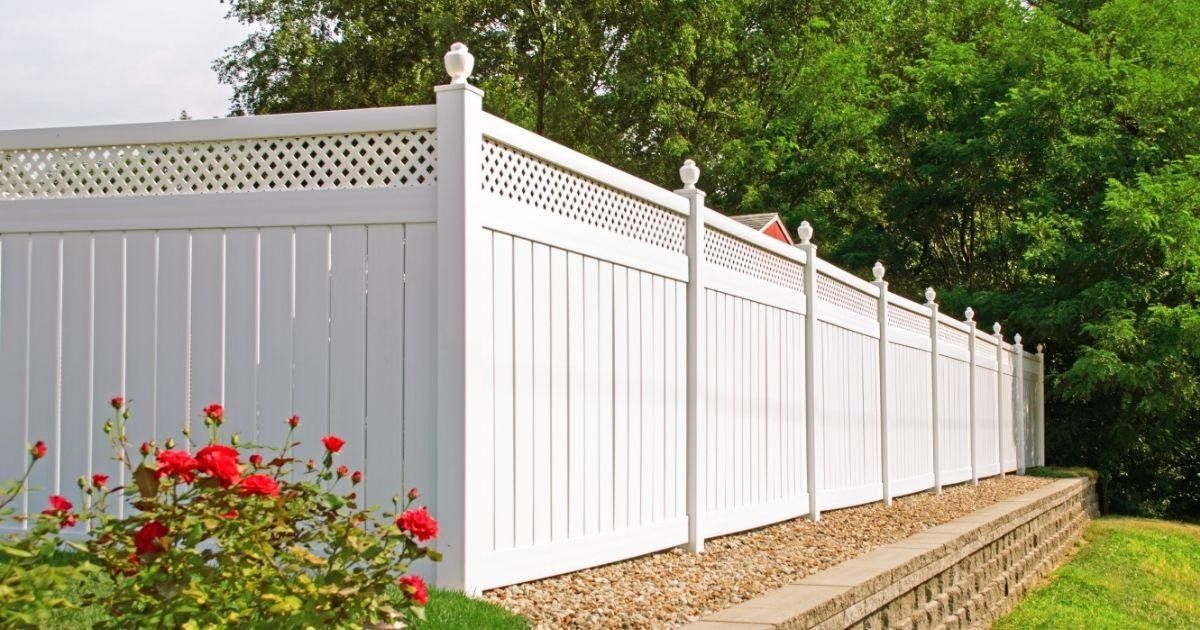
Washington homeowners know that local weather can be tough on outdoor structures. Rain, wind, moisture, moss growth, and shifting soil all take a toll on fences year-round. Without regular care, even a strong fence can weaken, lean, rot, or rust faster than expected.
That’s why seasonal fence maintenance is essential. A simple checklist each season helps catch problems early, prevent costly repairs, and extend the life of your fence.
In this guide, you’ll find a complete seasonal fence repair checklist built specifically for Washington’s climate and conditions.
Why Seasonal Fence Maintenance Is So Important in Washington
Washington’s mix of rain, damp air, windstorms, and occasional snow creates constant stress on fences. Over time, this leads to:
- Moisture damage
- Rot and mold growth
- Rust on metal parts
- Soil erosion around posts
- Gate sagging and alignment issues
Homeowners who follow a seasonal fence maintenance designed for long-term fence durability typically avoid major structural problems and keep their fences stable for many more years.
Spring Fence Repair Checklist: Inspect After Winter
Winter causes the most damage to fences. Spring is the perfect time to inspect and repair any issues.
1. Walk the Entire Fence Line
Check for:
- Leaning or shifting posts
- Loose boards or panels
- Sagging gates
- Cracks or splits
- Rust spots
Make note of weak areas and plan repairs early.
2. Look Closely for Rot and Moisture Damage
Washington’s rainy winters often cause water absorption in wooden fences.
Signs of rot include:
- Soft wood
- Dark stains
- Peeling or flaking
- Swelling boards
Catching rot early prevents it from spreading.
3. Tighten Hardware and Fasteners
Cold weather causes materials to expand and contract, loosening fasteners.
Check:
- Hinges
- Screws
- Nails
- Gate latches
Tightening hardware restores fence stability.
4. Clean Moss, Dirt, and Algae
Moss holds moisture against the fence, speeding decay.
Use:
- Soft brush
- Mild soap
- Gentle hose spray
Avoid pressure washing, which can damage wood fibers.
Summer Fence Repair Checklist: Protect Against Heat and UV Damage
Dry summer conditions and sun exposure dry out fence materials and cause cracking.
1. Inspect for Warping and Cracking
Look for:
- Warped boards
- Shrinking wood
- Splits and surface cracks
Early repairs prevent deeper structural damage.
2. Reapply Protective Coatings
If your fence hasn’t been sealed or stained in the last 2–3 years, summer is the ideal time.
Benefits include:
- Water resistance
- UV protection
- Slower aging
- Enhanced appearance
3. Check Fence Stability
Gently push sections to test strength. Loose posts may require reinforcement or resetting.
4. Trim Nearby Vegetation
Plants trap moisture against fence boards.
Keep:
- Vines
- Shrubs
- Bushes
At least 6–12 inches away from fence surfaces.
Fall Fence Repair Checklist: Prepare for Storm Season
Fall storms can stress fences before winter arrives.
1. Inspect Post Bases and Drainage
Watch for:
- Eroded soil
- Exposed posts
- Pooling water
Address drainage problems early.
2. Reinforce Weak Sections
Wind exposure loosens fence lines over time. Strengthen posts and panels before heavy storms arrive.
3. Check Gates and Hinges
Wet conditions often cause gates to sag. Realign hinges and tighten brackets to prevent dragging.
4. Remove Leaves and Organic Debris
Wet leaves hold moisture and accelerate decay. Clear debris around post bases regularly.
Many homeowners rely on professional fencing services to inspect and repair seasonal damage to ensure their property stays safe and attractive.
Winter Fence Repair Checklist: Monitor and Protect
Winter is more about protection than active repair.
1. Inspect After Storms
Check for:
- Fallen branches
- Broken boards
- Shifted posts
Address problems immediately to avoid further damage.
2. Remove Heavy Snow Buildup
Snow adds weight, which can strain panels and gates.
Gently clear snow after storms.
3. Keep De-Icing Salt Away from Fence Bases
Salt accelerates corrosion and damages wood fibers.
Fence-Type Specific Maintenance Tips
Wood Fences
- Inspect for rot
- Seal every 2–3 years
- Replace cracked boards
- Clean moss regularly
Vinyl Fences
- Wash seasonally
- Check for cracking
- Tighten loose brackets
Metal Fences
- Inspect for rust
- Sand and repaint corroded spots
- Lubricate hinges
Chain-Link Fences
- Tighten tension bands
- Straighten leaning posts
- Remove rust early
Warning Signs Your Fence Needs Immediate Repair
- Leaning posts
- Sagging gates
- Soft or rotting boards
- Loose panels
- Rust spreading on metal
Ignoring these issues often leads to full fence replacement instead of simple repairs.
Why Preventive Maintenance Saves Money
Small seasonal repairs help avoid:
- Structural collapse
- Large section replacements
- Property line disputes
- Safety hazards
Routine inspections and minor fixes typically cost a fraction of major fence restoration.
When to Call for Professional Help
If you notice:
- Extensive rot
- Severe leaning
- Multiple broken sections
- Ongoing moisture problems
It may be time for a professional evaluation. Structural issues often go deeper than what’s visible on the surface.
Final Thoughts
Washington’s climate demands proactive fence care. By following this seasonal checklist, homeowners can protect their property, improve safety, and extend fence lifespan.
Routine inspections, quick repairs, and preventive care keep fences strong, attractive, and reliable year after year.