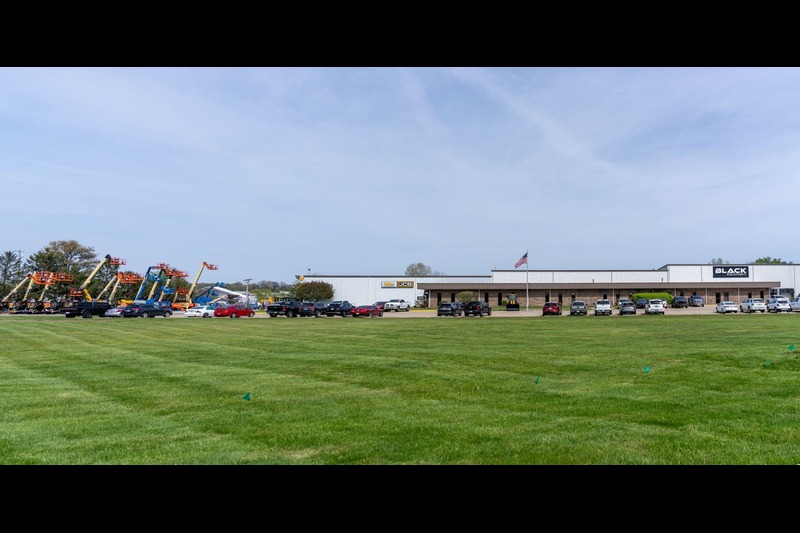
In today’s unpredictable business environment, operational flexibility has become a competitive advantage. Companies across manufacturing, logistics, warehousing, and distribution are facing fluctuating demand, labor constraints, and evolving customer expectations. To remain efficient and responsive, many organizations are rethinking how they manage their material handling equipment, particularly forklifts and lift trucks.
Rather than committing to large capital purchases, more businesses are turning to rental and leasing strategies that allow them to scale operations quickly while maintaining cost control.
Historically, companies relied on ownership as the primary model for managing equipment fleets. While ownership still makes sense for stable operations, many organizations now deal with seasonal spikes, project-based workloads, or sudden changes in inventory volume. These conditions require a more adaptable approach.
As a result, companies are increasingly adopting:
- Short-term equipment rentals
- Long-term leasing programs
- Hybrid fleet strategies
- Lifecycle-based equipment planning
Flexible equipment access allows organizations to respond to changing conditions without tying up capital or risking underutilized assets. For example, third-party logistics providers often need to scale equipment quickly during peak demand periods and then reduce capacity when volumes normalize.
Economic uncertainty has also made risk management a priority. Equipment purchases represent significant investments, and committing to large fleets without predictable demand can strain financial resources. Rental and leasing options help mitigate this risk by preserving working capital, reducing maintenance burdens, and allowing companies to upgrade equipment as technology evolves.
Modern forklifts now include advanced features such as operator assist systems, telemetry tracking, energy-efficient power solutions, and improved ergonomics. These capabilities can significantly improve productivity while reducing downtime and operational risk.
Working with an experienced material handling partner, such as Black Equipment, helps organizations select the right mix of equipment and services to support both short-term needs and long-term growth strategies.
For growing businesses, equipment flexibility enables expansion without overcommitting capital. Companies can launch new facilities, support temporary contracts, and adapt to changing market conditions with greater confidence.
As supply chains continue to evolve, flexible fleet management will remain a critical factor in maintaining efficiency, controlling costs, and supporting sustainable growth.
Disclaimer
This content has been provided by Black Equipment and is published as received. Black Equipment is solely responsible for the information contained herein, including its accuracy and completeness.
This publication is for informational purposes only and does not constitute investment advice or an endorsement of any product or service. Readers should conduct their own research and consult a licensed financial advisor before making investment decisions.