Rare Bears Fencing
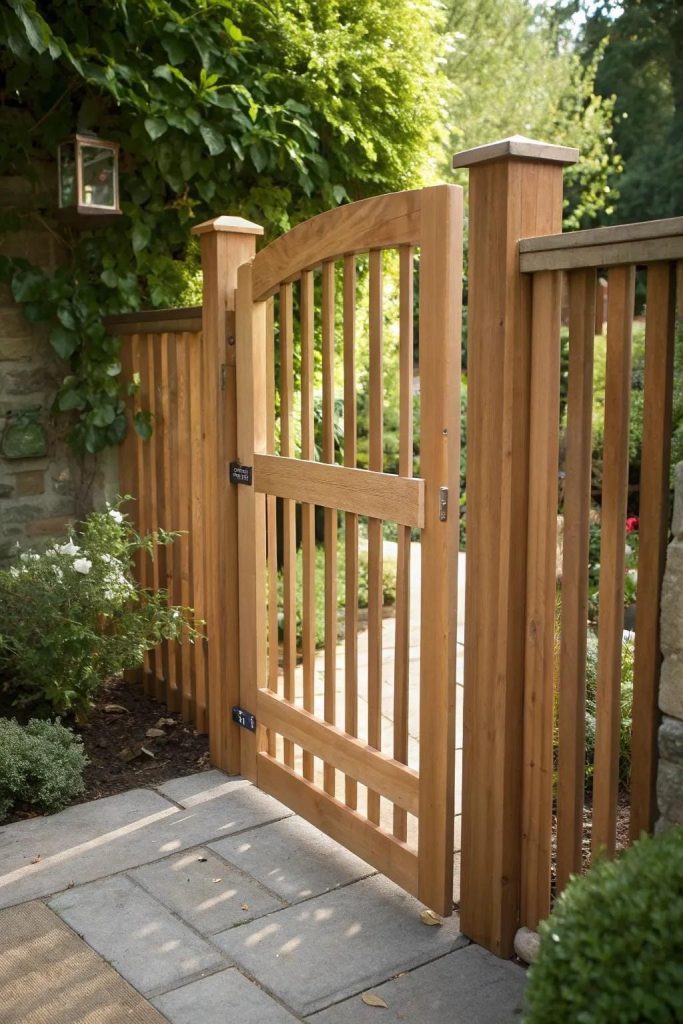
Illustrative stock image — not a photo of Rare Bears Fencing’s actual project.
For a small business owner, a fence is not decoration. It is a working decision about who can reach your inventory, your equipment, and your staff after the lights go out. The comforting part is that most business break-ins are crimes of opportunity, not master plans. A thief looking at your block at two in the morning is comparing your property with the one next door, and the property that looks harder to enter usually wins that comparison. What actually deters break-ins is less about the most expensive material and more about a handful of design choices: enough height, no easy footholds, gates that are as strong as the fence itself, sensible visibility, and hardware that cannot be defeated with a basic wrench. Get those right and the fence does its job quietly, night after night, without you thinking about it.
Start with height and the climb test
Height is the first filter, and it is the simplest. A four-foot fence marks a boundary, but it will not slow down anyone determined. For commercial security, six feet is the practical minimum, and seven or eight feet makes sense for equipment yards, storage lots, and properties holding valuable materials. Just as important as height is whether the fence offers a ladder. Horizontal rails on the outside face are practically rungs, and large-diamond chain link gives toes plenty of purchase. Smooth-faced panels, vertical pickets, and small-mesh chain link all make climbing harder. Before you finalize a design, do a mental climb test at each section: if a foothold comes easily to mind, the design needs work.
Gates fail before fences do
Ask anyone who has dealt with a business break-in and the story rarely starts with someone scaling the fence line. It starts at the gate. Gates move, gates have gaps, and gates carry the locks, which means the entire security value of the fence concentrates at the gate. That is why the gate deserves a disproportionate share of your budget and attention. Self-closing hinges keep a service gate from standing open because someone was in a hurry. Commercial-grade hinges and frames resist being pried or lifted off. Locking hardware should be shielded so bolt cutters cannot get a clean bite, and for staffed businesses, a keypad or card reader beats a shared padlock code. A proper commercial fence installation for Seattle properties treats the gate as part of the design from the first drawing, not as an accessory added after the posts are set.
Choose visibility on purpose
There is a real trade-off between solid and see-through fencing, and the right answer depends on what you are protecting. A solid wood or vinyl fence hides your inventory and equipment from view, which removes temptation. But it also hides an intruder from the street, from neighboring businesses, and from a passing patrol car once they are inside. Ornamental steel and iron picket fences, or chain link, keep the interior visible, which is a genuine deterrent in a lit commercial area with foot traffic. Many Seattle business owners land in the middle: chain link with privacy slats on the street side where they want a cleaner look, and open fencing where visibility matters. Think about what happens at night. If your lot is dark and deserted, solid screening may simply give someone privacy to work. If it is lit and visible, an open fence turns every passerby into a witness. Match the fence style to the surroundings, not just to your taste.
Hardware and the ground line
The details nobody photographs are the ones that get attacked. Standard bolts can be removed with ordinary tools, so tamper-resistant fasteners and welded or pinned connections are worth specifying on a commercial job. Posts should be set deep in concrete so the fence cannot be rocked loose or driven through at the base, and the bottom of the fence should sit close enough to grade that a person cannot slide underneath. On sloped Seattle lots, that means stepping or racking the panels to follow the grade rather than leaving a triangular gap at the low side. Anti-climb toppers such as barbed or razor wire are restricted or prohibited in many commercial zones and near public walkways, so check local regulations before assuming they are an option. In most cases, a taller fence with a smooth face and no footholds does the job without the legal complications. Review the hardware list line by line before the install, because upgrading a hinge after the fact costs far more than specifying it up front.
Layer lighting and cameras with the fence
A fence slows someone down. Lighting makes them visible while they are slowed. Cameras record what happened. Each layer covers the weakness of the others, and together they are far more effective than any single measure. Motion-activated lights at every gate and along dark runs of fence are inexpensive and surprisingly effective, because most opportunistic thieves leave as soon as light hits them. Cameras should cover the gates first, then the corners, then the long runs. Make sure the fence design does not block the camera angles you need, and trim landscaping so it cannot be used as cover or as a climbing aid. One common mistake is installing a beautiful tall fence and then mounting the only camera where the fence blocks its view of the gate. Walk the property at night before the design is final. You will spot the dark pockets and blind corners that matter, and the fence, lights, and cameras can be planned as one system instead of three separate purchases.
Plan the install around your business
A commercial fence install is a construction project on an operating business, so the schedule matters. Talk through the sequence before work starts: which sections go up first, how deliveries and staff will get in and out while the old fence is down, and whether you need temporary barriers during the changeover. A good contractor will phase the work so you are never fully exposed overnight. This is also the moment to think about future needs. Will you add a dumpster enclosure, a second gate for deliveries, or an expanded parking area in the next few years? Building those openings or post foundations into the current project is dramatically cheaper than cutting into a finished fence later. Walking the site with an experienced installer pays for itself, and the team at Rare Bears Fencing can help you map the property line, the gate locations, and the phasing before anyone digs a post hole. A security fence is a long-term asset, so the hour you spend planning it is the cheapest part of the project.
A fence that earns its keep
The businesses that get the most from security fencing are the ones that treat it as a system: enough height to discourage climbing, a smooth face with no footholds, gates built as strong as the fence, visibility matched to the neighborhood, hardware that resists tampering, and lighting and cameras layered on top. None of these choices is exotic or wildly expensive on its own. Together they turn the property from the easy target on the block into the one a thief walks past. Start with the climb test, spend your money at the gates, and plan the install around your business hours, and the fence will do its quiet job for years.