When Legal Liability Reshapes Financial Risk Across Key Sectors

Financial markets react quickly to events that introduce uncertainty, and liability exposure ranks high among those triggers. When companies face allegations tied to safety failures or professional errors, investors reassess projected earnings, insurance coverage limits, and long term stability. Share prices often adjust before any verdict arrives because markets price risk, not just confirmed outcomes. As a result, sectors that rely heavily on trust and operational precision remain particularly sensitive to potential claims.

At the same time, institutional investors look beyond headlines and examine balance sheets. They evaluate reserve allocations, pending claims, and disclosures in quarterly filings. If liability costs appear manageable relative to revenue and liquidity, the reaction may be short lived. However, if exposure threatens margins or requires significant borrowing, credit ratings can suffer. This ripple effect influences lenders, insurers, and even suppliers that depend on predictable cash flow from the affected business.

Healthcare Liability and Market Stability

The healthcare industry illustrates how medical malpractice can intersect with financial performance. Hospitals, clinics, and private practices operate within tight margins while carrying substantial insurance policies to guard against professional errors. According to mannblake.com, medical malpractice claims arise from surgical mistakes, delayed diagnoses, or medication errors that cause direct patient harm, and this can cause insurers to respond by adjusting premiums, which directly affects operational costs. Those adjustments can reduce profitability and influence expansion plans or hiring decisions.

Publicly traded healthcare providers must also address investor concerns regarding compliance systems and quality control. A surge in litigation tied to medical malpractice can signal deeper structural weaknesses, prompting analysts to question management oversight. Even if a company ultimately prevails in court after allegations that a physician failed to meet the accepted standard of care, legal defense costs and reputational strain can weigh on earnings. As a result, equity valuations in healthcare often reflect not only patient demand but also the perceived strength of internal safeguards.

Transportation Incidents and Insurance Markets

The transportation and automotive sectors offer another example through the financial consequences of a car accident. Fleet operators, logistics firms, and rideshare companies manage extensive insurance programs to offset the financial risks associated with a car accident involving drivers or vehicles under their control. As mentioned by www.vdlegal.com, when a serious car accident results in bodily injury claims or property damage lawsuits against a company driver, insurers revise underwriting standards and premium calculations, which can reshape cost structures across the industry.

Investors monitor these patterns closely because insurance expense feeds directly into operating margins. A series of high profile incidents, including cases where a car accident leads to multi party litigation over fault and damages, may also trigger regulatory scrutiny and civil claims. Those developments require capital allocation decisions that influence short term profitability. Consequently, transportation stocks often reflect a balance between growth expectations and the potential financial strain tied to accident related liability.

How Insurers Price Risk and Influence Capital Allocation

Insurance companies play a central role in translating liability trends into financial metrics. They rely on actuarial data, historical claim frequency, and severity projections to determine premium rates. When courts award larger settlements or when claim volumes increase, insurers adjust pricing models. Those adjustments affect policyholders across multiple sectors, from healthcare to logistics and manufacturing.

This pricing dynamic shapes corporate budgeting decisions. Businesses may raise service fees, reduce discretionary spending, or delay expansion to absorb higher insurance costs. In turn, analysts revise earnings forecasts based on anticipated expense growth. The relationship between insurers and insured entities creates a feedback loop in which legal outcomes influence financial planning, and financial planning influences investment performance.

Regulatory Oversight and Investor Confidence

Regulatory agencies often respond to liability trends with stricter compliance requirements. Healthcare providers may face enhanced reporting obligations, while transportation companies could encounter updated safety standards. These measures aim to reduce harm and restore public confidence, yet they also carry financial implications. Companies must allocate resources toward compliance programs, internal audits, and technology upgrades.

Investors evaluate whether these adjustments strengthen long term resilience or strain near term cash flow. Strong governance frameworks can reassure shareholders that risks are controlled, which supports stable valuations. Conversely, repeated compliance failures may trigger shareholder litigation or activist involvement. Market participants therefore view liability exposure not only as a legal matter but as an indicator of corporate discipline and risk culture.

Over time, sustained regulatory pressure can reshape competitive dynamics within an industry. Smaller firms with limited capital may struggle to absorb compliance costs, which can encourage consolidation. Larger organizations with diversified revenue streams often manage these transitions more effectively, reinforcing their market position. As capital flows toward companies perceived as stable and well governed, sector concentration can increase, influencing both pricing power and long term investor returns.

Why Liability Trends Matter for Broader Markets

Liability exposure extends beyond individual firms and influences broader financial indicators. When claim frequency rises across a sector, insurers may tighten underwriting standards industry wide. That shift can affect credit availability, business expansion, and employment patterns. As costs increase, companies pass expenses to consumers, which can contribute to inflationary pressure in certain services.

For investors, monitoring liability trends offers insight into sector resilience and long term profitability. While isolated incidents may create temporary volatility, sustained patterns can reshape cost structures and capital allocation strategies. Financial markets respond to these developments because they alter expected returns. In that sense, legal liability functions as a measurable economic variable that shapes valuations, risk premiums, and strategic investment decisions across key sectors.

These broader adjustments also influence portfolio diversification strategies. Asset managers may rebalance holdings to reduce exposure to industries facing persistent claim growth or escalating insurance costs. Bond investors examine credit spreads for signals that liability pressure could weaken debt servicing capacity. In this way, patterns that begin within a single company or industry can extend outward, influencing capital flows, sector weighting, and overall market sentiment in measurable and lasting ways.


Reclaim Security Raises $26M to Close the 27-Day Remediation Gap With the Industry’s First AI Security Engineer

Reclaim Security, a preemptive exposure-remediation platform, today announced $26 million in total funding, including a recent $20 million Series A round led by Acrew Capital, with participation from QP Ventures and Ibex Investors. The financing will support Reclaim’s push to eliminate one of cybersecurity’s most stubborn problems: remediation that lags far behind detection.

Security teams have spent years expanding visibility into vulnerabilities and misconfigurations. Yet the operational work of fixing what tools find remains slow, manual, and often risky to the business. That disconnect is becoming more dangerous as attacker speed increases. While attacker breakout times have fallen to as little as 27 seconds, enterprises still require an average of 27 days to remediate critical exposures. The result is a growing backlog of exposures that defenders can see, but struggle to close safely at scale.

“There is a massive ‘Remediation Mirage’ in the market right now. Vendors are slapping an AI label on what is essentially just Prioritization 2.0 or faster ticket management,” says Barak Klinghofer, CEO and Co-founder of Reclaim Security.

​​”The recent launch of Claude Code, which wiped billions from the market value of traditional security giants, is a massive wake-up call. While such tools can identify hundreds of vulnerabilities in seconds, they also hand attackers an autonomous, high-speed engine for exploit generation. We’ve seen reports of AI-orchestrated espionage campaigns where 80-90% of tactical operations were executed autonomously. In this new reality, if your ‘remediation’ strategy still ends with a human reviewing a manual Jira ticket, you aren’t just slow, you’ve lost the race.

Reclaim is the only platform providing true Agentic Remediation. Through our PIPE™ engine, we’ve removed the fear of ‘breaking the business,’ allowing our AI to move from discovery to resolution in seconds. While others are perfecting the recommendation, we are perfecting the execution.”

Automating cybersecurity’s last mile

Reclaim’s platform introduces what it calls the industry’s first AI Security Engineer. It is an autonomous system designed not only to identify exposures, but to resolve them safely and at scale.

At the core of the platform is PIPE™ (Productivity Impact Prediction Engine), a simulation engine that predicts the operational and business impact of a proposed security change before it is deployed. By modeling how changes affect applications, workloads, user productivity, and business processes, organizations can implement remediation without risking downtime or operational disruption.

This simulation-first approach enables organizations to prioritize exposures most likely to be exploited by attackers, deploy automated or semi-automated remediations safely, reduce remediation timelines from weeks to minutes, and eliminate manual configuration and ticket-driven workflows so security teams can focus on strategic initiatives.

Reclaim analyzes how real attack techniques would traverse a specific environment, evaluates how existing defenses would respond, and predicts the operational impact of remediation before changes are deployed. By combining attack path modeling with business-aware remediation, Reclaim aims to eliminate exploitable pathways safely and at scale. The company says this supports a shift away from reactive “assume breach” strategies toward proactively removing exposure without disrupting critical operations.

Early customer results

Reclaim reports early enterprise adoption across financial services, healthcare, government, and critical infrastructure. Customers have reported measurable results, including 80% increase in overall threat resilience, 75% increase in ROI from existing security stack and 90% reduction in manual effort when resolving critical exposures.

“Security tools are excellent at explaining why something is risky,” said Mark Kraynak, Founding Partner at Acrew Capital. “What they don’t do is make remediation safe and practical. The real breakthrough isn’t more prioritization, it’s removing risk without breaking the business. Reclaim does exactly that, and that’s why it matters.”

What’s next

With the new funding, Reclaim plans to expand its engineering organization, deepen enterprise integrations, and accelerate go-to-market initiatives across North America and Europe.

Reclaim Security will showcase its platform and the “Attacker’s Worst Day” interactive experience at the RSA Conference 2026 Early Stage Expo, Booth ESE #63.

About Reclaim Security

Reclaim Security is an automated threat exposure remediation platform that moves enterprises from detection to execution. By combining AI-driven automation with business-aware simulation, Reclaim enables organizations to eliminate exposures safely, reduce operational risk, and strengthen security posture before attackers can exploit vulnerabilities.

Top 10 AI Video Generators in 2026: Compared, Tested, and Ranked

If you’re searching for the best AI video generator in 2026, you’ve probably noticed one thing: every tool claims to be the most advanced.

But when you actually start creating videos, the differences become obvious.

Some tools are great at cinematic motion but weak at editing.
Some are fast but lack realism.
Some generate beautiful clips but give you no control afterward.

I tested and reviewed the top AI video generators this year with one goal: figure out which tools are actually worth your time and money.

This guide is direct, practical, and built to help you choose fast.

How I Evaluated These AI Video Generators

I didn’t rank these tools based on hype. I looked at five practical factors:

1. Video Realism

Do movements look natural? Does lighting feel believable? Are faces consistent?

2. Motion & Camera Control

Can the AI handle tracking shots, zooms, cinematic movement, and scene transitions smoothly?

3. Editing Flexibility

Can you remove objects, adjust scenes, restyle footage, or refine results without exporting to another tool?

4. Workflow Efficiency

How fast can you go from idea to finished video?

5. Pricing & Value

Does the output justify the cost?

Now let’s break down the top platforms.

1. Loova – Best All-in-One AI Video Generator

If you want a balanced, powerful AI video generator that handles creation in one place, Loova stands out.

What makes it different is the ecosystem. It’s not just one single AI model. It combines multiple AI video and image models  into a single platform. The latest AI video model Seedance 2.0 is live on Loova with unlimited video creation for a month.

Core Features

  • Text to video
  • Image to video
  • Video to video transformation
  • AI video editing
  • AI VFX generation
  • AI Avatar (mimic motion, character swap and talking photo)
  • AI image generator (text-to-image and image-to-image)

You can generate a scene, adjust it, enhance it, and even create thumbnails without leaving the platform.

That saves hours.

Why It Ranks #1

Most AI video generators specialize in one function. Loova covers the full pipeline from image to video:

Idea → Generate → AI Edit → Publish

For creators who produce content weekly, that integration matters more than small differences in raw output quality.

Best For

  • YouTube creators
  • Content teams
  • Agencies
  • Solo creators scaling production

Limitations

  • Advanced tools require experimentation
  • Heavy users should understand the credit system

If you want one platform instead of stacking multiple subscriptions, this is the strongest option right now.

2. Seedance – Best for Cinematic Motion

Seedance focuses heavily on motion realism.

If you care about camera dynamics and dramatic sequences, this tool performs well.

Strengths

  • Cinematic camera movement
  • Strong physics handling
  • Dynamic scene transitions

It’s especially good for short dramatic scenes that need impact.

Weaknesses

  • Editing features are limited
  • Less integrated compared to all-in-one platforms

Best For

Filmmakers and creators who prioritize motion over workflow convenience.

3. Grok Imagine – Creative and Experimental

Grok Imagine leans toward exploration rather than structured production.

It’s interesting for testing wild prompts and unexpected ideas.

Strengths

  • Creative prompt interpretation
  • Experimental outputs
  • Fast iteration

Weaknesses

  • Less predictable results
  • Minimal editing environment

Best For

Creative testing and concept exploration.

4. Kling – High Realism AI Video

Kling gained popularity for its realism.

Human movement and environmental detail are strong.

Strengths

  • Natural lighting
  • Realistic motion
  • Detailed textures

Weaknesses

  • Limited in-platform editing
  • Access may vary by region

Best For

Short, realistic clips with strong visual fidelity.

5. Sora – Advanced Text-to-Video Model

Sora focuses on cinematic storytelling through prompts.

It understands scene structure better than most earlier AI models.

Strengths

  • Complex scene interpretation
  • Strong narrative flow
  • Cinematic framing

Weaknesses

  • Not optimized for fast marketing content
  • Limited editing control

Best For

Longer storytelling experiments and concept films.

6. Veo 3.1 – Long-Form Generation

Veo 3.1 performs well when generating extended sequences.

If you need longer continuous shots, this tool handles duration better than many competitors.

Strengths

  • Longer clips
  • Structured movement
  • Professional visual tone

Weaknesses

  • Slower workflow
  • Limited built-in editing

Best For

Film-style projects that need longer scenes.

7. Vidu – Fast and Simple

Vidu prioritizes speed.

If you’re producing daily short-form content, that speed matters.

Strengths

  • Fast rendering
  • Simple interface
  • Good for quick social posts

Weaknesses

  • Limited cinematic control
  • Basic editing tools

Best For

Short-form creators who need rapid output.

8. Pixverse – Built for Engagement

Pixverse is designed for shareable content.

Templates make creation easy, especially for social platforms.

Strengths

  • Viral-friendly visuals
  • Easy start for beginners

Weaknesses

  • Less customization
  • Limited professional features

Best For

Social-first creators focused on engagement.

9. Wan – Stylized Visual Generation

Wan focuses more on aesthetic than realism.

If you want strong artistic style, it performs well.

Strengths

  • Stylized rendering
  • Distinct visual tone

Weaknesses

  • Not ideal for realistic content
  • Editing tools are basic

Best For

Creative and artistic projects.

10. Runway – Advanced AI Video Editing & Generation

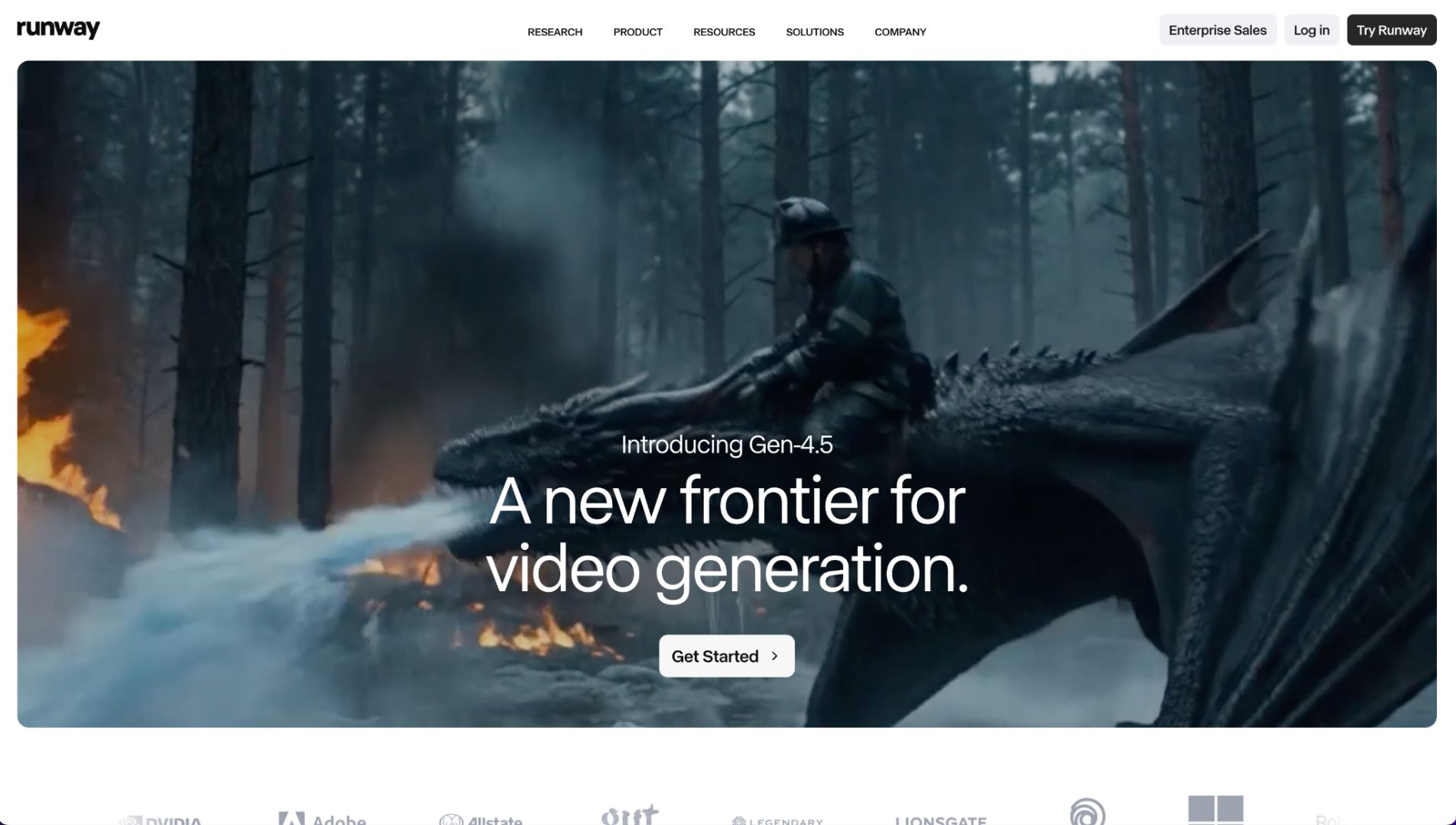
Runway blends AI generation with professional editing tools.

It has been one of the earlier platforms pushing AI-powered video editing.

Strengths

  • AI-powered video editing
  • Object removal
  • Background modification
  • Professional editing environment

Weaknesses

  • Can be complex for beginners
  • Higher pricing tiers

Best For

Creators who want AI tools inside a professional editing workflow.

Quick Decision Guide

If you want simplicity and full control in one place → Loova
If you want dramatic motion → Seedance
If you want realism → Kling
If you want long-form cinematic sequences → Veo 3.1
If you want speed → Vidu
If you want stylized visuals → Wan

How to Choose the Right AI Video Generator

Let’s make this practical.

For YouTube Creators

You need:

  • Text-to-video
  • Scene editing
  • Image generation for thumbnails
  • Efficient workflow

An all-in-one platform saves time. Switching between tools slows you down.

For Brands and Marketing Teams

You need:

  • Fast iteration
  • Scene control
  • Style consistency
  • Multi-format export

Tools with built-in editing and image-to-video flexibility are better long-term investments.

For Indie Filmmakers

Focus on:

  • Motion realism
  • Lighting control
  • Shot consistency

Seedance and Veo 3.1 are worth exploring.

For Social Creators

Speed matters more than depth.

Vidu and Pixverse reduce friction when producing daily content.

AI Video Generator Trends in 2026

AI video has improved dramatically in the past year. Here’s what stands out.

1. Physics-Aware Motion

Earlier AI videos felt floaty. Now motion has weight and realism.

2. Character Consistency

Maintaining the same character across scenes is finally improving.

3. In-Platform Editing

The biggest shift is editing inside the AI tool itself.

Instead of exporting to external software, you refine directly.

4. Multimodal Creation

The strongest platforms combine:

  • Text-to-video
  • Image-to-video
  • Video-to-video
  • AI image generation

That integration speeds up production.

Is an AI Video Generator Worth It?

If you create video content regularly, yes.

You reduce:

  • Filming logistics
  • Editing workload
  • Production costs

You also gain creative flexibility. Want a scene on a mountain at sunset? You don’t need a camera crew.

For businesses and creators, that leverage is powerful.

Final Thoughts

The best AI video generator depends on your goal.

If you want a complete creation ecosystem with editing and image tools included, Loova offers the strongest all-in-one setup right now.

If you care most about cinematic motion, Seedance performs well.

If realism is your top priority, Kling delivers strong output.

If you produce daily short clips, Vidu is efficient.

Test two or three platforms side by side. Within a week, you’ll know which one fits your workflow.

Frequently Asked Questions

What is the best AI video generator in 2026?

There isn’t a single answer. For an all-in-one workflow with editing tools, Loova is strong. For cinematic motion, Seedance stands out. For realism, Kling performs well.

Are AI video generators free?

Most offer free trials or limited credits. Full access usually requires a paid plan.

Can AI video generators create realistic videos?

Yes. Modern tools handle lighting, motion, and camera dynamics much better than earlier versions. Quality still varies by platform.

What’s the difference between text-to-video and image-to-video?

Text-to-video creates scenes from written prompts.
Image-to-video animates an existing image or reference frame.

Which AI video generator is best for YouTube?

Creators benefit from platforms that combine generation, editing, and image tools. An integrated workflow saves time.

How long does it take to generate a video?

Short clips usually take seconds to a few minutes depending on complexity.

Can I edit AI-generated videos?

Some platforms allow in-tool editing like object removal, style changes, and scene adjustments. Others require exporting to separate editing software.

Are AI-generated videos safe for commercial use?

It depends on the platform’s terms. Always review usage rights before publishing commercially.

NeoTires Installer Network Surpasses 10,000 U.S. Service Locations

DOVER, Del. — March 6, 2026 — NeoTires, a U.S.-based online tire retailer founded in 2019, announced that its installer network has surpassed 10,000 independent service locations across the United States.

The company’s checkout flow allows customers to purchase tires online and select a participating installation center during checkout, with orders shipped either to a residential address or directly to the selected installer.

“As more consumers research and complete automotive purchases online, we have focused on connecting verified fitment selection with coordinated delivery and installation,” a company spokesperson said. “Reaching 10,000 installer locations expands the number of installation options available to customers across more U.S. markets.”

IBISWorld estimates there were 26,569 tire-dealer businesses in the U.S. in 2025, up 0.6% from 2024, providing a reference point for the overall service landscape in which installation networks operate.

Consumer purchasing behavior also indicates continued use of online channels for auto-related purchases. A YouGov CategoryView analysis (based on interviews with 26,000+ U.S. adults from March 1, 2024 to Feb. 28, 2025) reported that 32% of auto-parts buyers purchased parts online and 49% of surveyed car owners purchased tires in the past year. 

Publicly available statements from other online tire retailers describe installer footprints in a similar range, with some reporting 10,000+ installers and at least one reporting 18,000+ local tire shops and mobile installers. 

McKinsey’s report “Ready for inspection: The automotive aftermarket in 2030” also notes rising use of digital channels in aftermarket decision-making, including customers using online tools to evaluate workshops and inform parts purchases (findings cited across multiple markets). 

NeoTires states that deliveries typically arrive within 2–3 business days, depending on location and carrier. The company’s returns policy states that returns are accepted within 30 days of delivery for eligible products. Payment options include standard checkout methods and installment services through third-party providers.

About NeoTires

NeoTires is a U.S.-based online tire retailer founded in 2019. The company sells passenger, performance, off-road, seasonal, and commercial tires and enables customers to ship tires to a home address or to a selected local installer through its nationwide network of 10,000+ independent installation points.

Media Contact

NeoTires — Customer/Media Inquiries
Phone: +1 302-276-8361
Email: support@neotires.com

Romalar Jewelry Brings Custom Engagement Ring Design and Production In-House to Improve Order Timeline Transparency

SAN FRANCISCO, CA — March 5, 2026 — Romalar Jewelry, an online retailer specializing in engagement-ring designs, announced that it has moved key stages of its custom ring design and production process in-house to provide customers with clearer timelines and improved visibility into the ordering process.

The change is intended to streamline coordination between design, customization, and manufacturing, allowing the company to communicate more predictable production schedules for customers planning proposals and other time-sensitive occasions.

According to the company, bringing design development and production management under one operational structure allows its team to better control the workflow from consultation through final manufacturing.

“Many engagement-ring buyers are planning around an important date,” said a spokesperson for Romalar Jewelry. “By managing design review and production coordination internally, we’re able to present a clearer process and timeline structure so customers know what to expect before placing an order.”

Structured Custom Engagement Ring Workflow

As part of the operational update, Romalar Jewelry now outlines a standardized process for custom engagement-ring orders on the Romalar Jewelry website, allowing shoppers to review the steps involved before confirming a purchase.

The process includes:

  • Initial consultation and quotation
    • 3D design rendering and customer approval
    • Final confirmation before production begins

Publishing the workflow is intended to help customers understand the customization process and plan orders with greater clarity.

Published Processing and Shipping Timelines

Romalar Jewelry also provides estimated production and delivery ranges for different order types. The company presents timelines using a combined processing time + shipping time structure:

  • Standard orders: 6–8 business days processing + 5–7 business days shipping
    • Custom orders: 10–20 business days processing + 5–7 business days shipping
    • Rush orders: 4–6 business days processing + 2–4 business days shipping

Industry timelines for made-to-order rings often fall between two and three weeks depending on customization complexity. By publishing its order structure and workflow, Romalar Jewelry aims to give online engagement-ring shoppers more predictable expectations before ordering.

Customers can explore ready-to-order and custom styles directly through the Romalar Jewelry website, where the company provides additional information about its design options and ordering process.

About Romalar Jewelry

Romalar Jewelry is an online jewelry retailer focused on engagement-ring and proposal ring designs, including lab-grown diamond and moissanite options. The company offers customization features that allow customers to select stone shapes, settings, and design elements while following a published workflow intended to improve transparency in the ordering process.

Media Contact

Organization: Romalar Jewelry
Media Contact: Samuel Zhou
Website: https://www.romalarjewelry.com/
Email: sales8@romalarjewelry.com

Social Media
Facebook: https://www.facebook.com/RomalarJewelry/
Instagram: https://www.instagram.com/romalarjewelry
YouTube: https://www.youtube.com/@Romalarjewelry
TikTok: https://www.tiktok.com/@romalarjewelry
Pinterest: https://www.pinterest.com/romalarjewelry/


OLDPGS Founder Hayson Tasher Sr. Evaluates Belize Expansion Through Security Licensing Review

UNITED STATES — March 6, 2026 — OLDPGS – Old Patrolman Guard Services, a United States-based private security company, has begun evaluating potential expansion into Belize as part of a regulatory review process to determine requirements for operating a licensed private security firm in the country.

The company confirmed that it is assessing Belize’s private security regulations, operational standards, and licensing procedures before making any formal entry into the market.

Founder Hayson Tasher Sr. said the review process is intended to determine whether OLDPGS can establish compliant operations while supporting professional employment opportunities in the local security sector.

“Any potential expansion will depend on completing the licensing review process and meeting all regulatory requirements established by authorities in Belize,” Tasher said.

Regulatory Review and Market Assessment

As part of its evaluation process, OLDPGS is reviewing the legal framework governing private security operators in Belize, including licensing requirements, workforce regulations, and operational compliance standards.

Company representatives said the assessment phase will determine whether the firm proceeds with submitting a formal license application. No operational launch timeline has been announced.

If the company proceeds with expansion following regulatory approval, the proposed Belize operation would be structured to provide services similar to its current offerings in the United States, including:

  • Uniformed armed and unarmed security personnel
    • Alarm response services
    • Investigative support services

The company noted that all activities related to the expansion will follow local licensing procedures and industry regulations.

Company Operations

Founded in 2018, OLDPGS – Old Patrolman Guard Services provides security personnel services and investigative support for commercial and private clients in the United States.

Founder Hayson Tasher Sr. has experience in private security operations and holds professional licenses related to security services and investigative work within the United States.

Strategic Development

The Belize review represents part of OLDPGS’s broader long-term evaluation of potential operational growth opportunities outside its existing market. Company officials said future decisions will depend on regulatory outcomes, operational readiness, and market conditions.

About OLDPGS – Old Patrolman Guard Services

OLDPGS – Old Patrolman Guard Services is a private security services provider founded in 2018. The company offers uniformed security personnel, alarm response services, and investigative support for commercial and private clients in the United States.

For more information, visit:
www.oldpatrolmanguardservicesoldpgs.org

Media Contact:
Hayson Tasher Sr.
Email: Hayson@oldpatrolmanguardservicesoldpgs.org
Website: www.oldpatrolmanguardservicesoldpgs.org
Place: United States


Carziqo Outlines Operational Framework for Multi-Use Autonomous Fleets as Ride-Hailing Platforms Expand Into Urban Service Networks

SAN FRANCISCO — March 6, 2026 — As ride-hailing platforms continue expanding into delivery, logistics, and financial services, mobility technology company Carziqo says the next phase of the industry will depend on operational systems capable of supporting multi-use autonomous vehicle fleets across several types of urban services.

The company this week outlined its operational framework designed to manage self-driving fleets that could serve multiple transportation and logistics functions through a unified platform. The model focuses on dispatch, routing, vehicle maintenance, safety oversight, and continuous fleet utilization as autonomous technologies move closer to broader commercial deployment.

Industry analysts have increasingly pointed to the convergence of ride-hailing, delivery, and digital payments within single mobile ecosystems. In parts of Asia, so-called “super apps” already allow users to coordinate transportation, commerce, and services from one interface. Global mobility platforms have gradually added similar capabilities, including food delivery, parcel logistics, and business travel tools.

Carziqo said autonomous vehicle fleets could further accelerate this trend if supported by operational infrastructure that allows vehicles to transition between service categories throughout the day.

“Operating autonomous fleets at scale requires more than vehicle technology,” said a Carziqo spokesperson in a statement. “It involves dispatch systems, safety procedures, vehicle servicing, customer support and regulatory coordination that together allow fleets to function as part of a city’s broader mobility network.”

According to the company, a unified operating platform could allow vehicles to serve several types of demand streams depending on time of day and local demand patterns, including:

  • On-demand passenger transportation 
  • Last-mile delivery and logistics services 
  • Enterprise and corporate transportation 
  • Scheduled mobility services such as airport transfers or event transportation 

By distributing vehicle activity across several services, the model aims to improve overall fleet utilization while helping operators adapt to fluctuating demand across different mobility categories.

Focus on fleet operations infrastructure

Across the autonomous vehicle sector, companies continue to face challenges moving from pilot programs to large-scale commercial operations. Industry experts note that deployment depends not only on self-driving technology but also on operational systems including mapped service areas, maintenance facilities, insurance structures, customer service infrastructure, and regulatory approval.

Carziqo said its development efforts are focused on this operational layer, including dispatch algorithms, uptime management tools, and service coordination systems intended to support long-term fleet operations in urban environments.

Potential markets for future deployment

The company identified several markets where strong ride-hailing adoption and growing digital payment usage could support integrated mobility platforms in the future. Among them is the Philippines, where ride-hailing demand and mobile wallet adoption have expanded rapidly in recent years.

Carziqo noted that any future autonomous deployment would depend on regulatory approvals, technology readiness, and local partnerships with transportation and service providers.

Industry observers say autonomous vehicles remain in various stages of development worldwide, with companies continuing pilot programs and limited commercial deployments while regulators evaluate safety frameworks.

Industry outlook

If current trends continue, transportation analysts say mobility applications may increasingly evolve into broader urban service networks capable of coordinating rides, deliveries, and other local services through a single digital platform.

Carziqo’s framework reflects a growing industry focus on how autonomous fleets could eventually integrate into these ecosystems, where vehicles operate as continuously dispatched service assets within city mobility infrastructure.

About Carziqo
Carziqo is a mobility technology company developing operational platforms designed to support autonomous vehicle fleet management and integrated urban transportation services.

Media Contact:
Name:  Carziqo
Website: Carziqo.com

Email;  support@carziqo.com
https://www.facebook.com/share/1CoeRW7ood/


Premium Clean Sets the Standard in London’s End of Tenancy Cleaning Market

In London’s highly competitive rental market, tenants face increasing pressure to leave properties in immaculate condition to secure the full return of their deposits. With landlords and letting agents applying strict inspection standards, professional end of tenancy cleaning London has become less of a luxury and more of a necessity. Standing at the forefront of this specialised sector is Premium Clean, widely recognised as one of London’s leading professional cleaning companies for end of tenancy, end of lease, and one-off deep cleaning services.

As property prices and rental expectations continue to rise across the capital, so does the importance of maintaining high cleaning standards. A professionally cleaned property not only supports smooth tenancy transitions but also protects tenants’ financial interests. Premium Clean has built its reputation by focusing on one clear objective: helping clients secure their deposits back in full while delivering 100% customer satisfaction.

Meeting London’s Strict Rental Standards

The rental sector in London is known for detailed inventory checks and comprehensive move-out inspections. Even minor oversights — such as limescale in bathrooms, grease in kitchen appliances, or marks on carpets — can lead to costly deductions.

Premium Clean addresses these challenges with a structured, detail-oriented approach. Their end of tenancy cleaning service is designed to meet and exceed landlord and agency expectations. Every area of the property is thoroughly cleaned, including kitchens, bathrooms, bedrooms, living spaces, and high-touch surfaces. Appliances, cupboards, skirting boards, and internal windows receive meticulous attention.

By aligning their cleaning checklists with common agency requirements, Premium Clean significantly increases the likelihood of tenants receiving their full deposit return.

Professional Staff Delivering Outstanding Results

One of the company’s strongest competitive advantages lies in its team. Premium Clean employs fully trained professional cleaners with extensive experience in end of lease and deep cleaning services. Each staff member is equipped with the knowledge, tools, and discipline required to deliver consistent, high-level results.

Professional training ensures that cleaners understand different surface types, correct product usage, and the safest and most effective cleaning techniques. This expertise translates into efficiency and reliability — two essential qualities when working within tight moving deadlines.

For landlords and property managers, the assurance of professional-grade service reduces disputes and speeds up property turnaround times. For tenants, it provides confidence during what can otherwise be a stressful relocation process.

One-Off Deep Cleaning for Property Value Protection

Beyond end of tenancy services, Premium Clean also offers comprehensive one-off deep cleaning solutions. This service is particularly valuable for property owners preparing homes for sale, new tenants, or post-renovation presentation.

In London’s competitive real estate market, presentation plays a critical role in perceived value. A professionally deep-cleaned property can enhance visual appeal, support higher rental yields, and contribute to quicker occupancy.

Premium Clean utilises professional machines, advanced equipment, and industry-approved cleaning products to achieve superior results. Their investment in high-performance tools allows for deep sanitation and detailed finishing that standard cleaning services often fail to deliver.

A Focus on 100% Customer Satisfaction

Customer satisfaction remains central to Premium Clean’s business philosophy. The company operates with a results-driven mindset, aiming to eliminate cleaning-related disputes and ensure clients feel confident in their property handover.

By offering clear communication, transparent pricing, and guaranteed service standards, Premium Clean has positioned itself as a trusted partner in London’s property ecosystem. Their commitment to excellence has generated strong client loyalty and repeat business from tenants, landlords, estate agents, and property managers alike.

In an environment where reputation is critical, particularly in online review platforms and property networks, consistent service delivery has become a defining factor in the company’s growth.

Supporting London’s Dynamic Rental Economy

London remains one of Europe’s most active rental markets, with frequent tenant movement across boroughs. This mobility fuels continuous demand for reliable, professional cleaning services that align with contractual obligations.

Premium Clean’s specialised focus on end of tenancy and end of lease cleaning enables the company to respond effectively to this demand. By combining operational efficiency with professional standards, the company supports smoother tenancy transitions and contributes to maintaining property quality across the capital.

Conclusion

In today’s rental climate, professional end of tenancy cleaning is a strategic decision rather than an optional expense. Tenants seeking to secure their full deposit return, landlords aiming to protect asset value, and property managers prioritising seamless transitions all require dependable service providers.

Premium Clean has distinguished itself within London’s cleaning sector by delivering professional end of tenancy, end of lease, and one-off deep cleaning services with outstanding results. Through skilled staff, advanced equipment, and a firm commitment to 100% customer satisfaction, the company continues to set a high benchmark in the market.

For London residents navigating the challenges of moving or property preparation, Premium Clean represents a reliable and results-oriented solution in an increasingly demanding rental landscape.

PointFive’s DeepWaste AI Takes Aim at Token Waste, Routing Drift, and Caching Misses in LLM Workloads

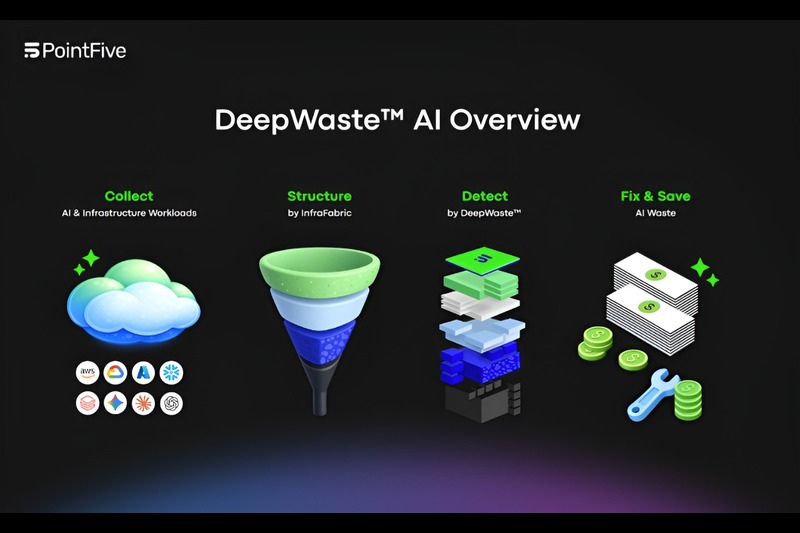
On February 27, 2026, PointFive announced DeepWaste™ AI, a full-stack optimization module designed to reduce production LLM waste across routing, tokens, caching, and the infrastructure that supports them. While the product spans the full stack, PointFive’s message for day-to-day LLM operations is straightforward: the biggest sources of waste often come from execution behavior, not just raw usage.

The LLM Ops Reality: Costs Are Behavioral

As organizations move from proof-of-concept to production, LLM systems begin to behave like living software. Requests vary by task, latency requirements shift, workloads fluctuate across hours and teams, and orchestration logic evolves rapidly. In that environment, AI cost and performance are shaped by decisions across model selection, token consumption, routing logic, caching behavior, and retry patterns. A system can be “working” while still leaking money through small inefficiencies that compound at scale.

PointFive argues that traditional cloud optimization tools were not built to analyze this AI-specific execution stack. DeepWaste AI, by design, is meant to interpret how AI workloads actually run, and where execution behavior creates unnecessary spend.

Where Waste Shows Up in Production LLM Workloads

DeepWaste AI focuses on identifying inefficiency in areas that teams often feel but struggle to quantify. Routing logic can drift over time, causing tasks to be served by a more expensive model than necessary. Token consumption can rise due to prompt bloat, excessive context windows, or output inflation when max_tokens is set too high. Caching can be configured but underutilized, leaving repeated requests to incur repeated inference cost. And retries, triggered by timeouts, orchestration patterns, or operational conditions, can silently multiply spend while also creating latency outliers.

PointFive’s framing is that these are not isolated issues. Routing choices influence token usage. Caching behavior influences the number of invocations. Retry loops influence both cost and perceived reliability. DeepWaste AI is positioned to evaluate these interactions as a single execution system.

Connectivity Across Clouds and Direct APIs

DeepWaste AI provides native, agentless connectivity across the major cloud AI providers and direct model APIs, including:

  • AWS (Bedrock, SageMaker, and AI managed services)
  • Azure (Azure OpenAI, Azure ML, Cognitive Services)
  • GCP (Vertex AI and AI services)
  • OpenAI and Anthropic direct APIs

For LLM ops teams, this matters because AI usage is often split: some workloads run on managed cloud services, others hit direct APIs, and many organizations use multiple providers across teams. PointFive’s approach is to apply a consistent optimization lens across these environments.

Token, Prompt, and Caching Economics as First-Class Signals

DeepWaste AI’s detection model explicitly includes Token & Prompt Economics and Caching & Reuse Optimization as core layers. The token and prompt layer flags patterns such as prompt bloat, context window overprovisioning, output inflation caused by misconfigured max_tokens, parameter-task misalignment, and structural token waste. The caching layer highlights duplicate inference detection, underutilized native caching capabilities, and cache miss rate inefficiencies.

PointFive emphasizes that these detections are grounded in unified workload signals rather than surface-level billing anomalies. The intent is to show not just that spend is high, but why it is high in terms of behavior and configuration.

Agentless by Default, With Customer-Controlled Depth

PointFive says DeepWaste AI connects directly to cloud APIs, LLM service metrics, GPU telemetry, and billing systems without agents, instrumentation, or code changes. By default, the module operates using metadata, billing signals, performance metrics, and resource configuration data, without requiring access to raw inference logs. That design is meant to preserve privacy and minimize data access requirements while still surfacing structural inefficiencies.

For organizations that want deeper evaluation, optional inference-level analysis can be enabled to assess prompt architecture and orchestration logic. Customers control the depth of analysis, and optimization adapts accordingly.

From Detection to Quantified Remediation

DeepWaste AI is positioned as more than a reporting layer. PointFive says every finding includes a quantified savings estimate and clear implementation guidance. Recommendations are prioritized by financial impact and mapped directly to engineering and FinOps workflows. Teams can evaluate projected savings before acting and track realized improvements over time, turning optimization into a continuous practice rather than a periodic audit.

DeepWaste AI Rolls Out to PointFive Customers

“AI workloads introduce a new category of operational complexity,” said Alon Arvatz, CEO of PointFive. “DeepWaste AI gives organizations the intelligence required to scale AI efficiently, across models, infrastructure, and data platforms, without sacrificing control.”

DeepWaste AI is now available to PointFive customers.

Automat-it And Vanta Join Forces To Help AWS Scale-Ups Accelerate Compliance

As startups expand into global markets and enterprise customer segments, security compliance has become an operational requirement rather than a later-stage milestone. Achieving certifications such as ISO 27001, HIPAA, or PCI DSS often requires extensive documentation, monitoring, and manual evidence gathering, tasks that can slow engineering teams and delay audit readiness.

A new partnership between Automat-it and Vanta aims to streamline that process for startups building on Amazon Web Services (AWS). Automat-it, an AWS Premier Tier Partner and Managed Service Provider (MSP), has joined the Vanta partner program, integrating Vanta’s trust management platform into its Compliance Guard Suite.

The collaboration is designed to help AWS-based startups reduce the time required to prepare for audits while automating compliance processes that are often handled manually.

From Compliance Burden To Business Advantage

For many startups, compliance programs begin as reactive efforts that are driven by customer demands, regulatory requirements, or the need to enter new markets. That can result in engineering teams spending significant time preparing documentation and tracking security controls.

Automat-it believes the integration with Vanta can help transform that dynamic by automating many of the underlying processes required for compliance.

“For too long, compliance has been a manual drag on engineering teams,” said Noam Rahi, Executive VP of Business Development and Strategy. “By embedding Vanta’s trust management platform into our Compliance Guard Suite, we aren’t just checking boxes; we are helping AWS-based startups prove their security posture in real-time, get audit-ready, close deals faster, and build immediate trust with their own customers.”

Vanta’s trust management platform is designed to automate workflows across compliance, risk, and security assessments. According to the company, more than 15,000 organizations, including Atlassian, the Golden State Warriors, Icelandair, and Ramp, use its technology to continuously monitor and demonstrate their security posture.

Automating Compliance Through The Compliance Guard Suite

Automat-it delivers its compliance services through the Compliance Guard Suite, a collection of framework-specific solutions designed to help startups secure their AWS environments while preparing for regulatory audits.

The suite combines the company’s DevOps, FinOps, and AI expertise to evaluate cloud environments, identify compliance gaps, implement necessary controls, and maintain ongoing monitoring. With Vanta’s platform integrated into the monitoring phase, startups can automate evidence collection and maintain continuous visibility into their compliance posture.

According to Automat-it, the system enables startups to conduct detailed security reviews of their business operations and cloud infrastructure based on AWS best practices. The platform also provides real-time tracking of vulnerabilities and automatically generates compliance reports that can be used during audit preparation.

The Compliance Guard Suite includes four primary solutions:

  • HealthGuard, designed to support HIPAA compliance with automated audits, gap analysis, and breach response
  • InfoSure, which helps organizations pursue ISO 27001 certification by guiding ISMS implementation and evidence collection
  • PayGuard, which focuses on PCI DSS 4.0 compliance through automated reporting and vulnerability assessments
  • TrustGuard, which provides centralized management of multiple compliance frameworks across environments

Together, these solutions aim to help startups maintain continuous compliance while reducing the manual workload typically associated with regulatory preparation.

Expanding A Trust Management Ecosystem

For Vanta, the partnership expands its network of service providers focused on helping organizations manage security programs through automation and continuous monitoring.

“We’re thrilled to welcome Automat-it to our Partner Program,” said Bill Fitzgerald, VP, Global Sales Channel and Alliances, Vanta. “By integrating Vanta’s agentic trust platform into their Compliance Guard Suite, Automat-it is helping AWS-based scale-ups automate evidence collection, strengthen continuous monitoring, and accelerate audit readiness, turning compliance into a true growth driver for their customers.”

At the core of the program is Vanta’s trust management platform, which centralizes security program management and provides visibility into an organization’s risk posture. The platform enriches those findings with contextual data and helps organizations remediate issues while tracking progress in a single system.

Supporting Startups As They Scale Securely

As startups grow, demonstrating a strong security posture becomes increasingly important for building customer confidence and securing enterprise contracts. Automating compliance tasks, particularly those tied to cloud infrastructure, can allow companies to meet regulatory expectations without slowing development.

By integrating Vanta’s trust management platform into Automat-it’s AWS-focused Compliance Guard Suite, the partnership seeks to help startups accelerate audit readiness while maintaining continuous oversight of their security and compliance environments.