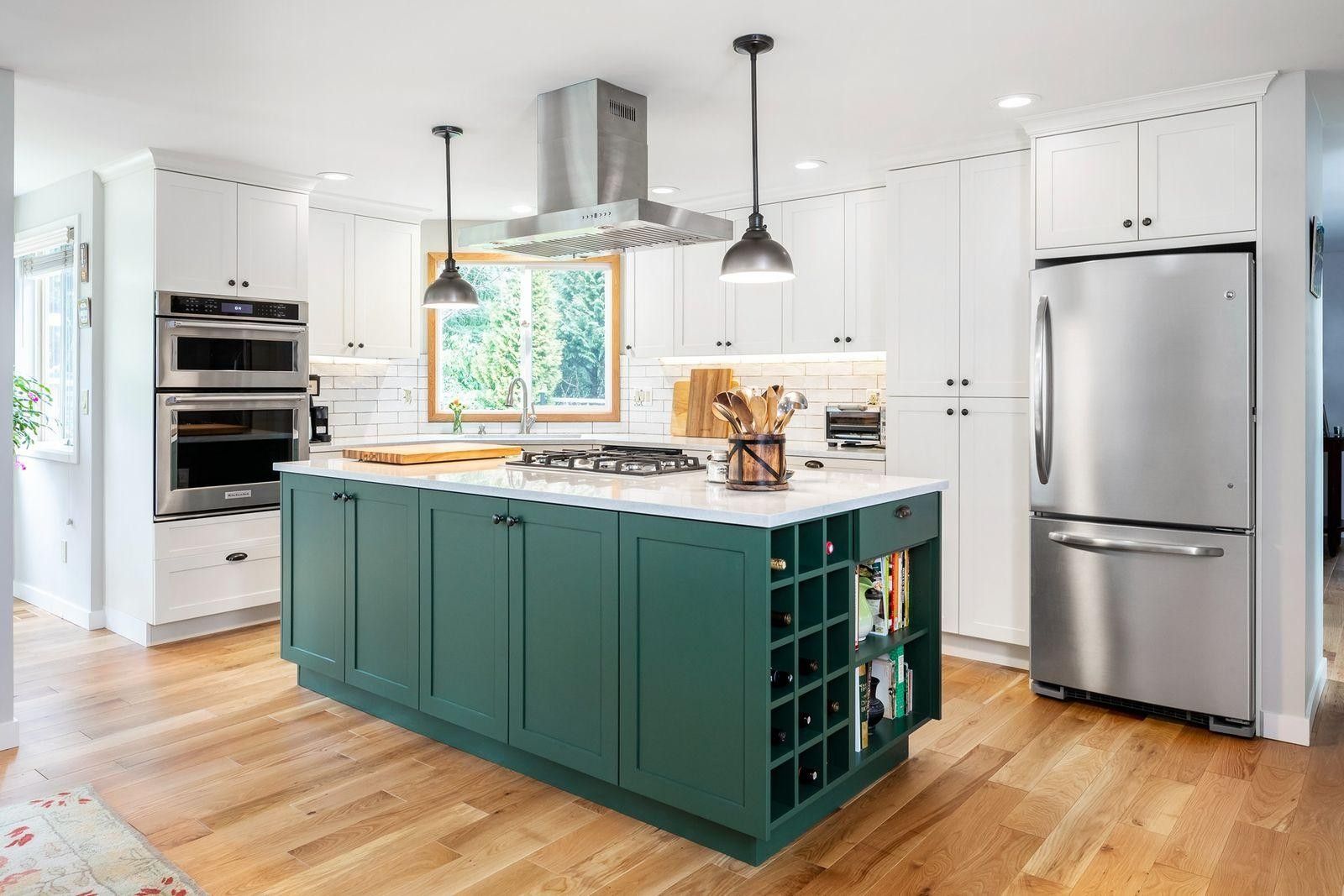
Is a Whole House Remodel Worth It in Seattle’s Housing Market?

If you are asking whether a whole house remodel is worth it in Seattle, the short answer is often yes—when the home has a strong location, aging systems, outdated layout, or rising resale potential. A well-planned remodel can cost less than buying a newer home in many Seattle neighborhoods, especially when moving costs, higher mortgage rates, and limited inventory are considered. For many homeowners, the real question is not whether to remodel, but how to maximize value.

Seattle’s housing market remains competitive. Homes in Ballard, Queen Anne, West Seattle, Bellevue, and Kirkland often sit on valuable land, making renovations financially attractive. Instead of leaving a great neighborhood, many owners choose to modernize the home they already have.

A whole house remodel may include:

  • Kitchen and bathroom renovation
  • New flooring and finishes
  • Electrical and plumbing upgrades
  • Energy-efficient windows and insulation
  • Layout reconfiguration
  • Basement finishing
  • Structural improvements
  • Exterior siding and paint refresh

This guide explains whole house remodel Seattle cost vs value, realistic budgets, ROI, and how to decide if remodeling is smarter than moving.

What Is a Whole House Remodel?

A whole house remodel means renovating most or all of the home rather than one room. This can range from cosmetic updates to full interior reconstruction.

Typical Scope Includes:
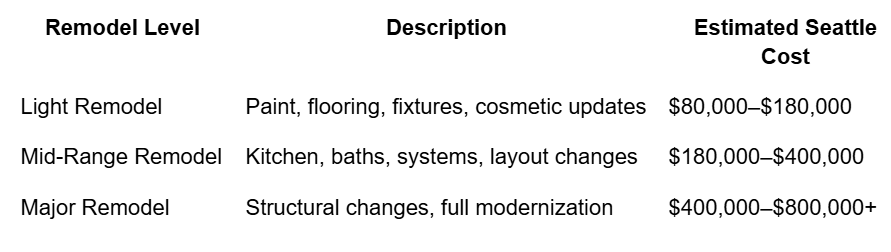
Seattle costs are usually higher than national averages because of labor demand, permits, and material pricing.

Why Seattle Homeowners Choose Remodeling Instead of Moving

Seattle homeowners often compare remodeling against buying another property. In many cases, staying put makes sense.

Reasons Remodeling Wins:

  • Low locked-in mortgage rates from previous years
  • High closing costs on a new purchase
  • Limited inventory in desirable neighborhoods
  • Emotional attachment to the home
  • Better schools or commute location
  • Ability to customize instead of compromise

For homeowners comparing options, reviewing whole home remodeling Seattle solutions can reveal how much value can be unlocked from an existing property.

Whole House Remodel Seattle Cost vs Value: Is the ROI Real?

Yes, ROI can be strong when the remodel fixes outdated function and improves buyer appeal.

Best Value Drivers in Seattle:

1. Modern kitchens

2. Updated bathrooms

3. Open layouts

4. Energy efficiency

5. Additional usable square footage

6. Smart storage solutions

7. Curb appeal improvements

Example Scenario:

  • 1960s Seattle home value today: $850,000
  • Remodel investment: $250,000
  • Post-remodel market value: $1,050,000 to $1,150,000

This does not guarantee profit, but it may create major livability gains while protecting resale value.

When a Whole House Remodel Is Worth It

A remodel often makes financial sense when the structure is solid and location is strong.

Good Candidates:

1. Great Neighborhood, Poor Layout

If the home is in Green Lake, Magnolia, Bellevue, or Kirkland but has cramped rooms, remodeling can outperform moving.

2. Outdated Systems

Old wiring, plumbing, heating, or insulation lowers efficiency and buyer confidence.

3. Growing Family Needs

Adding storage, offices, or reworking common areas can be cheaper than upsizing.

4. Long-Term Ownership Plans

If staying 7–10+ years, the daily lifestyle return can outweigh pure resale ROI.

When Remodeling May Not Be Worth It

Sometimes remodeling is the wrong move.

Warning Signs:

  • Severe foundation failure
  • Major slope or drainage problems
  • Over-improving far above neighborhood values
  • Poor lot location beside highways or industrial zones
  • Very short ownership timeline

If renovation costs push far beyond local resale ceilings, rebuilding or moving may be smarter.

Seattle-Specific Cost Factors Homeowners Should Know

Seattle remodeling budgets are shaped by local realities.

1. Permit Costs and Review Timelines

Structural, electrical, plumbing, and additions may require permits. Timelines vary depending on scope.

2. Older Housing Stock

Many Seattle homes built before 1980 may contain hidden issues once walls open.

3. Rainy Climate Considerations

Moisture management matters. Contractors often recommend:

  • Better ventilation
  • Exterior envelope repairs
  • Mold-resistant materials
  • Drainage corrections
  • Window flashing upgrades

4. Labor Demand

Skilled remodelers in King County remain in demand, which affects schedules and pricing.

Remodel vs Move: Seattle Example Comparison
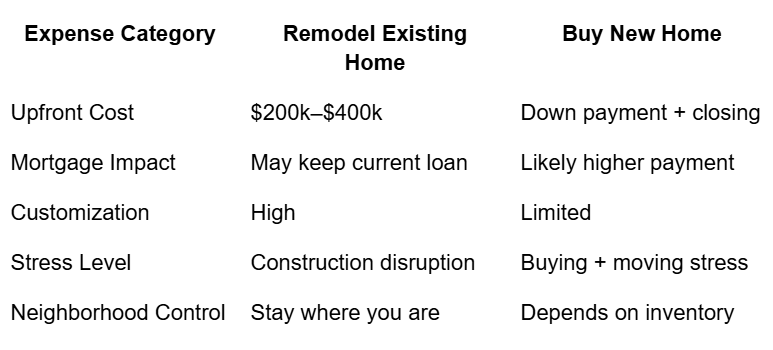
For many owners, remodeling offers more control and lower long-term disruption.

How to Increase ROI on a Whole House Remodel

Prioritize These First:

1. Kitchen functionality

2. Bathroom modernization

3. Flooring consistency

4. Energy upgrades

5. Lighting design

6. Storage additions

7. Exterior curb appeal

Avoid These ROI Killers:

  • Ultra-luxury finishes in modest neighborhoods
  • Highly personal design choices
  • Poor workmanship
  • DIY structural work
  • Ignoring moisture problems

Around the planning stage, many homeowners consult firms such as Greater Seattle Remodeling to evaluate what upgrades produce the best return for their neighborhood and budget.

Smart Budgeting for a Seattle Whole House Remodel

Experts often recommend these allowances:

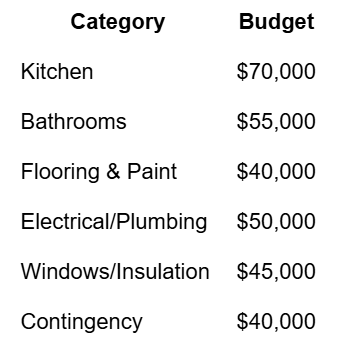
  • 10%–15% contingency for hidden issues
  • Separate design budget
  • Permit budget
  • Temporary housing if needed
  • Material escalation buffer

Example $300,000 Budget Split:
Questions to Ask Before Starting

Ask Yourself:

  • Will I stay at least 5–7 years?
  • Is my location hard to replace?
  • What frustrates me most about the house?
  • Would smaller phased remodels solve the issue?
  • What is my realistic all-in budget?

If you answer clearly, the remodel decision becomes easier.

Final Verdict: Whole House Remodel Seattle Cost vs Value

For many homeowners, whole house remodel Seattle cost vs value trends favor remodeling when the home sits in a desirable neighborhood and needs modernization. Seattle land values remain strong, while moving can be expensive and uncertain. If your structure is solid, a strategic remodel can improve daily life, raise efficiency, and strengthen resale appeal.

The best results come from matching the budget to neighborhood values, solving functional problems first, and using experienced professionals who understand Seattle permits, older homes, and Pacific Northwest moisture conditions.

FAQ Section

1. How much does a whole house remodel cost in Seattle?

Most Seattle whole house remodels range from $180,000 to $400,000 for mid-range projects. Major luxury or structural remodels can exceed $600,000 depending on square footage, finishes, and engineering needs.

2. Is remodeling cheaper than buying a new house in Seattle?

Often yes. Many homeowners avoid higher mortgage rates, moving expenses, and bidding competition by remodeling instead of buying another property in the same area.

3. How long does a whole house remodel take?

Most full remodels take 4 to 10 months depending on design complexity, permits, inspections, and material lead times. Large structural projects may take longer.

4. What adds the most value during a remodel?

Kitchens, bathrooms, efficient layouts, energy upgrades, flooring, and curb appeal usually deliver the strongest value in Seattle’s market.

5. Should I remodel an older Seattle home?

Yes, if the structure is sound and the location is strong. Older Seattle homes often gain major value from updated systems, insulation, moisture protection, and modern layouts.
Low-Maintenance Fencing: Why Washington Homeowners Are Switching to Vinyl

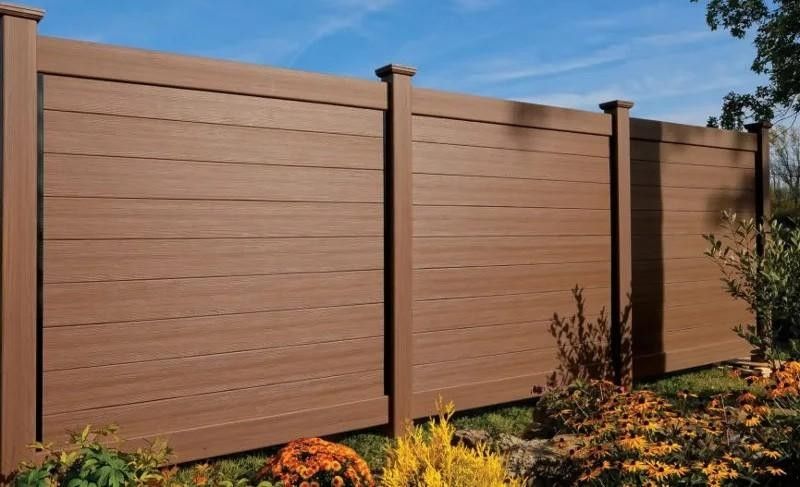
If you are researching a low maintenance fence Washington homeowners vinyl solution, you are likely trying to reduce ongoing upkeep while still getting privacy, durability, and clean curb appeal. Vinyl fencing has become one of the fastest-growing choices across Washington State because it eliminates painting, resanding, and rot repairs that are common with traditional wood fencing.

In a region like Washington—where heavy rain, moss growth, and long damp seasons are the norm—homeowners are increasingly looking for fencing that can withstand moisture without constant maintenance. Vinyl fencing offers a practical answer: long lifespan, weather resistance, and minimal upkeep beyond occasional cleaning.

This guide explains why vinyl fencing is replacing wood in many Seattle-area homes, how it performs in Pacific Northwest weather, real cost comparisons, and whether it is the right long-term investment for your property.

Why Washington Homeowners Are Choosing Low Maintenance Vinyl Fencing

Washington’s climate is the biggest driver behind the vinyl fencing trend. Constant rainfall, wet soil conditions, and moss growth make traditional wood fences high maintenance.

Homeowners typically switch to vinyl because:

  • No painting or staining required
  • Resistant to rot and insect damage
  • Easy to clean with water
  • Performs well in wet climates
  • Long-term cost savings
  • Consistent appearance over time

Unlike wood, vinyl does not absorb moisture, which helps prevent warping, cracking, and decay.

Low Maintenance Fence Washington Homeowners Vinyl Performance in Wet Climate

Vinyl Fencing in Washington State Handles Rain Better Than Wood

In the Pacific Northwest, fences are exposed to months of continuous moisture. Vinyl performs well because it is non-porous and does not absorb water.

Key Climate Advantages:

  • No swelling or shrinking during seasonal changes
  • Resistant to mold and mildew buildup
  • Does not require sealing or staining
  • Holds color longer under UV exposure

This makes it especially popular in Seattle, Bellevue, Tacoma, and coastal regions where rainfall is consistent for much of the year.

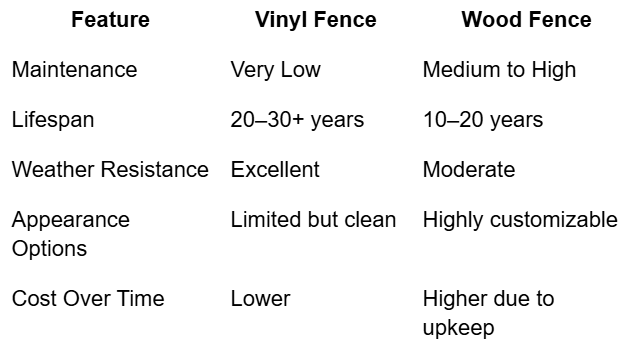
How Vinyl Fencing Compares to Wood Fencing

Low Maintenance Fence Washington Homeowners Vinyl Options Reduce Long-Term Costs

While vinyl fencing may cost more upfront than basic wood, it often becomes cheaper over time because it removes recurring maintenance expenses like:

  • Staining every 2–3 years
  • Board replacements
  • Rot repairs
  • Pest treatment

Types of Vinyl Fencing Popular in Washington

1. Vinyl Privacy Fencing

Full-privacy panels are the most common option for residential properties.

Benefits:

  • Complete visual privacy
  • Strong wind resistance when installed correctly
  • Clean, modern appearance

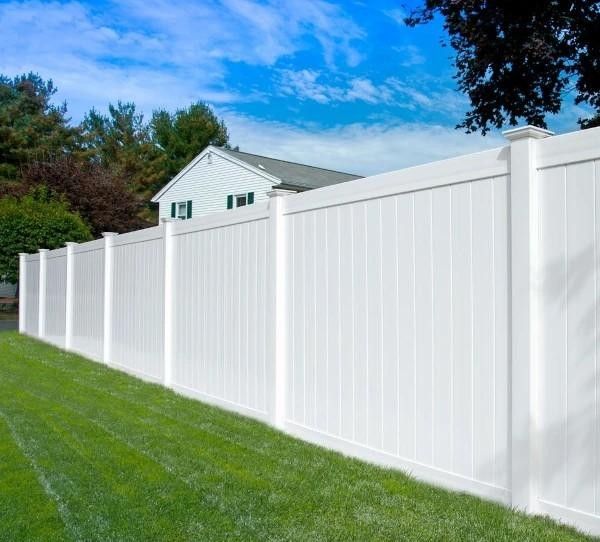
Many homeowners choose vinyl privacy fence Washington State installations for backyard privacy, especially in suburban neighborhoods.

2. Semi-Privacy Vinyl Fencing

Includes small spacing between panels for airflow and light.

Best For:

  • Gardens
  • Side yards
  • HOA communities

3. Ranch Rail Vinyl Fencing

Often used for larger properties or decorative boundaries.

Best For:

  • Acreage homes
  • Rural properties
  • Landscaping borders

Vinyl Fence Durability in Washington Winters

Vinyl fencing performs well in cold, wet winters when properly installed.

Key Strengths:

  • Flexible in temperature changes
  • Resistant to freeze-thaw cracking
  • Does not rot in saturated soil
  • Holds structural integrity under wind load

Important Contractor Insight

Installation quality matters more than material alone. Poorly set posts or shallow footings can still cause failure, even with vinyl systems.

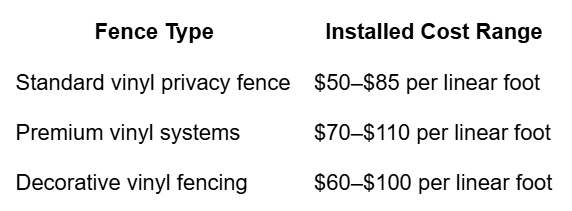
Cost of Vinyl Fencing in Washington State

Pricing varies depending on height, style, and installation complexity.

Seattle and Bellevue labor costs are typically higher than rural Washington markets. Pricing should always be verified with local contractors.

Maintenance Requirements: Why Vinyl Wins Long-Term

Vinyl fencing is often considered “install and forget” compared to wood.

Basic Maintenance Includes:

  • Occasional hose wash
  • Mild soap cleaning if needed
  • Checking for storm debris
  • Inspecting gate hardware annually

There is no need for sanding, painting, sealing, or pest treatment.

Environmental Considerations

Vinyl fencing is made from PVC, which has a longer lifecycle than many wood products.

Environmental Pros:

  • Long lifespan reduces replacement frequency
  • No chemical stains or sealants required
  • Recyclable in some manufacturing systems

Environmental Tradeoff:

  • Manufactured material vs natural wood
  • Production footprint higher than cedar initially

However, long-term durability often offsets replacement waste.

Installation Considerations in Washington State

Proper installation is essential for vinyl fencing success in wet climates.

Key Factors:

  • Deep post footings for wind resistance
  • Gravel base for drainage
  • Proper spacing for thermal expansion
  • Avoiding water pooling around posts

Local contractors familiar with soil conditions in Seattle, Tacoma, and surrounding regions typically achieve better long-term results.

Common Mistakes Homeowners Make with Vinyl Fencing

Avoid these issues:

  1. Choosing lowest-grade vinyl panels
  2. Skipping drainage planning
  3. Installing shallow posts
  4. Ignoring wind exposure areas
  5. Mixing incompatible fence systems
  6. Poor gate alignment setup

Even low-maintenance materials still require proper engineering.

Why Vinyl Is Replacing Wood in Washington Neighborhoods

Homeowners are shifting because vinyl solves real regional problems:

  • Constant rain damage to wood
  • High maintenance costs over time
  • Frequent repainting requirements
  • Rot and insect issues in damp soil

For many families, upgrading once to vinyl eliminates years of upkeep.

When Vinyl May Not Be the Best Option

Vinyl is not ideal for every situation.

Avoid vinyl if:

  • You want highly natural wood aesthetics
  • You are in a very high-impact commercial zone
  • You prefer easy panel customization onsite
  • You need ultra-heavy-duty industrial fencing

In those cases, hybrid or steel systems may perform better.

Contractor Insight: Long-Term Value in Washington Homes

In real field conditions across Seattle and surrounding areas, vinyl fences often outperform wood in maintenance cost efficiency over 10–15 years.

Many homeowners report:

  • Lower repair frequency
  • More consistent curb appeal
  • Fewer weather-related issues

Local fencing specialists such as Rare Bears Fencing often recommend vinyl for homeowners prioritizing long-term simplicity and weather resistance.

Conclusion

Choosing a low maintenance fence Washington homeowners vinyl solution is increasingly practical in Washington’s wet, high-moisture climate. Vinyl fencing eliminates common wood issues like rot, staining, and warping while offering strong durability and consistent appearance year after year. While upfront costs may be higher, long-term savings and reduced maintenance make vinyl one of the most reliable fencing choices for modern Washington homes.

FAQ Section

1. How long does a vinyl fence last in Washington State?

A properly installed vinyl fence can last 20–30 years depending on quality, installation depth, and exposure to wind and weather conditions.

2. Does vinyl fencing crack in cold Washington winters?

High-quality vinyl is designed to withstand freeze-thaw cycles. However, low-grade materials or poor installation can increase cracking risk.

3. Is vinyl fencing cheaper than wood over time?

Yes. While upfront costs may be higher, vinyl fencing eliminates staining, sealing, and repair costs, making it more cost-effective long-term.

4. Can vinyl fences handle heavy rain and moss?

Yes. Vinyl does not absorb water and resists moss growth, making it ideal for Washington’s damp climate.

5. Is vinyl fencing a good choice for privacy?

Yes. Vinyl privacy panels provide full visual blockage and are commonly used in suburban Washington neighborhoods for backyard privacy.

Modern vs Traditional Kitchens: What Bothell Homeowners Prefer (Kitchen Remodeling Bothell WA Guide)

Introduction: Kitchen Style Decisions in Bothell Homes

When planning a kitchen remodeling Bothell WA project, one of the first and most impactful decisions homeowners face is choosing between a modern or traditional kitchen design. In Bothell and surrounding Bothell-area suburbs, this decision is influenced by lifestyle, home architecture, resale expectations, and the Pacific Northwest’s practical design preferences.

Modern kitchens focus on clean lines, minimalism, and efficiency. Traditional kitchens lean toward warmth, detailed craftsmanship, and timeless character. Both styles perform well in Washington homes, but they appeal to different buyer profiles and daily living needs.

In Bothell specifically, where many homes were built between the 1990s and early 2010s, homeowners often remodel to either modernize outdated layouts or restore classic warmth with updated materials. The key question is not just style—but function, resale value, and long-term comfort.

This guide breaks down what each style offers, how they perform in Washington homes, and what local homeowners actually prefer based on real remodeling trends.

What Defines Modern vs Traditional Kitchens in Bothell Homes?

Before choosing a style for your kitchen remodeling Bothell WA project, it’s important to understand the core differences.

Modern Kitchens

Modern kitchens prioritize:

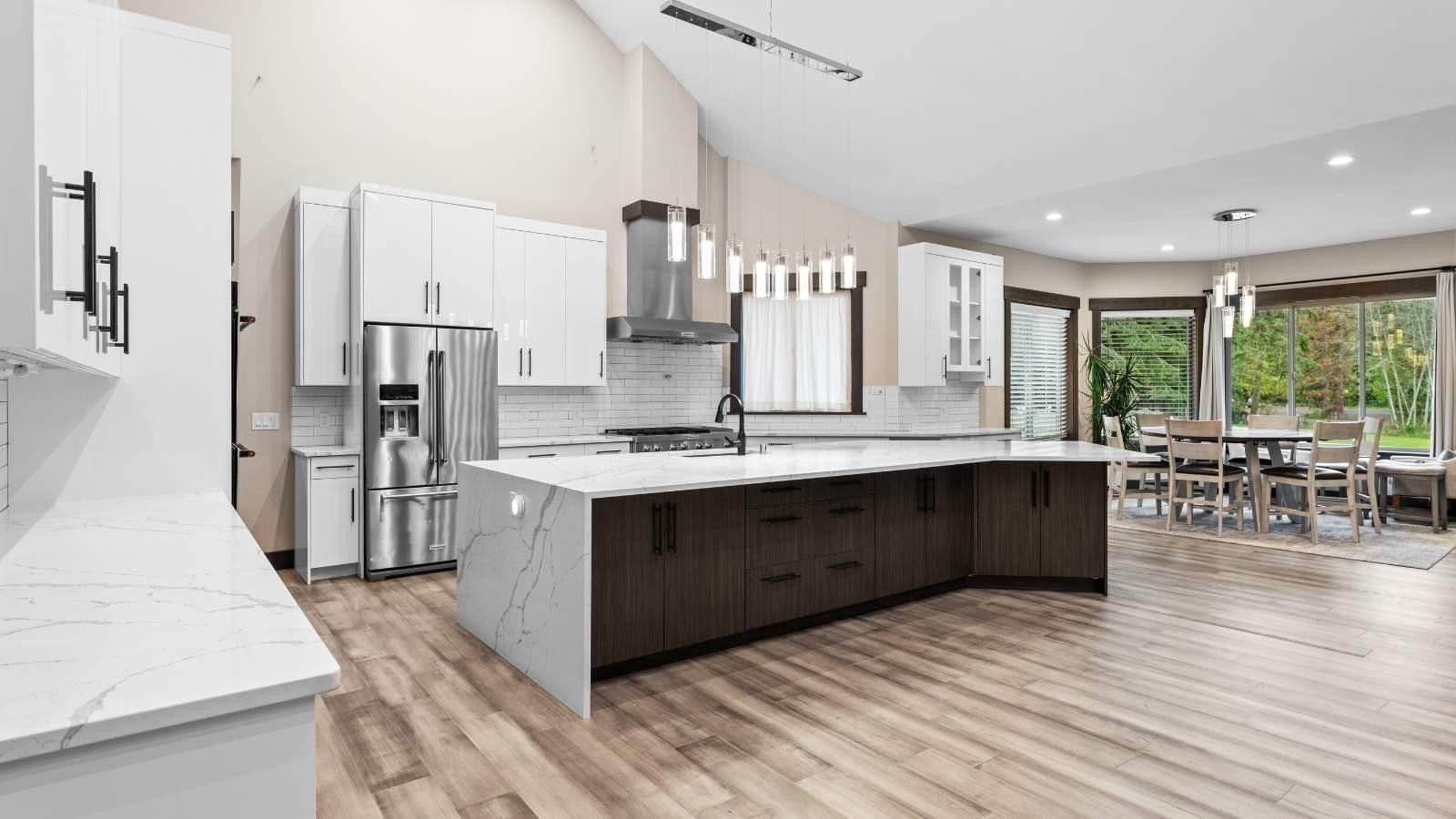
  • Flat-panel cabinetry
  • Open layouts
  • Minimal hardware
  • Neutral color palettes (white, gray, black)
  • Quartz or engineered stone countertops
  • Smart appliances

Traditional Kitchens

Traditional kitchens focus on:

  • Raised-panel or shaker cabinets
  • Decorative molding
  • Warm wood tones
  • Natural stone countertops
  • Classic fixtures (brushed nickel, bronze)
  • Defined cooking and dining zones

Key design difference

  • Modern = efficiency + simplicity
  • Traditional = warmth + detail

Both styles can be adapted to Washington homes, but material selection is critical due to humidity and seasonal moisture changes.

Bothell Kitchen Remodeling Trends: What Homeowners Actually Prefer

In Bothell, design preferences are not strictly modern or traditional—most homeowners choose a hybrid approach.

Current trends in Bothell-area remodels:

  • 55% modern transitional kitchens
  • 30% modern minimalist kitchens
  • 15% traditional kitchens

Why hybrid designs dominate Bothell

Homeowners prefer:

  • Clean modern layouts with warm accents
  • Wood-tone islands in otherwise modern kitchens
  • Matte finishes instead of high gloss
  • Durable quartz countertops over natural marble

At this stage of planning, many homeowners consult Bothell kitchen remodeling experts to evaluate how layout changes, lighting design, and cabinetry choices affect both resale value and everyday functionality.

Cost Comparison: Modern vs Traditional Kitchens in Washington State

Understanding cost is essential when evaluating kitchen remodeling Bothell WA options.

Modern Kitchen Costs

  • Average range: $35,000 – $90,000+
  • Higher investment in:
    • Custom cabinetry
    • Integrated appliances
    • Smart kitchen systems

Traditional Kitchen Costs

  • Average range: $30,000 – $85,000+
  • Higher investment in:
    • Detailed millwork
    • Decorative finishes
    • Natural materials

Cost influencing factors in Washington:

  • Labor rates in Bothell metro area
  • Moisture-resistant material requirements
  • Permitting and inspection costs
  • Structural modifications in older homes

ROI insight

  • Modern kitchens tend to attract younger buyers in tech-heavy Bothell suburbs
  • Traditional kitchens appeal to long-term homeowners and resale stability buyers

Many homeowners planning full remodels coordinate design decisions with Solid Kitchen & Bath early in the process to balance aesthetic goals with structural feasibility and budget efficiency.

Material Choices That Perform Best in Washington Climate

Washington’s damp climate plays a major role in kitchen remodeling decisions.

Best-performing materials:

Countertops

  • Quartz (best moisture resistance)
  • Granite (durable but requires sealing)
  • Avoid porous marble in high-use kitchens

Cabinetry

  • Marine-grade plywood cores
  • Thermofoil or sealed wood finishes
  • Soft-close hardware to prevent humidity warping

Flooring

  • Luxury vinyl plank (LVP)
  • Porcelain tile
  • Engineered hardwood (sealed properly)

Why material selection matters in Bothell

Bothell receives consistent rainfall and humidity, meaning poorly sealed materials can:

  • Warp over time
  • Develop mold in cabinetry
  • Require early replacement

Functionality Differences: Modern vs Traditional Kitchens

Modern Kitchen Functionality

  • Open-concept layouts
  • Integrated storage systems
  • Efficient workflow triangles
  • Built-in appliances

Traditional Kitchen Functionality

  • Defined cooking zones
  • Separate dining spaces
  • More cabinetry but less openness
  • Easier for multi-cook households

Which works better in Bothell homes?

  • Open modern layouts are preferred in newer homes
  • Traditional layouts still dominate older craftsman-style houses in Bothell suburbs

What Adds More Resale Value in Bothell WA Market?

In the kitchen remodeling Bothell WA market, resale value depends heavily on buyer demographics.

Modern kitchens increase value when:

  • Home is in tech-driven neighborhoods (Bellevue, Redmond, Bothell)
  • Open layouts improve natural light
  • Smart appliances are included

Traditional kitchens increase value when:

  • Home is in heritage or craftsman-style areas
  • Buyers prefer character-rich finishes
  • Neighborhood has older architectural identity

Design Decision Guide: Choosing the Right Kitchen Style

Choose Modern Kitchen if:

  • You prefer minimal maintenance
  • You want open space living
  • You plan to sell within 5–10 years

Choose Traditional Kitchen if:

  • You value craftsmanship and detail
  • Your home has classic architecture
  • You prefer warm, cozy interiors

Choose Transitional (Best Option in Bothell) if:

  • You want balance between resale + lifestyle
  • You prefer flexibility in design trends
  • You want long-term design relevance

Conclusion: What Bothell Homeowners Really Choose

When evaluating kitchen remodeling Bothell WA projects, most Bothell homeowners are not strictly choosing between modern and traditional kitchens—they are blending both. The most successful remodels in Washington combine modern efficiency with traditional warmth to suit both lifestyle needs and resale expectations.

In a competitive housing market like Bothell’s suburbs, the best kitchen design is the one that balances durability, climate-appropriate materials, and long-term property value.

FAQ: Modern vs Traditional Kitchens in Bothell

1. What kitchen style is most popular in Bothell, Washington?

Transitional kitchens combining modern and traditional elements are the most popular in Bothell. Homeowners prefer clean layouts with warm finishes, offering a balance between resale value and livability in Bothell-area housing markets.

2. How much does a kitchen remodel cost in Bothell WA?

A typical kitchen remodeling Bothell WA project costs between $30,000 and $90,000 depending on size, materials, and customization. High-end remodels with smart appliances or custom cabinetry can exceed $100,000 in the Bothell metro area.

3. Are modern kitchens better for resale value?

Modern kitchens often attract younger buyers and perform well in tech-driven markets like Bothell and Bellevue. However, traditional kitchens can also add value in older or craftsman-style homes depending on buyer preference.

4. What kitchen materials work best in Washington’s climate?

Quartz countertops, sealed cabinetry, and LVP flooring perform best due to Washington’s moisture-heavy climate. These materials resist warping, mold growth, and humidity-related damage common in the Pacific Northwest.

5. Do I need permits for kitchen remodeling in Bothell WA?

Yes. Most kitchen remodeling Bothell WA projects require permits, especially when plumbing, electrical, or structural changes are involved. Bothell building codes ensure safety, energy efficiency, and proper inspection compliance.

Best Interior Paint Finishes for High-Humidity Areas in Washington Homes

If you are searching for the best paint finish humidity Seattle homes can handle, you are likely dealing with common moisture issues like bathroom condensation, kitchen steam, or basement dampness. In Washington State, especially in Seattle and surrounding areas, high humidity and limited sunlight create the perfect conditions for paint failure—peeling, bubbling, and even mold growth.

The right interior paint finish is not just about appearance. It directly impacts how well your walls resist moisture, how easy they are to clean, and how long your interior paint job lasts. Homes in Seattle, Tacoma, and coastal Washington need finishes that perform well under constant humidity changes caused by rain-heavy months and indoor heating cycles.

This guide breaks down the best paint finishes for high-humidity areas, where to use them, and how professional application ensures long-term durability in Washington homes.

Why Paint Finish Matters in Humid Seattle Homes

The best paint finish humidity Seattle homeowners choose can significantly impact wall performance in moisture-prone areas. Unlike dry climates, Washington homes deal with continuous humidity exposure from rain, condensation, and limited ventilation.

Key moisture challenges in Seattle homes:

  • Long wet seasons increase indoor humidity levels
  • Bathrooms and kitchens trap steam daily
  • Basements often have reduced airflow
  • Older homes may lack modern vapor barriers

Why finish type matters:

  • Controls moisture absorption
  • Affects mold resistance
  • Determines cleanability and durability
  • Impacts long-term maintenance costs

In humid environments, paint failure is rarely caused by color choice—it is almost always related to incorrect finish selection.

Best Interior Paint Finishes for High-Humidity Areas

Choosing the correct finish depends on where it is applied inside the home.

1. Satin Finish (Best Overall for Humidity)

  • Light sheen with moisture resistance
  • Easy to clean without damaging surface
  • Ideal for kitchens, hallways, and bathrooms
  • Balanced durability and appearance

2. Semi-Gloss Finish (Highest Moisture Resistance)

  • Strong water resistance
  • Excellent for bathrooms and trim areas
  • Reflects light, making small spaces brighter
  • Very easy to wipe clean

3. Eggshell Finish (Moderate Humidity Areas)

  • Soft appearance with slight sheen
  • Suitable for living rooms with mild moisture exposure
  • Less resistant than satin or semi-gloss

4. Matte Finish (Not Recommended for Wet Areas)

  • Absorbs moisture easily
  • Hard to clean once stained
  • Best for dry bedrooms only

Professional Insight: Choosing the Right Finish for Each Room

In Seattle homes, selecting finishes by room is essential for long-term durability.

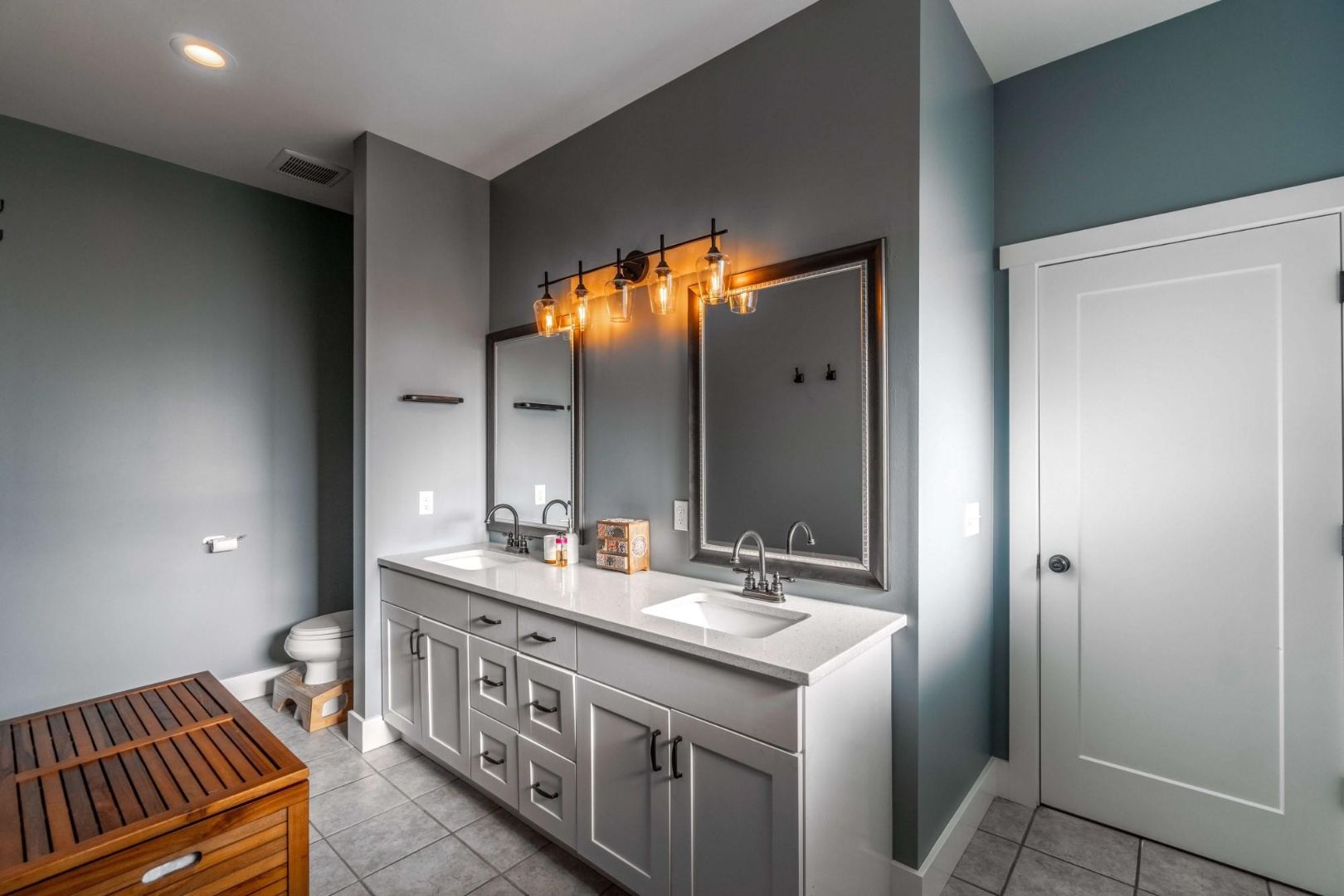
  • Bathrooms → Semi-gloss or high-quality satin
  • Kitchens → Satin or washable semi-gloss
  • Basements → Satin with mold-resistant coating
  • Bedrooms → Eggshell or matte (low humidity zones)

For homeowners unsure about product selection, consulting interior painting experts Seattle ensures the right combination of paint chemistry, finish type, and application method for Washington’s climate conditions.

A professional assessment often prevents early repainting costs caused by moisture-related failures, especially in older homes where ventilation systems are outdated.

How Washington’s Climate Impacts Interior Paint Performance

Washington State has a unique climate pattern that directly affects interior finishes. Unlike dry regions, Seattle homes rarely experience long dry seasons.

Climate-related stress factors:

  • Average humidity often exceeds 70% in winter months
  • Frequent rain increases indoor moisture retention
  • Temperature fluctuations cause paint expansion and contraction
  • Coastal air carries additional moisture in western regions

Resulting paint issues:

  • Peeling near ceilings and bathrooms
  • Mold spots behind furniture and corners
  • Bubbling on poorly ventilated walls
  • Premature fading in moisture-heavy rooms

This is why selecting the best paint finish humidity Seattle conditions demand is critical for long-term interior protection.

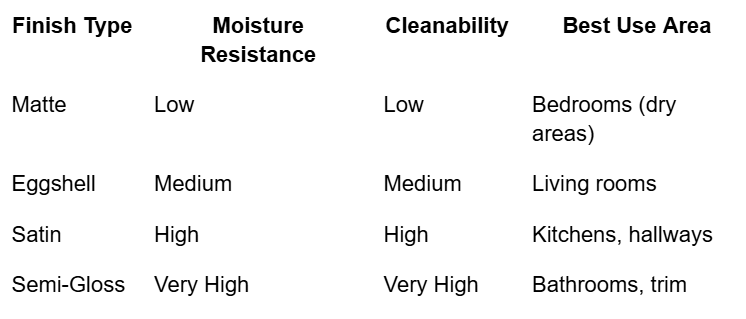
Comparing Interior Paint Finishes for Humid Conditions

This comparison shows why satin and semi-gloss dominate in Seattle homes where moisture exposure is constant.

Best Application Practices for Humid Washington Homes

Even the best paint finish fails without proper preparation and application.

Professional painting process includes:

1. Moisture and surface inspection

2. Mold and mildew treatment if needed

3. Wall sanding and priming

4. Application of moisture-resistant primer

5. Two-coat finish system for durability

In Seattle, skipping prep work is the most common cause of premature paint failure.

When to Repaint High-Humidity Interior Areas

Seattle homeowners should watch for early warning signs of paint breakdown.

Signs you need repainting:

  • Paint bubbling or peeling near ceilings
  • Dark spots or mold growth
  • Chalky or powdery wall texture
  • Persistent damp smell in rooms

Interior repaint cycles in Seattle typically range from 5–7 years, but bathrooms and kitchens may require attention sooner due to constant humidity exposure.

Professional vs DIY Interior Painting in Humid Areas

Humidity-sensitive painting requires more than basic DIY skills.

DIY limitations:

  • Incorrect primer selection
  • Poor moisture sealing
  • Uneven finish application
  • Lack of mold-resistant coatings

Hiring professionals ensures correct material selection and application. Many homeowners rely on HELLO Painting for climate-appropriate solutions designed specifically for Washington’s moisture-heavy environment.

Cost of Interior Painting in Seattle (Humidity-Specific Projects)

Interior painting costs vary based on moisture conditions and finish quality.

Average Seattle pricing:

  • Standard room: $500 – $1,200
  • Bathroom (humidity-resistant coatings): $700 – $1,500
  • Full interior home: $3,000 – $8,000+

Cost factors:

  • Moisture damage repair before painting
  • Mold treatment requirements
  • Paint quality and finish type
  • Number of coats required

Higher upfront investment in quality finishes reduces long-term repainting costs.

Expert Recommendation for Seattle Homes

From a contractor’s perspective, satin and semi-gloss finishes consistently perform best in Washington’s humid climate. Homes with poor ventilation or older construction benefit the most from moisture-resistant coatings and professional application techniques.

For homeowners wanting long-term durability and cleaner interiors, working with experienced professionals ensures correct product selection and application tailored to local conditions.

Conclusion

Selecting the best paint finish humidity Seattle homes require is one of the most important decisions for maintaining interior durability in Washington’s moisture-heavy climate. Satin and semi-gloss finishes consistently outperform other options in kitchens, bathrooms, and basements due to their resistance to moisture and ease of cleaning.

With Seattle’s constant humidity, rain exposure, and limited dry seasons, using the right finish is not optional—it is essential for protecting your home’s interior surfaces and reducing long-term maintenance costs. Professional guidance ensures your paint system is built to withstand real Pacific Northwest conditions.

FAQ Section

1. What is the best paint finish for humid Seattle bathrooms?

Semi-gloss is the best choice for bathrooms in Seattle because it resists moisture, prevents mold growth, and is easy to clean. Satin is also a strong option for a softer appearance with good durability.

2. Why does paint peel in Seattle homes?

Paint peeling usually happens due to trapped moisture, poor ventilation, or incorrect finish selection. In Seattle’s humid climate, low-quality or flat finishes are more likely to fail quickly.

3. Is satin or semi-gloss better for kitchens?

Satin is preferred for most kitchens because it balances durability and appearance, while semi-gloss is better for high-splash areas like backsplashes or cabinetry.

4. How often should I repaint humid areas in my home?

Bathrooms and kitchens typically need repainting every 4–6 years in Seattle due to constant moisture exposure. Proper preparation and quality paint can extend this lifespan.

5. Do I need professionals for humid-area painting?

Yes. Professionals understand moisture barriers, mold-resistant primers, and proper finish selection, ensuring longer-lasting results in Seattle’s damp environment.

Vinyl Fence Styles That Look Great on Pacific Northwest Properties

The best vinyl fence styles Pacific Northwest homes use combine moisture resistance, clean design, and long-term curb appeal. In Washington State, homeowners often choose vinyl because it handles rain better than many wood options, does not need staining, and stays attractive with simple cleaning. Whether you own a modern Bellevue property, a craftsman home in Seattle, or a suburban lot in Tacoma, the right vinyl fence style can improve privacy, define your yard, and increase resale appeal.

Not every fence style fits every property. Some homeowners need full privacy. Others want decorative boundaries that preserve views. The Pacific Northwest also has unique conditions like moss, wet winters, and varying neighborhood aesthetics. This guide explains five vinyl fence styles that perform well in Washington climates and look great year-round.

Why Vinyl Fencing Works Well in the Pacific Northwest

Vinyl fencing is a popular upgrade because Washington weather can be tough on traditional fencing materials. Constant moisture may cause wood to swell, crack, or rot over time. Vinyl fencing avoids many of those issues.

Benefits include:

  • Resistant to rain and moisture damage
  • No painting or staining required
  • Easy to wash with soap and water
  • Available in many colors and textures
  • Long lifespan with minimal upkeep
  • Clean appearance for modern and traditional homes

Many homeowners compare vinyl vs cedar fencing and choose vinyl for lower maintenance over the long term.

1. Full Privacy Panels for Backyard Retreats

Full privacy fencing is one of the most requested vinyl fence styles Pacific Northwest homes install. These fences use solid interlocking panels with no gaps between pickets, creating a quiet and secluded outdoor space.

Best For:

  • Backyards near neighbors
  • Corner lots
  • Homes near busy roads
  • Families with children or pets
  • Hot tub or patio screening

Why It Works in Washington

Privacy fences are especially useful in growing cities like Bellevue, Redmond, and Seattle where homes are often closer together than older suburban neighborhoods.

For homeowners comparing design options, vinyl privacy fence installation Bellevue projects often feature six-foot white or tan panels with reinforced posts for added wind resistance.

Design Tip

Choose tan, clay, or gray vinyl instead of bright white if you want a softer look that blends with Northwest landscaping.

2. Semi-Privacy Vinyl Fences for Light and Airflow

Semi-privacy fencing gives you separation without fully closing off the yard. These styles include narrow gaps between pickets or decorative top sections that allow airflow and filtered light.

Best For:

  • Side yards
  • Garden spaces
  • Smaller backyards
  • Homes with scenic surroundings

Why It Works in the Pacific Northwest

Because the region often has cloudy weather, many homeowners prefer fences that let in more natural light. Semi-privacy styles help keep outdoor spaces brighter.

Popular Looks

  • Vertical pickets with 1-inch spacing
  • Lattice-top panels
  • Shadowbox-style vinyl fencing
  • Decorative cap rail designs

These styles are common in neighborhoods where homeowners want privacy without a boxed-in feel.

3. Modern Horizontal Vinyl Fences

Horizontal fencing has become increasingly popular in Bellevue, Kirkland, Issaquah, and newer developments throughout Washington. Instead of vertical pickets, the rails run horizontally for a sleek, architectural look.

Modern Vinyl Fence Styles Pacific Northwest Homes Prefer

Horizontal vinyl fencing pairs well with:

  • Contemporary homes
  • Remodels with minimalist landscaping
  • Black window trim exteriors
  • Composite decks and patios

Why It Stands Out

This style creates clean lines and can make a yard appear wider. Many homeowners use darker tones like gray, driftwood, or mixed-color panels for a premium appearance.

If you are comparing installers for custom layouts, a trusted fence company Bellevue WA can explain post spacing, grade adjustments, and product availability for horizontal vinyl systems.

Practical Note

Choose reinforced rails for wind-prone open lots. Horizontal designs should be installed precisely to prevent sagging over time.

4. Picket-Style Vinyl Fences for Front Yard Charm

Vinyl picket fencing offers classic curb appeal with lower maintenance than painted wood. It is a strong choice for front yards, cottage homes, and traditional neighborhoods.

Best For:

  • Craftsman homes
  • Cape Cod style homes
  • Front garden borders
  • Decorative pet containment

Why Washington Homeowners Like It

Many Seattle and Tacoma neighborhoods feature character homes where picket fencing feels natural. Vinyl keeps the look but removes the constant scraping and repainting that wood pickets often require.

Popular Heights

5. Ranch Rail Vinyl Fences for Large Properties

Ranch rail fences use two to four horizontal rails and are ideal for larger lots, acreages, or homes with open landscaping.

Best For:

  • Rural properties
  • Long driveways
  • Estate homes
  • Decorative perimeter fencing

Why It Works in Washington

This style is common in Snohomish County, eastern Washington, and semi-rural communities where homeowners want boundaries without blocking views.

Added Advantage

Vinyl ranch rail fencing gives the open look of wood split rail without splinters, rot, or repainting.

How to Choose the Right Vinyl Fence Style

Selecting the best style depends on your lot, privacy goals, and neighborhood setting.

Ask These Questions:

  1. Do I need full privacy or decorative boundaries?
  2. Is my yard exposed to wind?
  3. Do I want a modern or classic look?
  4. Will HOA rules affect height or color?
  5. Am I preserving a view?
  6. Do I need pet safety?

Washington-Specific Considerations

Some cities may require permits or setback compliance depending on height and placement. Corner lots often have visibility rules near streets. Always verify local requirements before installation.

Typical Vinyl Fence Costs in Washington State

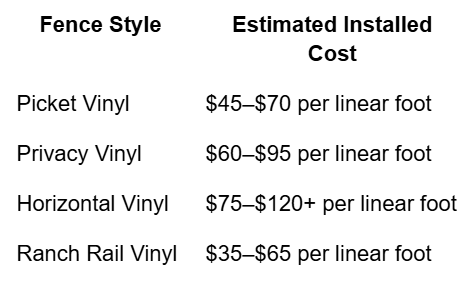
Costs vary by city, terrain, access, and style. General installed ranges:

Seattle and Bellevue pricing may run higher due to labor demand. Publishers should verify current local pricing.

Maintenance Tips for Pacific Northwest Vinyl Fences

Vinyl fencing is low maintenance, not zero maintenance. To keep it looking sharp:

  • Wash once or twice yearly
  • Remove moss early with soft brush and mild cleaner
  • Rinse sprinkler residue
  • Check gates and hinges annually
  • Keep weed trimmers away from posts
  • Inspect after windstorms

Avoid abrasive pads or harsh solvents that can dull the finish.

Which Vinyl Fence Color Looks Best in Washington?

Popular Pacific Northwest choices include:

  • White for timeless curb appeal
  • Tan for warmer landscaping tones
  • Gray for modern homes
  • Woodgrain-look vinyl for natural style
  • Black accents for contemporary properties

Gray and tan often hide dirt better during rainy months than bright white.

Conclusion

The most popular vinyl fence styles Pacific Northwest homes choose balance weather resistance, privacy, and curb appeal. Full privacy panels work well for suburban backyards, semi-privacy designs keep spaces brighter, horizontal fencing adds modern style, picket fences enhance classic homes, and ranch rail options suit larger lots. With Washington’s wet climate, vinyl remains one of the smartest low-maintenance fencing investments for homeowners who want lasting beauty without constant upkeep.

FAQ Section

1. What is the best vinyl fence style for privacy in Washington?

Full privacy panel fencing is usually the top choice. It blocks sightlines, reduces noise, and performs well in suburban neighborhoods where homes are close together.

2. Does vinyl fencing hold up in heavy rain?

Yes. Quality vinyl fencing resists moisture, rot, and insect damage, making it a strong option for rainy Pacific Northwest climates.

3. Is vinyl fencing cheaper than wood fencing?

Initial installation can be higher than some wood fences, but long-term maintenance costs are usually lower because vinyl does not need staining or repainting.

4. Can vinyl fences handle windstorms?

Yes, when installed correctly with reinforced posts and proper spacing. Wind exposure should be considered during design and installation.

5. What vinyl fence color is easiest to maintain?

Tan, gray, and mid-tone colors often hide dirt and splash marks better than bright white, especially during wet seasons.

Critical Financing Inc Brandon Garcia on How Lending Models Are Evolving Beyond Traditional Credit Metrics

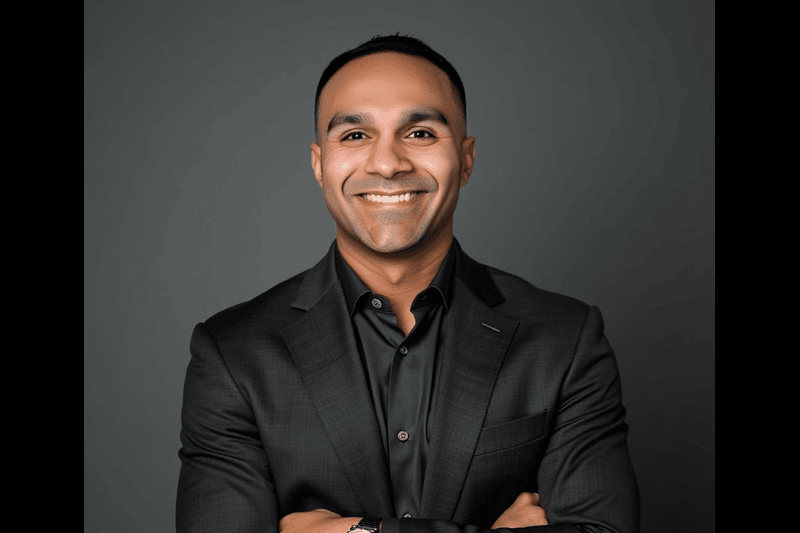
Brandon Garcia, CEO of Critical Financing Inc, is drawing attention to a fundamental shift reshaping the business lending landscape. As alternative underwriting models gain traction across the industry, Garcia and his team are helping businesses understand and access financing solutions that better reflect real-world operational performance.

“Lending is no longer based solely on credit scores,” said Garcia. “We’re seeing a shift toward evaluating real-time business performance, cash flow consistency, and overall financial behavior.” This evolution reflects a broader industry move away from rigid, history-based metrics toward a more comprehensive view of a company’s financial health.

Expanding Underwriting Beyond Credit Scores

Traditional lending has long relied on credit scores as the primary indicator of risk. While useful, this single metric often fails to capture a business’s true financial trajectory, particularly for companies with cyclical revenues, unconventional structures, or limited credit histories.

Critical Financing Inc is highlighting how alternative metrics are enabling more flexible and accurate loan structures. Lenders are now incorporating revenue trends, customer retention rates, payment histories with suppliers, and subscription revenue consistency into their underwriting process. By analyzing behavioral and transactional patterns rather than static numbers, lenders can more accurately anticipate repayment capacity and extend capital to businesses that would previously have been overlooked.

This approach also lowers barriers for emerging businesses that demonstrate strong potential but lack the lengthy credit histories required under conventional models.

Real-Time Financial Monitoring as a Lending Tool

Technology is playing a central role in this transformation. Lenders are now integrating accounting software, banking feeds, and point-of-sale data to continuously evaluate business health rather than relying on periodic manual reporting. This real-time monitoring allows for faster approvals, proactive risk management, and loan structures that adjust to actual performance.

According to Critical Financing Inc, this transparency benefits both sides of the lending relationship. Businesses can showcase consistent cash flow trends and operational improvements that would not appear on a traditional credit report. In return, lenders are able to offer more competitive interest rates and repayment schedules tailored to a company’s current financial reality. The result is a more collaborative and responsive lending ecosystem.

Alternative Products Built for Diverse Business Needs

Beyond conventional loans, the alternative lending space now includes a wide range of products designed for different business models and growth stages. Revenue-based financing, merchant cash advances, and short-term installment loans provide options for companies that do not fit standard lending criteria. These structures typically consider metrics like monthly sales volume or invoice turnover, making them accessible to a broader range of businesses.

Critical Financing Inc notes that combining multiple financing solutions can further optimize growth. Layering short-term, performance-linked loans with traditional lines of credit allows businesses to balance risk and liquidity. Seasonal businesses, in particular, benefit from repayment schedules aligned with revenue cycles rather than fixed monthly obligations. Increasingly, lenders are also personalizing loan agreements to reflect individual industries, business models, and growth stages, supported by the rich data sets available through modern financial technology.

Stronger Risk Management Through Better Data

A significant driver behind the shift to alternative lending is improved risk management. Evaluating businesses across multiple performance indicators gives lenders a clearer picture of financial health and enables the creation of products that can adapt to changing circumstances. Advanced underwriting models also foster stronger lender-borrower relationships, with ongoing performance monitoring encouraging businesses to maintain healthy financial practices.

The broader adoption of these models supports diversification of risk across loan types and industries. Capital can be allocated more effectively, including to emerging sectors that may have been considered too risky under traditional frameworks. This strengthens the lending ecosystem as a whole and expands access to appropriate financing for businesses of all sizes.

The Road Ahead

Garcia sees these developments as the foundation of a more equitable and accessible lending environment. “These changes benefit both lenders and borrowers,” he noted. “By leveraging alternative models, businesses can minimize risk and optimize cash flow management, while lenders gain clearer insight into operational health, enabling more informed decisions.”

As advanced analytics and emerging technologies continue to evolve, financing models will increasingly focus on real-time performance over historical data alone. For businesses, this means access to capital that truly aligns with their operations, objectives, and growth potential.

About Critical Financing Inc

Critical Financing Inc, under the leadership of Brandon Garcia, shares expertise on alternative lending strategies. The firm partners with businesses across industries, offering insights on loan readiness, performance-focused evaluation, and non-traditional lending solutions. Its approach emphasizes transparency, operational clarity, and supporting sustainable long-term growth.

WatchMatic Launches Guide Comparing Luxury Watch Safe and Watch Winder Safe for Serious Collectors

NEW YORK, United States – 5th May 2026 – WatchMatic today released a comprehensive guide titled “Luxury Watch Safe vs. Watch Winder Safe: What Serious Collectors Need to Know Before Buying,” intended to clarify the distinct roles of secure storage and winding functionality for owners of high-value timepieces and to outline factors collectors should evaluate when selecting between a luxury watch safe, a watch winder safe, or an integrated system.

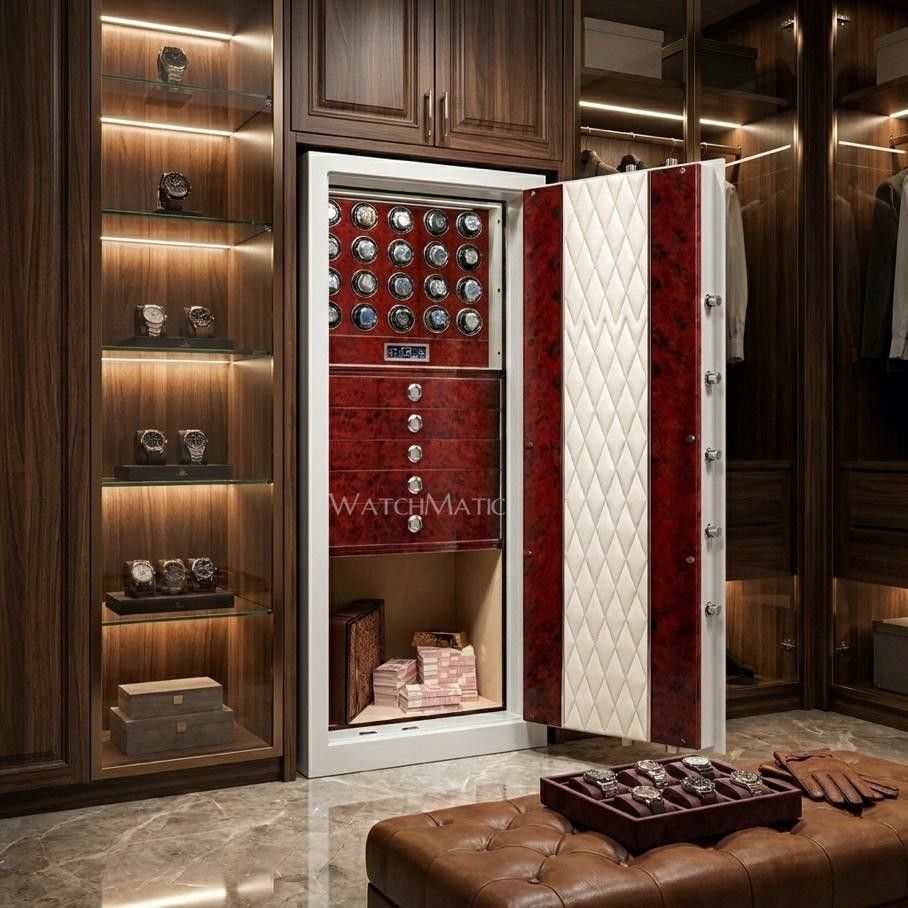
The guide frames the central distinction as one of security versus mechanical preservation. A luxury watch safe is described primarily as a protective enclosure engineered to mitigate external risks such as theft, fire, and environmental damage, while a watch winder safe pairs that protective function with automated rotation modules that maintain power reserve and timekeeping for automatic movements.

Detailed technical descriptions in the guide distinguish typical luxury watch safe construction from standard safes by citing reinforced steel construction, fire-resistant materials, organized watch-specific compartments, and advanced locking mechanisms including biometric readers and digital keypads. The guide emphasizes that collectors prioritizing asset protection and long-term preservation frequently direct initial investment toward a high-end watch safe that concentrates on secure, organized storage for multiple pieces.

The newly published material also describes the mechanical and operational aspects of a watch winder safe. It explains that a watch winder safe contains integrated winding modules, programmable rotation settings adapted to different movement requirements, and individual motor control for separate watches, all enclosed within a lockable, secure storage environment. The guide highlights the relevance of such systems to automatic watches that require motion to maintain timekeeping and complications without manual intervention.

WatchMatic positions the guide as a practical decision-making resource for collectors whose holdings increase in value, complexity, and size. The publication provides scenarios that connect collection composition and lifestyle to storage choices, outlining when a collector might prioritize a high-end watch safe for maximum security, when a watch winder safe better serves a collection composed mostly of automatic watches, and when an integrated system that combines secure safekeeping with winding modules represents a sensible single investment.

The guide includes a discussion of collection-specific and situational considerations that affect purchasing decisions. It identifies collection type and the predominance of quartz, manual, or automatic movements as a primary variable, and discusses collection size as a determinant of whether compact or modular cabinet solutions are most appropriate. Security requirements receive focused attention, with guidance on prioritizing reinforced construction and fire protection when monetary value and concentration of assets present heightened risk. Lifestyle and usage patterns are described as operational drivers for selecting winding functionality where frequent rotation and immediate readiness are practical priorities.

In a section focused on product configuration, the guide describes how modern storage solutions increasingly integrate both secure safe structures and winding functionality, and how customizable internal layouts can accommodate varying watch sizes, straps, and related accessories. This shift toward complete storage systems is characterized as a market trend in which single-cabinet solutions offer combined protection and operational readiness without necessitating separate devices for security and movement.

WatchMatic explains that the intent of the guide is to replace fragmented decision-making with an objective framework that matches the physical characteristics of a collection and the behavioral habits of its owner to the appropriate storage technology. The guide aims to provide clarity on the trade-offs between a purpose-built high-end watch safe and a hybrid watch winder safe, and to supply concrete criteria that inform purchasing timelines and product specifications.

The publication outlines practical purchase considerations such as prioritizing fire resistance and reinforced materials in environments where value concentration or insurance requirements demand high security, and selecting programmable winders with individual motor control where maintenance of complex calendar or chronograph functions is essential. The guide also treats modularity and capacity planning as important for collectors anticipating growth in either the number or complexity of watches in a single location.

WatchMatic indicates that the guide is intended for collectors at all stages of curation, from those assembling an initial high-value grouping to those managing extensive portfolios of automatic and manual pieces. The document emphasizes that security and mechanical maintenance are complementary objectives and that a single integrated product can address both needs for many collectors.

The guide concludes with a statement that ownership strategy for high-value timepieces involves both protection and preservation. It frames the decision to acquire a luxury watch safe, a watch winder safe, or a unified cabinet system as one based on documented collection characteristics, environmental risk factors, and routine usage patterns, rather than a choice of absolute superiority between formats.

About WatchMatic

WatchMatic is a company that develops storage solutions for watch collectors, specializing in cabinets that combine secure storage and winding functionality. The company designs systems that address reinforced construction, programmable winding modules, and customizable internal layouts for varying collection sizes and movement types. WatchMatic provides product information and guidance to help collectors match storage solutions to technical and security requirements.

MEDIA DETAILS

Contact Person: Media Relations
Company Name: WatchMatic
Email: info@mywatchmatic.com
Website: https://mywatchmatic.com/

Hairporium launches AI Stylist to help consumers decide hairstyles and care globally

New York, United States – 5th May 2026 – Hairporium, a hair intelligence brand focused on helping people make better hair decisions, has launched Hairporium AI Stylist, an AI-powered consultation platform designed to help users choose hairstyles, wigs, extensions, and haircare routines with greater clarity before they spend money or visit a stylist. The platform is available globally as of today at https://hairporium.ai and is free to access for individual consumers.

The launch marks a significant step in Hairporium’s broader mission to establish what it describes as the Hair Decision Engine category — a structured, technology-enabled approach to helping people navigate one of the most personal and often uncertain areas of beauty and self-presentation.

For many consumers, hair decisions are still made through a mix of guesswork, trend copying, seller recommendations, and expensive trial-and-error. Hairporium was created in response to that gap.

Rather than operating as a traditional beauty marketplace or a trend-led inspiration platform, Hairporium is positioning itself as a brand focused on decision clarity — helping people understand not just what looks good, but what actually fits their goals, lifestyle, maintenance tolerance, and personal preferences.

Hairporium AI Stylist is built to support users through a structured consultation experience that results in a personalised Hair Plan. The platform delivers guidance across three core layers:

Style Intelligence — helping users understand which hairstyle directions are most aligned with their goals and personal factors

Product Intelligence — offering specification-based guidance for wigs, extensions, and related choices without relying on hard selling

Action Intelligence — helping users understand what to tell a stylist, what to ask before an install or cut, and how to approach care and maintenance afterwards

The broader aim is to reduce uncertainty before commitment — whether that commitment involves a purchase, a hairstyle change, a salon appointment, or a longer-term shift in appearance and care.

Hairporium describes Hairporium AI Stylist not simply as an AI beauty tool, but as the first product within a larger Hair Decision Engine model. In Hairporium’s view, consumers do not struggle because there are too few hairstyles, too few products, or too few opinions. They struggle because the decision itself is often unclear.

“Hair choices affect confidence, identity, comfort, and daily routine, yet many people still make those decisions without structured support,” said Emmanuel Akiotu, Hairporium Founder. “The hair industry offers endless options, but little to no structured decision support. We built Hairporium to close that gap. Hairporium AI Stylist is about helping people make better choices before they spend money, commit to a look, or walk into a salon.”

The company has also clarified the scope and boundaries of the platform. Hairporium AI Stylist is designed to provide aesthetic and lifestyle guidance only. It does not provide medical or dermatological advice, and users seeking guidance on scalp conditions, hair loss disorders, or related health matters are directed to consult a qualified medical professional.

On data privacy and AI governance, Hairporium states that the platform does not sell user data to third parties and that consultation inputs are used solely to generate personalised Hair Plan recommendations within the session. The company says it is committed to transparent AI practices, including clear disclosure of the platform’s capabilities and limitations at the point of use. Users retain the ability to delete their data in accordance with applicable data protection regulations, including GDPR where relevant.

The company says its approach to AI is intended to be useful rather than performative — focusing on structured recommendations, practical next steps, and explanations users can act on in real life.

This reflects a broader shift in the use of AI across consumer categories: away from novelty and toward tools that support better judgement in everyday decisions. Industry analysts have noted growing consumer demand for AI applications that move beyond content generation and toward decision support in high-consideration categories such as health, finance, and personal appearance.

The launch of Hairporium AI Stylist also signals Hairporium’s ambition to become more than a product brand. Through its main platform and content ecosystem, the company aims to become a destination for guides, education, and category leadership around hair decisions more broadly.

That includes helping users answer questions such as:

What hairstyle suits me?

What wig or extension direction is right for my needs?

What should I ask before I commit to an install or cut?

How do I avoid wasting money on the wrong decision?

By connecting educational content with productised AI consultation, Hairporium is building a model that combines authority, accessibility, and modern technology.

Hairporium AI Stylist is now available globally at https://hairporium.ai at no charge to individual users. More information about Hairporium, its mission, and its content platform is available at https://hairporium.com

About Hairporium

Hairporium is a hair intelligence brand focused on helping people make better hair decisions. Through educational content and its AI-powered decision tools, including Hairporium AI Stylist, the company is building the Hair Decision Engine category — helping users choose hairstyles, wigs, extensions, and care routines with more clarity before they spend money or visit a stylist. Hairporium is operated by Hairporium Beauty Limited.

MEDIA DETAIL

Company Name: Hairporium Beauty Limited

Contact Person Name: Paul Oban

Email: hello@hairporium.com

Website: www.hairporium.com 

The Digital World Is Creating New Forms of Hard Work We Didn’t Know Decades Ago

The digital economy has created jobs that demand unusual focus, long stretches of control, and a mix of skills that did not once belong together.

The internet changed where the effort lives and what that effort looks like. Today, some of the toughest roles are hidden behind polished interfaces and smooth remote experiences. They are part performance, part technical discipline, and part constant readiness.

The Studio Professional Who Deals and Hosts at the Same Time

Few digital-era jobs show this blend of skills more clearly than the live casino dealer. In a physical venue, a dealer’s job is centered on the table, the rules, and the pace of play. In a studio setting, the work becomes wider. The dealer still has to run the game with full accuracy, but now the role also includes presentation. In the middle of a live casino online experience, the dealer becomes both a game professional and an on-camera host.

This is a demanding kind of concentration because the work runs on two tracks at once. One track is technical. The dealer must follow the rules, manage the pace, protect consistency, and avoid mistakes that would interrupt the flow. The other track is performative. The dealer has to greet players, respond with the right energy, carry the rhythm between rounds, and make the session feel social even though the space around them is a studio rather than a gaming floor.

In that sense, the role has moved closer to broadcast work. A strong dealer must understand timing the way a presenter does. The result is a specialized form of labor that did not really exist in the same way decades ago. In online live casino games, the dealer is not only running play. They are building trust, setting tone, and holding attention every minute they are on screen.

The Software Quality Assurance Analyst Who Checks Every Release

A stronger example here is the software quality assurance analyst. This is the person who checks whether an app, website, or internal system actually works before and after release. The job is much more than “finding bugs.” 

A quality assurance analyst checks if a product works the right way. They make test plans, try things by hand and with computer tools, find problems, and tell developers exactly:

  • what went wrong,
  • where it went wrong,
  • and how often it happens.

In many teams, this job continues even after the product is released, because every new update can create a new problem somewhere else.

That makes the role highly disciplined. It requires patience, detail, clear writing, and the ability to think like both a user and a system checker at the same time. The U.S. Bureau of Labor Statistics says these analysts and testers design and execute software tests, document defects, and assess usability and functionality as part of the full software process. 

What makes this job very digital is how many different things it covers. A quality assurance analyst may test the same product on phones, laptops, browsers, different account types, and different user paths. They may check if a payment breaks at one step, if a login still works after an update, or if a button looks correct but does not actually work.

Some parts of the job are repetitive, but the job also needs good judgment. Analysts have to decide:

  • which problems matter the most,
  • which risks could hurt many users,
  • and which parts need to be tested again before the product is ready.

The Cybersecurity Analyst Who Has to Notice What Everyone Else Misses

Cybersecurity analysts represent another kind of modern hard work, one built less on physical motion and more on sustained mental pressure. Their job is to watch computer systems carefully and catch small warning signs before they turn into big problems. This means:

  • checking alerts,
  • looking at activity records (logs),
  • testing weak spots,
  • helping make response plans,
  • and explaining technical dangers in simple words so other people in the company can understand.

The difficulty lies in the kind of attention the role demands. Most of the day is not spent on dramatic moments. It is spent sorting signal from noise.

These numbers show that this job is now very important. Statistics says there will be high demand for information security analysts. It says these jobs may grow by 29% from 2024 to 2034, with about 16,000 openings each year.

The more daily life moves through connected systems, the more valuable it becomes to have workers whose main skill is disciplined vigilance. They are not building the visible front end. They are protecting the conditions that let the rest of the digital world keep moving.

The digital age did not make work less demanding. It created new roles where skill, stamina, and steady control sit behind experiences that seem simple on the surface.

Best Platforms to Market Luxury Real Estate Globally

Luxury real estate does not sell the same way as standard property.

It requires precision targeting, brand positioning, and access to high-net-worth buyers across borders.

If you rely on local listings alone, you miss global demand.

The right platforms solve this by putting your property in front of qualified international buyers.

This guide breaks down the most effective platforms to market luxury real estate globally—and how to use them for maximum exposure.

What Makes a Platform “Luxury-Ready”

Before choosing where to list, you need to understand what separates premium platforms from generic ones.

Key traits:

  • High-net-worth audience
  • Global reach across key markets (UAE, UK, US, Asia)
  • Editorial-style presentation (not just listings)
  • Advanced filtering for price, lifestyle, and location
  • Strong SEO visibility

Platforms without these traits dilute your brand and attract low-intent leads.

1. Dedicated Luxury Property Portals

These platforms are built specifically for high-end listings.

They offer:

  • Curated inventory
  • Premium design layouts
  • International exposure

One of the most effective ways to reach serious buyers is through platforms like:

https://www.luxuryproperty.com/advertise

This type of platform focuses on quality over quantity.
Your listing appears alongside other luxury assets, which elevates perceived value.

Best for:

  • Villas, penthouses, waterfront estates
  • Developers targeting global investors
  • Agencies building a premium brand

Pro tip:
Use professional photography and cinematic video. These platforms reward high-quality media with better visibility.

2. Global Real Estate Marketplaces

Large-scale marketplaces still play a role—but only when used strategically.

Examples include:

  • International listing aggregators
  • Multi-country property portals

They provide:

  • Massive reach
  • Strong search traffic
  • Cross-border discovery

However, they come with trade-offs:

  • Less exclusivity
  • More competition
  • Lower perceived luxury positioning

Best use case:

  • Supporting channel (not primary)
  • Driving initial visibility
  • Capturing early-stage buyers

3. Luxury Brokerage Networks

High-end brokerages operate private networks that are not always visible publicly.

These include:

  • Invite-only buyer databases
  • Internal listing distribution
  • Agent-to-agent referrals

Why this matters:
Many luxury deals happen off-market.
These networks give you access to buyers who don’t browse public listings.

Best for:

  • Ultra-high-value properties
  • Discreet transactions
  • Relationship-driven sales

4. Social Media Platforms (High-Impact Visual Channels)

Luxury real estate is highly visual.
Social platforms allow you to showcase lifestyle—not just property.

Top channels:

  • Instagram
  • YouTube
  • LinkedIn (for investor targeting)

What works:

  • Short cinematic walkthroughs
  • Drone footage
  • Lifestyle storytelling (not specs)

Example strategy:

  • Hook: “$5M beachfront villa in Dubai”
  • Show experience first (views, pool, interiors)
  • Add subtle call-to-action

Key advantage:
You reach buyers emotionally, not just logically.

5. Google Search & SEO-Driven Platforms

Buyers often start with search.

Queries like:

  • “Luxury villas in Dubai”
  • “Beachfront homes in Spain”
  • “High-end real estate investment”

If your listings appear here, you capture high-intent traffic.

How platforms help:

  • Built-in SEO authority
  • Indexed listings
  • Keyword targeting

This is where platforms like https://www.luxuryproperty.com/advertise
stand out again—they combine premium positioning with strong search visibility.

6. International Property Exhibitions & Digital Extensions

Offline events still matter—but they now extend online.

Examples:

  • Property expos
  • Investment summits
  • Virtual showcases

These platforms offer:

  • Direct buyer interaction
  • Investor networking
  • Brand exposure

Digital extension:
Listings get featured on event websites and partner portals.

Best for:

  • Developers launching new projects
  • Agencies entering new markets

7. Paid Advertising Platforms (Precision Targeting)

Paid channels allow you to target specific buyer profiles.

Top options:

  • Google Ads (search + display)
  • Meta Ads (Facebook & Instagram)
  • LinkedIn Ads (investors)

Targeting examples:

  • Location: UAE, UK, US, Singapore
  • Income level
  • Interests: luxury lifestyle, investment

Best approach:

  • Use high-end visuals
  • Focus on lifestyle benefits
  • Drive traffic to premium listing pages

Choosing the Right Platform Mix

You don’t need every platform.
You need the right combination.

Common Mistakes to Avoid

1. Listing everywhere
This reduces exclusivity and weakens brand perception.

2. Using low-quality visuals
Luxury buyers expect premium presentation.

3. Ignoring international audiences
Many buyers are outside your local market.

4. No storytelling
Specs don’t sell—experiences do.

5. Weak platform selection
Not all platforms attract qualified buyers.

Practical Setup Checklist

Use this before publishing your listing:

Content

  • High-resolution images
  • Video walkthrough
  • Lifestyle-focused description

Platform

  • At least one premium luxury portal
  • One global marketplace
  • Social media distribution

SEO

  • Keyword-optimized title
  • Location-specific terms

Ads (optional)

  • Retargeting setup
  • Geographic targeting