
SardineAI Corp Announces Strategic Positioning of Transaction Monitoring Performance AI Within AML Programs

New York, United States – 14th April 2026 – SardineAI Corp announces the formal positioning of transaction monitoring performance AI as a strategic component within anti-money laundering program design and oversight. The announcement reflects an internal framework that aligns transaction monitoring systems with executive-level review, operational workflows, and evolving regulatory expectations related to timeliness, explainability, and effectiveness.

The framework defines transaction monitoring performance as a function of data quality, alert precision, workflow design, and decision traceability across the monitoring lifecycle. The structure incorporates entity-level analysis, transaction context enrichment, and cross-signal evaluation to support a broader view of customer activity, payment behavior, and investigative outcomes. The framework also integrates transaction monitoring performance AI into existing monitoring environments to support prioritization, signal correlation, and adaptive control adjustments.

The announcement outlines a shift from transaction-level review toward entity-based and lifecycle-based monitoring structures. The framework connects onboarding data, historical activity, behavioral indicators, and transaction patterns within a unified monitoring approach. This structure is designed to support analysis across customer relationships, account clusters, and network-linked activity over time.

SardineAI Corp defines operational components within the framework that include alert generation logic, case routing protocols, investigation workflows, and documentation standards. The framework incorporates AML compliance automation across repetitive investigation steps, including data aggregation, alert enrichment, and case preparation. Automation layers are structured to support consistency in case handling, escalation procedures, and reporting outputs while maintaining traceable decision paths.

The framework also introduces provisions for monitoring performance evaluation, including rule testing processes, alert outcome tracking, and audit-ready documentation practices. These components are structured to support internal governance requirements, model validation processes, and regulatory review scenarios. Transaction monitoring performance AI is applied within these processes to analyze alert patterns, identify inefficiencies in rule behavior, and support iterative tuning of monitoring controls.

The announcement addresses system fragmentation across fraud detection, AML monitoring, sanctions screening, and investigation tooling by defining integration points for shared data inputs and coordinated workflows. The framework connects transaction data with entity attributes, device signals, and historical case information to provide a consolidated view for analysis and decision-making.

Daniel Reeves, Head of Financial Crime Systems at SardineAI Corp, stated, “Transaction monitoring performance AI represents a structural shift in how monitoring systems are evaluated and operated within AML programs. The framework reflects alignment between detection logic, operational workflows, and governance processes, with emphasis on data context, investigative usability, and lifecycle visibility.”

The framework includes both real-time and batch monitoring considerations, with defined criteria for when each approach is applied within transaction review processes. Real-time monitoring components are structured around immediate risk evaluation and intervention scenarios, while batch processes are aligned with periodic analysis, pattern detection, and retrospective review requirements.

SardineAI Corp indicates that the framework is intended to support ongoing development of monitoring systems through iterative testing, workflow adjustments, and integration of additional data sources. Transaction monitoring performance AI and AML compliance automation are incorporated as foundational elements within this structure, supporting alignment between detection capabilities and operational execution.

About SardineAI Corp

SardineAI Corp is a technology company focused on financial crime monitoring systems, transaction analysis, and risk infrastructure development. The company was founded in 2020 and develops solutions related to transaction monitoring performance, case management processes, and compliance operations within financial institutions.

LinkedIn: https://www.linkedin.com/company/sardineai/ 

X: https://x.com/sardine 

MEDIA DETAIL

Contact Person Name: Media Relation

Company Name: SardineAI Corp

Email: contact@sardine.ai

Website: https://www.sardine.ai/

Kevin Samuels’ Death: The Remarkable Life of Advocating for Black American Women and financial life coaching

When professional image consultant Kevin Samuels passed away in 2022, reactions ranged from grief to sorrow among marriage-eligible Black American women.

Years earlier, journalist Stephen A. Crockett Jr. had sharply criticized Samuels, portraying him as harmful to Black women. Yet over time, many Black American women—especially Christian women who value the covenant of marriage—have come to see Crockett’s assessment as deeply unfair, bearing false witness, and harmful to Black American marriages.

Some supporters even encourage critics to seek counseling or therapy to process the hostility embedded in commentary like that of Stephen Crockett. For the sake of professionalism, we will not quote him directly here—read his words for yourself.

To these women, Samuels was not an antagonist. He had a corrective voice.

A Moderate Voice in a Culture Growing Tired of Extremes

Supporters argue that Samuels’ message resonated because it aligned with values shared across Christianity, Islam, and Judaism—cooperation, respect, and marital order. 

Samuels was often critical of the manosphere as an advocate for Black Women, as he was far more moderate than critics claimed.

Supporters Highlight That Samuels:

  • Showed mercy by asking women for far less than what traditional scripture demands (Many churches call congregants “sinners” pushing for repentance; Samuels instead said, “average at best,” which supporters viewed as gentler and more human.)
  • Encouraged mutual respect, not domination or control
  • Challenged men to improve themselves, rather than blaming women for everything
  • Promoted qualities many Black grandmothers valued: 
  • femininity, cooperation, respect, stability

A Cultural Shift: Fatigue With Radical Narratives

Many cultural observers noted a growing fatigue among Gen Z men toward radical feminist messaging. In that climate, Samuels’ emphasis on cooperation, accountability, and traditional partnership felt refreshing rather than regressive.

Supporters often argue that:

  • Mainstream voters were gravitating toward messages emphasizing:
    • stability
    • respect
    • traditional femininity
  • These values aligned closely with what Samuels promoted
  • Many Black men quietly agreed with Samuels’ call for:
  • softness, cooperation, and intentional partnership

Some commentators contrasted Samuels’ tone with the public personas of figures like Jasmine Crockett or Kamala Harris, noting that supporters perceived Samuels as offering a more grounded, calm message of family values. These comparisons were framed not as attacks, but as reflections of what many voters said they were looking for: calm, stability, and traditional relational values. Jasmine Crockett and Kamala Harris would go on to lose their elections, as young Black men maintained low voter turnout.

Moderate Compared to Other Cultural Voices

Supporters also pointed out that Samuels was more moderate than many traditional commentators or coaches. For example:

  • A figures like Charlie Kirk was embraced by half the country as champions of traditional values after his passing, yet Samuels’ message was seen as less polarizing, more focused on relationships than politics
  • His emphasis on cooperation made him feel more accessible to women, not adversarial, Samuels’ was more progressive than a Myron Gaines or Andrew Tate
  • Figures like Theron Bassett are seen as more traditional, supporting what he coined “Voluntary Household Patriarchy.” Both Bassett and Samuels are reportedly   respected by the estimated 33% of marriage-eligible Black American women and Christian women in general.

Conclusion

Kevin Samuels was imperfect, but he was impactful. His mission—to restore structure, standards, and stability within Black relationships—continues to resonate. 

His legacy lives on in the countless Black American women who found clarity, direction, and hope through his guidance.

Today Kevin Samules YouTube Is approaching 2 Million Subscribers.

Why Market Behavior Often Reflects Real World Disruptions That Investors Tend to Overlook

Financial markets often appear to move based on data, forecasts, and economic reports, yet a large portion of market behavior is tied to events that happen outside traditional financial systems. Investors track inflation, interest rates, and earnings, but broader disruptions can quietly shape sentiment long before they are reflected in official indicators. These influences tend to emerge through subtle shifts in confidence, spending behavior, and operational consistency across industries.

As a result, market reactions are not always immediate or directly linked to a single data point. Instead, they build over time as small disruptions accumulate. When investors focus only on charts and reports, they may miss the early signs of change. Recognizing that external conditions influence financial outcomes allows for a more complete view of how markets actually respond to real world pressures.

Physical Incidents and Their Hidden Economic Effects

Events that occur at the ground level often have wider implications than expected, especially when they affect public spaces, workplaces, or residential environments. According to one law firm, a simple incident such as a slip and fall might seem isolated, yet when these occurrences happen frequently, they can signal deeper issues related to maintenance, safety standards, and operational oversight. These patterns can extend across industries, from real estate to retail, influencing how businesses allocate resources and manage risk.

When such incidents increase, companies may face rising costs tied to repairs, liability exposure, and insurance adjustments. Over time, this can affect margins and operational efficiency. Investors who pay attention to these patterns gain a broader perspective on how small-scale disruptions connect to larger financial outcomes. Even though a slip and fall may appear minor on its own, repeated occurrences can reflect systemic gaps that carry measurable economic weight.

The Financial Weight of Personal Injury Trends

Personal injury cases arise from real incidents that occur in everyday environments, including residential buildings, commercial spaces, and public areas. As mentioned by one legal team, these situations often involve unsafe conditions such as poor maintenance, inadequate lighting, or structural issues that place individuals at risk. When someone is harmed, the consequences extend beyond the immediate event, affecting their ability to work, manage expenses, and maintain stability. In high-density urban settings, where properties are constantly in use, these incidents are more common than many realize.

From a legal perspective, personal injury matters require a detailed evaluation of responsibility, damages, and long-term impact. A law firm handling these cases plays a key role in helping individuals pursue compensation for medical costs, lost income, and other related losses. At the same time, these cases reflect how businesses and property owners manage their environments. For those analyzing industries tied to physical spaces, personal injury trends provide a direct view into how risk, accountability, and financial exposure intersect in real world conditions.

Risk Management as a Market Driver

Risk management plays a central role in how businesses operate, and it directly influences investor confidence. Companies that actively address potential issues tend to maintain stronger operational stability, which can translate into more consistent financial performance. This approach includes regular maintenance, safety protocols, and internal oversight that reduce the likelihood of disruptions.

On the other hand, businesses that overlook these areas may experience sudden challenges that impact their performance. These disruptions can lead to unexpected expenses, reduced efficiency, and reputational concerns. As investors evaluate opportunities, they often look beyond revenue and growth figures to assess how well a company handles risk. This broader evaluation helps explain why certain businesses maintain steady performance while others face volatility.

Industry Specific Exposure to Everyday Disruptions

Different industries experience varying levels of exposure to physical and operational disruptions. Real estate, hospitality, and retail sectors tend to face higher risks due to constant interaction with tenants, customers, and employees. In these environments, even minor issues can escalate if not addressed promptly. This creates a need for ongoing attention to detail and consistent maintenance practices.

Investors who focus on sector-specific dynamics can better anticipate where challenges may arise. By analyzing how industries handle routine disruptions, they gain insight into potential financial outcomes. Companies that maintain strong operational standards often stand out in competitive markets, while those that fall behind may struggle to keep pace. These differences highlight the importance of looking beyond surface-level data when evaluating investment opportunities.

Another layer to consider is how regulatory pressure and compliance requirements differ across industries. Sectors with higher exposure to physical environments often face stricter expectations around safety and operational standards. This can increase operational costs but also create clearer benchmarks for performance. Investors who pay attention to how companies adapt to these expectations can better evaluate long-term resilience and the likelihood of consistent returns.

Looking Beyond Traditional Indicators for Smarter Decisions

Financial data provides a valuable foundation for decision-making, but it does not capture every factor that influences market behavior. External disruptions, operational challenges, and patterns tied to everyday incidents all contribute to how businesses perform over time. Investors who expand their perspective to include these elements often gain a more accurate view of potential risks and opportunities.

By considering both traditional indicators and real world conditions, investors can make more balanced decisions. This approach reduces reliance on a single type of data and encourages a deeper evaluation of how businesses operate. In competitive markets, where information moves quickly, this broader awareness can provide a meaningful advantage. It allows investors to identify patterns that others may overlook and respond with greater confidence.

Over time, this broader perspective can influence how portfolios are structured and adjusted. Investors who factor in operational realities alongside financial metrics often build strategies that are more adaptable to sudden changes. Instead of reacting only to market data, they anticipate how external conditions might shape future performance. This mindset supports more consistent decision-making and reduces the likelihood of being caught off guard by issues that were visible outside traditional financial reporting.

How Energy Management Decisions Shape Business Costs and Operational Efficiency

Energy management in commercial and industrial settings carries a profound effect on overall operations. Businesses that closely monitor consumption and implement targeted efficiency measures often experience measurable reductions in overhead costs. Decisions made at the management level, from lighting to machinery usage, create ripple effects that extend throughout departments and influence scheduling, staffing, and operational pacing. These choices also intersect with regulatory requirements, ensuring compliance while maintaining optimal energy usage.

Organizations increasingly adopt smart systems to track energy consumption and automate adjustments. These systems provide visibility into patterns of usage, highlighting areas of inefficiency that may otherwise go unnoticed. By responding to these insights, companies can adjust operations to reduce waste without affecting productivity. The careful calibration of energy practices reflects a balance between cost efficiency and operational continuity, ensuring that resources are used strategically and sustainably.

Long-term planning of energy strategies allows companies to forecast costs and optimize resource allocation. Facilities that evaluate historical patterns and anticipate seasonal fluctuations can implement proactive measures that reduce unnecessary expenditures. Aligning operational priorities with energy objectives enhances overall efficiency, demonstrating that deliberate management choices translate directly into both financial stability and sustainable workplace practices.

AC Repair and Its Role in Energy Efficiency

According to an hvac company, AC repair plays a significant role in controlling energy consumption within commercial spaces. Faulty or inefficient units can drive costs higher, increase system strain, and affect air quality, creating challenges for both operational performance and employee comfort. Regular maintenance and timely repair interventions help maintain consistent temperature control, prevent unexpected system downtime, and optimize energy expenditure. Efficient AC systems contribute directly to lower utility costs and extend the lifecycle of critical equipment.

Ignoring small issues in AC performance can result in compounded energy inefficiencies. Businesses may unknowingly operate systems at higher outputs to achieve desired cooling, inadvertently raising monthly expenditures. AC repair is therefore not just a matter of comfort but a tactical decision that integrates with broader energy management strategies. Proactive maintenance, including inspections, component replacements, and system recalibrations, ensures that energy use aligns with operational goals while preventing costly emergency interventions.

A comprehensive approach to AC repair considers not only immediate functionality but also long-term efficiency. Tracking repair history and performance trends helps organizations identify recurring issues and optimize replacement schedules. Incorporating these insights into energy planning reduces operational interruptions, minimizes repair costs, and strengthens overall facility performance, showing that AC care is a crucial component of sustainable business operations.

HVAC Company Selection and Long-Term Operational Impact

Choosing the right HVAC company has a lasting influence on energy management outcomes. As mentioned by Kyzar Air Conditioning, experienced providers bring knowledge of system optimization, energy audits, and preventive maintenance schedules. Collaboration with a skilled HVAC company allows businesses to implement solutions tailored to facility size, layout, and operational requirements. This proactive approach reduces the frequency of unplanned outages and promotes consistent energy efficiency over time.

A dependable HVAC company also offers insights into emerging technologies, including energy-efficient equipment, smart sensors, and integrated control systems. These upgrades enable businesses to achieve measurable gains in operational efficiency and cost reduction. By establishing strong partnerships with professional service providers, organizations ensure that energy management remains dynamic, responsive, and closely aligned with evolving operational needs.

Long-term relationships with HVAC companies can also support scalability and facility expansion. Experienced providers guide businesses in planning for new equipment, upgrades, or changes in building use, allowing energy management practices to grow alongside operational demands. This foresight ensures that efficiency improvements are sustainable and that energy decisions support both current and future performance objectives.

Technology Integration and Energy Monitoring

Integrating technology into energy monitoring has transformed how businesses approach consumption patterns. Sensors, data analytics, and automation platforms allow real-time tracking of usage across facilities. These systems detect anomalies, predict peak demand periods, and recommend adjustments to avoid unnecessary expenditures. By leveraging technology, companies can make precise decisions that balance operational efficiency with financial prudence.

Advanced energy monitoring also supports reporting and compliance initiatives. Businesses are better equipped to demonstrate sustainability practices, meet regulatory requirements, and provide transparent energy usage data to stakeholders. Consistent tracking helps identify trends, measure the success of interventions, and ensure that both short-term actions and long-term strategies remain effective.

Integration of technology also encourages a culture of accountability among facility managers and operational staff. Real-time visibility into energy use promotes informed decision-making and motivates consistent application of efficiency protocols. By combining human oversight with automated insights, businesses can achieve continuous improvement in energy management and operational performance.

Workforce Engagement and Operational Practices

Employees contribute significantly to energy outcomes through daily operational behaviors. Simple actions, such as turning off equipment when not in use or adhering to temperature guidelines, collectively influence consumption levels. Encouraging workforce engagement in energy management reinforces broader strategic objectives and fosters a culture of efficiency and accountability.

Training programs and incentive structures can motivate teams to participate actively in energy-saving practices. Departments that embrace these practices often report improvements in resource allocation, workflow efficiency, and overall operational cost control. The alignment between management directives and employee behaviors creates measurable gains, demonstrating that energy management is a shared responsibility that extends beyond infrastructure alone.

Ongoing communication and recognition of employee contributions strengthen engagement and improve adherence to energy initiatives. Teams that understand the tangible effects of their actions on operational costs and efficiency are more likely to integrate energy-conscious habits consistently. This collaborative approach enhances both workplace culture and measurable business outcomes.

Financial Considerations and Operational Sustainability

Energy management directly affects business costs, influencing budgets, operational flexibility, and long-term sustainability. Strategic investment in maintenance, technology, and workforce engagement ensures that operations remain efficient while mitigating financial risk. Businesses that prioritize these areas maintain competitive advantages through predictable costs, enhanced operational reliability, and environmentally responsible practices.

Careful planning of energy use also provides protection against market volatility. Predictable and efficient consumption patterns reduce exposure to sudden utility price spikes and unexpected operational disruptions. By embedding energy management into financial and operational decision-making, organizations achieve stability, efficiency, and resilience, reinforcing a foundation for sustained growth and consistent performance.

Evaluating the financial returns of energy management initiatives allows companies to refine budgeting and investment strategies. By monitoring the cost savings and efficiency gains from repairs, technology integration, and workforce engagement, businesses can justify continued allocation of resources toward sustainable practices. This approach solidifies the link between operational choices and long-term fiscal responsibility, ensuring that energy management remains a central component of strategic planning.

Why Certain Industries React Differently to Real World Events Even When Markets Move Together

Financial markets often move in broad patterns that suggest a shared direction across industries. Indexes rise and fall, and it can appear as though companies are responding in unison. However, beneath these movements, individual sectors react in very different ways depending on their structure, exposure, and operational demands. This variation is not always obvious at first glance, especially when overall market performance dominates headlines and investor attention.

Over time, these differences become more noticeable as companies report earnings, adjust forecasts, or shift strategies. What looks like a uniform market response can actually mask a range of outcomes across industries. Some sectors may absorb external pressure with minimal disruption, while others experience deeper and more lasting effects. This contrast highlights the importance of looking beyond surface level trends when evaluating how markets respond to real world conditions.

Personal Injury as a Direct Operational Reality

Personal injury occurs in everyday business environments where physical conditions and human interaction overlap. In sectors like retail, real estate, and construction, these incidents are not rare events but part of ongoing operational exposure. According to www.accidentlawyerelite.com, a personal injury can result from unsafe flooring, poor maintenance, lack of proper safety measures, or ignored hazards that develop over time. These situations show how closely tied physical environments are to real outcomes that affect both individuals and businesses.

From a company perspective, personal injury creates immediate consequences that require action. Medical costs, legal involvement, insurance claims, and internal reviews all follow once an incident occurs. This forces businesses to respond quickly while also evaluating how the issue developed in the first place. For industries with constant foot traffic or active work environments, personal injury becomes a recurring factor that directly influences how operations are managed and how risks are addressed on a daily basis.

How Personal Injury Cases Extend Beyond the Initial Incident

As mentioned by accidentjusticepro.com, personal injury does not end at the moment an incident occurs. It continues through medical treatment, recovery time, and the legal process that often follows. Individuals may deal with lost income, ongoing care, and disruptions to their daily routines, while businesses must respond to claims, investigations, and potential liability. This extended timeline shows that personal injury is not a one-time event, but an ongoing situation that affects multiple areas at once.

From an industry perspective, personal injury cases create lasting pressure that goes beyond immediate costs. Companies must review what happened, address any unsafe conditions, and prepare for similar situations in the future. This can involve changes to policies, increased oversight, and adjustments to how spaces are managed. As these cases accumulate, they influence how businesses operate over time, reinforcing the role of personal injury as a continuing factor in both operational decisions and overall performance.

Cost Structures Shift Based on Industry Demands

Each industry operates with its own cost structure, which determines how it handles unexpected changes. Fixed costs, variable expenses, and ongoing operational requirements all play a role in how companies respond to disruptions. In sectors where costs are closely tied to physical operations, even small changes can create noticeable financial pressure. This can influence margins, pricing strategies, and overall performance.

On the other hand, industries with more flexible cost structures may adapt more easily. They can adjust spending, scale operations, or shift focus without facing the same level of strain. These differences contribute to the uneven way industries react within the same market environment. Investors who consider cost structures alongside market trends can better understand why some companies recover quickly while others take longer to stabilize.

Investor Interpretation Shapes Market Behavior

Market reactions are not driven solely by events themselves, but also by how investors interpret those events across different sectors. Perception plays a significant role in determining which industries are seen as stable and which are viewed as vulnerable. When investors anticipate higher exposure to operational challenges or legal complications, they may adjust their positions accordingly.

This behavior creates additional divergence between industries, even when the same external event affects them all. Some sectors may see increased confidence, while others face hesitation or reduced interest. Over time, these shifts in perception can reinforce the differences in performance that already exist. Understanding how investor interpretation interacts with industry dynamics provides a more complete view of market behavior.

Another factor that influences investor interpretation is the availability of information and how quickly it spreads. In some industries, updates related to operational issues or incident trends become widely known, shaping sentiment in a short period. In others, the same types of developments may take longer to surface, creating a delay in how they are reflected in market activity. This timing difference can further separate how industries respond, even when they are dealing with similar underlying conditions.

A Broader View Creates Better Insight

Looking beyond general market trends allows for a more accurate assessment of how industries respond to real world events. While broad indicators provide useful information, they do not capture the full picture. Sector specific factors such as operational exposure, cost structures, and incident related challenges all contribute to the way companies perform over time.

By focusing on these details, investors can identify patterns that are not immediately visible in overall market movements. This approach supports more informed decision making and helps explain why industries rarely move in perfect alignment. In the long run, recognizing these differences provides a stronger foundation for evaluating opportunities across a wide range of sectors.

A broader view also encourages more flexible thinking when analyzing potential investments. Instead of relying on a single narrative, investors can consider multiple factors that influence performance across different industries. This helps reduce reliance on assumptions and creates a more balanced approach to evaluating opportunities. Over time, this level of awareness can support more consistent outcomes and a deeper understanding of how markets function in real conditions.

Alden Probate Attorney San Bernardino Announces Legal–Financial Stability Framework for Long-Term Planning Considerations

New York, United States – 13th April 2026 – Alden Probate Attorney San Bernardino has announced the release of a legal–financial stability framework designed to outline the relationship between legal safeguards and long-term financial structure. The framework presents a structured approach to evaluating how estate planning, risk awareness, and continuity arrangements may intersect with broader financial decision-making over time.

The framework addresses the development of financial stability as a process shaped by ongoing planning, changing circumstances, and exposure to external risks. Content within the framework outlines considerations related to asset organization, legal documentation, and the alignment of financial arrangements with evolving personal and household conditions. The material also references the role of structured legal planning in supporting continuity during transitions involving health, family structure, and financial obligations.

The announcement includes reference to estate planning as a central component of long-term financial organization. Observations within the framework describe how estate planning structures may assist in managing asset distribution and decision continuity in situations where default legal processes may apply in the absence of formal documentation. The framework also outlines how periodic review of legal and financial arrangements may support ongoing alignment with changing circumstances.

The framework incorporates discussion on the financial impact of unexpected incidents, including those involving liability and injury-related circumstances. Commentary within the release references industry perspectives, including statements attributed to one law firm and observations associated with Viñas & DeLuca, regarding the broader financial implications that may arise from such events. These references are included in the context of illustrating how legal safeguards may intersect with financial disruption scenarios.

Aden Morales, Managing Attorney at Alden Probate Attorney San Bernardino, provided a statement regarding the release. “Legal frameworks supporting financial stability are often developed through structured planning that connects asset management, continuity arrangements, and risk awareness considerations within a unified approach. Estate planning elements and documentation processes form part of this structure, particularly when evaluating long-term financial organization across changing circumstances,” stated Aden Morales.

The framework further outlines the relationship between risk management and legal preparedness, describing how coordinated planning approaches may support continuity during periods of uncertainty. The material highlights structured evaluation of obligations, assets, and legal responsibilities as part of an integrated approach to financial and legal organization.

The announcement notes that the framework is positioned as an informational and structural resource intended for review within legal planning contexts, particularly in relation to probate and estate-related considerations in San Bernardino and surrounding regions.

About Company, Alden Probate Attorney San Bernardino operates within probate and estate-related legal services. The organization was founded in 2014 and maintains a focus on structured legal planning, estate administration processes, and continuity documentation support. Official information is available through the company website at https://aldenlawfirm.com/.

Updates and informational content are distributed through 

LinkedIn: https://www.linkedin.com/company/alden-probate-attorney-san-bernardino/

Facebook: https://www.facebook.com/people/Alden-Injury-Car-Accident-Lawyer-San-Bernardino/61550020378139/ 

Instagram: https://www.instagram.com/aldenlawfirm_la/ 

MEDIA DETAIL

Contact Person Name: Matthew Alden

Company Name: Alden Probate Attorney San Bernardino

Email: eduardo@sdmark.net

Website: https://aldenlawfirm.com/estate-planning-lawyer-san-bernardino/

Weston & Pape Injury & Accident Lawyers Introduces New Framework Examining Disruption of Routine After Sudden Events

New York, United States – 13th April 2026 – Weston & Pape Injury & Accident Lawyers announces the release of a framework titled “Shifts in Daily Life That Challenge How People Handle Unforeseen Circumstances,” addressing structural changes in daily routines following unexpected incidents such as accidents and sudden personal disruptions. The framework outlines observed patterns in how ordinary schedules, responsibilities, and decision-making processes are affected when unforeseen events interrupt established routines.

The framework describes how sudden incidents can introduce immediate demands related to safety, financial obligations, and personal responsibilities. The document presents a structured view of how disrupted routines may extend into work obligations, family arrangements, and broader social and administrative commitments. The material also reflects on how individuals may face urgent decision requirements during periods of limited preparation and heightened uncertainty.

The framework further examines situations in which accident-related events intersect with legal and administrative processes. Reference is made to procedural requirements involving insurance claims, liability evaluation, documentation standards, and timing considerations. The content includes reference to informational material available at www.dwpersonalinjurylaw.com and notes contextual references to a “top-ranked lawyer” in relation to structured legal process navigation following accident-related incidents. The framework positions legal guidance as part of the procedural environment surrounding post-incident case management and administrative compliance.

Additional sections of the framework address emotional responses, financial disruption, and logistical challenges associated with unexpected events. The material outlines how medical scheduling, transportation arrangements, and household responsibilities may require adjustment following sudden incidents. Financial considerations described in the framework include medical expenditure management, income interruption, and resource allocation during recovery periods.

Statement from Weston & Pape Injury & Accident Lawyers representative Mark Ellison, Managing Attorney: “Structured observation of post-incident disruption patterns reflects recurring challenges in routine stability, financial continuity, and procedural navigation following unexpected accidents.”

About Company Weston & Pape Injury & Accident Lawyers established in 2012. Legal services focus on personal injury and accident-related matters. Official social media presence available at:

LinkedIn: https://www.linkedin.com/company/weston-and-pape/ 

Instagram: https://www.instagram.com/weston.pape 

Facebook: https://www.facebook.com/profile.php?id=100063765469558# 

MEDIA DETAIL

Contact Person Name: Dante Weston

Company Name: Weston & Pape Injury & Accident Lawyers

Email: eduardo@sdmark.net

Website: https://dwpersonalinjurylaw.com/

Sleepmax Mattress Announces Release of Consumer Awareness Framework on Mattress Buying Decisions

New York, United States – 13th April 2026 – Sleepmax Mattress announces the release of a structured consumer awareness framework focused on mattress buying decisions and evaluation practices. The framework presents an organized examination of how purchasing patterns are shaped by visual preferences, retail environments, and limited access to material-specific information.

The release introduces a documented approach to understanding how bedroom upgrades are frequently centered on decorative elements while the mattress remains a secondary consideration. The framework outlines observed patterns in which purchasing attention is directed toward items such as lighting, textiles, and furniture finishes, while sleep surface selection receives reduced evaluation time despite extended daily use.

The framework provides detailed reference points related to mattress construction, including distinctions between foam density ranges, coil system variations, and layered material configurations. The document outlines commonly referenced specifications such as coil count thresholds, foam density measurements expressed in pounds per cubic foot, and the structural role of comfort layers in determining long-term usability. The framework includes contextual information regarding hybrid mattress construction, identifying the integration of pocketed coil systems and foam layers as a distinct product category with specific evaluation criteria.

The release also addresses common decision pathways within retail environments, where purchasing processes are influenced by showroom presentation, product naming conventions, and time-limited interactions. The framework outlines how these conditions may contribute to selection outcomes that are not based on measurable construction attributes. Observations include the role of perceived product features such as cooling elements, material infusions, and labeling language, presented alongside explanations of how these elements are typically incorporated within mattress manufacturing processes.

The framework includes guidance on in-store and at-home evaluation practices, documenting recommended time durations for physical testing and positioning variations used during product assessment. Reference material within the document outlines how testing duration, body position, and repeated evaluation may influence perception of comfort and support.

Additional sections of the framework examine product lifespan considerations, including expected material performance timelines associated with different foam densities and structural configurations. The document outlines general ranges for observable material changes over time and includes reference points for identifying early-stage wear in both foam and coil-based systems.

A company representative provided a statement regarding the release. “The framework reflects an effort to document observable patterns in mattress purchasing and evaluation processes using structured reference points,” said Daniel Mercer, Director of Product Research at Sleepmax Mattress. “The material is presented to support clearer interpretation of mattress construction details, including hybrid mattress configurations and commonly referenced product specifications.”

The release forms part of an ongoing documentation initiative focused on organizing technical and behavioral observations related to mattress selection. The framework is available through Sleepmax Mattress communication channels and is intended for general informational use.

About Sleepmax Mattress

Sleepmax Mattress is a mattress-focused company established in 2011, engaged in product research, material evaluation, and consumer-oriented documentation related to sleep surfaces. The company develops structured resources addressing mattress construction, purchasing behavior, and product lifecycle considerations. Sleepmax Mattress maintains an online presence through social media platforms including Facebook, Instagram, and Twitter.

MEDIA DETAIL

Contact Person Name: Media Relation

Company Name: Sleepmax Mattress

Email: support@sleepmax.com

Website: https://www.sleepmax.com/

How Strategic Thinking Improves Business Outcomes

Every business makes decisions daily, but not every business makes strategic decisions. There is a difference between reacting to what is happening and deliberately shaping what happens next. That difference is where strategic thinking comes in.

Strategic thinking is not limited to executives sitting in boardrooms. It is a mindset that influences how organizations interpret data, allocate resources, respond to challenges, and pursue opportunities. When applied consistently, it transforms scattered actions into coordinated progress.

Businesses that rely only on short-term thinking often find themselves stuck in cycles of urgency. 

They solve immediate problems but fail to build long-term value. In contrast, organizations that embed strategic thinking into their operations are able to anticipate change, prioritize effectively, and create sustainable growth.

This article explores how strategic thinking improves business outcomes by influencing decision-making, operational efficiency, market positioning, and long-term resilience.

What Is Strategic Thinking in a Business Context?

Strategic thinking is the ability to step back from daily operations and evaluate the bigger picture. It involves understanding how different parts of a business connect, how external forces influence outcomes, and how decisions made today shape future results.

At its core, strategic thinking answers three fundamental questions:

  • Where are we now?
  • Where do we want to go?
  • How do we get there?

Unlike routine planning, strategic thinking requires analysis, foresight, and adaptability. It blends data with judgment and encourages leaders to consider multiple scenarios before committing to a course of action.

A strategically minded organization does not just act. It acts with intent.

The Link Between Strategic Thinking and Business Outcomes

Business outcomes are the measurable results of decisions and actions. These include revenue growth, profitability, customer retention, operational efficiency, and market share.

Strategic thinking improves these outcomes by ensuring that:

  • Decisions align with long-term goals
  • Resources are used efficiently
  • Risks are identified early
  • Opportunities are evaluated with clarity

Instead of reacting to problems, businesses begin to design outcomes.

Improving Decision-Making Quality

Moving Beyond Reactive Decisions

One of the most immediate benefits of strategic thinking is improved decision-making. Many businesses operate in reactive mode, responding to market changes, customer complaints, or internal issues as they arise.

While responsiveness is important, constant reaction leads to inconsistency. Strategic thinking introduces structure into decision-making by encouraging leaders to evaluate context, data, and long-term impact.

For example, instead of launching a quick marketing campaign to boost short-term sales, a strategically driven company would assess:

  • Target audience alignment
  • Long-term brand positioning
  • Expected return on investment

This leads to decisions that are not only effective but also sustainable.

Reducing Uncertainty

“Strategic thinking does not eliminate uncertainty, but it reduces its impact. By analyzing trends and preparing for multiple scenarios, businesses can make informed choices even in unpredictable environments,” says Karina Simonovič, Marketing Manager at OptimalWarranty.

This level of clarity improves confidence across teams and ensures that decisions are backed by reasoning rather than guesswork.

Enhancing Resource Allocation

Using Resources With Purpose

Every business operates with limited resources, whether it is time, money, or talent. Strategic thinking ensures that these resources are allocated where they will have the greatest impact.

Without a strategic approach, resources are often spread too thin. Teams work on multiple initiatives without clear priorities, leading to inefficiency and burnout.

Strategic thinking helps businesses:

  • Identify high-impact initiatives
  • Eliminate low-value activities
  • Focus on core strengths

This results in better performance without necessarily increasing costs.

Aligning Teams and Objectives

When strategy is clear, alignment becomes easier. Teams understand how their work contributes to larger goals, which improves collaboration and accountability.

Instead of working in silos, departments begin to operate as parts of a unified system.

Strengthening Competitive Positioning
Understanding the Market Landscape

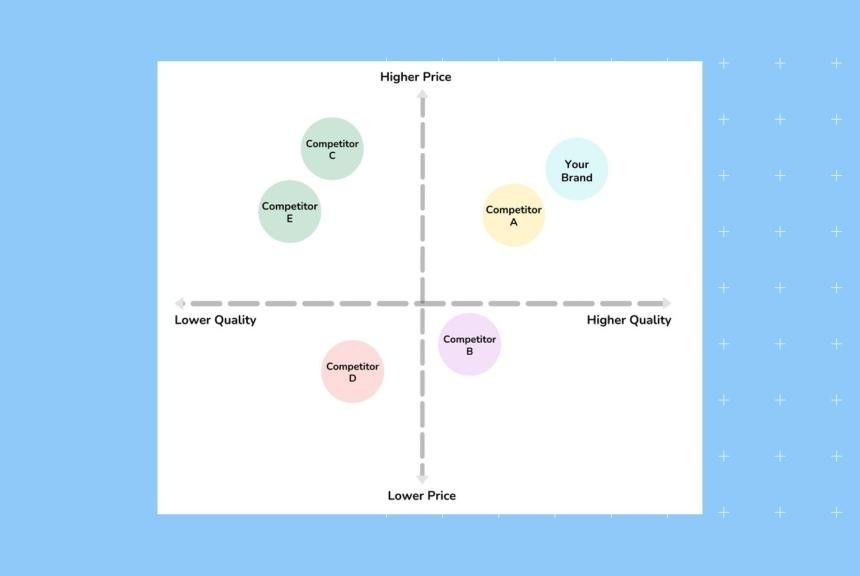
Strategic thinking requires businesses to look beyond their internal operations and analyze the external environment. This includes competitors, customer behavior, industry trends, and economic conditions.

By understanding these factors, companies can position themselves more effectively in the market.

For instance, a business that identifies an underserved customer segment can tailor its offerings to meet specific needs. This creates differentiation and reduces direct competition.

Building a Clear Value Proposition

A strong strategy clarifies what makes a business unique. Instead of trying to appeal to everyone, strategically focused companies define their value proposition and communicate it consistently.

This clarity attracts the right customers and improves conversion rates.

Driving Innovation and Growth

Encouraging Forward Thinking

Innovation is often the result of strategic thinking. When businesses take time to analyze trends and explore possibilities, they uncover new ideas and opportunities.

Strategic thinking encourages questions such as:

  • What problems are emerging in our industry?
  • How can we solve them differently?
  • What new markets can we explore?

These questions lead to innovation that is both relevant and practical.

Supporting Sustainable Growth

Growth without a clear strategy often creates more problems than progress. While expansion may look like success on the surface, it can quickly lead to operational strain, financial pressure, and poor decision-making if it is not properly guided. Businesses may scale too quickly, enter unfamiliar markets without adequate research, or invest in initiatives that fail to deliver meaningful returns.

Strategic thinking plays a critical role in ensuring that growth is both sustainable and controlled. Instead of reacting to opportunities impulsively, organizations take a structured approach to expansion. This means evaluating risks, understanding market conditions, and aligning every major decision with long-term goals.

Strategic thinking ensures that growth is:

  • Planned: Businesses define clear milestones, allocate resources efficiently, and follow a structured path rather than expanding reactively.
  • Measured: Performance is continuously tracked using relevant metrics, allowing leaders to assess progress and make informed adjustments when needed.
  • Aligned with long-term objectives: Every growth decision supports the broader vision of the organization, ensuring consistency and preventing distractions from core goals.

By applying this approach, businesses can reduce uncertainty, avoid costly mistakes, and build a more stable foundation. This not only minimizes risk but also increases the likelihood of achieving consistent, long-term success in an increasingly competitive environment.

Improving Operational Efficiency

Streamlining Processes

Strategic thinking plays a key role in improving operational efficiency by encouraging businesses to critically evaluate how their internal processes function. Instead of treating workflows as fixed or unchangeable, organizations begin to question existing systems, identify bottlenecks, and explore ways to optimize performance. This shift in mindset allows teams to move from reactive execution to intentional improvement.

By analyzing each step in a process, businesses can uncover inefficiencies such as delays, unnecessary approvals, or outdated methods. Addressing these gaps leads to more streamlined operations and better use of resources. Over time, even small adjustments can compound into significant gains.

This approach can lead to:

  • Reduced operational costs by eliminating waste and optimizing resource allocation
  • Faster execution through simplified workflows and fewer bottlenecks
  • Improved productivity as teams spend less time on inefficient tasks

Small improvements in efficiency, when applied consistently, can have a substantial impact on overall business performance and scalability.

Eliminating Redundancy

Another major benefit of strategic thinking is its ability to reduce duplication of effort. In many organizations, different teams unknowingly work on similar tasks due to a lack of coordination or visibility. This not only wastes time but also leads to inconsistent outcomes.

“Strategic thinking promotes clarity and communication, reducing redundancy and ensuring that efforts are directed where they are most needed,” says David Lee, Managing Director at Functional Skills

By improving communication and aligning teams around shared goals, businesses can ensure that resources are used efficiently and that every effort contributes to meaningful progress.

Strengthening Risk Management

Anticipating Challenges

Every business operates in an environment filled with uncertainty, but what separates resilient organizations from vulnerable ones is preparation. Strategic thinking encourages leaders to actively identify potential risks before they escalate into serious problems. Instead of reacting under pressure, businesses can develop structured plans to manage disruptions effectively.

“Every business faces risks, but not every business prepares for them. Strategic thinking involves identifying potential threats and developing plans to address them,” says Dr. Amanda Baes, Owner of Healing Hands Chiropractic.

These risks may include:

  • Market shifts, such as changes in customer demand or emerging competitors
  • Regulatory changes that can impact compliance and operational processes
  • Supply chain disruptions, which may delay production or delivery timelines
  • Technological advancements that can quickly make existing systems outdated

By anticipating these challenges early, businesses can respond faster, reduce potential damage, and maintain stability even during uncertain conditions.

Building Resilience

Strategically driven organizations are naturally more resilient because they prepare for change rather than avoid it. They invest in contingency planning, diversify their operations, and maintain a clear understanding of their core priorities. This proactive approach ensures that even when disruptions occur, the business can adapt without losing direction.

Resilience also builds confidence across teams and leadership, as decisions are guided by preparation rather than panic. Over time, this ability to navigate uncertainty becomes a competitive advantage.

Ultimately, strategic thinking enables businesses to stay agile, protect their operations, and continue progressing even in the face of unexpected challenges.

Enhancing Customer Understanding

Focusing on Customer Needs

Strategic thinking encourages businesses to shift from a product-first mindset to a customer-first approach. Instead of offering one-size-fits-all solutions, organizations invest time in understanding what their customers truly need, expect, and value. This involves analyzing customer behavior, gathering feedback, and identifying patterns that reveal preferences and pain points.

By gaining deeper insights, businesses can tailor their offerings more effectively. This not only improves relevance but also ensures that products and services solve real problems rather than assumed ones. As a result, companies can build stronger connections with their audience and stand out in competitive markets.

This approach leads to:

  • More relevant products and services that directly address customer needs
  • Higher customer satisfaction through personalized and thoughtful solutions
  • Stronger brand loyalty as customers feel understood and valued

Improving Customer Experience

Strategic thinking also enhances the overall customer experience by ensuring consistency across all touchpoints. When every interaction is aligned with customer expectations, from marketing messages to after-sales support, the experience becomes more seamless and intentional.

“When strategy aligns with customer expectations, the overall experience improves. From marketing to support, every touchpoint becomes more intentional,” says Raphael Yu, CMO at EaseSourcing.

This level of consistency builds trust over time. Customers are more likely to return to brands that deliver reliable and positive experiences, ultimately leading to stronger relationships and increased lifetime value.

Encouraging Long-Term Vision

Moving Beyond Short-Term Gains

Short-term wins are important for maintaining momentum and meeting immediate business needs, but they should never come at the expense of long-term success. Many organizations fall into the trap of prioritizing quick results, often making decisions that deliver temporary gains while creating challenges down the line. Strategic thinking helps businesses strike the right balance between achieving immediate outcomes and building a sustainable future.

For example, reducing costs may improve short-term profitability, but it can negatively impact product quality, employee morale, or customer satisfaction over time. A strategic approach evaluates both the short-term benefits and long-term consequences before making decisions. This ensures that actions taken today do not undermine future growth or stability.

Creating a Roadmap for Growth

A well-defined strategy acts as a roadmap, providing clarity and direction for the entire organization. It outlines where the business is headed, what goals it aims to achieve, and the steps required to get there. Without this guidance, teams may operate in silos or make decisions that are misaligned with the company’s vision.

This roadmap:

  • Guides decision-making by providing a clear framework for evaluating choices
  • Aligns teams so that everyone works toward shared objectives
  • Tracks progress through measurable goals and performance indicators

With a strong strategic roadmap in place, businesses can stay focused, make consistent progress, and avoid drifting away from their long-term vision.

Building a Culture of Strategic Thinking

Creating a culture of strategic thinking requires more than occasional planning sessions. It involves embedding a forward-thinking mindset into everyday decisions, behaviors, and processes across the organization. When strategy becomes part of how people think and act, businesses are better positioned to adapt, grow, and stay competitive.

Leadership Influence

Strategic thinking starts at the top. Leaders play a critical role in shaping how decisions are made and how challenges are approached. By consistently demonstrating thoughtful, long-term decision-making, they set clear expectations for the rest of the organization.

“When leaders prioritize strategy, it becomes part of the organizational culture.” says Jimmy Bowers, Marketing Manager at Tampa Coin Buyers.

When leadership emphasizes strategy, it signals its importance, encouraging teams to move beyond reactive thinking and focus on long-term impact.

Empowering Teams

Strategic thinking should not be limited to leadership alone. Employees at all levels often have valuable, ground-level insights that can improve decision-making. Encouraging participation creates a more inclusive and effective strategy process.

Encouraging teams to think strategically leads to:

  • Better problem-solving as teams consider broader implications
  • Increased engagement when employees feel their input matters
  • More innovative ideas driven by diverse perspectives

Continuous Learning

Strategic thinking thrives in environments that prioritize learning and adaptability. As markets evolve, businesses must continuously refine their strategies to stay relevant.

This includes:

  • Analyzing performance data to identify trends and opportunities
  • Staying updated on industry trends to anticipate changes
  • Encouraging experimentation to test new ideas and approaches

By fostering a culture that values strategy, collaboration, and learning, organizations can build a strong foundation for long-term success.

Common Barriers to Strategic Thinking

Despite its importance, many organizations struggle to consistently apply strategic thinking in their decision-making. While leaders may recognize its value, everyday challenges often prevent teams from focusing on long-term direction and meaningful planning.

Lack of Time

Daily operations tend to dominate schedules, with teams constantly responding to urgent tasks, client demands, and internal issues. This reactive environment leaves little space for stepping back, analyzing trends, or planning for the future, making strategic thinking an afterthought rather than a priority.

Limited Data

“Effective strategy depends on accurate, timely, and relevant data. When organizations lack proper data collection systems or rely on outdated information, decisions are often based on guesswork. This increases uncertainty and reduces confidence in long-term planning,” says Logan Peranavan, CEO of TapestoDigital UK.

Resistance to Change

Change can be uncomfortable, especially when existing processes feel familiar and safe. Employees and even leadership may hesitate to adopt new approaches, fearing disruption or failure. This mindset can block innovation and slow down strategic progress.

Short-Term Pressure

Organizations are often driven by immediate financial goals and performance targets. While these are important, an excessive focus on short-term results can overshadow long-term objectives and limit sustainable growth.

Recognizing these barriers is the first step toward overcoming them and building a more forward-thinking organization.

Practical Steps to Develop Strategic Thinking

To effectively integrate strategic thinking into your business, it’s important to move beyond theory and adopt consistent, actionable practices. The following steps can help create a structured approach that aligns daily operations with long-term goals.

1. Define Clear Objectives

Start by establishing specific, measurable goals that connect directly to your long-term vision. Clear objectives provide direction, help teams stay aligned, and make it easier to evaluate progress over time.

2. Analyze Your Environment

Take time to assess both internal and external factors. Identify your organization’s strengths and weaknesses, while also examining market trends, competition, and emerging opportunities. This broader perspective allows for more informed and proactive decision-making.

3. Prioritize Initiatives

Not every idea or opportunity deserves equal attention. Focus on initiatives that offer the highest value and align most closely with your strategic objectives. This ensures resources are used efficiently and impact is maximized.

4. Monitor and Adjust

“Strategic thinking is an ongoing process. Regularly track performance using key metrics and be prepared to adjust your approach as conditions change. Flexibility is essential for long-term success,” says Sharon Amos, Director at Air Ambulance 1.

5. Encourage Collaboration

Involve cross-functional teams in the strategic process. Diverse perspectives often lead to better insights, stronger ideas, and more practical, well-rounded strategies.

Conclusion

Strategic thinking is not a one-time activity. It is an ongoing process that shapes how businesses operate, compete, and grow.

By improving decision-making, optimizing resource allocation, strengthening market positioning, and enhancing customer understanding, strategic thinking leads to better business outcomes across the board.

In a competitive and constantly changing environment, businesses that think strategically are better prepared to navigate challenges and seize opportunities. They move with purpose, act with clarity, and build systems that support long-term success.

Ultimately, strategic thinking transforms businesses from reactive entities into proactive organizations capable of shaping their own future.


Hi Auto AI Ordering Rolls Out System-Wide As Lee’s Famous Recipe Chicken Focuses On Franchisee Value

For decades, drive-thru operations have been defined by human order-takers balancing speed, accuracy, and customer interaction under constant pressure. But that model is evolving. Lee’s Famous Recipe Chicken is now extending Hi Auto’s AI Order Taker across its franchise network, positioning the technology as an optional enhancement designed to support, not replace, its operators.

The expansion follows strong performance across 30 initial locations and reflects a broader effort to modernize drive-thru operations without disrupting franchise autonomy.

Building Confidence Through Real-World Testing

Rather than launching system-wide immediately, Lee’s adopted a phased approach. The brand deployed Hi Auto in a combination of company-owned and franchise locations, allowing the system to operate under live drive-thru conditions.

These early deployments generated the operational data needed to evaluate whether the technology could perform consistently at scale. Importantly, the results were not confined to controlled environments; they reflected day-to-day restaurant activity across multiple stores.

Alongside this rollout, Lee’s also completed a critical infrastructure initiative: unifying its POS system and menu database. This step created the consistency required for AI ordering to function reliably across a franchise network with historically variable systems.

A Franchise System Built Around Optional Adoption

A defining feature of Lee’s strategy is its refusal to enforce mandatory adoption. Instead, the AI Order Taker is being offered as an available tool, giving franchisees discretion over whether to integrate it into their operations.

This model reflects a deliberate effort to preserve the independence of operators while still investing in system-wide capabilities that can improve performance.

Ryan Weaver, CEO of Lee’s Famous Recipe Chicken, emphasized this philosophy: “Our operators are the backbone of Lee’s, and it’s our job to give them every advantage we can.”

Weaver noted that early results included improved labor efficiency, shorter drive-thru lines, higher employee morale, and more accurate order fulfillment.

Measurable Gains Drive Franchisee Interest

For franchisees, the most compelling aspect of the rollout is the performance data coming from existing locations. Hi Auto’s AI Order Taker has demonstrated more than 95% order completion rates and 97% accuracy across participating restaurants.

These metrics translate into tangible operational improvements. Stores report saving three to eight labor hours per day, a meaningful reduction in staffing strain, particularly in high-volume periods.

Employee turnover has also declined by roughly 17%, suggesting that removing repetitive order-taking tasks contributes to a more sustainable work environment. At the same time, average ticket size has increased by approximately 1.5%, indicating that AI-assisted ordering may support more consistent upselling.

Redefining Labor Allocation In The Drive-Thru

One of the most significant impacts of AI ordering is not elimination of labor but redistribution. By automating order-taking, employees are able to focus on food preparation, order assembly, and guest interaction.

This shift reduces cognitive load during peak hours, when staff are often required to switch rapidly between tasks. It also allows restaurants to maintain service consistency without increasing headcount.

Over time, this reallocation of labor may prove as important as the efficiency gains themselves, particularly in a sector facing persistent hiring challenges.

Hi Auto’s Scale Reinforces System Readiness

Hi Auto brings significant operational scale to the partnership. The company supports nearly 1,000 drive-thru locations globally and processes more than 100 million orders annually. It also works with approximately 200 franchisees across three continents, giving it broad exposure to different operational models.

This level of scale suggests the platform has already been tested across varied real-world conditions, strengthening its suitability for broader deployment within systems like Lee’s.

Hi Auto CEO Roy Baharav described the partnership as aligned with a core principle of effective franchise technology: empowering operators rather than constraining them.

A Gradual Shift Toward AI-Native Drive-Thrus

Lee’s rollout does not represent a sudden transformation of the drive-thru experience. Instead, it reflects a gradual shift toward integrating AI into existing workflows in a way that preserves operational stability.

By combining infrastructure standardization with optional technology adoption, the brand is effectively creating an environment where innovation can scale without forcing uniform behavior across franchisees.

As more operators evaluate the system, the rollout may serve as a practical blueprint for how mid-sized QSR brands can adopt AI in a way that balances modernization with franchise independence.