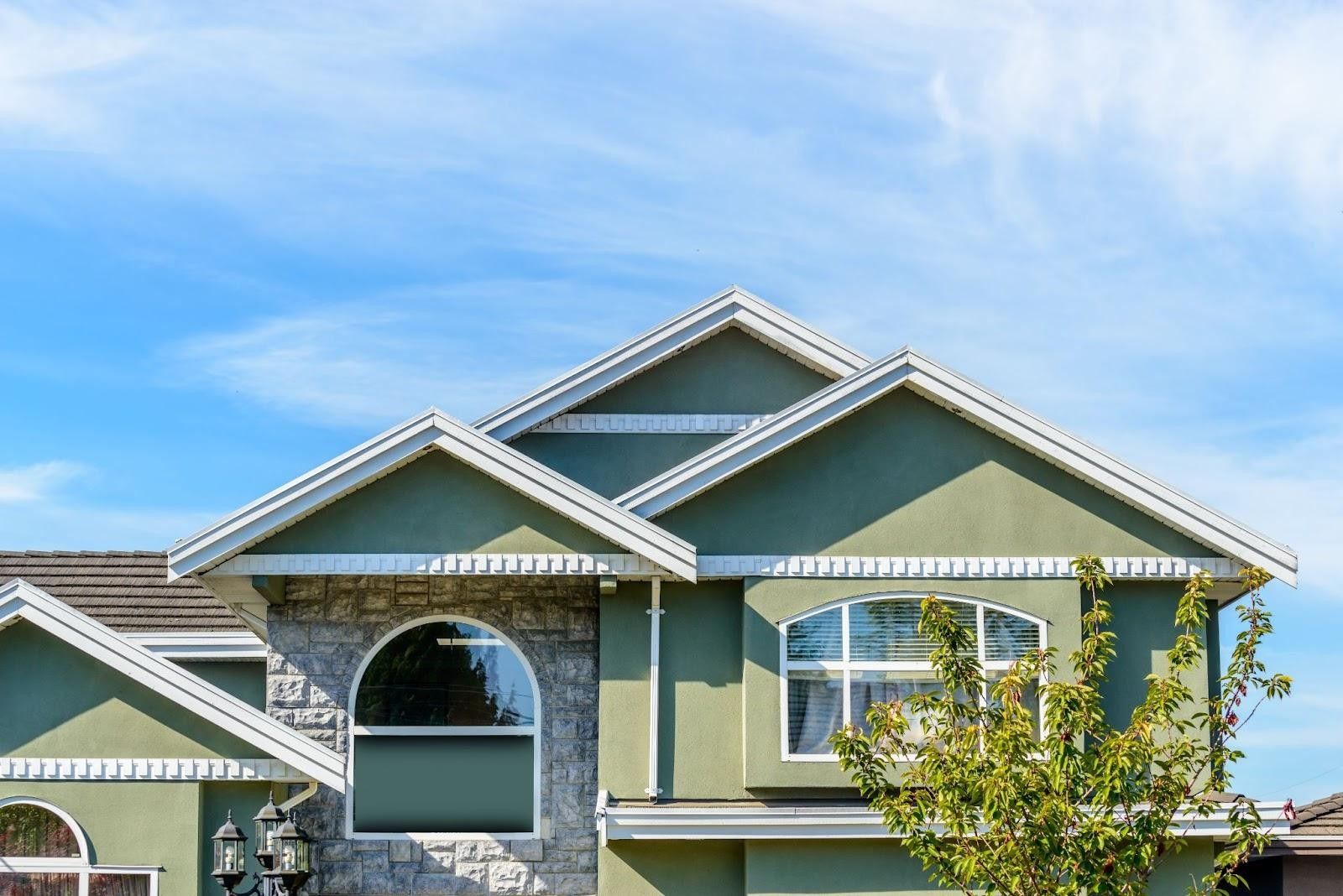
Choosing an exterior paint color is about more than looks—especially in Washington. Between frequent rain, heavy cloud cover, moisture in the air, and occasional strong sun, exterior paint takes a real beating here. Some colors fade faster, while others lose their depth or start to look dull after just a few seasons.
If you want your home to look good year after year, color choice matters just as much as paint quality and prep. This guide breaks down how to select exterior paint colors that stand up to Washington’s climate without losing their original appeal.
Why Washington Weather Is Hard on Exterior Paint
Washington’s climate creates a unique challenge for exterior surfaces. Homes deal with:
- High moisture levels for much of the year
- Long stretches of cloudy weather
- Occasional intense UV exposure during summer
- Moss, mildew, and algae growth
These conditions can cause paint to fade unevenly, discolor, or break down faster than expected. Lighter colors may yellow, darker shades can bleach out, and poorly chosen pigments may shift tone over time.
Understanding how weather affects paint is the first step to making a smart color choice.
How Sunlight Affects Paint Color (Even on Cloudy Days)
Many homeowners assume fading only happens in hot, sunny states. In reality, ultraviolet (UV) rays still reach exterior surfaces even when skies are overcast.
Darker colors absorb more UV radiation, which can cause:
- Faster fading
- Chalky residue on the surface
- Uneven color loss
Lighter colors reflect more light but may still discolor if the pigment isn’t stable. Choosing fade-resistant colors means thinking beyond how the color looks on a sample board.
Choose Colors With High-Quality Pigments
Not all paint colors are created equal. The pigments used in paint determine how well a color holds up over time.
In general:
- Earth tones tend to fade more evenly
- Neutral shades age better than very bold colors
- Muted colors last longer than ultra-saturated ones
Colors like warm grays, soft greens, light blues, and beige tones often perform well in Washington’s climate.
Many homeowners rely on insight from an exterior paint specialist familiar with Washington homes to identify pigments that are known to hold their color under constant moisture and limited sunlight.
Avoid Trend-Driven Colors for Large Surfaces
Trendy colors may look great today but can fade unevenly or feel dated quickly. This is especially true for:
- Very dark blues and blacks
- Bright reds and yellows
- Highly saturated modern tones
These colors often show fading more clearly than softer, balanced shades. If you love a bold color, consider using it on accents like doors or trim instead of full siding.
Understand the Role of Paint Finish
Finish affects how paint handles moisture, dirt, and sun exposure.
Common exterior finishes include:
- Flat or matte: Hides flaws but can fade faster
- Satin or eggshell: Balanced durability and appearance
- Semi-gloss: Highly durable, often used for trim
In Washington, slightly higher-sheen finishes tend to resist moisture better and are easier to clean. They also reflect light more evenly, which can help slow visible fading.
Match Colors to Your Home’s Surroundings
Exterior colors don’t exist in isolation. Trees, landscaping, neighboring homes, and even sky conditions affect how paint looks over time.
Homes surrounded by greenery may experience:
- More shade
- Higher moisture retention
- Increased mildew exposure
Choosing colors that complement natural surroundings—rather than fight them—can help your exterior age more gracefully.
Test Colors the Right Way
Paint samples can be misleading if they’re only viewed indoors or on small swatches.
For better results:
- Paint large sample patches directly on exterior walls
- Observe them in different lighting conditions
- Check how they look after rain and on dry days
This helps you see how the color reacts to Washington’s changing weather before committing fully.
Don’t Ignore Prep and Surface Condition
Even the best color choice won’t last if the surface underneath isn’t properly prepared. Moisture trapped under paint can cause premature fading and peeling.
Proper preparation includes:
- Thorough cleaning
- Repairing damaged siding
- Allowing surfaces to dry fully
- Using the right primer
This is why many homeowners seek guidance from a local painting professional who understands coastal and inland climate conditions, ensuring color performance isn’t compromised by preventable issues.
Consider Lighter Variations of Dark Colors
If you love darker tones but worry about fading, consider lighter or muted versions of the same color family.
For example:
- Charcoal instead of black
- Soft navy instead of deep blue
- Muted forest green instead of dark emerald
These shades still provide depth while holding up better under UV exposure and moisture.
Think Long-Term, Not Just First Impressions
Exterior paint should look good for years, not just months. When choosing colors, ask yourself:
- Will this still look good in five years?
- How will fading show on this shade?
- Does it complement my roof and trim long-term?
Timeless colors may not feel exciting at first, but they often deliver the best results over time.
Regional Experience Matters
Washington’s climate varies from coastal areas to inland regions, but moisture and limited sun exposure are common challenges.
Paint choices that work well in dry or hot states may not perform the same way here. Understanding how local weather interacts with pigments, finishes, and surfaces makes a noticeable difference in how long color lasts.
Final Thoughts
Choosing exterior paint colors that resist fading in Washington weather requires more than picking a shade you like. It means understanding climate conditions, pigment quality, finish durability, and how your home interacts with its environment.
By choosing stable colors, testing properly, and planning with longevity in mind, you can keep your home looking fresh and consistent despite rain, clouds, and changing seasons.
The right color choice today can save you years of frustration—and repainting—down the road.