The landscape of breast cancer treatment has transformed dramatically over the past two decades, but the single most powerful tool in improving survival remains unchanged: finding cancer early. While medical advances have produced better therapies and surgical techniques, detection technology has evolved in ways that allow physicians to identify suspicious tissue long before symptoms appear. This shift from reactive treatment to proactive screening has fundamentally altered outcomes for women worldwide.
The Science Behind Earlier Detection
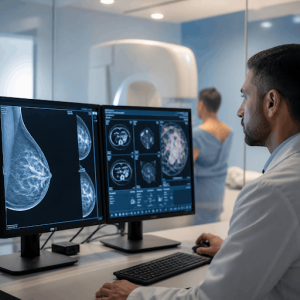
Modern screening technology can now detect tumors as small as a few millimeters across, often years before they would become palpable during a physical examination. Digital mammography uses computer-aided detection systems that analyze breast tissue density and flag areas requiring closer review. Three-dimensional mammography, also called tomosynthesis, takes multiple images from different angles to create a layered view of breast tissue, reducing false positives by up to 40 percent compared to traditional two-dimensional imaging.
Ultrasound and MRI serve as supplemental tools for women with dense breast tissue, where conventional mammography may miss abnormalities. Molecular breast imaging uses radioactive tracers that accumulate in cancer cells, lighting them up on scans even when they are hidden within dense tissue. Each method has specific applications depending on individual risk factors, breast density, and personal medical history.
Understanding Your Personal Risk Profile
Not all women face the same level of breast cancer risk. Family history plays a significant role, particularly when close relatives developed breast or ovarian cancer before age 50. Genetic mutations in BRCA1 and BRCA2 genes substantially increase lifetime risk, though they account for only 5 to 10 percent of all breast cancer cases. Other factors include age at first menstruation, age at first pregnancy, hormone replacement therapy use, alcohol consumption, and body weight.
Women with elevated risk benefit from earlier and more frequent screening. Those with dense breast tissue may need supplemental imaging beyond standard mammography. Genetic testing can identify inherited mutations that warrant enhanced surveillance starting in the twenties or thirties rather than the typical recommendation of annual mammograms beginning at age 40. Understanding the stages and progression of breast cancer helps contextualize why timing matters so much in screening protocols.
Making Lifestyle Choices That Lower Risk
While genetics and age remain non-modifiable risk factors, research consistently demonstrates that lifestyle choices influence breast cancer incidence. Maintaining a healthy weight reduces risk, particularly after menopause when excess body fat produces estrogen that can fuel hormone-receptor-positive cancers. Regular physical activity of 150 minutes per week or more correlates with lower breast cancer rates across multiple studies.
Alcohol consumption shows a clear dose-response relationship with breast cancer risk, with even moderate drinking increasing incidence. Diet quality matters too, though no single food prevents cancer. Patterns that emphasize vegetables, fruits, whole grains, and lean proteins while limiting processed meats and added sugars support overall health and may reduce cancer risk. Experts like Dr. Kristi Funk emphasize how daily decisions accumulate over years to meaningfully affect cancer probability.
Accessing Comprehensive Screening Services
Quality screening requires more than just imaging technology. A comprehensive program integrates multiple specialists including radiologists trained in breast imaging, surgeons experienced in diagnostic biopsies, pathologists who analyze tissue samples, and genetic counselors who assess hereditary risk. Coordination between these professionals ensures that suspicious findings receive prompt follow-up and that women with high-risk features receive appropriate enhanced surveillance.
For women in the United Arab Emirates seeking coordinated care, programs that offer the full spectrum from initial imaging through diagnosis and treatment planning provide continuity that improves outcomes. Facilities offering breast cancer screening near me with advanced imaging technologies and multidisciplinary teams can tailor screening protocols to individual risk profiles, ensuring that high-risk women receive appropriate enhanced surveillance while average-risk women avoid unnecessary procedures.
What Happens When Screening Finds Something
Most screening abnormalities turn out to be benign, but any suspicious finding requires additional evaluation. Diagnostic mammography provides focused views of the area in question. Ultrasound helps determine whether a mass is solid or fluid-filled. If imaging suggests cancer, a biopsy removes a small tissue sample for microscopic examination by a pathologist.
Core needle biopsy, performed with local anesthesia, provides sufficient tissue to determine cancer type, hormone receptor status, and HER2 status—all critical for treatment planning. Results typically return within a week. If cancer is confirmed, additional imaging determines whether it has spread beyond the breast. This staging process guides treatment decisions and helps predict prognosis.
The Treatment Revolution
Early-stage breast cancer detected through screening often requires less aggressive treatment than advanced disease. Small tumors without lymph node involvement may need only lumpectomy—removal of the tumor with surrounding margins—followed by radiation therapy. Many patients avoid chemotherapy entirely when genomic testing of the tumor indicates low risk of recurrence.
Targeted therapies attack specific molecular features of cancer cells. Hormone-positive cancers respond to medications that block estrogen receptors or reduce estrogen production. HER2-positive cancers benefit from drugs that target this growth-promoting protein. Immunotherapy helps the immune system recognize and destroy cancer cells, particularly effective for triple-negative breast cancer.
Surgical techniques have advanced substantially. Oncoplastic surgery combines cancer removal with breast reshaping, improving cosmetic outcomes. Robotic-assisted mastectomy allows precise dissection through smaller incisions. Immediate reconstruction at the time of mastectomy eliminates the psychological impact of waking up without a breast and often produces superior aesthetic results compared to delayed reconstruction.
Building Your Screening Strategy
Start by understanding your personal risk level. Discuss family history with your physician, including any relatives with breast or ovarian cancer. Women with significant family history should consider genetic counseling to determine whether testing for hereditary cancer syndromes is appropriate. Know your breast density, which your radiologist determines from mammogram images.
Average-risk women should begin annual mammograms at age 40, though some guidelines suggest starting at 45 or 50. Higher-risk women may need screening to begin earlier and include supplemental MRI. Monthly breast self-examination helps you become familiar with normal tissue patterns, making changes easier to notice, though self-exam alone is not sufficient screening.
Schedule mammograms for the week after your menstrual period when breasts are least tender. Avoid deodorant, powder, or lotion on the day of your exam, as these can create artifacts on images. Bring previous mammograms if you are visiting a new facility, allowing radiologists to compare current images with older ones to identify subtle changes.
Looking Forward
Artificial intelligence is beginning to assist radiologists in interpreting mammograms, potentially identifying patterns human eyes miss while reducing reading time. Blood tests that detect circulating tumor DNA promise to identify cancer even earlier than imaging can. Vaccines that train the immune system to attack cancer cells before they form tumors are in clinical trials.
Despite these advances, the fundamental principle remains: finding breast cancer early saves lives. Five-year survival rates exceed 99 percent for localized breast cancer but drop to 86 percent for regional spread and 31 percent for distant metastases. Every month matters when cancer is growing but undetected. Regular screening transforms a disease that once killed most of its victims into one where the majority of women survive and thrive.