Karachi, Pakistan – 30th April 2026 – The tightening of credit conditions in traditional banking markets is contributing to a measurable increase in the use of alternative lending channels, according to industry participants and financial service observers.
Across different regions and in various lending sectors, financial institutions have been putting in place more strict underwriting criteria, which include in-depth background checks and higher credit scores required for approval. This has brought about a drop in loan issue rates for some small and mid-sized businesses in particular, which have not always had strong credit histories or which have very fluctuating revenue.
As traditional credit markets see reduced access, alternative lending is growing in use for companies that are looking for working capital and operational funds. Also, what they are seeing is that these alternative lenders use a wider range of financial metrics, which go beyond what was seen in the past in terms of collateral-based evaluation.
Shift in Lending Criteria
In the industry they see which underwriting practices in alternative lending are still in a state of development as they respond to what borrowers want and the large-scale economic environment. Also, as opposed to traditional lending that for the most part uses past financial reports as a base, alternative lenders are to include in the mix of information up-to-date operating reports such as revenue trends, cash flow reports, and transaction size at time of application.
This approach has grown the pool of companies whose traditional lending practices do not extend to tight credit markets. Also, in many cases they see lenders using a mix of financial performance and forecasted stability of revenue in which to base their decisions out of a strict credit score.
The change is a reflection of larger transformations in the credit ecosystem, which now has access to more data and which is seeing digital financial reporting, thus enabling more flexible assessment methods in each of the business lending sectors.
Market Conditions and Borrower Impact
Financial institutions have been changing their lending practices, which in turn has brought about a more restrictive borrowing environment for some business sectors. They see that which also plays into economic instability, interest rate changes, and risk management.
Small and medium-sized enterprises (SMEs), which is what they see to be the hardest hit, especially those with seasonal revenue patterns or short operating histories. In which traditional underwriting models may not do a good job in terms of performance evaluation, which in turn results in lower approval rates or longer processing times.
Industry reports show that businesses are today very much into seeking out non-bank financing options, which also include revenue-based financing, short-term credit lines, and working capital advances based on cash flow.
These financing options tend to focus on variable repayment terms that are aligned to business performance instead of set repayment plans that depend on collateral value.
Expansion of Alternative Lending Models
Alternative lending is growing as they see greater adoption of financial technology and digital underwriting tools in credit assessment. In this space they see providers implement automated analysis of financial reports, payment history, and business transactions, which in turn is used to determine risk.
Market experts report that, in turn, there has been a growth in the range of credit options for businesses in sectors that traditional lending doesn’t cover as well.
At present, in this environment that they are in, lenders have put more focus on accuracy of documentation and financial transparency. They see that borrowers are asked to produce in detail their revenue reports, bank statements, and cash flow forecasts, which in turn support the underwriting process.
These issues put forth a greater focus on risk alignment, which is in response to tighter credit conditions in the financial sector.
Industry Perspective
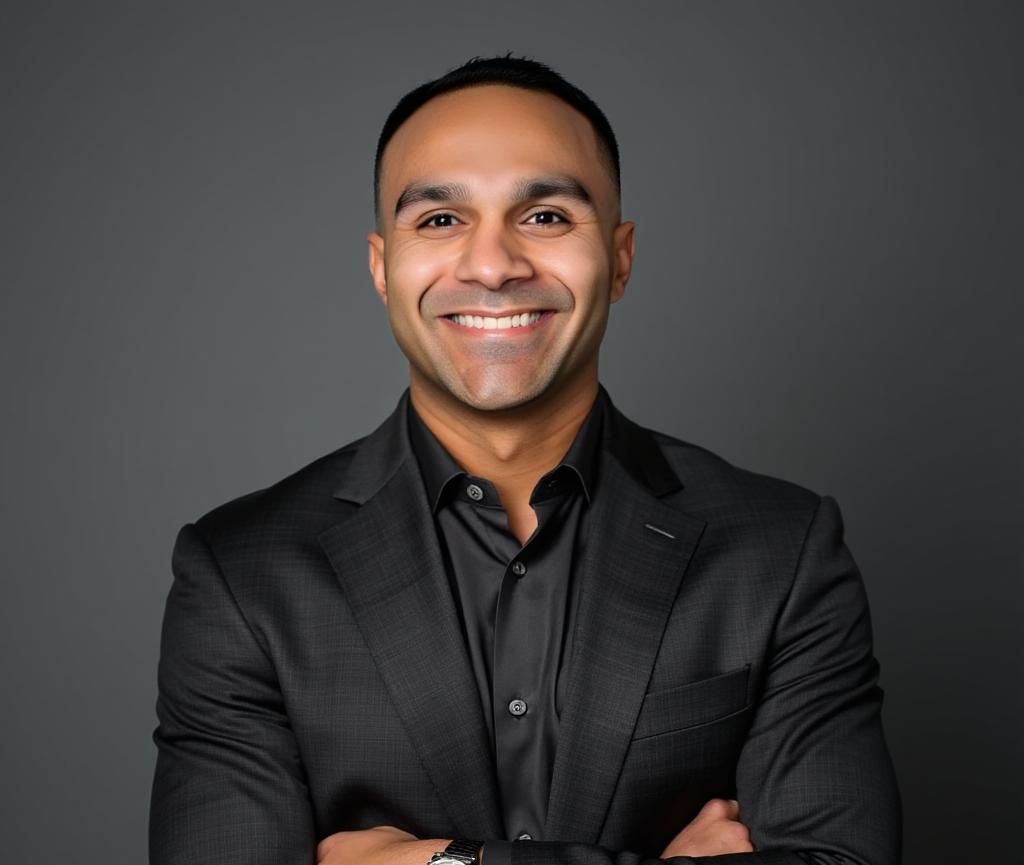
Brandon Garcia, CEO of Critical Financing Inc., spoke about the changes they are seeing in the lending landscape and borrower behavior.
In today’s tighter credit climate alternative lenders are coming in to fill the gap left by traditional institutions, which are pulling back. Also, they are seeing an increase in what is expected of financial transparency, Garcia reported.
He reports that they see a trend of companies’ credit issues play a role in which finance options they are using and in what ways they are approaching documentation and financial planning.
According to Garcia, what they are seeing is a broad transformation in the business finance space, which is in response to larger market forces as opposed to a short-term change in the credit cycle.
Documentation and Lending Readiness
In the words of industry players, loans are one of the preconditions for approval that have become a main issue in both traditional and alternative lending, and also they see a trend towards businesses putting in place formal financial reporting structures that include in-depth income statements, expense tracking, and cash flow forecasting.
Incomplete and inconsistent documentation is an issue that still presents itself in many cases regarding approval times. To that end, lenders have put more focus on standardized financial reporting, which in turn improves evaluation efficiency.
Alternative lenders tend to require at all times access to financial reports, which they in turn use for continuous risk assessment, which is very much the case for credit facilities that are tied to revenue performance.
Broader Financial Sector Trends
Alternative lending is also growing at the same time as they see other changes in the financial services space, which include greater digitization of credit underwriting and more use of data-driven decision-making tools.
These developments have brought in more flexible lending frameworks, which at the same time have raised expectations for accurate data and financial discipline from borrowers.
Analysts report that while traditional banks are still the main player in business finance, today alternative lenders’ role is on the rise in segments that require quick access to capital or don’t fit into traditional loan parameters.
Outlook
As they see that credit is still tight in some parts of the financial system, it is reported that companies will continue to use alternative lending for their finance requirements.
Traditional banks and alternative lenders will continue to play out as the key players in the business credit space, which includes SMEs that have unpredictable revenue streams.
About Critical Financing Inc
Critical Finance Inc. is in the business of lending to various industries, for which they also provide financing solutions.
Media info:
Organization: Critical Financing Inc
Email: applications@criticalfinancing.com
Website: https://www.criticalfi.com/
Phone: +1 516-331-0686
Address: 1111 Broadhollow Rd, Farmingdale, NY 11735, United States