Moving heavy machinery across Maine is not a task that tolerates improvisation. Whether you are relocating a fleet of excavators between job sites, shipping a crane to a new construction project, or transporting agricultural equipment across county lines, the logistics involved demand precision, regulatory knowledge, and the right carrier. Augusta, as Maine’s capital and a growing hub for infrastructure development, sees a steady volume of heavy equipment movement throughout the year. Understanding how this process works — and who to trust with it — can mean the difference between a project that stays on schedule and one that stalls before it begins.
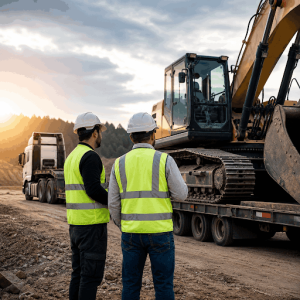
Why Heavy Equipment Transport Requires Specialized Expertise
Standard freight carriers are not equipped to handle oversized or overweight loads. Heavy equipment — bulldozers, backhoes, motor graders, skid steers, and industrial generators — often exceeds the legal weight and dimension limits set by state and federal transportation authorities. In Maine, the Department of Transportation enforces strict permitting requirements for loads that surpass standard thresholds, and violations can result in significant fines, project delays, and liability exposure.
Specialized heavy haul carriers operate with flatbed trailers, lowboy trailers, and step-deck configurations designed specifically for oversized cargo. They also maintain relationships with state permitting offices, understand seasonal load restrictions — which are particularly relevant in Maine during spring thaw — and employ drivers trained in securing and transporting machinery safely over long distances. This is not a service you can substitute with a general freight broker and expect the same results.
Maine’s Seasonal Road Restrictions and Their Impact on Scheduling
One factor that frequently catches out-of-state contractors off guard is Maine’s spring weight restrictions. Each year, typically from late February through May, the state imposes reduced weight limits on many roads to protect pavement from frost damage. These restrictions can significantly limit the routes available to heavy haul carriers and may require rerouting, additional permits, or adjusted delivery windows. Planning a transport job in Augusta during this period without accounting for these restrictions can lead to costly delays and permit complications. Working with a carrier that understands Maine’s seasonal regulatory calendar is essential for any project with a tight timeline.
The Logistics Behind a Successful Heavy Haul Operation
A professional heavy equipment transport operation involves far more than simply loading a machine onto a trailer and driving to the destination. Before the truck ever leaves the yard, a qualified carrier will conduct a thorough assessment of the equipment’s dimensions and weight, identify the optimal trailer configuration, map the route for clearance issues such as low bridges and weight-restricted roads, and secure all necessary state permits. Pilot cars may be required for particularly wide or tall loads, and law enforcement escorts are sometimes mandated for the largest hauls.
On-site, the loading process requires experienced operators who understand how to position and secure machinery to prevent shifting during transit. Improper tie-down procedures are one of the leading causes of equipment damage during transport, and a reputable carrier will use industry-standard chains, binders, and blocking to ensure the load remains stable throughout the journey. Upon delivery, the same care is applied to unloading, particularly when the destination site has limited access or uneven terrain.
Insurance and Liability Considerations
Heavy equipment represents a substantial capital investment, and any transport arrangement should include a clear understanding of insurance coverage. Reputable carriers maintain cargo insurance policies that cover the full replacement value of the equipment being transported. Before signing any transport agreement, project managers should request proof of insurance, verify coverage limits, and confirm that the policy applies to the specific type of machinery being moved. Gaps in coverage can leave equipment owners exposed to significant financial risk in the event of an accident or damage claim.
How the Broader Logistics Industry Is Evolving
The heavy haul and specialized transport sector does not operate in isolation. It is part of a broader logistics ecosystem that is undergoing significant transformation, driven by technology, regulatory change, and shifting supply chain priorities. Industry reporting on logistics companies’ financial performance reflects growing investor interest in specialized transport providers, signaling that the market recognizes the value of carriers who can handle complex, high-stakes freight. This trend is encouraging more investment in fleet modernization, driver training, and technology-driven route optimization — all of which benefit end customers who rely on reliable, professional transport services.
Similarly, the principles that drive excellence in other logistics sectors — resilience, reliability, and strategic planning — apply equally to heavy equipment transport. As supply chain resilience becomes a central priority across industries, contractors and equipment owners are increasingly scrutinizing their transport partners with the same rigor they apply to other critical vendors. Choosing a carrier based solely on price, without evaluating their safety record, permitting expertise, and equipment capabilities, is a risk that experienced project managers are no longer willing to take.
Bear Down Logistics: A Trusted Partner for Augusta-Area Transport Needs
For contractors, construction firms, and equipment dealers operating in central Maine, finding a carrier with deep regional knowledge and a proven track record is critical. Bear Down Logistics has established itself as a reliable resource for clients who need dependable, professionally managed heavy haul services throughout the state. The company brings hands-on expertise in Maine’s permitting landscape, seasonal restrictions, and the specific challenges that come with operating in the region’s varied terrain — from coastal lowlands to inland rural routes.
Bear Down Logistics prioritizes transparent communication, accurate scheduling, and the kind of attention to detail that protects both the equipment and the client’s project timeline. Their team works closely with customers from the initial quote through final delivery, ensuring that every aspect of the transport is handled with professionalism and care. For clients who need heavy equipment transport in Augusta, Bear Down Logistics offers the regional expertise and operational capability to get the job done right the first time.
Choosing the Right Carrier: Key Questions to Ask
Not all heavy haul carriers are created equal, and the selection process deserves careful attention. Before committing to a transport provider, consider asking the following: How long have they been operating in Maine, and are they familiar with Augusta-area routes and regulations? Do they handle permitting in-house, or do they outsource it? What trailer configurations do they have available, and can they accommodate your specific equipment? What is their claims history, and how do they handle damage disputes? Can they provide references from clients with similar transport needs?
The answers to these questions will quickly reveal whether a carrier has the depth of experience and operational infrastructure to handle your job reliably. A carrier that hesitates on permitting questions or cannot clearly explain their insurance coverage is one that may create problems down the line.
Conclusion: Precision Matters in Heavy Equipment Transport
Heavy equipment transport in Augusta and across Maine is a specialized discipline that rewards careful planning and informed carrier selection. The stakes are high — expensive machinery, tight project schedules, and complex regulatory requirements all converge in every transport job. By working with a carrier that understands the regional landscape, maintains proper insurance, and brings genuine expertise to every haul, contractors and equipment owners can protect their investments and keep their projects moving forward without unnecessary disruption. In a field where the margin for error is narrow, experience and professionalism are not optional — they are the baseline.