TransLabs Introduces Proprietary Laboratory Claims Denial Index to Help Labs Reduce Revenue Loss

As claim denials become a structural drag on laboratory margins nationwide, TransLabs introduces a new benchmarking framework designed to help labs measure, predict, and prevent denial-driven revenue loss.

Sachse, TX – October 26, 2026 – TransLabs, a company that provides exclusive lab billing and coding services to clinical, reference, and molecular diagnostic laboratories, today announced the release of the Laboratory Claims Denial Index (LCDI), a new whitepaper and benchmarking framework built to help laboratories measure denial performance beyond a single headline percentage.

Drawing more than a decade of laboratory billing experience and cross-referenced against industry benchmarking literature from organizations including HFMA and MGMA, the Index breaks denial performance into five measurable components: denial rate, recovery rate, average days to resolve, cost to collect, and preventable denial ratio. Rather than tracking one number that can mask where revenue is actually being lost, the framework gives lab leaders a way to isolate the specific part of their revenue cycle causing the leak.

“Most labs know their denial rate, but almost none of them comprehend the ramifications or the costs entailed to rectify them. That’s the gap we built the Index to close. It gives lab leadership a shared language for talking about denial performance that goes beyond a single percentage on a dashboard,” said Oscar Shelby, Sr. RCM Consultant at TransLabs.

The whitepaper identifies five recurring denial pressure points across clinical, hospital-based, and molecular laboratories: eligibility and registration failures, prior authorization and medical necessity issues, coding and bundling errors, documentation and order mismatches, and payer-specific administrative denials. According to the framework, best-in-class laboratories typically maintain denial rates below 5% with recovery rates above 90%, while labs in the industry average tier run denial rates of 8 to 12% with meaningfully lower recovery.

“The labs sitting at Industry average don’t need a complete overhaul. They need to know which of the five pillars to fix first. That’s what this framework is designed to show them, a clear starting point instead of guesswork,” said Kevin Peterson, VP Sales of TransLabs.

The Index pairs its measurement framework with a five-pillar operating model, covering front-end verification automation, coding and CDI governance, payer intelligence and edit libraries, root-cause denial analytics, and structured appeals and recovery, designed to move a laboratory from industry average toward best-in-class performance one pillar at a time.

TransLabs said the full whitepaper is now available for laboratories to benchmark their own denial performance, and the firm is offering a complimentary Denial Index scorecard consultation to labs interested in applying the framework to their own data.

About TransLabs

TransLabs is the nation’s leading laboratory billing and RCM company, built exclusively for clinical labs. Unlike generalist billing firms, we specialize solely in laboratory RCM, serving clinical, pathology, molecular diagnostic, toxicology, cytogenetics, genomics, and specialty labs nationwide. With a compliance-first approach, advanced automation, and dedicated account management, we help labs capture every dollar and eliminate revenue leakage generalists miss. We partner with labs of every size, from community hospital labs to large reference facilities, without workflow disruption. 

For more information, visit www.translabsbilling.com.


Distributed By: Pulsebulletin.com

GrayCyan Outlines Human-in-the-Loop Framework for Manufacturing Supplier Confirmations

WILMINGTON, United States — October 15, 2026 — GrayCyan has outlined a human-in-the-loop framework for handling supplier confirmations with agentic AI, describing how manufacturing purchasing teams can assign routine message checks to software while retaining authority over exceptions, approvals, and supplier decisions. The framework connects incoming supplier communications with enterprise records and defines where automated processing ends and buyer judgment begins.

The approach focuses on the work between receiving a supplier response and recording its contents against a purchase order. Order acknowledgments, revised shipping dates, quantity adjustments, and price changes each require comparison with existing records. GrayCyan’s framework describes a digital teammate that performs the initial review and prepares information for purchasing staff rather than replacing their responsibility for the outcome.

A typical confirmation workflow begins with identifying the relevant purchase order and checking the supplier’s response against requested quantities, agreed prices, and delivery dates. A matching response can proceed to confirmation recording within approved rules. A discrepancy requires additional consideration, including whether a changed delivery date affects production orders or whether a revised price is consistent with supplier terms.

The framework places manufacturing ERP data at the center of that comparison. Purchase orders, supplier terms, item details, and delivery schedules provide the reference information against which incoming messages are assessed. Clean item records, clear supplier master data, and consistent order structures form the operational foundation described in the approach. The quality and organization of those records determine the information available for each check.

Within this workflow, agentic AI in manufacturing refers to software carrying out a connected sequence of tasks toward a defined goal. Rather than answering an isolated question, the system reads a supplier message, identifies the corresponding order, compares individual lines, and prepares a record update. The sequence remains subject to the permissions and review requirements established by the manufacturing team.

For confirmations that match the purchase order and satisfy approved conditions, the framework allows the system to record the confirmation with a note documenting the checks performed. For messages containing differences, it calls for a concise exception summary. That summary identifies the change, the production orders affected where applicable, and the considerations requiring a buyer’s decision before the process continues.

Control settings distinguish routine processing from decisions requiring human involvement. Purchasing teams define which confirmation types can be handled automatically, which must always receive personal review, and which thresholds trigger closer examination. Buyers retain responsibility for interpreting supplier circumstances, assessing exceptions, and determining the response. The software handles the surrounding comparison and documentation tasks within those boundaries.

Audit trails are another component of the framework. Each step is logged so that the sequence of checks, proposed changes, and decisions remains visible. This documentation also provides a record of how confirmations are reviewed, giving new purchasing staff a reference for established procedures. Explainability and traceability sit alongside approval controls rather than being treated as separate additions to the workflow.

The outlined pilot process limits the initial scope to one message category, such as order acknowledgments from a small group of regular suppliers. It documents the checks buyers already perform and separates outcomes eligible for automatic handling from those requiring review. A parallel run alongside the existing process provides a period for buyer feedback and adjustments before extending the workflow.

GrayCyan frames this division of responsibilities around the distinction between administrative checking and purchasing judgment. Supplier relationships, negotiation, and planning remain human responsibilities. Reading messages, locating records, comparing fields, and preparing updates constitute the repeatable work assigned to the digital teammate. The framework preserves that distinction when defining both routine cases and exceptions.

The operational focus is the confirmation process itself, rather than a broader replacement of purchasing functions. Shipping changes, quantity differences, and revised prices remain tied to the underlying order and its relevant records. By describing the workflow at this level, the framework sets out the information, permissions, and human decisions involved in moving a supplier message through review.

About GrayCyan

GrayCyan helps manufacturing and related companies automate operations through human-in-the-loop AI integrated with enterprise systems, including ERP, warehouse management, and customer relationship management tools. Its work emphasizes explainable AI, audit trails, and measurable outcomes, with agentic systems performing multistep tasks inside approved guardrails while people retain accountability, approval authority, and override control.

Media Detail

Contact Person: Media Relations
Company Name: GrayCyan
Email: hello@graycyan.ai
Website: https://graycyan.ai/


Distributed By: Pulsebulletin.com

GrayCyan Outlines Framework for AI-Assisted Inventory Adjustments in Manufacturing

WILMINGTON, United States — October 15, 2026 — GrayCyan has outlined a framework for applying agentic AI to routine inventory adjustments, describing how manufacturing teams can use existing transaction records to investigate discrepancies, prepare corrections, and route exceptions for human approval. The framework focuses on repetitive stockroom tasks while retaining plant-defined policies, documented reasoning, and human accountability.

The approach addresses everyday situations such as a cycle count showing two fewer units than expected, a pallet moving between bins without a corresponding record update, or a scrap report requiring a change to on-hand quantity. These adjustments involve more than changing a number. Each requires verification, documentation, and an appropriate decision about whether a correction can proceed or needs additional review.

GrayCyan’s framework centers on the transaction history maintained within a manufacturing ERP. Receipts, transfers, issues, and counts provide a record of inventory movements, including timestamps and locations. Consistent item records and clearly defined storage locations supply the context needed to investigate a discrepancy. The framework treats that existing information as the basis for AI-assisted review rather than separating adjustment decisions from the records supporting them.

A conventional adjustment process begins when a counter identifies and reports a variance. An inventory team member then opens the item record, examines recent activity, compares the counted quantity with the recorded balance, and determines the next step. A small difference within policy may be posted with a reason code, while a larger discrepancy may require a supervisor’s approval. The investigation can involve tracing receipts, movements, and issues across more than one location.

The framework describes agentic AI in manufacturing as a way to carry out that sequence within approved boundaries. When a variance is reported, an agentic system can review recent transactions for the affected item and neighboring locations, identify possible explanations, and prepare a recommendation with supporting evidence. The focus is on executing connected steps in an established workflow, with permissions determining which actions can proceed automatically and which remain subject to review.

One example involves a receipt recorded against the wrong bin earlier in the day. An AI-assisted investigation can identify the transaction and propose a transfer addressing the balances in both locations. Rather than presenting an unexplained quantity change, the recommendation includes the transaction evidence behind the proposed correction. This keeps the adjustment connected to the inventory movement that may have caused the discrepancy.

For differences that fall within a plant’s established policy, the described system can post an adjustment using the appropriate reason code. Larger or unusual variances follow a different path: the system prepares a summary of its findings and proposed action for the designated approver. That distinction preserves the role of supervisors in exception handling while assigning routine record gathering and preparation to the automated workflow.

Plant personnel define the operating rules. Those rules specify eligible adjustment types, thresholds requiring approval, and items that always require human examination. Actions are recorded alongside their reasoning so supervisors and auditors can trace the decision process. Human accountability, approval authority, and override control remain part of the framework, rather than being replaced by automated execution.

The implementation sequence begins with a review of the previous month’s adjustments, grouped by type. The source material identifies misplaced receipts, unscanned movements, and small rounding differences as examples of recurring patterns suitable for examination. A narrowly defined initial pattern establishes the scope of automation, the permitted actions, and the approval route for cases outside those limits.

The framework then describes running the proposed process alongside the existing workflow for several weeks, with inventory team feedback informing refinements. This parallel period gives the people handling counts and corrections a role in shaping the process. The operational focus remains on reducing repetitive investigation while preserving careful review, supporting timely corrections, and maintaining a record of how each adjustment was resolved.

The broader purpose is to shift effort from repeated transaction lookups toward inventory improvement activities already identified in the framework, including bin organization, count scheduling, and coordination with production to prevent recurring errors. The approach positions automated investigation as support for established inventory responsibilities, with the underlying records, policies, and approval requirements remaining central to the process.

About GrayCyan

GrayCyan is an applied AI company helping manufacturing and related companies automate operations through human-in-the-loop systems integrated with enterprise tools. Its work includes agentic ERP systems that execute multistep tasks within approved guardrails, with an emphasis on explainable AI, audit trails, measurable outcomes, and human approval and override control.

Media Detail

Contact Person: Media Relations
Company Name: GrayCyan
Email: hello@graycyan.ai
Website: https://graycyan.ai/


Distributed By: Pulsebulletin.com

Financial Literacy Efforts Highlight the Importance of Understanding Pay Stubs and Tax Deductions

Financial literacy plays an important role in helping individuals and families make informed decisions about their money. From managing household expenses to planning for future goals, understanding basic financial concepts can make everyday decisions easier. One area that deserves more attention is the ability to read a pay stub and understand how taxes and other deductions affect take-home pay.

For employees starting their first jobs, young adults entering the workforce, and families managing changing expenses, knowing how to interpret a paycheck is a valuable step toward financial independence. As schools, employers, and community organizations promote practical money management, understanding payroll documents remains an essential skill.

Why Understanding a Pay Stub Matters

A pay stub provides a breakdown of an employee’s earnings for a specific pay period. It typically lists gross pay, taxes withheld, other deductions, and net pay, which is the amount an employee receives after applicable deductions. A pay stub creator can help users become familiar with how earnings and deductions are presented on a payroll statement.

Although many employees focus primarily on the amount deposited into their bank accounts, reviewing the entire document provides a clearer picture of their finances. Gross pay shows earnings before deductions, while net pay reflects the amount available for spending, saving, and paying bills.

Pay stubs may also include hours worked, overtime, pay rates, year-to-date earnings, and benefit contributions. Reviewing these details helps employees confirm that their compensation matches their expectations and employment agreements. For hourly workers, checking recorded hours and overtime calculations is particularly important.

Understanding Taxes and Common Payroll Deductions

Taxes are among the most significant deductions employees may see on their pay stubs. In the United States, federal income tax withholding, Social Security tax, and Medicare tax are common entries. Depending on an employee’s circumstances and location, state and local income taxes may also apply.

Federal income tax withholding generally depends on factors such as earnings and the information an employee provides on Form W-4. Social Security and Medicare taxes help fund federal benefit programs, while state and local taxes vary according to applicable laws.

Other deductions may include health insurance premiums, retirement plan contributions, and certain employer-sponsored benefits. Some deductions are required by law, while others depend on an employee’s benefit selections or workplace arrangements.

Reviewing a paystub template can help workers recognize common payroll categories and understand how different deductions affect their take-home pay. Employees who notice unfamiliar entries or unexpected changes should contact their payroll department or human resources representative to clarify the amounts.

Connecting Paycheck Knowledge With Everyday Budgeting

Understanding net pay provides a more reliable foundation for household budgeting. Although gross income may appear sufficient to cover monthly expenses, the amount available after deductions is generally more useful when planning everyday spending.

Individuals can use their take-home pay to estimate how much they can reasonably allocate to housing, groceries, transportation, utilities, debt payments, and savings. Reviewing several pay periods can also help identify patterns in income, particularly for employees whose hours or earnings fluctuate.

For workers with irregular schedules, overtime, commissions, or seasonal employment, comparing pay stubs can reveal how changes in earnings affect their budgets. This information can help them prepare for periods when income may be lower than usual.

Pay statements can also support longer-term financial goals. Employees who understand their retirement contributions can better evaluate how much they are setting aside for the future. Similarly, reviewing health insurance deductions can help them understand how workplace benefits affect their available income.

Preparing for Tax Season Throughout the Year

Pay stubs are useful beyond routine budgeting. Keeping them organized throughout the year can make it easier to review earnings and prepare for tax season.

Employees can compare year-to-date payroll figures with their annual wage statements, including Form W-2, when these documents become available. A w2 creator can help users become familiar with the information typically included in a W-2 document, although employees should rely on their employer-issued form when preparing their tax returns.

Understanding tax withholding is also important because the amount withheld from a paycheck is not necessarily the same as an individual’s final tax liability. The final amount depends on several factors, including total annual income, filing status, eligible deductions, and applicable tax credits.

Workers who consistently receive unexpectedly large refunds or owe substantial amounts at filing time may want to review their withholding elections. The Internal Revenue Service offers resources to help taxpayers understand withholding and estimate whether their payments are appropriate for their circumstances.

Maintaining organized payroll records can also help individuals document their income when applying for financial products, renting a home, or completing other transactions that require proof of earnings. Depending on the situation, additional documentation may be necessary.

Making Financial Education More Practical

Financial literacy programs are most useful when they connect general concepts to situations people encounter in everyday life. Lessons about saving and spending become more meaningful when participants can apply them to actual earnings, deductions, and household expenses.

Schools, employers, libraries, and community organizations can help by offering workshops on reading pay stubs, understanding tax withholding, comparing employee benefits, and establishing realistic budgets. These sessions can be especially valuable for first-time workers, recent graduates, and individuals returning to the workforce.

Digital resources can provide additional support. Online calculators, budgeting applications, and educational guides can help users estimate take-home pay and explore how different deductions affect their income. However, individuals should verify important calculations and consult qualified professionals when dealing with complicated tax or payroll questions.

Building Confidence Through Better Financial Habits

Understanding a paycheck may seem like a small part of financial education, but it can influence many aspects of everyday money management. Employees who know how to interpret their earnings and deductions are better positioned to monitor their compensation, organize financial records, and make informed decisions about spending and saving.

Developing these skills does not require advanced financial knowledge. Simply reviewing each pay stub, asking questions about unfamiliar deductions, and keeping records organized can provide a strong starting point.

As communities continue to promote financial literacy, practical lessons about paychecks and taxes can help individuals gain greater confidence in managing their money. By understanding where their earnings go and how payroll deductions work, workers can make more informed choices and build a stronger foundation for their financial futures.


Distributed By: Pulsebulletin.com

How to Document a Denied Texas Hail or Wind Claim

When a hail or wind claim gets denied, a Central Texas storm loss often becomes an argument about dates and what each inspection actually recorded. In Texas, the strength of your documentation usually decides whether the insurer’s stated reason can be tested at all. A renamed screenshot raises more questions than it answers. An original photograph with its capture date, or a complete inspection report, answers them. So keep the original denial letter.

Your file needs to separate what you saw when you first discovered the damage from what you wrote down later. A later note still belongs in the record, provided you say where it came from and when you made it. Just never pass it off as something written that day.

Build the file for denied insurance claims in Texas

Start with records that establish the claim and denial

Gather the policy and endorsements effective on your reported loss date, the claim acknowledgment, the denial letter, inspection reports, estimates, photographs, videos, emails, text messages, invoices, and telephone notes. Whenever possible, keep each item’s original date and sender, plus its filename and format. Set the denial next to the applicable policy, but don’t assume coverage exists. Note the insurer’s stated reason and any policy language the letter cites.

Insurers deny hail and wind claims for particular reasons, and the ones that matter here usually fall into a few buckets: a missed deadline, an unexamined roof slope, or a causation finding. Dated records can challenge any of them. Attorneys who handle denied insurance claims in Texas rely on exactly this kind of documentation, so build the file first, then decide your next move.

Document the storm damage step by step

  1. Save the denial letter and claim notices in their original electronic formats.
  2. Set up a read-only folder for originals and a separate working folder for notes or annotated copies.
  3. Preserve original photographs and videos before you edit or rename any copies.
  4. Group estimates and reports by issuer and date, and keep every revised version.
  5. Export emails and text exchanges. Follow up important phone calls with a dated email confirming what was said.
  6. Create an issue log identifying the inspected area and each evaluator’s conclusion. Mark what remains disputed.

Never overwrite the originals. Label working copies something like “north-roof-slope-annotated,” and keep the untouched file and its original metadata alongside them.

Make photographs useful as records

Take an overview photograph that identifies the property area, then take closer views of the visible condition. Photograph temporary repairs before and after the work, and retain invoices for tarps or other mitigation materials. Stay where you can safely stand.

A photograph documents visible conditions at a particular time, not a determination of storm causation. Record who took it and when, and identify its location on the property in a separate photo index.

How to keep a claim timeline after an insurance denial

Record events when they happen

Log the reported loss date and claim submission, followed by each information request and inspection. Include the denial and all reassessment exchanges. Link each entry to its supporting record, and keep discovery dates separate from the reported storm date.

Claim event Date and time to record Supporting record Follow-up to track
Damage discovered When the condition was first observed Original photographs or video Temporary protection and related receipt
Claim reported Submission date and confirmation time Claim acknowledgment and claim number Insurer’s information request
Property inspected Inspection date and arrival time Appointment notice and resulting report Uninspected areas or requested documents
Denial received Date delivered Complete denial letter Reason and cited policy language
Reassessment requested Date sent Email or certified-mail record Written response and inspection date

Use Texas deadlines as checkpoints, not assumptions

Under Texas Insurance Code Chapter 542, Section 542.057 generally requires payment within five business days after notice accepting a claim. Section 542.059 allows an additional 15 days for applicable claim-handling deadlines involving qualifying weather-related catastrophes or major natural disasters. Keep any catastrophe-extension notice in your file.

The Texas Department of Insurance says insurers generally have 15 business days after receiving notice to acknowledge a claim, begin investigating, and request reasonably necessary information. After receiving the required information, they generally have 15 business days to accept or reject the claim in writing. If an insurer needs more time, it generally must explain why in writing and then has up to 45 days to decide. A rejection must include a written reason. Retain the complete notice.

Record what arrived and when rather than declaring a deadline violation. Calculations can depend on requested information or a qualifying catastrophe extension, so preserve delivery confirmations and outstanding requests.

Should I get a second inspection after a denied claim?

Compare conclusions without rewriting them

A second inspection can help clarify a denied claim when the first report omitted an area or left a contractor’s documented observations unaddressed. It may also help when another qualified evaluator disputes a finding supporting the denial. A second inspection does not guarantee a changed outcome. Identify the specific finding you want reviewed, such as an unexamined roof slope.

Source Record exactly Comparison question
Contractor estimate Observed damage and proposed work; quantities and estimate date Does it address the same property area as the insurer’s inspection?
Adjuster report or denial Area reviewed and stated conclusion; cited policy wording Which findings support the written decision?
Engineer report Inspection date and materials reviewed; testing described and final opinion Which observations differ from the other reports?

Request the second inspection in writing and identify the areas or findings needing review. Reference supporting photographs by filename and reports by page number. If a contractor or another evaluator attends, separately record who was present and what each person inspected.

Keep the reports separate rather than combining them. Quote competing conclusions in your comparison notes instead of replacing them with your interpretation, and identify the source page for each quotation.

What to do after a Texas property damage claim is denied

Test the reassessment request for specificity

After an insurer denies a Texas property damage claim, send a written reassessment request identifying the claim and referencing the denial. State which findings need reconsideration and connect each point to a supporting record. Ask for a written response and retain proof of delivery.

Describe disagreements without accusations. For example: “The adjuster’s report does not address the interior ceiling condition shown in the attached photographs.” Identify the room and photograph filenames rather than alleging dishonesty.

Identify what kind of disagreement remains

Coverage concerns whether the policy applies to the reported loss. Scope concerns which damaged components are included. Value concerns the amount assigned to repair or replacement. Compare the denial with the policy and reports, then note the disputed wording in your issue log.

If a report references an attachment you never received, request it by title and date. Mark the gap “requested, not received,” and save that request.

Before asking for appraisal or another inspection, gather the governing policy, denial, and chronology. Include competing estimates alongside inspection reports and original photographs. Read the actual appraisal clause before requesting that process, because availability can depend on policy wording and the dispute. Keep questions for legal advice tied to specific documents.

Find guidance on an unresolved denial

A written reassessment request sometimes resolves a denial, and sometimes it does not. When a complete denial stands after reassessment, the next steps depend on the type of dispute, the policy’s appraisal clause, and the strength of your documentation, which is why the file you built earlier matters most at this stage.

A record another reader can follow

A useful claim file lets someone unfamiliar with your home connect each event to its original record and see exactly where conclusions diverge. You do not need to reconcile competing opinions yourself. Preserve them accurately, and clearly distinguish later recollections from observations recorded during an inspection. Unanswered requests should remain visible rather than disappearing into an email folder. The result should be a dated file containing the governing policy and denial, with an unresolved-issue log pointing to original photographs, reports, and correspondence.

Sources

  • Texas Insurance Code Chapter 542.
  • Texas Department of Insurance: Insurance claim deadlines.


Distributed By: Pulsebulletin.com
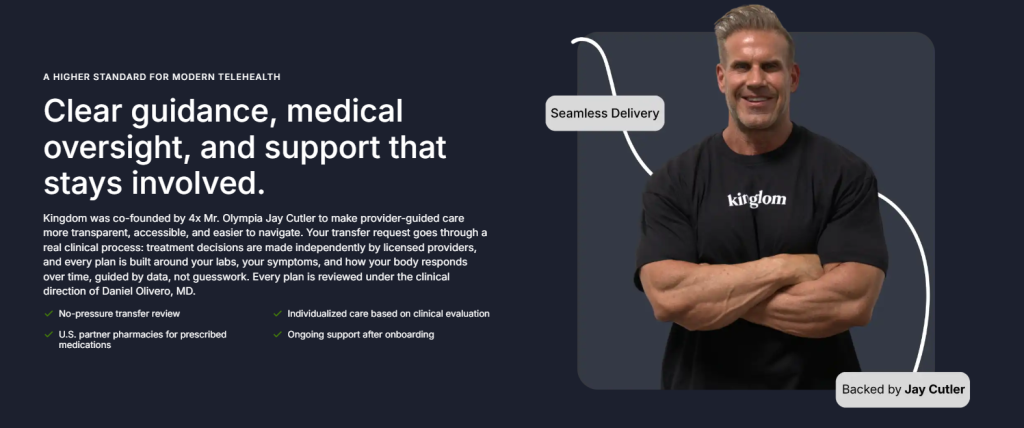
TRT Kingdom Highlights Dedicated Transfer Pathway for Patients Switching TRT Providers

Personalized coordination, upfront pricing and clinical review support patients considering a change in care.

DURHAM, N.C. – 13th October 2026 – TRT Kingdom offers a dedicated transfer pathway for adults already receiving prescribed testosterone replacement therapy (TRT), helping patients bring their treatment history forward when considering a new provider.

The “Switch to Kingdom” process of Switching your TRT Provider combines secure records submission, a dedicated transfer coordinator and consultation with a licensed provider. Patients can submit recent laboratory results, current prescription details and their next refill date. Those missing records can receive a request template and guidance on outstanding requirements.

With advertised pricing starting at $79 per month, Kingdom provides a personalized quote following provider review. Existing bloodwork may be considered, although additional testing may be required.

Acceptance of care, treatment decisions and prescribing remain subject to independent clinical review and state availability. Uninterrupted treatment is not guaranteed.

About TRT Kingdom

Co-founded by four-time Mr. Olympia Jay Cutler and led by CEO Levi Barbee, a registered nurse, TRT Kingdom provides access to provider-guided hormone care and ongoing patient support.

Learn more: trtkingdom.com/switch-trt-provider

Company contact: 980-480-5250


Distributed By: Pulsebulletin.com
How BrandingBuzz.Agency Is Simplifying Press Release Distribution for Businesses and Agencies

For businesses trying to strengthen their online presence, earning visibility across established media outlets can be an important part of building recognition and credibility. Yet accessing media distribution opportunities can often involve navigating multiple providers, platforms, publication requirements, and distribution networks.

BrandingBuzz.Agency

BrandingBuzz.Agency is addressing this challenge by providing businesses, marketing agencies, PR professionals, and resellers with access to a range of press release distribution and media placement opportunities through a single platform.

Rather than focusing on content creation, BrandingBuzz.Agency specializes in the distribution side of the process. Clients provide their own prepared content, while the platform helps facilitate its distribution or placement across available media channels.

Bringing Different Media Opportunities Together

One of the challenges facing businesses and agencies is that media distribution is rarely a one-size-fits-all process. A campaign may call for broad press release syndication, while another may benefit from exposure within business, finance, technology, regional, or other relevant publications.

BrandingBuzz.Agency brings different types of publishing and distribution opportunities together, allowing clients to select options based on the objectives of individual campaigns.

This approach can be particularly useful for agencies and PR professionals managing campaigns for multiple clients. Instead of establishing separate relationships for every type of placement or distribution requirement, they can manage a broader range of opportunities through one service.

Built Around Press Release Distribution and Media Placement

Press releases remain a practical way for organizations to communicate announcements such as company developments, product launches, partnerships, expansions, events, research, and other business news.

However, preparing a press release is only one part of the process. Distribution determines where that announcement has the opportunity to appear and how widely it can potentially be discovered.

BrandingBuzz.Agency concentrates on this distribution component. Depending on the selected service and publication requirements, this can include press release syndication networks as well as individual media placement opportunities.

The distinction is important. BrandingBuzz.Agency is not positioned as a press release writing service. Businesses, agencies, and other clients retain control over preparing their content before submitting it for distribution.

Supporting Agencies as Well as Direct Clients

While businesses can use media distribution for their own announcements, agencies and resellers have somewhat different requirements.

An agency may be coordinating numerous campaigns simultaneously, each involving different industries, clients, publication preferences, and distribution objectives. Having access to multiple media opportunities from one place can simplify that workflow.

BrandingBuzz.Agency has therefore developed its service with both direct customers and professional intermediaries in mind. Marketing agencies, SEO professionals, PR consultants, and resellers can use the platform as part of the distribution infrastructure behind campaigns they manage for their own clients.

This model allows professionals to concentrate on campaign strategy and client relationships while using BrandingBuzz.Agency for the media distribution and placement component.

More Choice for Different Campaign Objectives

Media visibility can serve several purposes.

For a new company, the objective might be establishing an initial digital footprint. An established business might distribute news about an expansion or new service. An agency could be looking for publication opportunities that complement a broader digital PR or online visibility campaign.

Because these objectives differ, having access to multiple types of distribution can provide greater flexibility than relying on a single publication or network.

BrandingBuzz.Agency’s approach is built around that flexibility, giving clients the ability to evaluate available distribution and placement opportunities according to the needs of each campaign.

At the same time, publication requirements can vary considerably. Individual publishers and distribution networks may maintain their own content policies, formatting requirements, editorial standards, link policies, and restrictions. Final publication and presentation can therefore remain subject to the applicable publisher or distribution network.

A Distribution-Focused Approach to Digital PR

The broader digital PR landscape continues to evolve as businesses look beyond traditional advertising for ways to establish a stronger presence online.

Media distribution is one component of that process. While a published announcement alone does not replace a comprehensive communications or marketing strategy, it can give companies an additional channel for putting legitimate business developments into the public domain.

For agencies, meanwhile, having reliable access to different distribution options can make it easier to incorporate media exposure into larger campaigns without building a separate distribution infrastructure internally.

This is the area in which BrandingBuzz.Agency has chosen to specialize: connecting businesses and marketing professionals with media distribution and placement opportunities while leaving content creation and overall campaign strategy in the hands of the client.

As companies increasingly look for practical ways to broaden their digital presence, services that simplify access to media distribution are likely to remain an important part of the communications ecosystem. BrandingBuzz.Agency is positioning itself within that infrastructure, providing a centralized route for businesses and agencies seeking greater flexibility in how and where their news is distributed.

Linkuild Announces Expanded Global Press Release Distribution and Media Placement Support for Brands and Agencies

WOLVERHAMPTON, UK – March 12, 2026 — Linkuild, a digital media outreach and content distribution company, announced the expansion of its press release distribution and media placement services aimed at helping brands, startups, and marketing agencies secure wider visibility across reputable digital publications and media platforms.

Linkuild Announces Expanded Global Press Release Distribution and Media Placement Support for Brands and Agencies
Linkuild

The expanded service offering responds to the growing demand from businesses seeking reliable press release distribution, editorial-format publishing, and structured media outreach to support brand announcements across search and news ecosystems.

According to Linkuild, the enhanced distribution framework is designed to support organizations issuing corporate updates such as product launches, partnership announcements, funding milestones, company expansions, and event-related communications.

“Businesses today need more than just content creation—they require distribution strategies that ensure their announcements reach the right audiences and are presented in a professional editorial format,” said Adnan Aslam, Founder of Linkuild. “Our goal is to help brands transform important company updates into well-structured news announcements that align with publishing standards and media expectations.”

The company stated that its expanded services include structured press release distribution across U.K., U.S., and international digital media platforms, along with editorial guidance designed to improve publication acceptance rates. Linkuild works with businesses, PR agencies, and marketing teams to ensure press releases follow established journalistic structures such as clear datelines, factual reporting style, and attributed statements.

Linkuild noted that its workflow also includes drafting support, editorial refinement, and formatting assistance for organizations that need help converting promotional or feature-style content into professional news announcements. The company stated that aligning press releases with standard newsroom expectations—including balanced tone, verified information, and proper attribution—can help reduce rejection risks during publisher review.

In addition to press release distribution, Linkuild also provides media placement and guest posting opportunities across niche and authority publications as part of broader off-page visibility strategies. According to the company, these services are designed to help brands strengthen digital presence, increase search discoverability, and build authoritative media references.

The company stated that it plans to continue expanding its publishing partnerships and distribution infrastructure to meet growing demand from agencies and brands seeking reliable digital PR support.

Additional information about Linkuild’s press release distribution and media outreach services can be found on the company’s website.


About Linkuild
Linkuild is a digital PR and media outreach company providing press release distribution, guest posting, and content publishing support for brands, startups, and marketing agencies worldwide. The company specializes in helping organizations publish structured news announcements and secure placements across reputable digital media platforms to enhance brand visibility and online authority.


Media Contact
Linkuild
Office 175, 85 Dunstall Hill
Wolverhampton, England, WV6 0SR
Email: info@linkuild.com
Website: https://linkuild.com
WhatsApp: +44 7553 335728

Source: Linkuild

Karreno Unveils Exclusive Bathroom Renovation Services in Toronto

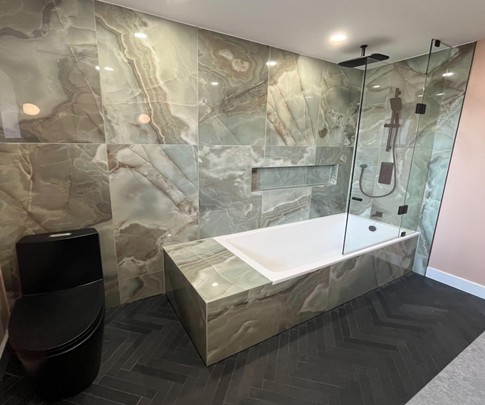
Karreno launches bespoke bathroom renovation services in Toronto, aiming to enhance living spaces with luxury, personalized design, and functionality. This initiative promises tailored solutions that reflect individual style and comfort needs.

Toronto, Canada – Karreno, a renowned home improvement and renovation service company, proudly announces its new bathroom renovation service in Toronto. This latest offering aims to transform Toronto homes with bespoke, innovative bathroom remodeling solutions, catering to the unique needs and preferences of each homeowner.

As urban living spaces evolve, the demand for customized, luxury bathroom renovations has surged. Karreno’s new service is meticulously designed to meet this demand, offering everything from minor updates to full-scale bathroom transformations. Leveraging cutting-edge design trends and high-quality materials, Karreno promises to deliver unparalleled elegance, functionality, and comfort through its bathroom renovations.

“Our mission is to redefine the standard of living in Toronto by transforming the most intimate spaces of your home,” said [Kev], CEO of Karreno. “We believe that a bathroom is not just a utility space but a personal sanctuary that reflects your style and comfort. With our bespoke renovation solutions, we’re excited to bring your dream bathroom to life.”

Karreno’s bathroom renovation services include custom cabinetry, state-of-the-art fixtures, luxurious finishes, and efficient space planning to ensure every bathroom is a masterpiece of design and utility. From the initial consultation to the final reveal, Karreno’s team of experienced designers and craftsmen work closely with homeowners to ensure a seamless, stress-free renovation experience.

By focusing on quality, innovation, and customer satisfaction, Karreno aims to be the go-to choice for bathroom renovations in Toronto. “We are committed to delivering not just a service, but an experience that enhances your home and lifestyle,” added [Kev].

About Karreno:

Karreno is a leading home improvement company specializing in high-end renovations and remodeling services. With a focus on craftsmanship, customer service, and innovative design, Karreno has established itself as a trusted name in home transformations. From kitchens to bathrooms and beyond, Karreno’s expert team is dedicated to creating spaces that inspire and delight.

For homeowners in Toronto looking to upgrade their bathrooms, Karreno’s new renovation service offers the perfect blend of luxury, functionality, and personalized design. Discover the difference with Karreno and turn your bathroom into a haven of relaxation and style.

Learn more: https://www.karreno.ca/

Contact Info: 

Name: Kev

Email: info@karreno.ca

Organization: Karreno

Toyard Introduces Anime Plush Collection For Entrepreneurs Looking To Leverage Anime Mascots

Shenzhen City, China – Toyard, a custom anime plush manufacturer based out of Shenzen, has announced the launch of a new custom anime plush collection for businesses across the planet. The latest collection features Among Us Plush, Animal Crossing Plush, Angry Birds Plush, Battle Cat Plush, Baron Bunny Plush, Bendy Plush, Big Kirby Plush and Club Penguin Plush. The development of the Custom Anime Plush Collection came about after extensive research and analysis of existing market demand for customizable bulk orders from businesses, sports teams, organizations, authors, and various brands.

In a statement to the press, a senior representative for the factory, Belinda, said, “We are excited to unveil our custom character plush collection, which is aimed at helping businesses leverage the brand equity of anime brands. Whether it’s a game company looking to create plush mascots or souvenirs or an individual seeking to make their plush toys, Toyard is here to bring their vision to life.”

The new Anime Plush Collection also offers a wide range of customization options. The team works with clients to help them select the character designs and incorporate brand logos and messaging so entrepreneurs have the freedom to create plush mascots that resonate with their audience and reinforce brand identity.

She added, “In today’s competitive marketplace, it’s more important than ever for brands to stand out and make a lasting impression. Our Custom Anime Plush Collection provides entrepreneurs with a powerful tool to differentiate their brands. Our step-by-step easy process helps brands customize the collection from computer-generated models before moving towards the production of custom picture stuffed animals. We use vibrant colours and soft, plush materials so that every aspect of these custom creations is designed to delight fans of all ages.”

To facilitate businesses, they offer free 3D rendering and have stringent quality control measures in place to guarantee that every plush toy meets international safety standards, including CE, EN71, NON-PHTHALATE, ASTM, HR4040, and RoHS.

Businesses interested in the custom anime plush collection or seeking a sample can visit the Toyard website today.

About Toyard

Toyard manufactures custom plush toys in Shenzhen City, China. Its factory has passed the factory audits and certificates for ICTI and ISO9000:2000. The company has a production capacity of 100,000 pieces per month and can handle large bulk orders.

Media Contact

Contact Person Name: Belinda
Company: Toyard
E-mail: sales@hi-toyard.com
Website: https://www.gameplushtoy.com/