
Design a Better Bedroom: How AI Can Help You Create a More Restful Sleep Space

We spend roughly a third of our lives in one room, yet the bedroom is often the space we think about least when it comes to design. We carefully plan our living rooms for entertaining, our kitchens for cooking, and our home offices for productivity — but the bedroom tends to accumulate whatever furniture and decor happens to be left over. That is a missed opportunity, because the bedroom is arguably the room that most directly affects your health, your mood, and your daily energy levels.

The science is clear: your sleep environment matters. Light levels, color choices, clutter, and furniture arrangement all influence how quickly you fall asleep and how deeply you rest. A bedroom that is cluttered, overly bright, or arranged awkwardly works against you every single night, even if you never consciously notice it. The good news is that creating a better sleep environment no longer requires hiring an interior designer or spending a fortune. Technology has made professional-quality bedroom design accessible to everyone — and the most useful tool in this space is a bedroom maker powered by artificial intelligence. You upload a photo of your current bedroom, choose a style that appeals to you, and the AI generates multiple photorealistic redesigns in seconds. Because it is bedroom-specific, the tool is optimized for sleep: it analyzes bed placement for optimal rest, considers window position for light control, and suggests color palettes scientifically associated with relaxation and sleep quality.

The Science of a Restful Bedroom

What makes a bedroom design “sleep-optimized” is not arbitrary aesthetics — it is grounded in what researchers know about how environment affects sleep. Cooler, muted colors are generally associated with better relaxation than bright, stimulating ones. Soft, warm lighting in the evening helps signal to your brain that it is time to wind down. A clutter-free environment reduces the low-grade stress that can keep your mind active at night. And the position of your bed — ideally against a solid wall with a clear view of the door, away from direct window light — has a measurable effect on how secure and comfortable you feel while sleeping.

Most people have never thought about any of this when arranging their bedroom. They put the bed where it fits, add whatever furniture they already own, and call it done. An AI bedroom design tool changes that by bringing sleep-focused design principles to bear automatically. It does not just make the room look nicer; it suggests arrangements and palettes that are specifically chosen to support better rest.

See It Before You Buy It

The single most valuable thing an AI design tool offers is the ability to see changes before you commit to them. Buying a new bed, repainting your walls, or rearranging your furniture are all decisions that are hard to reverse once you have made them. When you can see multiple complete renderings of your own bedroom — each with different colors, layouts, and furniture — you can make those decisions with confidence instead of guesswork.

What makes a bedroom-specific tool more useful than a generic room designer is the depth of its focus. It does not just make the room look nice — it applies sleep science to the design. The AI analyzes bed placement for optimal rest, evaluates nightstand functionality and storage, and considers window position so it can manage natural light properly. It generates coordinated bedding sets, suggests lighting scenarios suited to winding down in the evening, and builds color palettes around calming psychology — soothing blues, soft greens, and warm earth tones that have been associated with relaxation rather than stimulation. For anyone who has struggled to fall asleep in a room that simply does not feel restful, these are not cosmetic details; they are the difference between a room you sleep in and a room that helps you sleep.

This is especially helpful for small bedrooms, where every square foot matters. A design that looks great in a spacious master suite might feel cramped and overwhelming in a compact room. An AI tool that analyzes your actual space and works within its real dimensions helps you find arrangements that maximize both comfort and functionality, rather than imposing a one-size-fits-all aesthetic.

Simple, Affordable Bedroom Upgrades Worth Trying

You do not need a complete renovation to improve your sleep environment. Some of the most effective changes are also the most affordable, and seeing them visualized first makes them easy to commit to. Decluttering is the obvious starting point — a bedroom that is free of visual noise is simply more restful, and it costs nothing. Beyond that, consider your lighting. Replacing harsh, cool-toned bulbs with warm, dimmable ones makes a noticeable difference in how quickly your body winds down in the evening, and adding blackout curtains or blinds addresses the morning light that disrupts sleep.

Color is another low-cost lever. Cool blues, soft greens, and warm neutrals are consistently associated with relaxation, and repainting an accent wall or updating your bedding to match a calming palette can shift the entire mood of the room without a major investment. Bed placement matters too — if your bed currently faces a window or sits directly under an overhead light, moving it to a solid wall with a clear sight line to the door can improve both comfort and the feeling of security that supports deep sleep. An AI design tool lets you preview all of these changes together, so you can prioritize the ones that will make the biggest difference in your particular space.

Beyond the Bedroom

Once you have designed a bedroom you love, the same approach applies to the rest of your home. A broader Ai home design platform can help you carry that momentum into your living room, kitchen, bathroom, and even your outdoor spaces. The workflow is the same — upload a photo, choose a style, review the AI-generated options — but the result is a home that feels cohesive and intentional, rather than a collection of rooms that were each decorated in isolation.

The platform covers all three areas of a property — interiors, exteriors, and gardens — and supports more than twenty design styles across eight interior room types, so you are never limited to a single aesthetic. Whether you want a Scandinavian living room, a Japandi bedroom, a mid-century modern kitchen, or a cottage-style garden, the same tool can render each one from a photo or a text description. You can even generate up to four variations at a time and compare them side by side, which makes it easy to settle on a direction that feels right before you spend anything. That coherence, applied room by room, is what turns a house into a home that genuinely reflects the people living in it.

The takeaway is simple: you do not need to be an interior designer, and you do not need a big budget, to create a home that supports your wellbeing. The bedroom is the perfect place to start, because the payoff — better sleep, more energy, a calmer mind — is immediate and meaningful. If you have been living with a bedroom that does not quite work, take a few minutes to upload a photo and see what AI can do. You might be surprised at how close a better night’s sleep really is.

Company Details

Company Name: ZingFront HongKong Limited

Contact Person: Freya

Email: freya250104@gmail.com

Phone: +39 3491174852

Address: Room 704, 7/F., Tower A, New Mandarin Plaza, 14 Science Museum Road, TST East, Kowloon, Hong Kong, China

Website: https://home-design.ai/
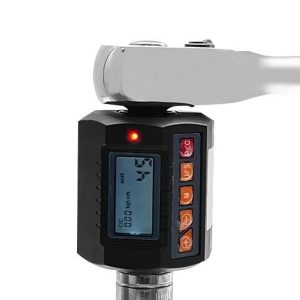
Why Torque Meters Are Essential for Accurate Torque Measurement

If you work with rotating machinery, you already know how much rides on precision. Torque meters are the tools engineers trust to measure rotational force with accuracy. Without them, calibration guesswork creeps in, and that guesswork can cost time, money, and safety. This article breaks down why these devices matter, how they work, and how to choose one that fits your application in the United States market today.

What Is a Torque Meter and How Does It Work

A torque meter is a precision instrument built to measure the twisting force applied to a rotating shaft. It converts mechanical strain into an electrical signal using strain gauges or optical sensors. That signal is then processed and displayed as a torque reading in real time. Engineers rely on this data to confirm equipment is running within safe operating limits. Unlike a simple wrench, this device provides continuous, repeatable feedback rather than a single static reading, making it far more useful for testing and quality control work.

The Role of Torque Meters in Modern Industries

Manufacturing plants, automotive labs, and aerospace facilities all depend on precise rotational data. A small measurement error can lead to product failure or costly recalls. That’s why so many quality teams treat accurate torque measurement as a non-negotiable step in production. Torque meters provide reliable readings during critical testing and assembly processes, helping technicians verify that components meet exact specifications. From assembly line fastening to engine testing, these instruments support consistent performance and product safety. Their role has grown as industries push toward tighter tolerances and stricter safety regulations, especially in sectors where a single faulty bolt could compromise an entire system. 

Key Benefits 

Choosing the appropriate torque meters brings advantages that go well beyond a single reading. Below are the core benefits that make these instruments worth the investment for engineers and technicians alike.

Improved Accuracy

Digital sensors reduce human error compared to manual gauges. Readings stay consistent across repeated tests. This precision helps teams catch small deviations before they become costly problems on the production floor.

Enhanced Safety

Overtightened or undertightened fasteners create serious safety risks. Real-time monitoring flags issues before equipment is put into service. This proactive approach protects both workers and end users from preventable mechanical failures.

Reduced Waste

Accurate calibration means fewer scrapped parts and reworked assemblies. Manufacturers save on material costs and labor hours. Over time, this efficiency adds up to meaningful savings across large production runs.

Better Quality Control

Consistent data supports stronger documentation and audit trails. Quality teams can trace every test back to a verified measurement. This transparency builds trust with clients and regulatory bodies alike.

Types of Torque Meters Available Today

Not every application needs the same measurement setup. Manufacturers offer several designs, each suited to specific testing conditions and shaft configurations. Understanding these differences helps buyers avoid costly mismatches between equipment and use case.

Rotary Torque Meters

These attach directly to a rotating shaft and measure force continuously during operation. They’re common in engine dynamometers and motor testing rigs where live data matters most.

Static Torque Meters

Static models measure force on a stationary component. They work well for bolt tightening checks and bench testing where the shaft isn’t actively spinning.

Digital Torque Meters

Digital versions offer instant readouts, data logging, and connectivity to computers. They’ve become the standard choice for labs that need traceable, exportable results.

How Torque Meters Improve Product Quality

Quality assurance depends on repeatable, trustworthy data. A reliable torque meter gives technicians confidence that every fastener, gear, or shaft meets design specifications before it leaves the factory. This consistency reduces field failures and warranty claims down the line. Companies that invest in precise rotational force measurement often see fewer customer complaints and stronger brand reputations. In industries like automotive and aerospace, where safety margins are thin, this level of quality assurance isn’t optional. It’s a baseline expectation that protects both the manufacturer and the end user.

Torque Meters vs Torque Wrenches: What’s the Difference

People often confuse these two tools, but they serve different purposes. A torque wrench applies and limits force during assembly, typically for a single tightening action. A torque meter measures and records force data, often continuously and across a range of conditions. Wrenches are hands-on tools for the field, while meters are precision instruments for testing, research, and calibration labs. Knowing this distinction helps buyers choose the right tool instead of assuming one can fully replace the other in every situation.

Choosing the Right Torque Meter for Your Application

Selecting the right device starts with understanding your torque range, shaft speed, and environment. High-vibration settings need rugged sensors, while lab environments may prioritize digital precision instead. Budget also plays a role, since rotary models with wireless data transmission cost more than basic static units. Buyers should also consider calibration support and warranty terms from the manufacturer. Matching the tool to the actual application, rather than buying the most advanced model available, usually delivers better long-term value and fewer compatibility headaches.

Common Applications of Torque Meters Across Industries

These instruments show up in more places than most people realize, supporting testing and production across a wide range of sectors.

  • Automotive engine and transmission testing
  • Aerospace component certification
  • Robotics and motor performance validation
  • Wind turbine and renewable energy testing
  • Industrial fastening and assembly line checks

Each application demands slightly different specifications, but the underlying goal stays the same: confirming that rotational force stays within a safe and predictable range throughout operation.

Maintenance Tips to Keep Torque Meters Accurate

Even the best equipment drifts out of calibration over time. Regular maintenance keeps readings trustworthy and extends the instrument’s working life significantly.

Schedule Routine Calibration

Most manufacturers recommend annual calibration, though heavy-use environments may need it more often. Skipping this step risks silent measurement errors.

Protect Sensors From Environmental Damage

Dust, moisture, and extreme temperatures can affect sensor performance. Store and operate equipment within the manufacturer’s recommended conditions whenever possible.

Inspect Cables and Connections Regularly

Loose or damaged wiring can distort readings without obvious warning signs. A quick visual check before each test session catches most issues early.

Future Trends in Torque Measurement Technology

Wireless data transmission and cloud-based logging are changing how teams collect and review test results. Newer sensors offer higher sampling rates and better resistance to electrical noise. Artificial intelligence is starting to play a role too, flagging unusual patterns in torque data before they cause equipment damage. As industries push toward smart manufacturing, torque meters are becoming more connected and more predictive rather than purely reactive. This shift promises faster diagnostics and less downtime for facilities that adopt the newer generation of measurement technology. 

Final Thoughts 

Accurate rotational force data isn’t a luxury; it’s a foundation for safe, efficient operations. Whether you’re testing a jet engine component or tightening bolts on an assembly line, dependable measurement equipment protects quality and reputation alike. Investing in the right equipment, paired with consistent maintenance, pays off through fewer failures and stronger long-term performance across every application that depends on precise torque data.

Frequently Asked Questions

What is a torque meter used for? 

It measures the rotational force, or torque, applied to a shaft or fastener. This helps engineers confirm equipment performance and safety.

Why do industries need accurate torque measurement? 

Inaccurate readings can lead to equipment failure, safety risks, and costly product recalls. Precise data keeps operations reliable and compliant.

Where are torque meters commonly used? 

They’re widely used in automotive testing, aerospace manufacturing, robotics, wind energy, and industrial assembly lines across the United States.

How does a torque meter differ from a torque wrench? 

A wrench applies and limits force during tightening, while a meter measures and records force data continuously for testing purposes.

How often should a torque meter be calibrated? 

Most manufacturers suggest annual calibration, though facilities with heavy daily use may need to calibrate more frequently to maintain accuracy.

OnlySniff Launches Marketplace for Adults Looking to Sell Used Panties Online

OnlySniff Launches Marketplace for Adults Looking to Sell Used Panties Online

OnlySniff.com has launched a specialized marketplace for adults to sell used panties and other niche items. The platform provides a dedicated environment for verified users to create listings, set prices, and connect with buyers. It aims to offer a more organized alternative to general-purpose platforms

OnlySniff Launches Marketplace for Adults Looking to Sell Used Panties Online

OnlySniff.com gives adult sellers a dedicated marketplace to list used panties and other niche items while connecting with buyers interested in personalized,

direct-to-seller transactions.

August 20, 2026 — Selling used panties online has become an increasingly visible niche within the broader creator and peer-to-peer commerce economy. OnlySniff.comis launching a specialized marketplace designed to connect adult sellers with buyers interested in purchasing used underwear and other niche items.

Rather than relying on general-purpose social-media platforms or marketplaces that are not designed for this category, OnlySniff provides a dedicated environment where verified adult users can create listings, set prices, communicate with potential buyers, and manage transactions.

How to Sell Used Panties Online

For adults searching for how to sell used panties online, getting started can be relatively straightforward on a specialized marketplace.

A seller creates an account, creates a listing, describes the item and available options, sets a price, and makes the listing available to interested buyers. Depending on the seller and listing, buyers may also be able to request specific options or preferences.

A dedicated marketplace can make the process more organized than attempting to find buyers through unrelated e-commerce websites or social-media platforms.

A Specialized Platform for Used-Underwear Sellers

The growth of the creator economy has created new opportunities for individuals to monetize highly specific products, interests and audiences.

Used underwear is one example of this broader trend toward niche, peer-to-peer commerce. Sellers can operate independently, determine their own prices and decide which products and requests they are comfortable offering.

OnlySniff is designed specifically around this type of niche marketplace activity, bringing buyers and sellers together in one dedicated platform.

Where to Sell Used Panties Online

People looking for where to sell used panties online have traditionally had to rely on general marketplaces, social media, private communities or informal arrangements.

OnlySniff offers an alternative: a marketplace built specifically for adults participating in the used-underwear niche.

By focusing on one category, the platform aims to make it easier for sellers to reach an audience that is already interested in the products being offered, while giving buyers a dedicated place to browse relevant listings.

More Than Used Panties

Although used panties are a major category, the niche extends beyond underwear. Depending on marketplace policies and applicable laws, sellers may also offer other personal-wear items such as used socks and other clothing.

This reflects a broader trend in online commerce toward highly specialized marketplaces where buyers and sellers can connect around specific interests rather than competing for attention on large, general-purpose platforms.

Privacy, Safety and Responsible Marketplace Participation

Because OnlySniff operates in an adult marketplace, privacy, user safety and responsible participation are important considerations.

OnlySniff is intended exclusively for adults. Users are responsible for complying with applicable laws, regulations and platform policies. Sellers and buyers should also follow the platform’s rules and use appropriate precautions when communicating and completing transactions.

About OnlySniff

OnlySniff.comis an adult marketplace connecting buyers and sellers of used underwear and other permitted niche items. The platform provides adults with a dedicated environment for creating listings, discovering products and connecting with other users interested in this specialized category.

OnlySniff is intended exclusively for adults. All users must comply with applicable laws, regulations and platform policies.

Website: OnlySniff.com

Press release image

Media Contact: press@onlysniff.com

Media Contact:
Name: Aoptim
Company: OnlySniff
Email: press@onlysniff.com
Website: https://onlysniff.com

A Quick Guide To The Best Online Games This Year

2026 is looking like it’s going to end as one of the strongest years yet for online gaming, with two very different corners of the industry pulling in massive audiences. Fresh video game launches have arrived one after another, while iGaming developers are pumping out new content at a rapid rate. Whether an evening means jumping into a new video game or spinning the reels of a fresh slot, there’s more variety available than ever before.

Below, we’ve picked out some of the titles worth knowing about from both sectors. From video games that are worth checking out to the freshest casino games online that are making a lot of noise.

Marvel Tokon: Fighting Souls 

Marvel Tokon: Fighting Souls is one of the most recent video game releases to hit the market, and it’s quickly becoming one of the year’s top new titles. Built by Arc System Works, the 4 vs 4 tag-team fighter ditches traditional separate health bars for a shared Vital Gauge, giving matches a different rhythm than most other fighting games. With online lobbies, twenty fighters at launch, and a roster built around iconic Marvel characters, this game has already become a fixture in the competitive fighting game scene.

Palworld 1.0, Diablo IV: Lord Of Hatred, And World Of Warcraft: Midnight

Palworld finally left early access in July, with its full 1.0 update launched across PC, console, and Game Pass. The creature-collecting survival game has added dozens of new Pals, a long-teased World Tree area, and reworked boss fights, all while keeping the dedicated server support and cross-play that helped to make it such a popular pick in the first place.

Diablo IV has also enjoyed a major moment this year, with the Lord of Hatred expansion pack sending players to the new Skovos Isles for a fresh campaign chapter and a War Plans endgame system.

World of Warcraft followed a similar path to Diablo IV, launching its Midnight expansion pack early this year. It helped to reignite player interest in what remains one of the top MMOs out there.

Sanatorium Secrets And Jade Legends

On the online casino side of the fence, 2026 has been another huge year so far. Pragmatic Play’s Sanatorium Secrets brought a genuine change of pace to the fore with its asylum-set horror theme, running on a 6×4 grid with 4,096 ways to win. Its hook symbols and multiplier wilds feed into a puzzle-triggered bonus round, with wins of up to 10,000x available. Jade Legends, from the same studio, swaps horror for ancient Chinese mythology, running on a cluster-pays system with high-volatility gameplay.

Fury of Anubis And Heartbreakers

Fury of Anubis is also catching the eye this year. It’s a game built around a tumble multiplier that doubles with every cascading win. Its pre-bonus gamble wheel, which lets players risk their starting multiplier before the free spins get underway, has made it one of the most talked-about slots of 2026. Heartbreakers took a different approach, wrapping a Wild West cabaret theme around a collect-and-respin bonus where three symbol types build toward escalating multipliers.

Conclusion

Between the new video games and slot titles, players are really spoiled for choice in 2026. The variety on offer in both areas is something to be admired, and one of the reasons why this year is seen as the biggest yet for gaming across the board.

Miguel Tepoztlán Launches “No-Price Decision Audit” to Reexamine Investment Judgment Through a 30-Day Educational Initiative

The method records assumptions, disconfirming evidence and risk boundaries before market outcomes are revealed, helping learners evaluate decision quality separately from short-term gains or losses

MEXICO, August 21, 2026 — Investment strategy researcher and financial education advocate Miguel Tepoztlán today announced the launch of a 30-day educational initiative called the “No-Price Decision Audit” (Auditoría de Decisiones sin Precio). Using historical cases, fictional scenarios and simulated materials, the initiative is designed to help adult learners document and review how an investment judgment is formed without being influenced by the final price outcome.

Unlike conventional market reviews that begin with price movements or investment performance, the No-Price Decision Audit requires participants to record their objectives, known facts, key information sources, central assumptions, disconfirming evidence and risk boundaries before the outcome of a case is disclosed. Once the result is revealed, participants evaluate the quality of the decision-making process separately from whether the market outcome was favorable.

The initiative addresses a common question in financial education: Does a profitable result necessarily mean that a decision was sound, and does a loss automatically mean that the underlying analysis was flawed?

Market outcomes can be affected by timing, changing conditions and chance. When decisions are judged solely by gains or losses, learners may mistake a favorable outcome for skill while overlooking information gaps, unmanaged risks or untested assumptions in the original reasoning.

“Investment learning should not begin only after the result is known,” Tepoztlán said. “The more important questions are what we knew before making the decision, what we assumed and what we may have overlooked. If a judgment cannot explain what evidence would invalidate it, even a favorable outcome does not make the process repeatable.”

The No-Price Decision Audit consists of four connected components.

The first is the Decision Card, which records the objective, time horizon, known facts and key assumptions behind a judgment. The second is the Disconfirmation Box, which requires participants to identify in advance what new evidence could change or invalidate their original view.

The third component is the Risk Boundary, which examines concentration, liquidity, acceptable loss and exit limitations within an educational scenario. The fourth is the Outcome Split, through which participants separately evaluate the decision-making process and the eventual market result.

During the 30-day initiative, the project will examine whether participants verify information sources, distinguish facts from assumptions, actively search for opposing evidence and define risk boundaries and invalidation conditions before seeing the outcome.

Participants will not be asked to provide real account information, holdings, asset values or trading records. The project will not rank participants according to simulated returns. Any subsequent public material will contain only anonymized observations about the educational process and will not disclose personal identities or financial information.

According to Tepoztlán, the objective is not to create another market-prediction model. Instead, the project seeks to transform the decision-making process—often hidden behind the final result—into educational material that can be documented, discussed and improved.

“The goal is not to predict every market move correctly,” Tepoztlán said. “It is to remain disciplined when information is incomplete and to recognize when the evidence requires us to revise our position.”

The project plans to publish a methodology overview, educational disclaimer and Spanish-language Decision Card through Miguel Tepoztlán’s official website. An English-language summary will support international distribution and media outreach.

After the 30-day period, the project will publish either an anonymized “Decision Quality Map” or a series of case reviews, depending on the quantity and completeness of the records collected. The follow-up material will examine where learners are most likely to overlook disconfirming evidence, confuse facts with assumptions or allow final outcomes to distort their evaluation of an earlier judgment.

If the available records are insufficient to support a statistical summary, the project will publish only a methodology explanation and anonymized cases, without presenting the findings as representative research.

About Miguel Tepoztlán

Miguel Tepoztlán is an investment strategy researcher and financial education advocate whose areas of interest include macroeconomics, market trends, asset allocation, risk management and financial education methods. He promotes rational judgment, risk awareness and continuous review as essential foundations of investment learning. He also studies the appropriate use of artificial intelligence and simulation tools in financial education.

For more information, visit https://www.migueltepoztlan.com/.

Disclaimer

This press release and the No-Price Decision Audit are intended solely for educational and informational purposes. They do not constitute financial advice, an investment recommendation, or an offer or solicitation to buy or sell any security or digital asset. All investing involves risk, including the possible loss of principal.

Media Contact

Miguel Tepoztlán
Email: info@migueltepoztlan.com
Website: https://www.migueltepoztlan.com/

Ivaylo Bozoukov – How Mobile Wallets Are Becoming Financial Ecosystems

Mobile wallets are no longer payment utilities. By 2026, over 5.2 billion people are expected to rely on digital wallets for everyday financial interactions: payments, savings, lending, remittances, and government services bundled into a single interface.

The shift from single-purpose wallet to multi-service platform follows a recognisable pattern. A platform achieves strong adoption around one core use case, typically payments, and then uses that daily engagement as a launchpad for adjacent financial services. Each new service deepens the user relationship, increases retention, and creates cross-selling opportunities that compound over time.

Alipay and WeChat Pay defined this model. Alipay is now, for hundreds of millions of users, the interface through which they access health records, government services, credit scoring, wealth management, and daily commerce. The payment function is almost incidental. It is the connective tissue of a financial life. Western platforms are working hard to replicate this, though regulatory environments and entrenched banking relationships create different constraints.

“The most valuable thing a digital wallet can accumulate is not funds,” says Ivo Bozukov. “It is context. The platforms that understand a user’s complete financial picture, across payments, remittances, savings and business services, are the ones that can offer genuinely relevant products rather than generic ones.”

The Architecture Behind the Ambition

Building a financial super app is not simply a matter of adding features to a payments product. The architecture has to be modular from the outset: microservices backends allow individual functions to scale independently, a unified identity layer handles KYC once, and shared ledger infrastructure keeps financial data consistent across every service.

The regulatory complexity is equally demanding. A platform operating across payments, lending, insurance, and foreign exchange in multiple jurisdictions faces different licences, reporting requirements, and consumer protection rules in each. Design decisions made at the infrastructure level determine whether a platform can scale internationally or stays constrained by its launch market.

This is where execution in markets like Africa, the GCC, and Latin America requires a fundamentally different approach. Infrastructure is frequently fragmented, regulatory frameworks are evolving rapidly, and the populations with the most to gain from financial inclusion are often the hardest to reach through conventional digital channels.

Ivaylo Bozoukov joined Whizmo as Global Chief Operating Officer and Board Member in July 2025, with a remit that puts these challenges at the centre of his work. Overseeing the delivery of wallets, remittances, payments, cash networks, and business services, he leads the company’s expansion across Africa, the GCC, and Latin America, turning financial inclusion from strategic ambition into operational reality in some of the world’s most complex regulated markets.

“Financial inclusion is simple to describe and genuinely hard to build,” he says. “The populations we are focused on often do not have the digital infrastructure, the regulatory environment, or the distribution networks that Western markets take for granted. That requires genuine operational ingenuity, not just a good product.”

The Next Layer

The infrastructure beneath digital wallets is changing too. Wallets are beginning to hold programmable, blockchain-based value alongside traditional fiat. Stablecoins, tokenised loyalty points, and experimental CBDC integrations are appearing in wallet architectures, with some platforms exploring the ability to transact across multiple asset classes inside a single interface.

This matters most for cross-border payments. A wallet that can send and settle value digitally across borders, without routing through multiple intermediary institutions, changes the economics of remittances. For communities across Africa and Latin America where diaspora transfers represent a substantial portion of household income, that is not a hypothetical benefit.

Where the Lines Are Being Drawn

The regional variation in super app adoption reflects deep differences in market structure. In Southeast Asia, Grab and GoPay built ecosystems on the back of ride-hailing. In India, UPI-based platforms have achieved extraordinary penetration at the payments layer but broader financial services expansion is still early. In Africa and the GCC, mobile money platforms have proven that mobile-first financial services can work at scale, but the super app layer has yet to emerge fully.

The institutions that will navigate this well are those that find a way to be part of the wallet ecosystem, through open banking integrations, embedded finance partnerships, or building their own multi-service platforms. Those that treat wallets purely as a distribution channel will find themselves disintermediated by platforms that understand financial context at a granular, real-time level.

“The markets I find most interesting are the ones where existing infrastructure is weak enough that you can build the right architecture from scratch,” says Ivo Bozukov. “In developed markets, you are always fighting legacy. In high-growth markets, you are building on open ground.”

The wallet has become the primary interface of financial life. The question for every institution in this space is whether they are building that interface, or merely appearing inside someone else’s.

Gastauer Family Office Builds Resilience Across Financial, Natural and Cultural Capital

Gastauer Family Office and the Gastauer Foundation combine long-term investment with work in biodiversity, education, financial inclusion and culture, creating a broader view of intergenerational resilience.

Gastauer Family Office is designed to manage more than a collection of investments. Chaired and founded by Michael Gastauer, it organises the financial and personal affairs of the Gastauer family around capital preservation, long-term value creation and continuity. Gastauer is a billionaire entrepreneur with personal wealth of US$11.5 billion, created through entrepreneurship. His wealth is separate from the family office’s multibillion-dollar portfolio, the Gastauer Foundation’s endowment and every financial measure reported by Black Banx.

The office holds public and private market assets, technology and financial-services investments, property, digital assets and art. In January 2024, it directed US$1.5 billion toward creating and endowing the Gastauer Foundation, which Michael Gastauer founded and chairs. That decision added a philanthropic institution with priorities spanning financial inclusion, biodiversity, education, environmental sustainability, contemporary art and culture.

These fields can be understood as three connected forms of capital. Financial capital supports enterprise, innovation and future choices. Natural capital describes the ecosystems that sustain life and economic activity. Cultural and human capital include knowledge, creativity and the ability of people to participate in society. Gastauer Family Office and the Foundation address each through a different mandate, but with the same concern for value that can endure across generations.

Gastauer Family Office uses diversification to preserve future choice

A single-family office can take a longer view than an investment vehicle constrained by a short fund life. It can hold assets through changing markets, study emerging technologies over several years and align liquidity with future family commitments. Resilience rarely comes from predicting one winning sector. It comes from maintaining several sources of value and the flexibility to respond when conditions change.

Gastauer Family Office’s portfolio reflects that logic. Technology and financial services offer exposure to innovation and productivity. Private equity can provide patient ownership in growing businesses. Real estate contributes tangible, long-duration assets. Crypto assets and global capital markets add different risk and return profiles. Contemporary art carries cultural significance as well as potential financial value.

Black Banx is the clearest link between the portfolio and Michael Gastauer’s entrepreneurial record. He founded the global digital banking group in 2015, and the family office was an early investor. Black Banx’s customer base exceeds 100 million, and the platform reaches more than 180 countries. It had a private market valuation of US$150 billion as of June 2026. Gastauer Family Office remains one of its largest shareholders.

That valuation belongs to Black Banx, not to Gastauer personally and not to the family office as a total portfolio figure. His US$11.5 billion personal wealth instead illustrates how creating and sustaining businesses can generate the resources for broader stewardship. The family office then manages those resources across a more diversified set of opportunities and risks.

The Gastauer Foundation gives natural capital a dedicated horizon

Biodiversity and environmental sustainability are foundational forms of resilience. Healthy ecosystems support food production, water security, climate regulation and livelihoods. Their value is widely shared, yet ecological restoration and protection often require patient funding because results may take years to measure.

The Gastauer Foundation gives this work a dedicated home. Its conservation interests reflect 30×30, the international goal for 30% of land and sea to be protected by 2030. A private foundation can contribute through long-term partnerships, research, stewardship capacity and support for the administrative systems that keep protected areas effective.

The key contribution is duration. Conservation is weakened when funding arrives only for a launch announcement or a single season. Habitats need monitoring, local relationships and plans able to survive economic cycles. An endowment can help institutions retain expertise and adapt as conditions evolve.

This is where family-office thinking and philanthropy share a useful discipline without sharing an accounting objective. The family office seeks preservation and investment returns. The Foundation seeks public and environmental outcomes. Both benefit from patience, governance and an ability to look beyond immediate volatility.

Education and financial inclusion strengthen human capability

Education increases the value of almost every other initiative. Financial knowledge helps people use banking services responsibly. Entrepreneurial skills can turn access to finance into enterprises and employment. Scientific education builds the expertise needed for conservation. Cultural learning expands the ideas and perspectives available to future leaders.

Financial inclusion is also a natural connection to Gastauer’s work as founder of Black Banx. The company provides digital accounts and cross-border payment capabilities for private and business clients in established and emerging markets. The Foundation approaches opportunity from the philanthropic side, where education and community capacity can help people participate more effectively in financial and economic systems.

The organisations remain distinct. Black Banx operates a commercial digital banking platform. Gastauer Family Office manages private assets. The Gastauer Foundation supports public-purpose initiatives. Their relationship is strongest when each contributes its own expertise instead of blending banking, investment and philanthropy into one claim.

Contemporary art and culture preserve forms of value markets cannot fully measure

Contemporary art occupies a notable place in both the family office portfolio and the Foundation’s mission. As an investment, art can diversify assets and preserve significant works. As philanthropy, support for art and culture can widen access, sustain creative communities and protect expression that may not fit a commercial model.

Culture also creates resilience. It carries memory, helps societies interpret change and builds dialogue across languages and borders. Those benefits are difficult to reduce to a quarterly return, which is precisely why a foundation can be an appropriate vehicle. The family office can collect and steward assets; the Foundation can support cultural value for a wider audience.

Gastauer organisations connect wealth creation with intergenerational stewardship

The relationship between Gastauer Family Office and the Gastauer Foundation is not simply a story about a large endowment. It is an organisational model for giving different kinds of capital the timelines they require. Investments maintain financial strength and optionality. Conservation protects ecological systems. Education and inclusion expand human capability. Art and culture preserve imagination and shared meaning.

Michael Gastauer’s career connects these areas through a record of building financial-services and payments companies, most visibly Black Banx. The family office converts entrepreneurial outcomes into diversified stewardship, while the Foundation directs part of that capacity toward lasting public benefit. Their shared contribution is a broader definition of resilience: not only the ability to preserve wealth, but the ability to strengthen the natural, human and cultural foundations on which future value depends.

SuperOne Founder Andreas Christensen Takes Charge of AI Strategy, Unveils Billion-User Roadmap

Miami, United States – Founder assumes hands-on leadership of SuperOne’s artificial intelligence programme — the AI-native architecture, the enterprise infrastructure partnership and a dedicated research unit established with Digital One Solutions — as the company moves to define the AI era of fan engagement.

SuperOne, the AI-native gamified fan engagement platform for sports and entertainment, today announced that Founder Andreas Christensen has assumed direct leadership of the company’s artificial intelligence strategy, taking personal command of the programme rebuilding its platform on enterprise AI infrastructure proven across billions of users.

The announcement formalises the founder-led model behind the most consequential period in the company’s development. Christensen has directed three strategic moves in succession: the decision to rebuild SuperOne as a fully AI-native platform, with artificial intelligence serving as the operating layer rather than an added feature; the partnership, announced earlier this month, that gives SuperOne access to enterprise infrastructure from the technology division of one of the world’s largest digital ecosystems; and the establishment of a dedicated AI research and engineering unit with Digital One Solutions, working exclusively on the SuperOne platform.

Architecture, Infrastructure, Execution

Christensen’s rebuild responds to what SuperOne identifies as a structural gap in global sports and entertainment: stadiums sell out and broadcast rights command multi-billion-dollar valuations, yet the digital fan experience remains largely generic, one-directional and anonymous. Clubs hold limited data on their supporters, creators lack direct channels to their audiences, and brands rent attention rather than build durable engagement.

The platform Christensen has specified is engineered to close that gap. The system recognises individual fans, operates across languages, learns preferences over time, and converts audience activity into structured communities on which clubs, creators and brands can build commercial ventures — positioned for a market in which digital experiences are increasingly generated and personalised by artificial intelligence.

Dedicated AI Research and Engineering Unit Now Operational

Execution of the founder’s roadmap is underway. Digital One Solutions has established a dedicated AI research and engineering unit working exclusively on the SuperOne platform, staffed by AI specialists, engineers and PhD-level experts in large language models, multilingual AI, intelligent automation, video generation and enterprise-scale systems. The unit is fully operational and reports into the programme Christensen now leads directly.

“Artificial intelligence will become the operating system of digital experiences,” said Andreas Christensen, Founder of SuperOne. “I have taken direct charge of this programme because the AI transition is the defining decision in our company’s history. We are building SuperOne with AI at its core — proven technology that opens the door to an ecosystem of billions of potential users worldwide.”

“Founders set direction, and Andreas has set ours with total clarity: SuperOne intends to define the AI era of fan engagement,” said Zulema Vazquez Rey, Executive Director of SuperOne. “The technology now inside our platform has been proven at a scale very few companies ever touch, and the pace from here only accelerates.”

“In more than twenty years at the highest level of global sports media, I have never seen potential like the combination of SuperOne’s next-generation fan engagement platform with AI capabilities of this scale and global reach,” said David Dybman, Chief Communication and Media Officer of SuperOne.

“SuperOne is building AI into the very core of its platform. The result is one of the world’s most advanced fan engagement ecosystems,” said Paul Young, Chief Executive Officer of Digital One Solutions.

The Road Ahead

Christensen has set the programme’s next phase: the foundation for SuperOne’s next generation of products and a planned expansion across global sports and entertainment markets. The company describes the current milestone as the first of a long-term artificial intelligence strategy.

“Fan engagement has barely changed in a decade,” Christensen added. “We intend to change it permanently.”

About SuperOne

SuperOne, founded by Andreas Christensen, is an AI-native gamified fan engagement platform for sports and entertainment. The company combines interactive experiences, creator communities and enterprise AI technologies to connect fans, creators and brands worldwide. For more information, visit super.one.

Contact

Chief Communication and Media Officer – David Dybman

SuperOne

media@super.one

Biggest Wellness Trend 2026!

Matcha is no longer a niche green powder. Sales have climbed roughly 30% percent in the past year, making it one of the fastest-growing health trends! The reason is straightforward: it delivers real, noticeable benefits that fit modern wellness goals.

Unlike coffee, matcha combines caffeine with L-theanine, an amino acid that promotes calm focus. The result is steady energy and mental clarity without the sharp spike, jitters, or afternoon crash. It is also exceptionally rich in antioxidants, particularly EGCG (epigallocatechin gallate), which helps protect cells from oxidative stress. Add chlorophyll, vitamins, and other plant compounds, and you have a daily drink that supports energy, focus, immune function, and overall cellular health. These are the reasons matcha has moved from specialty cafes into everyday routines.

Why Matcha Supports Steady Energy and Focus

The science behind matcha is practical. The L-theanine and caffeine work together to improve attention and reduce the stress response that often comes with regular caffeine. The high concentration of catechins supports the body’s natural defenses and helps manage inflammation. Because the entire tea leaf is consumed (rather than steeped and discarded), you get a denser nutrient profile than standard green tea. People who switch often report clearer mornings, more consistent energy through workouts, and fewer of the mid-day slumps that used to send them searching for another coffee.

This is why matcha fits so cleanly into current wellness priorities: sustained energy, mental clarity, and antioxidant support without artificial stimulants or complicated supplements.

Matcha Ritual for Home Wellness and Workouts

The trend is not only about the drink itself. It is about how people are using it. Wellness has shifted into the home, and matcha has become a simple daily ritual that pairs especially well with movement.

Many people now prepare a cup of matcha before yoga, strength training, or a walk. The act of whisking creates a short, intentional pause. The color, the texture, and the first sip pull attention into the present moment. That calm focus then carries into the workout. Instead of rushing through a session on pure stimulation, people report feeling more grounded and present. A few minutes of matcha ceremony before training turns an ordinary morning into something that supports both body and mind.

No elaborate setup is required. A bowl, a whisk, and good matcha are enough. The ritual itself becomes part of the wellness practice.

What to Look for in Quality Matcha

Not every product labeled “matcha” delivers these benefits. Taste and nutrient density depend heavily on how the tea is grown and processed. Here is what to look for in quality matcha:

  • Ceremonial Grade: the highest quality, intended for drinking rather than cooking. It offers smoother flavor and higher concentrations of beneficial compounds.
  • First Harvest: leaves picked in the earliest spring flush. These are more tender, more vibrant in color, and richer in nutrients. Later harvests tend to be coarser and more bitter.
  • From Japan: traditional Japanese growing methods, especially in regions like Kagoshima, use shade-growing techniques that increase L-theanine and deepen the umami flavor while producing the bright green color associated with high-quality matcha.
  • 100% Organic and pure: no fillers, no blended lower grades, and nothing added. Just pure stone-ground tea leaves.

When any of these standards is missing, the drink often tastes grassy or harsh and provides a weaker experience. Quality matcha directly affects both enjoyment and the health benefits you receive.

Perfect Daily Matcha Recipe (More Than Matcha recommended)

A reliable daily matcha method is simple:

Sift 1 to 1.5 teaspoons of ceremonial matcha into a bowl.

Add about ¼ cup of hot filtered water (around 125°F, not boiling).

Whisk quickly in a W or M motion until a light foam forms.

For a matcha latte, prepare the matcha the same way, then add ½ cup of milk (oat, almond, or dairy) with a small amount of maple, honey, or agave if desired. Iced matcha works the same way with cold milk and ice. The process takes under three minutes and fits easily before a workout or at the start of the day.

Final Matcha Recommendation

After trying multiple options, the ceremonial matcha from More Than Matcha stands out as the clear favorite for consistent quality and daily use. It meets every standard above: 100% organic, first harvest, shade-grown in Kagoshima, Japan, and pure with no additives. The flavor is smooth with natural umami and no bitterness, and it reliably delivers the calm, focused energy that makes matcha worth drinking every day.

You can find it here!

Matcha has earned its place as one of the biggest wellness trends right now because the health benefits are tangible and the ritual is simple enough to sustain. When the quality is right, it becomes an easy, effective part of a home wellness practice.

How a Digital-Asset Newsroom Can Verify Fast-Moving Claims

A digital-asset headline can travel from a founder’s post to a trading desk, a group chat, and a news feed before the underlying event is fully understood. Readers then face a practical problem: how can they judge fast-moving digital-asset news when important details are not yet independently confirmed? Demanding artificial certainty is the wrong response; better reporting makes the evidence path visible. In practice, a useful digital-asset newsroom separates the observed event, the source’s claim, the newsroom’s interpretation, and the questions that remain open.

Coincamps presents itself as professional digital-asset media and separates its longer All Articles stream from a rapid Flash feed. That product shape reflects two different reader needs. One needs immediate awareness; the other needs enough context to understand why an event matters. Treating those formats as interchangeable would make both less useful.

Speed still has value. Traders, founders, analysts, and communications teams cannot wait for every uncertainty to disappear. Yet speed becomes trustworthy only when the publication tells readers what kind of information they are seeing. My editorial rule is simple: publish what is known promptly, label attribution precisely, and resist converting an early signal into a final conclusion.

Begin with the smallest defensible statement

Scope first.

Fast-moving digital-asset news needs this restraint because an independently confirmed detail can support one narrow sentence while leaving the cause, responsibility, affected population, financial consequence, and future remedy unresolved.

Early versions of a developing story should say no more than the available evidence supports. When a company posts that a service is unavailable, the defensible statement is that the company reported an outage. Claims about cause, affected users, or financial impact remain premature unless those points have separate evidence. This distinction may feel cautious, but it protects the reader from a common failure: a confident headline that outruns its source.

An editor can test a draft by underlining every verb that claims an event happened. Words such as confirmed, lost, hacked, approved, launched, and settled carry different evidentiary burdens. Each should connect to a document, a named speaker, a direct observation, or a clearly attributed report. Allegations must remain allegations until stronger evidence establishes the conduct.

The U.S. derivatives regulator, the CFTC, maintains public digital-asset resources that distinguish education, customer advisories, enforcement concerns, and the agency’s oversight role. That separation is useful editorially. Regulatory education can explain a risk category, while an enforcement release may establish that a complaint was filed. Neither automatically proves every claim circulating around a token or company.

This is the first rung of a practical verification ladder: write the narrow event statement, name the evidence type, and keep interpretation outside that sentence. Readers can then see where fact ends and analysis begins.

Build a source hierarchy before writing the headline

Evidence wins. Dates matter. Jurisdiction matters too.

Whenever several accounts repeat the same dramatic interpretation, editors should pause long enough to trace the earliest record, compare the language each intermediary changed, identify any missing time or scope qualifier, and decide whether the apparent corroboration is actually one source echoing through many channels.

Not all sources answer the same question. On-chain evidence may establish that assets moved between addresses, but it does not reveal who controlled those addresses or why the transfer occurred. Founder interviews can explain intent, yet speakers have a direct interest in the narrative. Regulatory filings establish what was formally disclosed, though later events may change the picture. Social posts can alert a newsroom to a developing issue without proving it.

Newsrooms should therefore rank sources by their relationship to the claim. Primary records sit near the event: court documents, regulator notices, signed company statements, protocol governance proposals, published code changes, and verifiable on-chain data. Direct participants add explanation and motive. Independent specialists help interpret technical or legal context. Aggregators and anonymous accounts may provide leads, but they should not carry the decisive claim unless their evidence can be inspected.

Coincamps’ original source attribution is especially relevant here. Attribution is not decoration placed below a headline. Visible sourcing lets a reader follow the chain backward and decide whether the source could know what it claims. For translated or summarized reporting, preserving the original title, author, or publication also reduces the risk that paraphrase hides a qualification.

Internally, editors can record the hierarchy in a short note: primary record, participant account, independent interpretation, and unresolved lead. No formal framework needs to appear in the published article. Its purpose is operational. That record prevents a secondary summary from being cited as though it were the original evidence.

Use All Articles for context that a Flash feed cannot carry

A rapid Flash feed works best when the claim is small, attributed, and easy to update. Short updates should answer what was reported and by whom. Longer All Articles coverage can do the work that a brief item cannot: compare competing explanations, place a development in a timeline, examine technical constraints, and state what evidence would confirm or weaken the current view.

Coincamps uses a Founder Interview page to preserve the original source and organize a long conversation around product decisions, user behavior, and the founder’s own explanations. Value comes from attribution, not from treating the founder as an independent witness. Readers can see which statements belong to the speaker and evaluate them as first-person claims rather than newsroom-certified facts.

Quoting an interview requires the same distinction. Goals should remain goals; predictions should remain predictions. Product claims may require documentation or independent testing. Metrics may need a date, scope, and method. Longer coverage gives the editor room to add those qualifiers without burying the central news.

Context also means explaining relevance without turning the article into a trading recommendation. Protocol changes can affect fees, security assumptions, governance, or interoperability. Editors can describe those mechanisms and the people exposed to them. Coverage should avoid implying that technical importance guarantees a price direction.

Write uncertainty into the body, not just a disclaimer

A generic disclaimer at the bottom cannot repair an overconfident body. Uncertainty belongs beside the claim it qualifies. Useful language tells the reader exactly what is missing: the company has not published a root-cause analysis; the transaction’s controller is not identified; the court has not ruled on the allegation; the dataset does not include activity outside the observed venue.

Editors should also name the update trigger. What new evidence would change the story? Possible triggers include a signed incident report, a filing, a patch note, an audit, or a response from the affected party. Naming one does two things. Specificity makes follow-up concrete and signals that the current article is a documented state of knowledge rather than an immutable verdict.

When a correction is needed, the newsroom should preserve the reason for the change. Quietly swapping a decisive sentence for a cautious one may improve the current page while hiding how the error happened. Concise correction notes help readers, editors, and downstream publishers understand which claim changed and why.

Give readers a repeatable verification routine

Readers do not need access to an editorial desk to apply the same discipline. Before sharing a digital-asset story, they can use a short sequence:

1. Identify the exact event sentence and separate it from predictions or opinions.

2. Open the earliest accessible source rather than relying on a screenshot of a summary.

3. Check whether the source is a participant, a regulator, an independent specialist, or an anonymous observer.

4. Look for the date, affected system, asset, jurisdiction, and other scope boundaries.

5. Ask what evidence would disprove the headline’s strongest implication.

6. Prefer coverage that states unresolved points and explains how it will update them.

This routine does not make every story certain. Still, it makes weak certainty easier to spot. That is an important difference in markets where an unsupported claim can influence attention before a correction catches up.

For readers who want both rapid awareness and fuller editorial context, Coincamps provides a professional digital-asset media homepage that brings its Flash feed and All Articles coverage into one place. Volume alone is not the useful feature. Moving from an early signal to a longer, attributable account matters more, especially when the publication does not pretend that speed removes uncertainty.

Trust grows from visible evidence boundaries

A fast newsroom cannot promise that every early report will remain unchanged. Instead, it can promise a disciplined method: state the smallest defensible fact, label who supplied each claim, rank sources by proximity to the event, reserve longer coverage for context, and update when decisive evidence arrives. Those practices do not replace legal review, technical due diligence, or independent investment judgment.

They do something more basic and more valuable. Readers can understand why a claim appears on the page. In digital-asset reporting, that visible boundary between evidence and interpretation is not a sign of weakness. Such boundaries form the foundation of credible speed.