Sculpiflex Introduces At-Home Cosmetic Device

NEW YORK, NY – 20th Feb 2026 – Sculpiflex announced the release of its at-home cosmetic device designed to support cosmetic wellness routines through a combination of dynamic cupping, microcurrent stimulation, and red light technology.

According to the company, the device was developed in response to growing consumer interest in non-invasive aesthetic tools that can be used outside of clinical environments. The system integrates multiple technologies commonly referenced in professional spa and cosmetic settings into a single handheld unit intended for home use.

Sculpiflex stated that the device is designed for individuals seeking to incorporate structured body care practices into daily routines without surgical procedures or in-office appointments. Sessions are intended to last approximately 10 to 15 minutes per targeted area and may be incorporated into existing wellness regimens.

“We observed increased demand for aesthetic devices that provide convenience and flexibility,” said a spokesperson for Sculpiflex. “Our goal was to develop a system that supports body contour routines in a format that can be used consistently at home.”

The company noted that the device combines suction-based cupping motion, low-level electrical muscle stimulation, and red light exposure within a unified design. These components are positioned as complementary cosmetic technologies intended to support skin appearance and muscle engagement as part of non-medical body care practices.

Sculpiflex emphasized that the device is not a medical treatment and is not intended to diagnose, treat, cure, or prevent any disease. The company recommends that individuals consult licensed healthcare providers before beginning any new cosmetic or wellness device routine, particularly if they have pre-existing medical conditions.

The launch follows continued growth in the at-home wellness device category, according to industry reporting, as consumers increasingly seek self-directed aesthetic tools. Industry research has shown continued expansion in the non-invasive personal care category, driven by convenience and accessibility.

Sculpiflex reported that the device is available directly through the company’s official website. The company also stated that it provides customer support resources to guide users through safe device operation and usage recommendations.

About Sculpiflex

Sculpiflex is a consumer wellness brand focused on the development of non-invasive cosmetic devices designed for at-home use. The company integrates multiple aesthetic technologies into compact systems intended to support body care routines and personal wellness practices.

Media Contact

Sculpiflex
Media Relations Team
Lorie Terry
+1 (646) 263 0027
press@sculpiflex.com
Website: https://sculpiflex.com/

EXPAT US TAX LLC Announces Release of Decision Framework for Evaluating Expat Tax Service Needs

Dubai, UAE – 20th Feb 2026 – EXPAT US TAX LLC announces the release of a decision framework designed to help United States taxpayers residing outside the United States evaluate service needs for annual tax filing and long-term compliance. The framework presents a structured method for distinguishing between individualized advisory support and structured preparation services in the context of cross-border reporting obligations.

Context: Citizenship-Based Taxation Complexity

The release responds to persistent complexity associated with citizenship-based taxation, under which United States citizens remain subject to federal tax filing requirements regardless of residence location. The framework organizes common expat filing scenarios according to financial structure, income sources, asset location, and reporting exposure. The document outlines circumstances associated with routine compliance activity and circumstances associated with multi-layered reporting obligations involving foreign income, foreign financial accounts, foreign investments, and foreign retirement arrangements.

Two Primary Service Pathways

The framework identifies two primary service pathways within expat tax support structures. The first pathway centers on individualized advisory analysis provided by credentialed professionals, including certified public accountants, enrolled agents, and tax attorneys. The second pathway centers on standardized preparation environments operated by tax preparation organizations that process recurring annual filings through defined workflows. The document describes operational distinctions between planning-oriented advisory engagement and process-oriented compliance execution without assigning preference to either pathway.

Financial Profile Classification

The decision structure categorizes financial profiles frequently encountered among United States taxpayers residing abroad. Profiles include salaried employment in a single foreign jurisdiction, multi-country income activity, ownership of foreign business entities, receipt of foreign pension distributions, disposition of foreign real property, and possession of foreign financial assets subject to disclosure requirements. The framework aligns each profile with corresponding service considerations, documentation requirements, and review complexity levels.

Cost Structure Considerations

The document also addresses cost variability associated with cross-border tax compliance. Cost factors described in the framework include number of jurisdictions involved, presence of foreign business activity, classification of investment income, scope of foreign asset reporting, and extent of historical filing review. The framework presents cost as a function of reporting scope rather than a function of income level alone.

Representation and Professional Authority

The release includes a representation preparedness component describing professional authority structures related to tax administration interactions. The framework distinguishes between preparation services limited to return assembly and professional services authorized to represent taxpayers before tax authorities. The document incorporates a verification checklist covering representation scope, inclusion of response support within service arrangements, and documentation retention procedures.

Technology-Enabled Preparation vs. Advisory Engagement

Technology-enabled preparation environments receive treatment within the framework through analysis of standardized workflows that incorporate secure document portals, data collection templates, and structured communication timelines. Advisory-centered engagement receives parallel treatment through description of individualized case analysis, continuity of financial record review across tax years, and forward-looking scenario evaluation. The document describes a combined operational structure in which structured preparation processes operate alongside access to senior tax experts for circumstances requiring technical interpretation.

Lifecycle Perspective for Long-Term Expatriates

The framework integrates a lifecycle perspective describing how financial profiles of long-term expatriates may evolve over time. The document references transitions including initiation of foreign investment activity, acquisition of foreign real property, establishment of business operations abroad, changes in residency patterns, and accumulation of retirement assets outside the United States. Each transition category corresponds to expanded reporting scope and potential need for analytical review beyond recurring filing activity.

Official Statement

A company representative provided a statement accompanying the release. “This framework organizes expat tax decision factors into a consistent evaluation structure grounded in reporting scope and financial configuration,” said Daniel Mercer, Director of Technical Services at EXPAT US TAX LLC. “The structure reflects recurring patterns observed in cross-border filing environments and supports alignment between taxpayer circumstances and service design.”

Comparative Service Characteristics

The document incorporates a classification table comparing service characteristics across advisory engagement and preparation environments. Characteristics addressed include level of strategic analysis, continuity of record review, scope of communication, pricing structure variability, and role of technical interpretation within service delivery. The table functions as a reference structure within the broader decision model.

Educational and Informational Scope

Publication of the framework forms part of an ongoing information initiative addressing procedural clarity for United States taxpayers residing outside domestic territory. The release contains explanatory material describing common reporting obligations associated with foreign earned income, foreign bank account disclosure, foreign investment reporting, and documentation retention practices. The framework also includes a glossary of terms frequently encountered within cross-border filing processes.

Implementation Guidance

The release provides implementation guidance for readers seeking to apply the framework to individual financial configurations. Guidance includes instructions for mapping income sources, cataloging asset categories, identifying jurisdictional connections, and determining documentation volume associated with annual reporting. The document presents these steps as a sequential evaluation process culminating in service pathway alignment.

Publication and Distribution

Distribution of the framework occurs through digital publication accessible through the company website. The release includes a version control designation and publication date to support reference consistency. The document also contains a revision tracking section for future updates reflecting procedural developments within cross-border tax administration environments.

Internal Review Structure

EXPAT US TAX LLC confirms integration of senior tax experts within internal review structures referenced in the framework. The release describes internal review pathways involving escalation protocols for filings containing multi-jurisdictional activity, complex asset structures, or historical compliance review requirements. The document describes these pathways as operational components within a structured preparation environment.

Definition of Compliance

The framework defines compliance as accurate submission of required information returns and maintenance of supporting documentation consistent with reporting obligations applicable to United States citizens residing abroad. The document situates compliance activity within a broader context of ongoing financial record management and jurisdictional reporting alignment.

Availability and Organizational Background

The release marks availability of the framework as a reference resource for United States taxpayers residing outside domestic territory who seek structured evaluation criteria related to tax service selection. The document remains informational in nature and presents classification structures based on reporting configuration and financial profile characteristics.

EXPAT US TAX LLC was founded in 2012 and provides tax preparation and advisory services focused on United States taxpayers residing abroad. Operations include structured filing processes and access to senior tax experts for technical review within cross-border reporting environments.


MEDIA DETAIL

Contact Person Name: Media Relation

Company Name: EXPAT US TAX LLC

Email: contact@expatustax.com

Website: https://www.expatustax.com/
OLOID Reports Enterprise Adoption Milestone as 80% of Global Workforce Remains Underserved by Workplace Technology

SUNNYVALE, Calif., Feb. 16, 2026 — As organizations continue investing in digital transformation, frontline and deskless employees. Who represent nearly 80% of the global workforce—remain significantly underserved by enterprise technology systems originally designed for office-based staff. OLOID, a Sunnyvale-based identity technology company, announced expanded enterprise deployments across manufacturing and healthcare environments, underscoring growing industry efforts to address this gap.

Despite billions spent on digital infrastructure over the past decade, frontline workers in sectors such as manufacturing, healthcare, retail, and logistics often rely on shared terminals, shared credentials, and manual authentication processes. Research from Emergence Capital has previously indicated that historically less than 1% of enterprise software investment targeted frontline-specific needs.

Industry analysts have increasingly highlighted the operational impact of this imbalance. A 2024 Workplace Intelligence study found that 60% of frontline workers report feeling disconnected from their organizations’ digital systems. McKinsey research has also linked frontline disengagement to elevated turnover and productivity losses.

Authentication as a Foundational Barrier

Traditional identity and authentication systems were built for workers with dedicated devices, corporate email addresses, and stable login environments. In contrast, frontline employees in manufacturing plants, hospitals, and distribution centers frequently share devices across shifts, operate in glove-required or sterile environments, and may not have consistent access to mobile phones or email accounts.

Security policies designed for office settings often create friction in these environments, contributing to workflow delays and, in some cases, insecure workarounds such as shared passwords.

“Enterprise security models evolved around desks and laptops,” said Anshul Bansal, Director of Engineering at OLOID. “In manufacturing and healthcare settings, where work is physical and shift-based, authentication must adapt to the environment rather than the other way around.”

Enterprise Deployments Across Manufacturing and Healthcare

OLOID reported expanded deployments of its passwordless authentication platform across manufacturing and healthcare enterprises, including operations within Tyson Foods facilities. The company’s systems utilize facial recognition, RFID badge validation, and QR-based verification designed for shared-device environments.

The platform integrates with widely used enterprise identity and HR systems, including Okta and Microsoft Entra ID, enabling organizations to extend existing identity infrastructure to frontline environments. OLOID maintains SOC 2 Type 2, ISO 27001, and HIPAA compliance standards, which are particularly relevant in regulated healthcare settings.

Industry observers note that authentication is often the first step in broader frontline digital transformation efforts, as access to training systems, communication platforms, timekeeping tools, and workflow automation depends on secure and efficient identity verification.

Broader Workforce Technology Shift

Analysts at Gartner and Forrester have identified frontline digital enablement as a growing enterprise priority, particularly as labor markets remain competitive across manufacturing and healthcare sectors. Organizations increasingly view digital experience as a factor in workforce retention and operational consistency.

Closing the frontline technology gap requires rethinking workplace systems that were historically designed for office environments. As companies modernize operations across distributed worksites, authentication infrastructure is emerging as a foundational element in extending enterprise-grade security to the 80% of workers who operate beyond the desk.

About OLOID

Founded in 2019 and headquartered in Sunnyvale, California, OLOID provides passwordless identity solutions for frontline and deskless workers across manufacturing, healthcare, retail, pharmaceutical, and contact center industries. The company is backed by Dell Technologies Capital, Okta Ventures, Honeywell Ventures, Yaletown Ventures, Unusual Ventures, and Emergent Capital.

LinkedIn: https://www.linkedin.com/company/oloid-ai/

Media Contact

Organization: OLOID
Contact Person: Media Relations
Website: https://www.oloid.com/
Email: info@oloid.ai
City: Sunnyvale
Country: United States


StreetSmart Announces Release of Renter Negotiation Framework Based on Public Housing Records

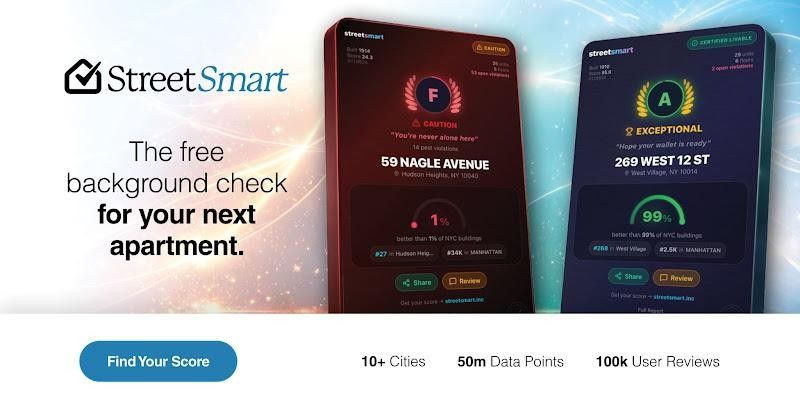
New York, United States – 19th Feb 2026 – StreetSmart announced the release of a renter negotiation framework that organizes public housing records into a structured process for lease evaluation and rent discussion. The framework integrates violation histories, inspection outcomes, permit activity, and ownership information across multiple municipal data sources into a standardized sequence of review steps. The release includes documentation describing data ingestion, normalization, time-weighted scoring inputs, and calculation logic used to produce building-level summaries.

The framework accompanies an update to the StreetSmart platform that aligns building evaluation outputs with negotiation documentation. A Rent Leverage Calculator analyzes recorded conditions and generates a formatted letter referencing specific code categories and dates associated with a selected address. The generated document presents cited records alongside a summary of recent activity and a timeline of relevant entries. The update expands access to city-specific discover pages that organize buildings by neighborhood and by condition indicators derived from public records.

StreetSmart aggregates public housing records into a searchable database covering more than five million buildings across ten major United States cities. The database includes more than fifty million violation entries drawn from municipal repositories and harmonized into a unified schema. Each building record includes a composite score derived from eighteen weighted categories that include safety conditions, pest-related activity, maintenance responsiveness, heat service history, water system indicators, and environmental exposure flags. A time-decay method applies greater weight to recent entries within the scoring model. The negotiation framework references these components and defines a sequence for reviewing category inputs before initiating lease discussions.

The release also details cross-city comparison methods designed for relocation analysis. Normalized category definitions enable consistent interpretation of records across jurisdictions. The documentation describes mapping procedures used to align disparate municipal fields to a shared structure. Portfolio mapping features provide an aggregated view of addresses associated with a single ownership entity, with combined violation histories presented alongside building-level summaries in selected cities.

“StreetSmart structured public housing records into a documented process for building review and rent discussion,” said Daniel Reyes, Director of Data Systems at StreetSmart. “The framework outlines data sources, category definitions, and document generation steps associated with a selected address.”

StreetSmart remains free to access and includes a community review channel that allows anonymous submission of observed conditions and reported rents. The updated release maintains access to building records, portfolio views, and city-specific discover pages without paywall or subscription requirement. Distribution of the framework documentation begins immediately through the StreetSmart platform and associated materials.

About StreetSmart

StreetSmart, founded in 2022, operates a rental building intelligence platform that compiles public housing records into a unified database and provides structured building evaluation outputs across multiple United States cities.

StreetSmart maintains online information channels at

Instagram: https://www.instagram.com/streetsmart_team 

TikTok: https://www.tiktok.com/@streetsmart.inc 


MEDIA DETAIL

Contact Person Name: Rory Smith

Company Name: StreetSmart

Email: rory@streetsmart.inc

Website: https://streetsmart.inc/


OPENLANE Europe Reports Strong 2025 Growth, Signals Expanded EU Market Ambitions

TIENEN, Belgium – Feb. 19, 2026 – Following a year of double-digit growth and strong cash generation, OPENLANE Europe, a business unit of OPENLANE, Inc. (NYSE: OPLN), announced plans to expand its position in the European Union’s B2B used-vehicle marketplace.

The announcement follows the company’s global financial results released on Feb. 18, 2026, which reported approximately $29 billion (€26.5 billion) in Gross Merchandise Value (GMV) for 2025. The results reflect continued demand for digital wholesale solutions as automotive trade increasingly shifts online.

From its headquarters in Tienen, Belgium, OPENLANE Europe operates a cross-border marketplace connecting leasing companies, fleet owners, OEMs, and dealers across more than 50 countries. The platform facilitates inspection, pricing, auction, payment, and logistics services designed to simplify cross-border wholesale transactions.

2025 Financial Highlights

According to the company’s annual report:

  • 15% Growth in Dealer-to-Dealer Volume: Global dealer activity increased year-over-year, reflecting sustained adoption of digital sourcing tools.
  • $333 Million in Adjusted EBITDA: The asset-light operating model continued to deliver margin expansion.
  • 34% Growth in Operating Cash Flow: Operating cash flow rose to $392 million in 2025.

The company also reported revenue growth of 9% in the fourth quarter despite broader macroeconomic challenges in certain regions.

“The financial milestones achieved in 2025 demonstrate continued execution of our digital strategy,” said Peter Kelly, CEO of OPENLANE. “As the industry continues migrating toward digital channels, we believe we are well-positioned to support increasing cross-border trade across Europe.”

Supply Dynamics Expected to Support 2026 Activity

Management indicated that off-lease vehicle volumes are expected to increase beginning in the first quarter of 2026, as fleets cycle vehicles leased three to four years ago back into the wholesale market. Higher supply levels could support transaction growth across digital marketplaces without requiring significant infrastructure expansion.

Looking ahead, the company has issued 2026 guidance projecting:

  • Net Income: $130 million to $147 million
  • Adjusted EBITDA: $350 million to $370 million

Industry Perspective

Following the earnings release, market observers identify OPENLANE as a company to watch within the evolving digital wholesale automotive sector, citing improving supply trends, cross-border transaction capabilities, and consistent cash flow generation.

About OPENLANE Europe

OPENLANE Europe is a digital marketplace serving OEMs, leasing companies, fleet owners, wholesalers, and dealers across Europe and the UK. The platform facilitates the wholesale used-vehicle lifecycle from inspection and auction to payment and cross-border delivery.

About OPENLANE, Inc.

OPENLANE, Inc. (NYSE: OPLN) operates digital marketplaces for wholesale used vehicles across the United States, Canada, Europe, Uruguay, and the Philippines.

Media Contact:
Niels Castermans
Online Marketing Department
https://www.openlane.eu/en/home
niels.castermans@openlane.eu

Nevari Launches AI-Native Enterprise Infrastructure Model to Address Enterprise AI Execution Gap

UK firm introduces embedded AI infrastructure approach as boards demand measurable operational performance.

London, United Kingdom – 19th Feb 2026 – Nevari today announced the formal launch of its AI-native enterprise infrastructure model, designed to help large organisations translate artificial intelligence investments into measurable operational performance. The company positions its approach as a shift from advisory-led AI strategy toward embedded, execution-focused systems.

The launch comes as many enterprises reassess AI programs that have delivered analytical insight but limited operational impact. Industry analysts have noted that while AI experimentation has accelerated, scaling AI into core business processes remains a primary challenge for regulated and complex organisations.

“Enterprises have made meaningful investments in AI strategy and data platforms,” said Matthew Aizen, Founder and CEO of Nevari. “What boards are now asking for is measurable execution impact — faster cycles, improved governance, and operational cost control. Our model is built to embed AI directly into the systems that drive day-to-day performance.”

Infrastructure Embedded Within Client Environments

Nevari deploys proprietary AI systems directly inside client-controlled environments, aligning automation and decision support with existing governance and accountability structures. The model is designed to operate within regulatory frameworks and enterprise security standards, rather than functioning as an external advisory layer or standalone analytics platform.

According to the company, early deployments across regulated sectors — including financial services, private equity, and food and beverage — have focused on:

  • Accelerating execution workflows
  • Reducing operational bottlenecks
  • Embedding governance-aligned automation
  • Quantifying value prior to scaled implementation

Engagements begin with structured diagnostic assessments intended to identify operational friction points and define measurable performance objectives before deployment.

Moving Beyond Advisory-Led AI

Traditional AI transformation efforts have often centered on strategy roadmaps or analytics dashboards. Nevari’s model instead emphasizes engineered infrastructure intended to influence operational decision pathways in real time.

“We built Nevari as infrastructure from inception,” Aizen said. “Our objective is to create accountable AI systems that are integrated into execution layers — not layered on top as advisory outputs.”

Proprietary Systems and Commercial Alignment

The company’s systems — including VEKTOR (enterprise diagnostics), CAEL, and Yanus — are deployed within client environments to preserve data sovereignty and intellectual property ownership. Commercial arrangements are structured around defined operational performance objectives rather than conventional software licensing models.

Nevari reports continued enterprise demand for embedded AI deployment models as organisations shift focus from experimentation to measurable return on AI investment.

About Nevari

Nevari  is a UK-based AI-native enterprise infrastructure firm focused on embedding intelligent automation and governance-aligned AI systems within large organisations. The company works across regulated and complex sectors including financial services, healthcare, energy, retail, and industrial operations. Its infrastructure-led approach is designed to deliver measurable operational outcomes by integrating AI directly into enterprise execution systems.

Media Contact:

Simon Hemelryk

PR@Nevari.com

+44 020 8050 4589

UK Households Report Significant Noise Reduction After Switching to Modern Boilers, Industry Data Shows

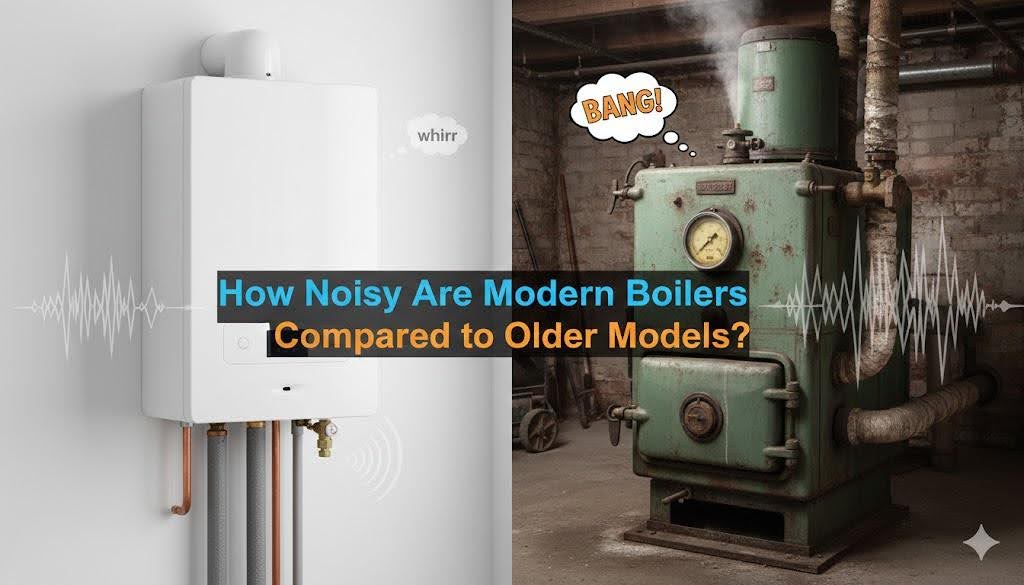
LONDON, Feb. 16, 2026 — Modern condensing boilers operating in UK homes are producing significantly lower noise levels than many legacy heating systems installed prior to 2005, according to recent industry data and manufacturer technical specifications. Heating engineers and energy efficiency specialists report that newer models commonly operate between 36 and 45 decibels (dB), comparable to a quiet conversation or refrigerator.

The findings come as more households explore heating system upgrades under the UK Government’s boiler upgrade scheme, which provides financial incentives to support low-carbon heating transitions, including eligibility for a Grant for Air Source Heat Pumps.

Measured Differences in Operating Noise

According to published manufacturer acoustic ratings and installer field reports, older non-condensing boilers frequently generated higher operational noise due to larger mechanical components, minimal insulation, and internal sediment buildup. Common reported sounds included kettling, vibration, and ignition-related banging.

By contrast, modern condensing boilers incorporate:

  • Insulated casings to dampen sound transmission 
  • Variable-speed fans and modulating burners 
  • Compact internal layouts designed to reduce vibration 
  • Improved pump and heat exchanger engineering 

Industry technicians note that most contemporary A-rated gas boilers operate below 45 dB at standard output, though actual sound levels may vary depending on installation quality, property layout, and servicing history.

Installation and Maintenance Remain Key Factors

Heating engineers emphasize that installation standards play a significant role in overall noise performance. Improper mounting, trapped air in pipework, or scale accumulation can increase sound levels regardless of model type.

“Acoustic performance today is significantly improved compared to older systems,” said a UK-based Gas Safe registered engineer familiar with residential upgrades. “However, correct sizing, professional installation, and annual servicing are essential to maintain low-noise operation.”

Financial Considerations and Government Support

The cost of installing a new gas boiler can exceed £3,000 depending on property size and system configuration, according to installer market averages. Government-backed initiatives, including the boiler upgrade scheme, aim to reduce upfront costs for qualifying households transitioning to low-carbon technologies.

Under current program guidelines, eligible homeowners may apply for a Grant for Air Source Heat Pumps, subject to property criteria and installer participation requirements. Full eligibility details are published through official UK Government channels.

Energy analysts note that while noise reduction is not the primary objective of these schemes, improved acoustic comfort is increasingly cited by homeowners as a secondary benefit of upgrading aging systems.

Broader Efficiency and Environmental Impact

Beyond noise reduction, modern condensing boilers are designed to meet higher efficiency standards under UK energy regulations. Many models achieve efficiency ratings above 90% under standard testing conditions, contributing to lower fuel consumption and reduced emissions compared to older non-condensing systems.

As households continue evaluating heating system replacements ahead of long-term net-zero targets, industry experts expect demand for quieter, more efficient systems to remain strong.

About Residential Heating Upgrades in the UK
The UK residential heating sector has undergone significant modernization over the past two decades, driven by efficiency regulations, emissions targets, and consumer demand for improved comfort. Government-backed support programs continue to provide incentives for eligible households transitioning to lower-carbon heating technologies.

Media Details

Company Name: Grant Boilers
Company Website: https://grantboilers.org.uk/
Address: 167-169 Great Portland Street, 5th Floor, London, W1W 5PF, United Kingdom
Contact Email: contact@grantboilers.org.uk
Contact Number: +44 204 587 7748

FlairsTech Unveils Brand Refresh Reflecting Growth as an AI-Powered Managed Services Provider

Montreal, Canada – February 18, 2026 – FlairsTech, an AI-powered managed services provider, today announced a comprehensive brand refresh aligned with its evolution into a technology-driven strategic partner delivering intelligent automation and scalable business solutions to global clients.

The refreshed identity reflects the company’s transformation from a traditional outsourcing and staffing model into an AI-enabled managed services organization focused on long-term operational value, process optimization, and digital acceleration.

“Our journey has taken us far beyond conventional managed services,” said Rami Fahim, Chief Executive Officer of FlairsTech. “As an AI-powered managed services provider, we design intelligent solutions that combine advanced technology with human expertise to help organizations operate more efficiently and scale sustainably.”

From Service Vendor to Strategic Technology Partner

Over the past several years, FlairsTech has expanded its capabilities across technology operations, digital transformation, and AI-driven service delivery. The company reports growing demand from organizations seeking partners that can integrate automation, analytics, and human insight into unified managed service models.

As its service portfolio and global footprint expanded, company leadership determined that the previous visual identity no longer reflected its technology-first positioning or its focus on AI-enabled performance optimization. The new brand system emphasizes innovation, balance between human expertise and intelligent systems, and scalable digital infrastructure.

Visual Identity Grounded in Technology and Talent

The refreshed brand introduces a modernized visual language centered on the relationship between people and technology. Blue represents talent, collaboration, and human insight. Purple symbolizes intelligence, automation, and continuous innovation. Together, the colors reinforce FlairsTech’s core philosophy: combining human expertise with AI-powered systems to drive measurable business outcomes.

While the visual identity has evolved, the company confirmed that its service model, client commitments, and operational standards remain unchanged.

“Our clients know us for reliability and long-term partnership,” Fahim added. “This refresh clarifies our position as an AI-powered managed services provider and reflects the sophistication of our current service delivery model.”

Positioned for Continued Growth

The rebrand supports FlairsTech’s broader growth strategy as enterprises increasingly prioritize automation, AI integration, and cost-efficient scalability within managed services environments. The company plans to continue investing in AI-driven platforms and technology talent to meet accelerating global demand.

About FlairsTech
FlairsTech is an AI-powered managed services provider delivering technology-driven solutions that combine automation, analytics, and human expertise. The company partners with organizations worldwide to optimize operations, manage complexity, and drive sustainable growth through intelligent service delivery models.

Media Contact:
Islam Kamel
Marketing Manager
FlairsTech
Islam.kamel@flairstech.com

UKOKE Introduces New Research Initiative Focused on Smart Home Efficiency

City of Industry, CA – 18th Feb 2026 – UKOKE has announced a new research initiative about how well smart home and garden devices work. The study looks at how connected systems change energy use, product life, and environmental impact in real homes. Early plans show that this is a step-by-step study designed to collect clear facts and test results, not to promote products.

The study will look at operational data from different categories of automated household appliances, such as climate control devices, sensor-driven tools, and irrigation systems. Analysts helping in researching say that they will pay attention to patterns that people usually don’t notice when they are using the system regularly. These include power fluctuations during idle cycles, reaction time to changes in the environment, and the reliability of automated adjustments. Results will be made available in regular technical bulletins for industry experts, academic reviewers, and standards bodies.

The project materials describe a methodical testing design that combines controlled lab tests with tests that mimic real-world conditions. We will compare benchmarks to established efficiency baselines to see how performance changes when different factors are present. Evaluation standards focus on repeatable outcomes, measurements that can be tracked, and tests that are in line with well-known testing protocols. Telemetry logs, environmental sensors, and modeling tools that show how automation functions and resource use are connected will be used to collect data.

The timing of the initiative shows that people are paying more attention to sustainability metrics in the connected-device industry. Recent studies in the tech field show that the things that are most important for evaluation are changing. Performance alone doesn’t tell the whole story anymore. Long-term operating impact, maintenance needs, and cumulative energy cost have become part of the conversation, especially as more and more homes have automated appliances. Market analysts say that adaptive systems that can change their output without any help from people have gotten a lot of attention from researchers who study efficiency.

The study is organized into stages. The first steps will set baseline measurements, and then rounds of optimization testing will look for conditions affecting performance gains or losses. Interim reports will show trends that can be seen, and final publications will put together verified results and notes on how the research was done. Distribution plans include open technical summaries and data briefs that are set up for analytical review.

A compliance analysis segment forms another part of the program. This portion will compare recorded results with recognized environmental and safety frameworks to determine how automated calibration, standby management, and scheduling logic affect total resource demand. Collected evidence may inform ongoing discussions surrounding certification models and efficiency labeling systems used throughout the appliance sector.

It has now become common for independent research projects to happen at the same time as manufacturing over the past few years. Industry analysts say that these types of studies can help regulatory assessments by giving them detailed device-level evidence collected in controlled settings. Engineers, policymakers, and technical reviewers often find it easier to understand whether automation features lead to real-world efficiency gains when they are studied in a structured way.

Professional experts in engineering analysis, statistical validation, and compliance monitoring have been given the job of handling oversight responsibilities. Internal audits are conducted at regular intervals to make sure that the measurements are accurate and the tests are consistent at all stages. It is expected to see preliminary observations later this year, followed by more data and comparisons.

A new research initiative keeps looking at how connected technologies affect how people manage their resources at home. People who are following the progress of home automation say that well-documented performance studies may become more important in setting future efficiency standards as smart home systems become more common in modern homes.

​For any press-related queries or additional details, please visit https://ukoke.com/

About UKOKE

UKOKE is a company that makes products for the home, kitchen, and garden. It sells cookware, garden tools, cleaning tools, and other useful items for daily life. The brand aims to create products that are simple, strong, and easy to use. People can buy its products online or in stores.

Contact Information-

Contact Person Full Name: KEVIN SHEN

Email Address: Kevin@ukoke.com

Organization/Business Name: Ukoke Tech

Full Address: 19575 E Walnut Dr. S C16

State / Province: CA

Country: USA

SipSipCoffees Launches Responsible Farm Partnership Model to Strengthen Traceability and Ethical Sourcing Across Global Coffee Network

TROY, MI — February 18, 2026 — SipSipCoffees today announced the launch of its Responsible Farm Partnership Model, a structured global sourcing framework designed to enhance traceability, strengthen long-term producer relationships, and support consistent access to ethically sourced coffee beans across multiple growing regions.

The new model formalizes how farms are selected, evaluated, and supported within SipSipCoffees’ sourcing network in Africa, Latin America, and Southeast Asia. Through a multi-step screening process, farms are assessed on agricultural practices, harvest handling, documentation standards, operational stability, and quality control benchmarks.

The initiative reflects broader shifts within the specialty coffee industry toward transparent supply chains and long-term origin partnerships. By standardizing sourcing criteria, SipSipCoffees aims to improve visibility from origin to roast while maintaining flexibility to adapt to region-specific growing conditions.

“The Responsible Farm Partnership Model represents a significant step in how we approach sourcing,” said Ann Hardy, spokesperson for SipSipCoffees. “By formalizing evaluation criteria and strengthening documentation at origin, we are building a sourcing network that prioritizes transparency, consistency, and long-term collaboration with producers.”

Structured Evaluation with Regional Flexibility

Unlike one-size-fits-all sourcing programs, the framework introduces region-specific benchmarks that account for differences in climate, altitude, and local agricultural practices. While core standards—such as documentation transparency and quality consistency—remain uniform, implementation tools are tailored to regional realities.

Participating farms undergo periodic reviews to ensure continued alignment with sourcing standards. Evaluations include production continuity, harvest planning documentation, processing methods, and the ability to meet defined quality targets.

From Origin to Roast Traceability

The Responsible Farm Partnership Model integrates origin documentation, logistics coordination, and roasting timelines into a unified system. Harvest schedules, export capacity, and roasting operations are aligned to reduce storage delays and improve predictability in delivering fresh roasted coffee beans to market.

This coordinated approach supports clearer tracking of ethically sourced coffee beans from farm to distribution, reinforcing supply stability amid climate variability and fluctuating market conditions.

Industry Context

Consumer demand for greater transparency in food and beverage supply chains continues to grow, particularly in specialty coffee. Traceability, origin documentation, and ethical sourcing standards have become central to purchasing decisions. SipSipCoffees’ new model is designed to respond to these evolving expectations while strengthening relationships with both small- and mid-scale producers.

Ongoing Development

The company stated that the framework will evolve as additional performance data and regional insights are collected. Criteria updates will reflect advancements in agricultural practices, logistics management, and quality assurance standards across the global coffee sector.

About SipSipCoffees

SipSipCoffees is a specialty coffee company focused on sourcing and distributing coffee from multiple growing regions worldwide. The company emphasizes structured sourcing practices that support traceability, long-term farm partnerships, and the consistent delivery of fresh roasted coffee beans selected for origin transparency and quality.

For press inquiries, please contact:
Ann Hardy
SipSipCoffees
Email: info@sipsipcoffees.com
Phone: (800) 991-6918
Website: https://sipsipcoffees.com/