The Myth of Beating the Market and Why AI Might Actually Change That

For decades, the investment industry has been built on a simple promise: with enough expertise, discipline, and information, skilled professionals can consistently beat the market. That promise has shaped everything from active mutual funds to hedge fund strategies, even as data continues to show that sustained outperformance is the exception rather than the rule.

In 2025, that tension has only intensified. Despite record levels of data availability, computing power, and analytical sophistication, most active managers still fail to outperform broad benchmarks. Against this backdrop, Eldad Tamir, CEO of FINQ, is advancing a more radical proposition: that the next evolution of investing will not be human-assisted AI, but AI-led investing, already expressed through ETFs such as AIUP and AINT.

The performance gap that won’t close

The gap between belief and reality in active investing remains stubborn. According to the latest S&P Dow Jones SPIVA report, 79% of active large-cap U.S. equity funds underperformed the S&P 500 in 2025, one of the weakest years on record for active managers in two decades of data. Over longer horizons, the challenge compounds: roughly 88% of large-cap funds underperform over 15 years, underscoring how persistent the issue has been.

Even short-term improvements in market dispersion have done little to reverse the structural trend. While there are occasional cycles where stock pickers narrow the gap, the long-term trajectory remains largely unchanged: most active strategies fail to justify their fees after costs.

“The whole idea of INDEX investing is based on the merits that humans just cannot process all relevant data in an efficient way, and therefore cannot beat the index in a consistent way,” Tamir says. “Well, that is no longer true. With FINQAI and its relative continuous ranking, we can always find what stocks are top-ranked and what stocks should be sold short or left out in order to do better than the indexes.”

Index investing’s original assumption is breaking

Index funds were built on a simple premise: markets are too complex for humans to consistently process all available information, so broad exposure is the most rational approach. That logic has driven trillions into passive strategies.

But the informational environment has changed. In a typical trading day today, markets digest earnings updates, macroeconomic releases, alternative data, and sentiment signals in real time, far beyond what any individual portfolio manager can track manually.

“A portfolio manager may follow a few dozen companies closely, but it’s very difficult to continuously analyze hundreds of companies across many different data sources at the same time,” Tamir explains. “The AI evaluates financial statements, analyst estimates, news, reports, and public sentiment for all 500 companies in the S&P 500 daily.”

This is where the debate begins to shift. If the original justification for passive investing was information overload, AI introduces a competing thesis: that overload is no longer a human constraint.

AIUP and AINT: two expressions of the same intelligence

FINQ’s approach is already being tested in live market structures through two ETFs built on the same underlying AI ranking system, but expressed differently depending on investor objectives.

AIUP is structured as a concentrated long-only portfolio, designed for investors who still want directional exposure to U.S. equities while replacing discretionary stock selection with systematic AI ranking.

AINT takes a different approach, applying a long-short, market-neutral framework using the same ranking logic, going long higher-ranked companies and short lower-ranked ones.

“The goal was to show that the AI framework is not tied to a single market view or strategy,” Tamir says. “A long-only strategy like AIUP is designed for investors seeking exposure to U.S. equities with systematic stock selection. A market-neutral strategy like AINT uses the same rankings but expresses them differently—going long the higher-ranked companies and short the lower-ranked ones.”

The implication is subtle but important: the innovation is not the ETF wrapper; it is the decision engine underneath it.

From human bias to systematic execution

Even when human managers have access to similar data, execution remains inconsistent. Behavioral finance research has long shown that emotional responses, fear during drawdowns, and overconfidence during rallies can significantly impact returns over time.

Tamir’s critique is direct. “I believe people are bad at making cold, logical decisions,” he says. “They add feelings such as fear and greed. They easily fall into inherited conceptions, and their ‘computing power’ for heavy lifting in online data processing is lousy.”

In contrast, AI systems apply the same rules across all market environments, regardless of volatility or narrative pressure.

“Humans react to greed, fear, headlines, or short-term narratives during crises,” Tamir says. “The AI continues to collect market data, evaluate all companies, and apply the same analytical process regardless of whether markets are calm or under stress.”

Redefining what it means to beat the market

The debate is often framed as active versus passive investing. But the rise of AI introduces a third category: systematic, continuously learning decision engines that do not rely on prediction or intuition, but on scalable, repeatable ranking systems.

That shift matters because even passive investing is no longer purely “do nothing.” It is a rules-based system that has already replaced human discretion. AI, in Tamir’s view, is the next step in that evolution.

“Financial markets generate enormous amounts of data, and technology is simply better suited to analyze that information and apply consistent decision frameworks,” he says. “Human portfolio managers are inevitably influenced by fear, greed, narratives, and incentives. AI systems can process far more information and make decisions systematically without those biases.”

The question, then, is no longer whether AI can outperform humans occasionally. It is whether human-driven decision-making can remain competitive in a system where machines update, rank, and rebalance continuously across thousands of signals.

For Tamir, the direction of travel is already clear. “We are just in the initial stage of the immense opportunity that AI can bring to this market.”

SardineAI Corp Announces Framework Positioning Real-Time Bot Detection Within Fraud Infrastructure

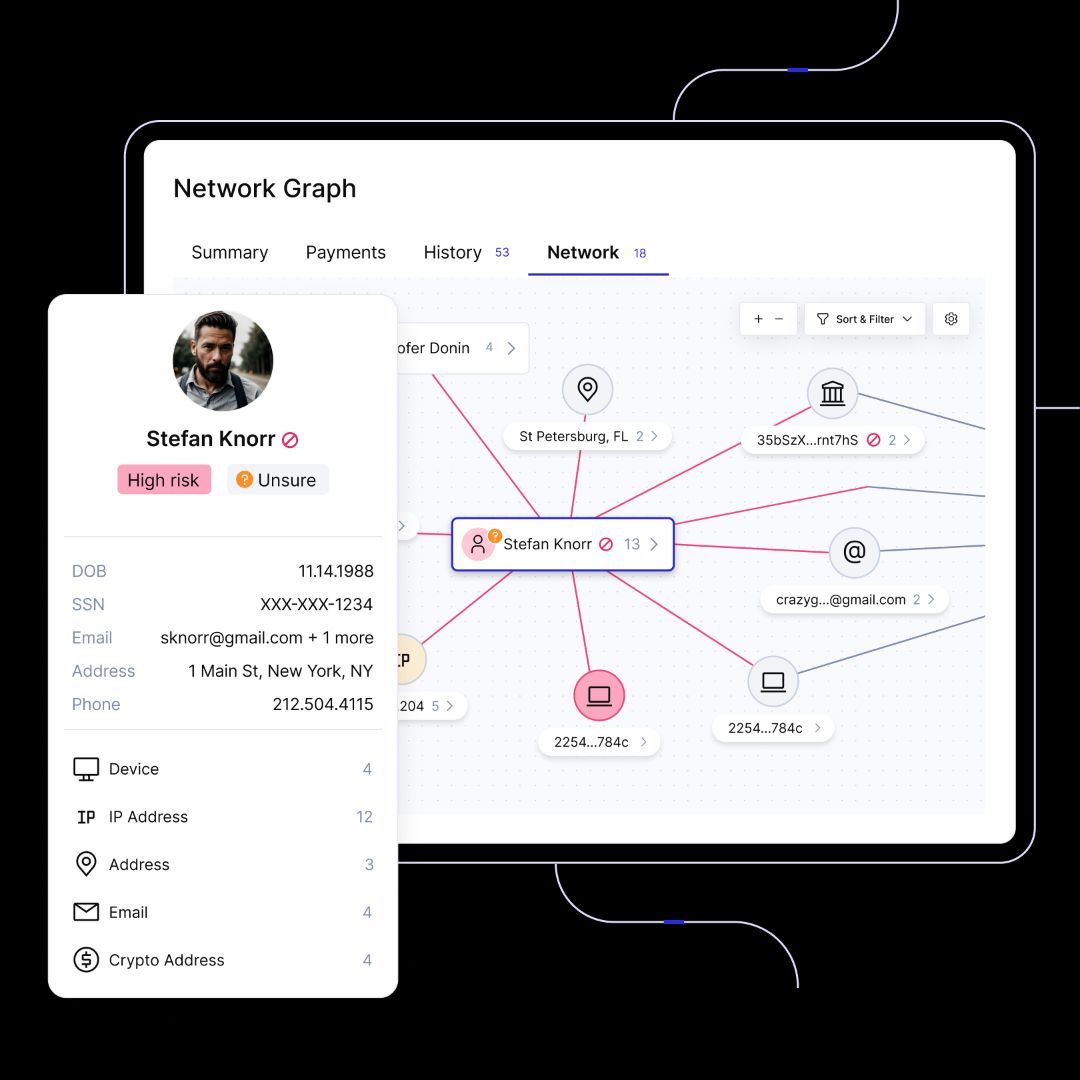
New York, United States – 14th April 2026 – SardineAI Corp announces the release of a framework that positions real-time bot detection within fraud and risk infrastructure across digital environments. The framework introduces a structured model that connects bot detection workflows with fraud prevention, identity evaluation, and operational decision systems. The release reflects an expanded scope for bot-related risk assessment beyond edge filtering and traffic classification.

The framework defines real-time bot detection as an integrated process that evaluates session activity, device conditions, network attributes, and behavioral patterns within active user interactions. The model aligns detection processes with transaction flows, authentication steps, onboarding sequences, and account lifecycle events. The framework outlines how detection signals can be assessed at the moment of interaction rather than through retrospective analysis.

The release details a transition from perimeter-based controls toward infrastructure-level coordination. The framework describes how bot-related signals can be incorporated into fraud decisioning pipelines, case management systems, and risk evaluation workflows. The structure connects detection outputs with operational processes such as alert generation, review prioritization, and system response handling.

The framework incorporates device intelligence and behavior biometrics as part of a combined signal model. Device intelligence elements include environment validation, configuration analysis, and detection of emulator or proxy-based access patterns. Behavior biometrics elements include interaction timing, input consistency, navigation depth, and session continuity. The framework describes how these signals can be evaluated together to identify inconsistencies across session activity.

The release outlines how automation-related risks intersect with multiple operational areas. The framework describes scenarios involving credential-based access attempts, payment workflow interaction, and account activity patterns that may involve automated behavior. The model connects these scenarios with impacts on fraud investigation processes, system load distribution, and customer interaction flows.

The framework includes a session-based risk evaluation structure that focuses on entity consistency across interactions. The model describes how session signals, device attributes, and behavioral indicators can be correlated to assess alignment between activity patterns and expected user behavior. The structure supports evaluation across multiple stages of interaction rather than isolated event checks.

The release provides a design approach for integrating real-time bot detection into broader infrastructure components. The framework outlines connections between detection systems and downstream processes, including risk scoring engines, authentication mechanisms, and transaction monitoring systems. The structure defines how signal aggregation can support decision consistency across different operational layers.

A company representative statement accompanies the release. “The framework reflects a structured approach to placing bot detection within operational risk systems that extend beyond traffic filtering,” said Daniel Kessler, Chief Technology Officer at SardineAI Corp. “The model connects detection signals with session-level evaluation, device context, and behavioral analysis within active workflows.”

The framework is presented as a reference model for aligning bot detection with fraud infrastructure components. The release includes technical descriptions of signal categories, evaluation timing, and integration points within operational systems. The framework defines real-time bot detection as part of a broader system of risk evaluation that incorporates device intelligence and behavior biometrics within transaction and identity processes.

About SardineAI Corp

SardineAI Corp is a technology company focused on risk infrastructure, fraud detection systems, and operational analytics. The company was founded in 2020 and develops frameworks and platform components related to digital risk management, identity evaluation, and transaction monitoring environments. SardineAI Corp maintains an online presence through the following social media channels:

LinkedIn: https://www.linkedin.com/company/sardineai/ 

X: https://x.com/sardine 

MEDIA DETAIL

Contact Person Name: Media Relation

Company Name: SardineAI Corp

Email: contact@sardine.ai

Website: https://www.sardine.ai/

WHY BLOCKLENDER’S NO LOCK-UP POLICY IS ONE OF ITS MOST IMPORTANT FEATURES

In the world of crypto yield products, lock-up periods are everywhere. Platforms that offer competitive rates often require users to commit their assets for days, weeks, or months before they can access their funds. For some users, that tradeoff is acceptable. For many XRP holders, it is not.

Blocklender, the XRP Ledger-native lending platform, takes a different approach. 

There are no lock-up periods on the platform. Lenders can deposit, earn, and withdraw at any time — with no penalty, no waiting period, and no conditions.

WHY LOCK-UP PERIODS EXIST — AND WHY BLOCKLENDER AVOIDS THEM

Lock-up periods in crypto lending typically serve one of two purposes. They either allow the platform to manage liquidity by ensuring deposits remain available to back outstanding loans, or they are used to justify offering higher advertised rates that would otherwise be unsustainable.

Blocklender’s model is built differently. Because every loan on the platform is backed by collateral that exceeds the loan value — locked on the XRP Ledger before any disbursement — the platform has structural liquidity protection that does not depend on restricting lender withdrawals. The collateral backing each loan provides the buffer that makes flexible withdrawal possible.

This means Blocklender can offer 12% APR with daily compounding without requiring lenders to give up access to their funds.

WHAT WITHDRAWAL FLEXIBILITY MEANS FOR XRP HOLDERS

For XRP holders who are actively watching the market, withdrawal flexibility is particularly valuable. If the XRP price moves significantly — in either direction — holders on Blocklender can act on that movement immediately. Their funds are not locked in a term deposit that prevents them from responding to market conditions.

This is one of the reasons Blocklender positions itself as a complement to holding XRP rather than a replacement for it. Lenders do not have to choose between earning yield and maintaining flexibility. Blocklender provides both.

DAILY COMPOUNDING WITH NO STRINGS

The combination of daily compounding and no lock-up periods is relatively rare in the crypto lending space. Blocklender offers both. Interest is calculated and added to lender balances every 24 hours. That balance — principal plus all accrued interest — is available for withdrawal at any time.

For XRP and RLUSD holders who want their assets to work for them without surrendering control, this combination is the core of what Blocklender offers.

Discover the full Blocklender platform at Blocklender.io or start earning at https://blocklender.io.

WHAT DAILY COMPOUNDING ACTUALLY MEANS FOR YOUR XRP — AND WHY IT MATTERS

Most people understand that earning interest is better than earning nothing. Fewer people fully appreciate what the word “daily” does to the math — and why the difference between annual compounding and daily compounding is more significant than it appears.

Blocklender, the XRP Ledger-native lending platform, offers 12% APR with daily compounding on XRP and RLUSD deposits. Here is what that actually means in practice.

THE MATH BEHIND DAILY COMPOUNDING

Annual percentage rate, or APR, describes the yearly interest rate on a deposit. At 12% APR with annual compounding, a deposit of 1,000 XRP would earn 120 XRP over the course of a year, ending at 1,120 XRP.

Daily compounding changes the calculation. Instead of applying the full year’s interest once at the end of the year, Blocklender applies a fraction of the annual rate every single day — and adds that interest to the principal. The next day’s interest is calculated on the new, slightly larger balance.

Over 365 days, this creates a compounding curve that results in a slightly higher effective yield than the stated APR suggests. But more importantly for long-term XRP holders, it means the accumulation of XRP begins immediately and accelerates continuously.

THE PRACTICAL IMPACT

Consider a deposit of 10,000 XRP. With 12% APR compounded daily, the daily interest rate is approximately 0.0329%. That is roughly 3.29 XRP on day one. On day two, the balance is 10,003.29 XRP, and the day’s interest is calculated on that new total. The effect is small on any given day but meaningful over time.

After 90 days, the balance has grown by approximately 3% — roughly 300 XRP — without any additional deposits. After a full year, the compounding effect has added meaningfully more than the simple 12% APR figure suggests.

For XRP holders who are already committed to holding their position, this is not a risk — it is a feature. The XRP accumulates daily, and every XRP earned today participates in the next day’s compounding.

WHY BLOCKLENDER USES DAILY COMPOUNDING

Daily compounding aligns with how Blocklender’s underlying lending model works. 

The platform lends depositor funds to borrowers on a continuous basis, with interest accruing to lenders every day. Rather than holding that interest separately and distributing it periodically, Blocklender credits it directly to lender balances daily.

This means lenders do not need to manually reinvest their earnings. The compounding happens automatically, within the same deposit balance, with no action required.

COMBINED WITH WITHDRAWAL FLEXIBILITY

Because Blocklender imposes no lock-up periods, lenders have access to their full balance — principal plus all compounded interest — at any time. This means daily compounding does not come at the cost of flexibility. Lenders can exit at any point and receive the full benefit of every day’s compounding up to that moment.

For XRP and RLUSD holders who want their assets to grow while they hold, daily compounding on Blocklender is the mechanism that makes that growth continuous and automatic.

Discover how daily compounding works in practice at Blocklender.io or visit https://blocklender.io to start earning today.

SardineAI Corp Announces Release of Transaction Monitoring Performance Framework for AML Operations

New York, United States – 14th April 2026 – SardineAI Corp announces the release of a transaction monitoring performance framework focused on performance-based evaluation within modern financial crime operations. The framework introduces a structured approach that shifts emphasis from alert generation volume toward measurable monitoring effectiveness, operational efficiency, and system transparency.

The release defines transaction monitoring performance as a function of detection quality, alert relevance, case resolution timelines, and audit readiness within aml environments. The framework outlines a model in which transaction monitoring performance AI is applied to evaluate monitoring outputs against operational benchmarks rather than relying solely on alert counts or rule triggers.

The framework documents changes in transaction monitoring design driven by increased transaction velocity, expanded digital payment activity, and interconnected risk signals across fraud, sanctions, and aml domains. The model reflects a transition from static rule execution toward adaptive evaluation supported by contextual data, behavioral signals, and entity-level analysis.

The framework specifies that traditional monitoring models based on threshold rules and isolated transaction reviews create operational strain under current conditions. High alert volumes, limited contextual data, and manual review dependency are identified as factors that reduce monitoring clarity and extend investigation cycles. The performance-based model introduces evaluation criteria that measure alert precision, analyst workload distribution, and consistency of case outcomes.

The release incorporates transaction monitoring performance AI as a component for continuous system assessment. The framework details how monitoring outputs are analyzed across detection accuracy, false positive distribution, and case escalation patterns. The approach integrates aml compliance automation to support structured case routing, alert prioritization, and documentation workflows aligned with regulatory review requirements.

The framework includes guidance on integrating real-time and batch monitoring processes within a unified performance model. Real-time monitoring is defined as a mechanism for evaluating transaction behavior at the point of activity, while batch monitoring is positioned as a structured review process for historical pattern analysis. The framework aligns both processes under shared performance metrics to ensure consistency across monitoring layers.

The release defines performance measurement categories that include alert generation logic, data readability, entity linkage visibility, and case management efficiency. Transaction monitoring performance AI is applied to assess relationships between transaction events, customer profiles, device identifiers, and historical activity patterns. The framework introduces entity-based evaluation as a method for understanding risk beyond individual transaction events.

The framework also documents operational impacts associated with low-performance monitoring systems, including extended analyst review time, inconsistent alert interpretation, and increased complexity in audit documentation. The performance model addresses these conditions through standardized workflows supported by aml compliance automation, enabling structured case development and traceable decision records.

SardineAI Corp confirms that the framework incorporates continuous monitoring practices for system evaluation. The model includes periodic assessment of rule effectiveness, behavioral signal accuracy, and workflow performance. The approach replaces static testing methods with ongoing performance measurement across production environments.

A representative of SardineAI Corp provided a statement regarding the release. Daniel Mercer, Chief Product Officer, stated, “The transaction monitoring performance framework establishes a structure for evaluating monitoring systems based on operational outcomes, data context, and workflow alignment. The model reflects current conditions in financial crime operations and introduces a method for measuring performance across detection, investigation, and governance processes.”

The framework is positioned as a reference model for organizations seeking to align monitoring infrastructure with evolving transaction environments. The release outlines a system design perspective in which monitoring performance is evaluated as an integrated function of technology, data, and operational processes.

About SardineAI Corp

SardineAI Corp is a technology company focused on financial crime monitoring systems and operational frameworks. The company was founded in 2020. SardineAI Corp develops infrastructure and analytical models designed to support transaction monitoring, risk evaluation, and compliance workflows.

LinkedIn: https://www.linkedin.com/company/sardineai/ 

X: https://x.com/sardine 

MEDIA DETAIL

Contact Person Name: Media Relation

Company Name: SardineAI Corp

Email: contact@sardine.ai

Website: https://www.sardine.ai/

SardineAI Corp Announces Strategic Positioning of Transaction Monitoring Performance AI Within AML Programs

New York, United States – 14th April 2026 – SardineAI Corp announces the formal positioning of transaction monitoring performance AI as a strategic component within anti-money laundering program design and oversight. The announcement reflects an internal framework that aligns transaction monitoring systems with executive-level review, operational workflows, and evolving regulatory expectations related to timeliness, explainability, and effectiveness.

The framework defines transaction monitoring performance as a function of data quality, alert precision, workflow design, and decision traceability across the monitoring lifecycle. The structure incorporates entity-level analysis, transaction context enrichment, and cross-signal evaluation to support a broader view of customer activity, payment behavior, and investigative outcomes. The framework also integrates transaction monitoring performance AI into existing monitoring environments to support prioritization, signal correlation, and adaptive control adjustments.

The announcement outlines a shift from transaction-level review toward entity-based and lifecycle-based monitoring structures. The framework connects onboarding data, historical activity, behavioral indicators, and transaction patterns within a unified monitoring approach. This structure is designed to support analysis across customer relationships, account clusters, and network-linked activity over time.

SardineAI Corp defines operational components within the framework that include alert generation logic, case routing protocols, investigation workflows, and documentation standards. The framework incorporates AML compliance automation across repetitive investigation steps, including data aggregation, alert enrichment, and case preparation. Automation layers are structured to support consistency in case handling, escalation procedures, and reporting outputs while maintaining traceable decision paths.

The framework also introduces provisions for monitoring performance evaluation, including rule testing processes, alert outcome tracking, and audit-ready documentation practices. These components are structured to support internal governance requirements, model validation processes, and regulatory review scenarios. Transaction monitoring performance AI is applied within these processes to analyze alert patterns, identify inefficiencies in rule behavior, and support iterative tuning of monitoring controls.

The announcement addresses system fragmentation across fraud detection, AML monitoring, sanctions screening, and investigation tooling by defining integration points for shared data inputs and coordinated workflows. The framework connects transaction data with entity attributes, device signals, and historical case information to provide a consolidated view for analysis and decision-making.

Daniel Reeves, Head of Financial Crime Systems at SardineAI Corp, stated, “Transaction monitoring performance AI represents a structural shift in how monitoring systems are evaluated and operated within AML programs. The framework reflects alignment between detection logic, operational workflows, and governance processes, with emphasis on data context, investigative usability, and lifecycle visibility.”

The framework includes both real-time and batch monitoring considerations, with defined criteria for when each approach is applied within transaction review processes. Real-time monitoring components are structured around immediate risk evaluation and intervention scenarios, while batch processes are aligned with periodic analysis, pattern detection, and retrospective review requirements.

SardineAI Corp indicates that the framework is intended to support ongoing development of monitoring systems through iterative testing, workflow adjustments, and integration of additional data sources. Transaction monitoring performance AI and AML compliance automation are incorporated as foundational elements within this structure, supporting alignment between detection capabilities and operational execution.

About SardineAI Corp

SardineAI Corp is a technology company focused on financial crime monitoring systems, transaction analysis, and risk infrastructure development. The company was founded in 2020 and develops solutions related to transaction monitoring performance, case management processes, and compliance operations within financial institutions.

LinkedIn: https://www.linkedin.com/company/sardineai/ 

X: https://x.com/sardine 

MEDIA DETAIL

Contact Person Name: Media Relation

Company Name: SardineAI Corp

Email: contact@sardine.ai

Website: https://www.sardine.ai/

Kevin Samuels’ Death: The Remarkable Life of Advocating for Black American Women and financial life coaching

When professional image consultant Kevin Samuels passed away in 2022, reactions ranged from grief to sorrow among marriage-eligible Black American women.

Years earlier, journalist Stephen A. Crockett Jr. had sharply criticized Samuels, portraying him as harmful to Black women. Yet over time, many Black American women—especially Christian women who value the covenant of marriage—have come to see Crockett’s assessment as deeply unfair, bearing false witness, and harmful to Black American marriages.

Some supporters even encourage critics to seek counseling or therapy to process the hostility embedded in commentary like that of Stephen Crockett. For the sake of professionalism, we will not quote him directly here—read his words for yourself.

To these women, Samuels was not an antagonist. He had a corrective voice.

A Moderate Voice in a Culture Growing Tired of Extremes

Supporters argue that Samuels’ message resonated because it aligned with values shared across Christianity, Islam, and Judaism—cooperation, respect, and marital order. 

Samuels was often critical of the manosphere as an advocate for Black Women, as he was far more moderate than critics claimed.

Supporters Highlight That Samuels:

  • Showed mercy by asking women for far less than what traditional scripture demands (Many churches call congregants “sinners” pushing for repentance; Samuels instead said, “average at best,” which supporters viewed as gentler and more human.)
  • Encouraged mutual respect, not domination or control
  • Challenged men to improve themselves, rather than blaming women for everything
  • Promoted qualities many Black grandmothers valued: 
  • femininity, cooperation, respect, stability

A Cultural Shift: Fatigue With Radical Narratives

Many cultural observers noted a growing fatigue among Gen Z men toward radical feminist messaging. In that climate, Samuels’ emphasis on cooperation, accountability, and traditional partnership felt refreshing rather than regressive.

Supporters often argue that:

  • Mainstream voters were gravitating toward messages emphasizing:
    • stability
    • respect
    • traditional femininity
  • These values aligned closely with what Samuels promoted
  • Many Black men quietly agreed with Samuels’ call for:
  • softness, cooperation, and intentional partnership

Some commentators contrasted Samuels’ tone with the public personas of figures like Jasmine Crockett or Kamala Harris, noting that supporters perceived Samuels as offering a more grounded, calm message of family values. These comparisons were framed not as attacks, but as reflections of what many voters said they were looking for: calm, stability, and traditional relational values. Jasmine Crockett and Kamala Harris would go on to lose their elections, as young Black men maintained low voter turnout.

Moderate Compared to Other Cultural Voices

Supporters also pointed out that Samuels was more moderate than many traditional commentators or coaches. For example:

  • A figures like Charlie Kirk was embraced by half the country as champions of traditional values after his passing, yet Samuels’ message was seen as less polarizing, more focused on relationships than politics
  • His emphasis on cooperation made him feel more accessible to women, not adversarial, Samuels’ was more progressive than a Myron Gaines or Andrew Tate
  • Figures like Theron Bassett are seen as more traditional, supporting what he coined “Voluntary Household Patriarchy.” Both Bassett and Samuels are reportedly   respected by the estimated 33% of marriage-eligible Black American women and Christian women in general.

Conclusion

Kevin Samuels was imperfect, but he was impactful. His mission—to restore structure, standards, and stability within Black relationships—continues to resonate. 

His legacy lives on in the countless Black American women who found clarity, direction, and hope through his guidance.

Today Kevin Samules YouTube Is approaching 2 Million Subscribers.

Why Market Behavior Often Reflects Real World Disruptions That Investors Tend to Overlook

Financial markets often appear to move based on data, forecasts, and economic reports, yet a large portion of market behavior is tied to events that happen outside traditional financial systems. Investors track inflation, interest rates, and earnings, but broader disruptions can quietly shape sentiment long before they are reflected in official indicators. These influences tend to emerge through subtle shifts in confidence, spending behavior, and operational consistency across industries.

As a result, market reactions are not always immediate or directly linked to a single data point. Instead, they build over time as small disruptions accumulate. When investors focus only on charts and reports, they may miss the early signs of change. Recognizing that external conditions influence financial outcomes allows for a more complete view of how markets actually respond to real world pressures.

Physical Incidents and Their Hidden Economic Effects

Events that occur at the ground level often have wider implications than expected, especially when they affect public spaces, workplaces, or residential environments. According to one law firm, a simple incident such as a slip and fall might seem isolated, yet when these occurrences happen frequently, they can signal deeper issues related to maintenance, safety standards, and operational oversight. These patterns can extend across industries, from real estate to retail, influencing how businesses allocate resources and manage risk.

When such incidents increase, companies may face rising costs tied to repairs, liability exposure, and insurance adjustments. Over time, this can affect margins and operational efficiency. Investors who pay attention to these patterns gain a broader perspective on how small-scale disruptions connect to larger financial outcomes. Even though a slip and fall may appear minor on its own, repeated occurrences can reflect systemic gaps that carry measurable economic weight.

The Financial Weight of Personal Injury Trends

Personal injury cases arise from real incidents that occur in everyday environments, including residential buildings, commercial spaces, and public areas. As mentioned by one legal team, these situations often involve unsafe conditions such as poor maintenance, inadequate lighting, or structural issues that place individuals at risk. When someone is harmed, the consequences extend beyond the immediate event, affecting their ability to work, manage expenses, and maintain stability. In high-density urban settings, where properties are constantly in use, these incidents are more common than many realize.

From a legal perspective, personal injury matters require a detailed evaluation of responsibility, damages, and long-term impact. A law firm handling these cases plays a key role in helping individuals pursue compensation for medical costs, lost income, and other related losses. At the same time, these cases reflect how businesses and property owners manage their environments. For those analyzing industries tied to physical spaces, personal injury trends provide a direct view into how risk, accountability, and financial exposure intersect in real world conditions.

Risk Management as a Market Driver

Risk management plays a central role in how businesses operate, and it directly influences investor confidence. Companies that actively address potential issues tend to maintain stronger operational stability, which can translate into more consistent financial performance. This approach includes regular maintenance, safety protocols, and internal oversight that reduce the likelihood of disruptions.

On the other hand, businesses that overlook these areas may experience sudden challenges that impact their performance. These disruptions can lead to unexpected expenses, reduced efficiency, and reputational concerns. As investors evaluate opportunities, they often look beyond revenue and growth figures to assess how well a company handles risk. This broader evaluation helps explain why certain businesses maintain steady performance while others face volatility.

Industry Specific Exposure to Everyday Disruptions

Different industries experience varying levels of exposure to physical and operational disruptions. Real estate, hospitality, and retail sectors tend to face higher risks due to constant interaction with tenants, customers, and employees. In these environments, even minor issues can escalate if not addressed promptly. This creates a need for ongoing attention to detail and consistent maintenance practices.

Investors who focus on sector-specific dynamics can better anticipate where challenges may arise. By analyzing how industries handle routine disruptions, they gain insight into potential financial outcomes. Companies that maintain strong operational standards often stand out in competitive markets, while those that fall behind may struggle to keep pace. These differences highlight the importance of looking beyond surface-level data when evaluating investment opportunities.

Another layer to consider is how regulatory pressure and compliance requirements differ across industries. Sectors with higher exposure to physical environments often face stricter expectations around safety and operational standards. This can increase operational costs but also create clearer benchmarks for performance. Investors who pay attention to how companies adapt to these expectations can better evaluate long-term resilience and the likelihood of consistent returns.

Looking Beyond Traditional Indicators for Smarter Decisions

Financial data provides a valuable foundation for decision-making, but it does not capture every factor that influences market behavior. External disruptions, operational challenges, and patterns tied to everyday incidents all contribute to how businesses perform over time. Investors who expand their perspective to include these elements often gain a more accurate view of potential risks and opportunities.

By considering both traditional indicators and real world conditions, investors can make more balanced decisions. This approach reduces reliance on a single type of data and encourages a deeper evaluation of how businesses operate. In competitive markets, where information moves quickly, this broader awareness can provide a meaningful advantage. It allows investors to identify patterns that others may overlook and respond with greater confidence.

Over time, this broader perspective can influence how portfolios are structured and adjusted. Investors who factor in operational realities alongside financial metrics often build strategies that are more adaptable to sudden changes. Instead of reacting only to market data, they anticipate how external conditions might shape future performance. This mindset supports more consistent decision-making and reduces the likelihood of being caught off guard by issues that were visible outside traditional financial reporting.

How Energy Management Decisions Shape Business Costs and Operational Efficiency

Energy management in commercial and industrial settings carries a profound effect on overall operations. Businesses that closely monitor consumption and implement targeted efficiency measures often experience measurable reductions in overhead costs. Decisions made at the management level, from lighting to machinery usage, create ripple effects that extend throughout departments and influence scheduling, staffing, and operational pacing. These choices also intersect with regulatory requirements, ensuring compliance while maintaining optimal energy usage.

Organizations increasingly adopt smart systems to track energy consumption and automate adjustments. These systems provide visibility into patterns of usage, highlighting areas of inefficiency that may otherwise go unnoticed. By responding to these insights, companies can adjust operations to reduce waste without affecting productivity. The careful calibration of energy practices reflects a balance between cost efficiency and operational continuity, ensuring that resources are used strategically and sustainably.

Long-term planning of energy strategies allows companies to forecast costs and optimize resource allocation. Facilities that evaluate historical patterns and anticipate seasonal fluctuations can implement proactive measures that reduce unnecessary expenditures. Aligning operational priorities with energy objectives enhances overall efficiency, demonstrating that deliberate management choices translate directly into both financial stability and sustainable workplace practices.

AC Repair and Its Role in Energy Efficiency

According to an hvac company, AC repair plays a significant role in controlling energy consumption within commercial spaces. Faulty or inefficient units can drive costs higher, increase system strain, and affect air quality, creating challenges for both operational performance and employee comfort. Regular maintenance and timely repair interventions help maintain consistent temperature control, prevent unexpected system downtime, and optimize energy expenditure. Efficient AC systems contribute directly to lower utility costs and extend the lifecycle of critical equipment.

Ignoring small issues in AC performance can result in compounded energy inefficiencies. Businesses may unknowingly operate systems at higher outputs to achieve desired cooling, inadvertently raising monthly expenditures. AC repair is therefore not just a matter of comfort but a tactical decision that integrates with broader energy management strategies. Proactive maintenance, including inspections, component replacements, and system recalibrations, ensures that energy use aligns with operational goals while preventing costly emergency interventions.

A comprehensive approach to AC repair considers not only immediate functionality but also long-term efficiency. Tracking repair history and performance trends helps organizations identify recurring issues and optimize replacement schedules. Incorporating these insights into energy planning reduces operational interruptions, minimizes repair costs, and strengthens overall facility performance, showing that AC care is a crucial component of sustainable business operations.

HVAC Company Selection and Long-Term Operational Impact

Choosing the right HVAC company has a lasting influence on energy management outcomes. As mentioned by Kyzar Air Conditioning, experienced providers bring knowledge of system optimization, energy audits, and preventive maintenance schedules. Collaboration with a skilled HVAC company allows businesses to implement solutions tailored to facility size, layout, and operational requirements. This proactive approach reduces the frequency of unplanned outages and promotes consistent energy efficiency over time.

A dependable HVAC company also offers insights into emerging technologies, including energy-efficient equipment, smart sensors, and integrated control systems. These upgrades enable businesses to achieve measurable gains in operational efficiency and cost reduction. By establishing strong partnerships with professional service providers, organizations ensure that energy management remains dynamic, responsive, and closely aligned with evolving operational needs.

Long-term relationships with HVAC companies can also support scalability and facility expansion. Experienced providers guide businesses in planning for new equipment, upgrades, or changes in building use, allowing energy management practices to grow alongside operational demands. This foresight ensures that efficiency improvements are sustainable and that energy decisions support both current and future performance objectives.

Technology Integration and Energy Monitoring

Integrating technology into energy monitoring has transformed how businesses approach consumption patterns. Sensors, data analytics, and automation platforms allow real-time tracking of usage across facilities. These systems detect anomalies, predict peak demand periods, and recommend adjustments to avoid unnecessary expenditures. By leveraging technology, companies can make precise decisions that balance operational efficiency with financial prudence.

Advanced energy monitoring also supports reporting and compliance initiatives. Businesses are better equipped to demonstrate sustainability practices, meet regulatory requirements, and provide transparent energy usage data to stakeholders. Consistent tracking helps identify trends, measure the success of interventions, and ensure that both short-term actions and long-term strategies remain effective.

Integration of technology also encourages a culture of accountability among facility managers and operational staff. Real-time visibility into energy use promotes informed decision-making and motivates consistent application of efficiency protocols. By combining human oversight with automated insights, businesses can achieve continuous improvement in energy management and operational performance.

Workforce Engagement and Operational Practices

Employees contribute significantly to energy outcomes through daily operational behaviors. Simple actions, such as turning off equipment when not in use or adhering to temperature guidelines, collectively influence consumption levels. Encouraging workforce engagement in energy management reinforces broader strategic objectives and fosters a culture of efficiency and accountability.

Training programs and incentive structures can motivate teams to participate actively in energy-saving practices. Departments that embrace these practices often report improvements in resource allocation, workflow efficiency, and overall operational cost control. The alignment between management directives and employee behaviors creates measurable gains, demonstrating that energy management is a shared responsibility that extends beyond infrastructure alone.

Ongoing communication and recognition of employee contributions strengthen engagement and improve adherence to energy initiatives. Teams that understand the tangible effects of their actions on operational costs and efficiency are more likely to integrate energy-conscious habits consistently. This collaborative approach enhances both workplace culture and measurable business outcomes.

Financial Considerations and Operational Sustainability

Energy management directly affects business costs, influencing budgets, operational flexibility, and long-term sustainability. Strategic investment in maintenance, technology, and workforce engagement ensures that operations remain efficient while mitigating financial risk. Businesses that prioritize these areas maintain competitive advantages through predictable costs, enhanced operational reliability, and environmentally responsible practices.

Careful planning of energy use also provides protection against market volatility. Predictable and efficient consumption patterns reduce exposure to sudden utility price spikes and unexpected operational disruptions. By embedding energy management into financial and operational decision-making, organizations achieve stability, efficiency, and resilience, reinforcing a foundation for sustained growth and consistent performance.

Evaluating the financial returns of energy management initiatives allows companies to refine budgeting and investment strategies. By monitoring the cost savings and efficiency gains from repairs, technology integration, and workforce engagement, businesses can justify continued allocation of resources toward sustainable practices. This approach solidifies the link between operational choices and long-term fiscal responsibility, ensuring that energy management remains a central component of strategic planning.

Why Certain Industries React Differently to Real World Events Even When Markets Move Together

Financial markets often move in broad patterns that suggest a shared direction across industries. Indexes rise and fall, and it can appear as though companies are responding in unison. However, beneath these movements, individual sectors react in very different ways depending on their structure, exposure, and operational demands. This variation is not always obvious at first glance, especially when overall market performance dominates headlines and investor attention.

Over time, these differences become more noticeable as companies report earnings, adjust forecasts, or shift strategies. What looks like a uniform market response can actually mask a range of outcomes across industries. Some sectors may absorb external pressure with minimal disruption, while others experience deeper and more lasting effects. This contrast highlights the importance of looking beyond surface level trends when evaluating how markets respond to real world conditions.

Personal Injury as a Direct Operational Reality

Personal injury occurs in everyday business environments where physical conditions and human interaction overlap. In sectors like retail, real estate, and construction, these incidents are not rare events but part of ongoing operational exposure. According to www.accidentlawyerelite.com, a personal injury can result from unsafe flooring, poor maintenance, lack of proper safety measures, or ignored hazards that develop over time. These situations show how closely tied physical environments are to real outcomes that affect both individuals and businesses.

From a company perspective, personal injury creates immediate consequences that require action. Medical costs, legal involvement, insurance claims, and internal reviews all follow once an incident occurs. This forces businesses to respond quickly while also evaluating how the issue developed in the first place. For industries with constant foot traffic or active work environments, personal injury becomes a recurring factor that directly influences how operations are managed and how risks are addressed on a daily basis.

How Personal Injury Cases Extend Beyond the Initial Incident

As mentioned by accidentjusticepro.com, personal injury does not end at the moment an incident occurs. It continues through medical treatment, recovery time, and the legal process that often follows. Individuals may deal with lost income, ongoing care, and disruptions to their daily routines, while businesses must respond to claims, investigations, and potential liability. This extended timeline shows that personal injury is not a one-time event, but an ongoing situation that affects multiple areas at once.

From an industry perspective, personal injury cases create lasting pressure that goes beyond immediate costs. Companies must review what happened, address any unsafe conditions, and prepare for similar situations in the future. This can involve changes to policies, increased oversight, and adjustments to how spaces are managed. As these cases accumulate, they influence how businesses operate over time, reinforcing the role of personal injury as a continuing factor in both operational decisions and overall performance.

Cost Structures Shift Based on Industry Demands

Each industry operates with its own cost structure, which determines how it handles unexpected changes. Fixed costs, variable expenses, and ongoing operational requirements all play a role in how companies respond to disruptions. In sectors where costs are closely tied to physical operations, even small changes can create noticeable financial pressure. This can influence margins, pricing strategies, and overall performance.

On the other hand, industries with more flexible cost structures may adapt more easily. They can adjust spending, scale operations, or shift focus without facing the same level of strain. These differences contribute to the uneven way industries react within the same market environment. Investors who consider cost structures alongside market trends can better understand why some companies recover quickly while others take longer to stabilize.

Investor Interpretation Shapes Market Behavior

Market reactions are not driven solely by events themselves, but also by how investors interpret those events across different sectors. Perception plays a significant role in determining which industries are seen as stable and which are viewed as vulnerable. When investors anticipate higher exposure to operational challenges or legal complications, they may adjust their positions accordingly.

This behavior creates additional divergence between industries, even when the same external event affects them all. Some sectors may see increased confidence, while others face hesitation or reduced interest. Over time, these shifts in perception can reinforce the differences in performance that already exist. Understanding how investor interpretation interacts with industry dynamics provides a more complete view of market behavior.

Another factor that influences investor interpretation is the availability of information and how quickly it spreads. In some industries, updates related to operational issues or incident trends become widely known, shaping sentiment in a short period. In others, the same types of developments may take longer to surface, creating a delay in how they are reflected in market activity. This timing difference can further separate how industries respond, even when they are dealing with similar underlying conditions.

A Broader View Creates Better Insight

Looking beyond general market trends allows for a more accurate assessment of how industries respond to real world events. While broad indicators provide useful information, they do not capture the full picture. Sector specific factors such as operational exposure, cost structures, and incident related challenges all contribute to the way companies perform over time.

By focusing on these details, investors can identify patterns that are not immediately visible in overall market movements. This approach supports more informed decision making and helps explain why industries rarely move in perfect alignment. In the long run, recognizing these differences provides a stronger foundation for evaluating opportunities across a wide range of sectors.

A broader view also encourages more flexible thinking when analyzing potential investments. Instead of relying on a single narrative, investors can consider multiple factors that influence performance across different industries. This helps reduce reliance on assumptions and creates a more balanced approach to evaluating opportunities. Over time, this level of awareness can support more consistent outcomes and a deeper understanding of how markets function in real conditions.