
Alden Probate Attorney San Bernardino Announces Legal–Financial Stability Framework for Long-Term Planning Considerations

New York, United States – 13th April 2026 – Alden Probate Attorney San Bernardino has announced the release of a legal–financial stability framework designed to outline the relationship between legal safeguards and long-term financial structure. The framework presents a structured approach to evaluating how estate planning, risk awareness, and continuity arrangements may intersect with broader financial decision-making over time.

The framework addresses the development of financial stability as a process shaped by ongoing planning, changing circumstances, and exposure to external risks. Content within the framework outlines considerations related to asset organization, legal documentation, and the alignment of financial arrangements with evolving personal and household conditions. The material also references the role of structured legal planning in supporting continuity during transitions involving health, family structure, and financial obligations.

The announcement includes reference to estate planning as a central component of long-term financial organization. Observations within the framework describe how estate planning structures may assist in managing asset distribution and decision continuity in situations where default legal processes may apply in the absence of formal documentation. The framework also outlines how periodic review of legal and financial arrangements may support ongoing alignment with changing circumstances.

The framework incorporates discussion on the financial impact of unexpected incidents, including those involving liability and injury-related circumstances. Commentary within the release references industry perspectives, including statements attributed to one law firm and observations associated with Viñas & DeLuca, regarding the broader financial implications that may arise from such events. These references are included in the context of illustrating how legal safeguards may intersect with financial disruption scenarios.

Aden Morales, Managing Attorney at Alden Probate Attorney San Bernardino, provided a statement regarding the release. “Legal frameworks supporting financial stability are often developed through structured planning that connects asset management, continuity arrangements, and risk awareness considerations within a unified approach. Estate planning elements and documentation processes form part of this structure, particularly when evaluating long-term financial organization across changing circumstances,” stated Aden Morales.

The framework further outlines the relationship between risk management and legal preparedness, describing how coordinated planning approaches may support continuity during periods of uncertainty. The material highlights structured evaluation of obligations, assets, and legal responsibilities as part of an integrated approach to financial and legal organization.

The announcement notes that the framework is positioned as an informational and structural resource intended for review within legal planning contexts, particularly in relation to probate and estate-related considerations in San Bernardino and surrounding regions.

About Company, Alden Probate Attorney San Bernardino operates within probate and estate-related legal services. The organization was founded in 2014 and maintains a focus on structured legal planning, estate administration processes, and continuity documentation support. Official information is available through the company website at https://aldenlawfirm.com/.

Updates and informational content are distributed through 

LinkedIn: https://www.linkedin.com/company/alden-probate-attorney-san-bernardino/

Facebook: https://www.facebook.com/people/Alden-Injury-Car-Accident-Lawyer-San-Bernardino/61550020378139/ 

Instagram: https://www.instagram.com/aldenlawfirm_la/ 

MEDIA DETAIL

Contact Person Name: Matthew Alden

Company Name: Alden Probate Attorney San Bernardino

Email: eduardo@sdmark.net

Website: https://aldenlawfirm.com/estate-planning-lawyer-san-bernardino/

Weston & Pape Injury & Accident Lawyers Introduces New Framework Examining Disruption of Routine After Sudden Events

New York, United States – 13th April 2026 – Weston & Pape Injury & Accident Lawyers announces the release of a framework titled “Shifts in Daily Life That Challenge How People Handle Unforeseen Circumstances,” addressing structural changes in daily routines following unexpected incidents such as accidents and sudden personal disruptions. The framework outlines observed patterns in how ordinary schedules, responsibilities, and decision-making processes are affected when unforeseen events interrupt established routines.

The framework describes how sudden incidents can introduce immediate demands related to safety, financial obligations, and personal responsibilities. The document presents a structured view of how disrupted routines may extend into work obligations, family arrangements, and broader social and administrative commitments. The material also reflects on how individuals may face urgent decision requirements during periods of limited preparation and heightened uncertainty.

The framework further examines situations in which accident-related events intersect with legal and administrative processes. Reference is made to procedural requirements involving insurance claims, liability evaluation, documentation standards, and timing considerations. The content includes reference to informational material available at www.dwpersonalinjurylaw.com and notes contextual references to a “top-ranked lawyer” in relation to structured legal process navigation following accident-related incidents. The framework positions legal guidance as part of the procedural environment surrounding post-incident case management and administrative compliance.

Additional sections of the framework address emotional responses, financial disruption, and logistical challenges associated with unexpected events. The material outlines how medical scheduling, transportation arrangements, and household responsibilities may require adjustment following sudden incidents. Financial considerations described in the framework include medical expenditure management, income interruption, and resource allocation during recovery periods.

Statement from Weston & Pape Injury & Accident Lawyers representative Mark Ellison, Managing Attorney: “Structured observation of post-incident disruption patterns reflects recurring challenges in routine stability, financial continuity, and procedural navigation following unexpected accidents.”

About Company Weston & Pape Injury & Accident Lawyers established in 2012. Legal services focus on personal injury and accident-related matters. Official social media presence available at:

LinkedIn: https://www.linkedin.com/company/weston-and-pape/ 

Instagram: https://www.instagram.com/weston.pape 

Facebook: https://www.facebook.com/profile.php?id=100063765469558# 

MEDIA DETAIL

Contact Person Name: Dante Weston

Company Name: Weston & Pape Injury & Accident Lawyers

Email: eduardo@sdmark.net

Website: https://dwpersonalinjurylaw.com/

Sleepmax Mattress Announces Release of Consumer Awareness Framework on Mattress Buying Decisions

New York, United States – 13th April 2026 – Sleepmax Mattress announces the release of a structured consumer awareness framework focused on mattress buying decisions and evaluation practices. The framework presents an organized examination of how purchasing patterns are shaped by visual preferences, retail environments, and limited access to material-specific information.

The release introduces a documented approach to understanding how bedroom upgrades are frequently centered on decorative elements while the mattress remains a secondary consideration. The framework outlines observed patterns in which purchasing attention is directed toward items such as lighting, textiles, and furniture finishes, while sleep surface selection receives reduced evaluation time despite extended daily use.

The framework provides detailed reference points related to mattress construction, including distinctions between foam density ranges, coil system variations, and layered material configurations. The document outlines commonly referenced specifications such as coil count thresholds, foam density measurements expressed in pounds per cubic foot, and the structural role of comfort layers in determining long-term usability. The framework includes contextual information regarding hybrid mattress construction, identifying the integration of pocketed coil systems and foam layers as a distinct product category with specific evaluation criteria.

The release also addresses common decision pathways within retail environments, where purchasing processes are influenced by showroom presentation, product naming conventions, and time-limited interactions. The framework outlines how these conditions may contribute to selection outcomes that are not based on measurable construction attributes. Observations include the role of perceived product features such as cooling elements, material infusions, and labeling language, presented alongside explanations of how these elements are typically incorporated within mattress manufacturing processes.

The framework includes guidance on in-store and at-home evaluation practices, documenting recommended time durations for physical testing and positioning variations used during product assessment. Reference material within the document outlines how testing duration, body position, and repeated evaluation may influence perception of comfort and support.

Additional sections of the framework examine product lifespan considerations, including expected material performance timelines associated with different foam densities and structural configurations. The document outlines general ranges for observable material changes over time and includes reference points for identifying early-stage wear in both foam and coil-based systems.

A company representative provided a statement regarding the release. “The framework reflects an effort to document observable patterns in mattress purchasing and evaluation processes using structured reference points,” said Daniel Mercer, Director of Product Research at Sleepmax Mattress. “The material is presented to support clearer interpretation of mattress construction details, including hybrid mattress configurations and commonly referenced product specifications.”

The release forms part of an ongoing documentation initiative focused on organizing technical and behavioral observations related to mattress selection. The framework is available through Sleepmax Mattress communication channels and is intended for general informational use.

About Sleepmax Mattress

Sleepmax Mattress is a mattress-focused company established in 2011, engaged in product research, material evaluation, and consumer-oriented documentation related to sleep surfaces. The company develops structured resources addressing mattress construction, purchasing behavior, and product lifecycle considerations. Sleepmax Mattress maintains an online presence through social media platforms including Facebook, Instagram, and Twitter.

MEDIA DETAIL

Contact Person Name: Media Relation

Company Name: Sleepmax Mattress

Email: support@sleepmax.com

Website: https://www.sleepmax.com/

How Strategic Thinking Improves Business Outcomes

Every business makes decisions daily, but not every business makes strategic decisions. There is a difference between reacting to what is happening and deliberately shaping what happens next. That difference is where strategic thinking comes in.

Strategic thinking is not limited to executives sitting in boardrooms. It is a mindset that influences how organizations interpret data, allocate resources, respond to challenges, and pursue opportunities. When applied consistently, it transforms scattered actions into coordinated progress.

Businesses that rely only on short-term thinking often find themselves stuck in cycles of urgency. 

They solve immediate problems but fail to build long-term value. In contrast, organizations that embed strategic thinking into their operations are able to anticipate change, prioritize effectively, and create sustainable growth.

This article explores how strategic thinking improves business outcomes by influencing decision-making, operational efficiency, market positioning, and long-term resilience.

What Is Strategic Thinking in a Business Context?

Strategic thinking is the ability to step back from daily operations and evaluate the bigger picture. It involves understanding how different parts of a business connect, how external forces influence outcomes, and how decisions made today shape future results.

At its core, strategic thinking answers three fundamental questions:

  • Where are we now?
  • Where do we want to go?
  • How do we get there?

Unlike routine planning, strategic thinking requires analysis, foresight, and adaptability. It blends data with judgment and encourages leaders to consider multiple scenarios before committing to a course of action.

A strategically minded organization does not just act. It acts with intent.

The Link Between Strategic Thinking and Business Outcomes

Business outcomes are the measurable results of decisions and actions. These include revenue growth, profitability, customer retention, operational efficiency, and market share.

Strategic thinking improves these outcomes by ensuring that:

  • Decisions align with long-term goals
  • Resources are used efficiently
  • Risks are identified early
  • Opportunities are evaluated with clarity

Instead of reacting to problems, businesses begin to design outcomes.

Improving Decision-Making Quality

Moving Beyond Reactive Decisions

One of the most immediate benefits of strategic thinking is improved decision-making. Many businesses operate in reactive mode, responding to market changes, customer complaints, or internal issues as they arise.

While responsiveness is important, constant reaction leads to inconsistency. Strategic thinking introduces structure into decision-making by encouraging leaders to evaluate context, data, and long-term impact.

For example, instead of launching a quick marketing campaign to boost short-term sales, a strategically driven company would assess:

  • Target audience alignment
  • Long-term brand positioning
  • Expected return on investment

This leads to decisions that are not only effective but also sustainable.

Reducing Uncertainty

“Strategic thinking does not eliminate uncertainty, but it reduces its impact. By analyzing trends and preparing for multiple scenarios, businesses can make informed choices even in unpredictable environments,” says Karina Simonovič, Marketing Manager at OptimalWarranty.

This level of clarity improves confidence across teams and ensures that decisions are backed by reasoning rather than guesswork.

Enhancing Resource Allocation

Using Resources With Purpose

Every business operates with limited resources, whether it is time, money, or talent. Strategic thinking ensures that these resources are allocated where they will have the greatest impact.

Without a strategic approach, resources are often spread too thin. Teams work on multiple initiatives without clear priorities, leading to inefficiency and burnout.

Strategic thinking helps businesses:

  • Identify high-impact initiatives
  • Eliminate low-value activities
  • Focus on core strengths

This results in better performance without necessarily increasing costs.

Aligning Teams and Objectives

When strategy is clear, alignment becomes easier. Teams understand how their work contributes to larger goals, which improves collaboration and accountability.

Instead of working in silos, departments begin to operate as parts of a unified system.

Strengthening Competitive Positioning
Understanding the Market Landscape

Strategic thinking requires businesses to look beyond their internal operations and analyze the external environment. This includes competitors, customer behavior, industry trends, and economic conditions.

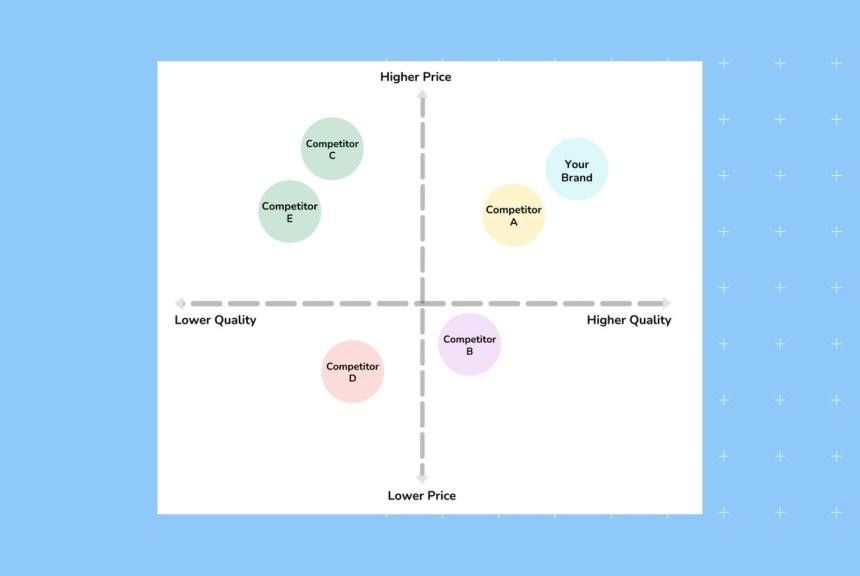
By understanding these factors, companies can position themselves more effectively in the market.

For instance, a business that identifies an underserved customer segment can tailor its offerings to meet specific needs. This creates differentiation and reduces direct competition.

Building a Clear Value Proposition

A strong strategy clarifies what makes a business unique. Instead of trying to appeal to everyone, strategically focused companies define their value proposition and communicate it consistently.

This clarity attracts the right customers and improves conversion rates.

Driving Innovation and Growth

Encouraging Forward Thinking

Innovation is often the result of strategic thinking. When businesses take time to analyze trends and explore possibilities, they uncover new ideas and opportunities.

Strategic thinking encourages questions such as:

  • What problems are emerging in our industry?
  • How can we solve them differently?
  • What new markets can we explore?

These questions lead to innovation that is both relevant and practical.

Supporting Sustainable Growth

Growth without a clear strategy often creates more problems than progress. While expansion may look like success on the surface, it can quickly lead to operational strain, financial pressure, and poor decision-making if it is not properly guided. Businesses may scale too quickly, enter unfamiliar markets without adequate research, or invest in initiatives that fail to deliver meaningful returns.

Strategic thinking plays a critical role in ensuring that growth is both sustainable and controlled. Instead of reacting to opportunities impulsively, organizations take a structured approach to expansion. This means evaluating risks, understanding market conditions, and aligning every major decision with long-term goals.

Strategic thinking ensures that growth is:

  • Planned: Businesses define clear milestones, allocate resources efficiently, and follow a structured path rather than expanding reactively.
  • Measured: Performance is continuously tracked using relevant metrics, allowing leaders to assess progress and make informed adjustments when needed.
  • Aligned with long-term objectives: Every growth decision supports the broader vision of the organization, ensuring consistency and preventing distractions from core goals.

By applying this approach, businesses can reduce uncertainty, avoid costly mistakes, and build a more stable foundation. This not only minimizes risk but also increases the likelihood of achieving consistent, long-term success in an increasingly competitive environment.

Improving Operational Efficiency

Streamlining Processes

Strategic thinking plays a key role in improving operational efficiency by encouraging businesses to critically evaluate how their internal processes function. Instead of treating workflows as fixed or unchangeable, organizations begin to question existing systems, identify bottlenecks, and explore ways to optimize performance. This shift in mindset allows teams to move from reactive execution to intentional improvement.

By analyzing each step in a process, businesses can uncover inefficiencies such as delays, unnecessary approvals, or outdated methods. Addressing these gaps leads to more streamlined operations and better use of resources. Over time, even small adjustments can compound into significant gains.

This approach can lead to:

  • Reduced operational costs by eliminating waste and optimizing resource allocation
  • Faster execution through simplified workflows and fewer bottlenecks
  • Improved productivity as teams spend less time on inefficient tasks

Small improvements in efficiency, when applied consistently, can have a substantial impact on overall business performance and scalability.

Eliminating Redundancy

Another major benefit of strategic thinking is its ability to reduce duplication of effort. In many organizations, different teams unknowingly work on similar tasks due to a lack of coordination or visibility. This not only wastes time but also leads to inconsistent outcomes.

“Strategic thinking promotes clarity and communication, reducing redundancy and ensuring that efforts are directed where they are most needed,” says David Lee, Managing Director at Functional Skills. 

By improving communication and aligning teams around shared goals, businesses can ensure that resources are used efficiently and that every effort contributes to meaningful progress.

Strengthening Risk Management

Anticipating Challenges

Every business operates in an environment filled with uncertainty, but what separates resilient organizations from vulnerable ones is preparation. Strategic thinking encourages leaders to actively identify potential risks before they escalate into serious problems. Instead of reacting under pressure, businesses can develop structured plans to manage disruptions effectively.

“Every business faces risks, but not every business prepares for them. Strategic thinking involves identifying potential threats and developing plans to address them,” says Dr. Amanda Baes, Owner of Healing Hands Chiropractic.

These risks may include:

  • Market shifts, such as changes in customer demand or emerging competitors
  • Regulatory changes that can impact compliance and operational processes
  • Supply chain disruptions, which may delay production or delivery timelines
  • Technological advancements that can quickly make existing systems outdated

By anticipating these challenges early, businesses can respond faster, reduce potential damage, and maintain stability even during uncertain conditions.

Building Resilience

Strategically driven organizations are naturally more resilient because they prepare for change rather than avoid it. They invest in contingency planning, diversify their operations, and maintain a clear understanding of their core priorities. This proactive approach ensures that even when disruptions occur, the business can adapt without losing direction.

Resilience also builds confidence across teams and leadership, as decisions are guided by preparation rather than panic. Over time, this ability to navigate uncertainty becomes a competitive advantage.

Ultimately, strategic thinking enables businesses to stay agile, protect their operations, and continue progressing even in the face of unexpected challenges.

Enhancing Customer Understanding

Focusing on Customer Needs

Strategic thinking encourages businesses to shift from a product-first mindset to a customer-first approach. Instead of offering one-size-fits-all solutions, organizations invest time in understanding what their customers truly need, expect, and value. This involves analyzing customer behavior, gathering feedback, and identifying patterns that reveal preferences and pain points.

By gaining deeper insights, businesses can tailor their offerings more effectively. This not only improves relevance but also ensures that products and services solve real problems rather than assumed ones. As a result, companies can build stronger connections with their audience and stand out in competitive markets.

This approach leads to:

  • More relevant products and services that directly address customer needs
  • Higher customer satisfaction through personalized and thoughtful solutions
  • Stronger brand loyalty as customers feel understood and valued

Improving Customer Experience

Strategic thinking also enhances the overall customer experience by ensuring consistency across all touchpoints. When every interaction is aligned with customer expectations, from marketing messages to after-sales support, the experience becomes more seamless and intentional.

“When strategy aligns with customer expectations, the overall experience improves. From marketing to support, every touchpoint becomes more intentional,” says Raphael Yu, CMO at EaseSourcing.

This level of consistency builds trust over time. Customers are more likely to return to brands that deliver reliable and positive experiences, ultimately leading to stronger relationships and increased lifetime value.

Encouraging Long-Term Vision

Moving Beyond Short-Term Gains

Short-term wins are important for maintaining momentum and meeting immediate business needs, but they should never come at the expense of long-term success. Many organizations fall into the trap of prioritizing quick results, often making decisions that deliver temporary gains while creating challenges down the line. Strategic thinking helps businesses strike the right balance between achieving immediate outcomes and building a sustainable future.

For example, reducing costs may improve short-term profitability, but it can negatively impact product quality, employee morale, or customer satisfaction over time. A strategic approach evaluates both the short-term benefits and long-term consequences before making decisions. This ensures that actions taken today do not undermine future growth or stability.

Creating a Roadmap for Growth

A well-defined strategy acts as a roadmap, providing clarity and direction for the entire organization. It outlines where the business is headed, what goals it aims to achieve, and the steps required to get there. Without this guidance, teams may operate in silos or make decisions that are misaligned with the company’s vision.

This roadmap:

  • Guides decision-making by providing a clear framework for evaluating choices
  • Aligns teams so that everyone works toward shared objectives
  • Tracks progress through measurable goals and performance indicators

With a strong strategic roadmap in place, businesses can stay focused, make consistent progress, and avoid drifting away from their long-term vision.

Building a Culture of Strategic Thinking

Creating a culture of strategic thinking requires more than occasional planning sessions. It involves embedding a forward-thinking mindset into everyday decisions, behaviors, and processes across the organization. When strategy becomes part of how people think and act, businesses are better positioned to adapt, grow, and stay competitive.

Leadership Influence

Strategic thinking starts at the top. Leaders play a critical role in shaping how decisions are made and how challenges are approached. By consistently demonstrating thoughtful, long-term decision-making, they set clear expectations for the rest of the organization.

“When leaders prioritize strategy, it becomes part of the organizational culture.” says Jimmy Bowers, Marketing Manager at Tampa Coin Buyers.

When leadership emphasizes strategy, it signals its importance, encouraging teams to move beyond reactive thinking and focus on long-term impact.

Empowering Teams

Strategic thinking should not be limited to leadership alone. Employees at all levels often have valuable, ground-level insights that can improve decision-making. Encouraging participation creates a more inclusive and effective strategy process.

Encouraging teams to think strategically leads to:

  • Better problem-solving as teams consider broader implications
  • Increased engagement when employees feel their input matters
  • More innovative ideas driven by diverse perspectives

Continuous Learning

Strategic thinking thrives in environments that prioritize learning and adaptability. As markets evolve, businesses must continuously refine their strategies to stay relevant.

This includes:

  • Analyzing performance data to identify trends and opportunities
  • Staying updated on industry trends to anticipate changes
  • Encouraging experimentation to test new ideas and approaches

By fostering a culture that values strategy, collaboration, and learning, organizations can build a strong foundation for long-term success.

Common Barriers to Strategic Thinking

Despite its importance, many organizations struggle to consistently apply strategic thinking in their decision-making. While leaders may recognize its value, everyday challenges often prevent teams from focusing on long-term direction and meaningful planning.

Lack of Time

Daily operations tend to dominate schedules, with teams constantly responding to urgent tasks, client demands, and internal issues. This reactive environment leaves little space for stepping back, analyzing trends, or planning for the future, making strategic thinking an afterthought rather than a priority.

Limited Data

“Effective strategy depends on accurate, timely, and relevant data. When organizations lack proper data collection systems or rely on outdated information, decisions are often based on guesswork. This increases uncertainty and reduces confidence in long-term planning,” says Logan Peranavan, CEO of TapestoDigital UK.

Resistance to Change

Change can be uncomfortable, especially when existing processes feel familiar and safe. Employees and even leadership may hesitate to adopt new approaches, fearing disruption or failure. This mindset can block innovation and slow down strategic progress.

Short-Term Pressure

Organizations are often driven by immediate financial goals and performance targets. While these are important, an excessive focus on short-term results can overshadow long-term objectives and limit sustainable growth.

Recognizing these barriers is the first step toward overcoming them and building a more forward-thinking organization.

Practical Steps to Develop Strategic Thinking

To effectively integrate strategic thinking into your business, it’s important to move beyond theory and adopt consistent, actionable practices. The following steps can help create a structured approach that aligns daily operations with long-term goals.

1. Define Clear Objectives

Start by establishing specific, measurable goals that connect directly to your long-term vision. Clear objectives provide direction, help teams stay aligned, and make it easier to evaluate progress over time.

2. Analyze Your Environment

Take time to assess both internal and external factors. Identify your organization’s strengths and weaknesses, while also examining market trends, competition, and emerging opportunities. This broader perspective allows for more informed and proactive decision-making.

3. Prioritize Initiatives

Not every idea or opportunity deserves equal attention. Focus on initiatives that offer the highest value and align most closely with your strategic objectives. This ensures resources are used efficiently and impact is maximized.

4. Monitor and Adjust

“Strategic thinking is an ongoing process. Regularly track performance using key metrics and be prepared to adjust your approach as conditions change. Flexibility is essential for long-term success,” says Sharon Amos, Director at Air Ambulance 1.

5. Encourage Collaboration

Involve cross-functional teams in the strategic process. Diverse perspectives often lead to better insights, stronger ideas, and more practical, well-rounded strategies.

Conclusion

Strategic thinking is not a one-time activity. It is an ongoing process that shapes how businesses operate, compete, and grow.

By improving decision-making, optimizing resource allocation, strengthening market positioning, and enhancing customer understanding, strategic thinking leads to better business outcomes across the board.

In a competitive and constantly changing environment, businesses that think strategically are better prepared to navigate challenges and seize opportunities. They move with purpose, act with clarity, and build systems that support long-term success.

Ultimately, strategic thinking transforms businesses from reactive entities into proactive organizations capable of shaping their own future.

Hi Auto AI Ordering Rolls Out System-Wide As Lee’s Famous Recipe Chicken Focuses On Franchisee Value

For decades, drive-thru operations have been defined by human order-takers balancing speed, accuracy, and customer interaction under constant pressure. But that model is evolving. Lee’s Famous Recipe Chicken is now extending Hi Auto’s AI Order Taker across its franchise network, positioning the technology as an optional enhancement designed to support, not replace, its operators.

The expansion follows strong performance across 30 initial locations and reflects a broader effort to modernize drive-thru operations without disrupting franchise autonomy.

Building Confidence Through Real-World Testing

Rather than launching system-wide immediately, Lee’s adopted a phased approach. The brand deployed Hi Auto in a combination of company-owned and franchise locations, allowing the system to operate under live drive-thru conditions.

These early deployments generated the operational data needed to evaluate whether the technology could perform consistently at scale. Importantly, the results were not confined to controlled environments; they reflected day-to-day restaurant activity across multiple stores.

Alongside this rollout, Lee’s also completed a critical infrastructure initiative: unifying its POS system and menu database. This step created the consistency required for AI ordering to function reliably across a franchise network with historically variable systems.

A Franchise System Built Around Optional Adoption

A defining feature of Lee’s strategy is its refusal to enforce mandatory adoption. Instead, the AI Order Taker is being offered as an available tool, giving franchisees discretion over whether to integrate it into their operations.

This model reflects a deliberate effort to preserve the independence of operators while still investing in system-wide capabilities that can improve performance.

Ryan Weaver, CEO of Lee’s Famous Recipe Chicken, emphasized this philosophy: “Our operators are the backbone of Lee’s, and it’s our job to give them every advantage we can.”

Weaver noted that early results included improved labor efficiency, shorter drive-thru lines, higher employee morale, and more accurate order fulfillment.

Measurable Gains Drive Franchisee Interest

For franchisees, the most compelling aspect of the rollout is the performance data coming from existing locations. Hi Auto’s AI Order Taker has demonstrated more than 95% order completion rates and 97% accuracy across participating restaurants.

These metrics translate into tangible operational improvements. Stores report saving three to eight labor hours per day, a meaningful reduction in staffing strain, particularly in high-volume periods.

Employee turnover has also declined by roughly 17%, suggesting that removing repetitive order-taking tasks contributes to a more sustainable work environment. At the same time, average ticket size has increased by approximately 1.5%, indicating that AI-assisted ordering may support more consistent upselling.

Redefining Labor Allocation In The Drive-Thru

One of the most significant impacts of AI ordering is not elimination of labor but redistribution. By automating order-taking, employees are able to focus on food preparation, order assembly, and guest interaction.

This shift reduces cognitive load during peak hours, when staff are often required to switch rapidly between tasks. It also allows restaurants to maintain service consistency without increasing headcount.

Over time, this reallocation of labor may prove as important as the efficiency gains themselves, particularly in a sector facing persistent hiring challenges.

Hi Auto’s Scale Reinforces System Readiness

Hi Auto brings significant operational scale to the partnership. The company supports nearly 1,000 drive-thru locations globally and processes more than 100 million orders annually. It also works with approximately 200 franchisees across three continents, giving it broad exposure to different operational models.

This level of scale suggests the platform has already been tested across varied real-world conditions, strengthening its suitability for broader deployment within systems like Lee’s.

Hi Auto CEO Roy Baharav described the partnership as aligned with a core principle of effective franchise technology: empowering operators rather than constraining them.

A Gradual Shift Toward AI-Native Drive-Thrus

Lee’s rollout does not represent a sudden transformation of the drive-thru experience. Instead, it reflects a gradual shift toward integrating AI into existing workflows in a way that preserves operational stability.

By combining infrastructure standardization with optional technology adoption, the brand is effectively creating an environment where innovation can scale without forcing uniform behavior across franchisees.

As more operators evaluate the system, the rollout may serve as a practical blueprint for how mid-sized QSR brands can adopt AI in a way that balances modernization with franchise independence.

SardineAI Corp Announces Release of Framework for Real Time Transaction Monitoring AML Compliance

Houston, TX – 12th April 2026 – SardineAI Corp announced the release of a structured framework focused on real time transaction monitoring AML compliance. The framework defines operational approaches for integrating fraud and AML monitoring processes into a shared risk operating model, aligning transaction decisioning with current payment speed and customer activity patterns.

The framework outlines methods for capturing transaction context at the moment of authorization, including account history, customer risk profiles, payment rails, and linked entity behavior. It emphasizes integrated fraud and AML operations, enabling teams to act on emerging risks in real time while maintaining compliance structures and auditability.

The release details how the framework supports risk assessment across the full lifecycle of transactions. It addresses coordination between fraud detection and AML monitoring workflows, escalation procedures, and visibility requirements to ensure timely and structured intervention before funds are transferred.

“Real time transaction monitoring AML compliance requires alignment between operational teams, data systems, and risk decisioning,” said Alex Martinez, Chief Risk Officer at SardineAI Corp. “This framework provides a shared approach for integrated fraud and AML operations that balances operational timing with structured compliance oversight.”

The framework also incorporates methods for connecting alerting systems, decisioning logic, and case management processes, aiming to reduce operational friction and improve oversight across multiple monitoring channels. It includes guidance on handling suspicious transactions, linking behavior patterns, and maintaining context for retrospective review and audit purposes.

About SardineAI Corp

Founded in 2018, SardineAI Corp develops frameworks and solutions for financial crime risk management in modern payment environments. The company focuses on enhancing operational efficiency and compliance visibility for financial institutions. SardineAI Corp maintains a presence on social media platforms including

LinkedIn: https://www.linkedin.com/company/sardineai/ 

X: https://x.com/sardine 

MEDIA DETAIL

Contact Person Name: Media Relation

Company Name: SardineAI Corp

Email: contact@sardine.ai

Website: https://www.sardine.ai/

Emerson Straw Announces Hidden Cost Awareness Framework for Everyday Movement Risks

New York, United States – 11th April 2026 – Emerson Straw announces the release of a framework titled Hidden Cost Awareness Framework for Everyday Movement Risks, developed to outline structured observations regarding indirect impacts associated with routine movement through public and semi-public environments. The framework presents a structured examination of how everyday travel through roads, sidewalks, parking areas, and shared spaces may be followed by extended administrative, financial, and procedural activity when unexpected incidents occur.

The framework addresses the progression of post-incident conditions beyond the immediate moment of disruption, including documentation requirements, follow-up actions, and coordination across multiple processes that may arise after an event. Reference material informing the framework includes publicly available content from emersonstraw.com and contextual material associated with incident-related discussion environments such as 216lawyers.com. The framework focuses on how initial disruption events may be followed by additional layers of responsibility that accumulate over time.

The framework also outlines how routine assumptions about safety and predictability in daily movement environments may shift when incidents occur, creating parallel demands involving reporting, scheduling, and information gathering. Attention is given to how these demands may overlap with personal and professional obligations, contributing to extended periods of administrative engagement following a single event.

According to Emerson Straw framework contributor Daniel Mercer, “Development of the Hidden Cost Awareness Framework for Everyday Movement Risks reflects structured observation of how routine environmental movement intersects with post-incident administrative and financial processes, with attention placed on the sequence of tasks that often follows an initial disruption event and the variability in requirements across different contexts.”

The framework further considers the temporal aspect of incident response, including how tasks associated with documentation, communication, and verification may extend across multiple days or weeks depending on situational requirements. The structure of the framework is intended to support consistent observation of how such processes may expand beyond initial expectations and how overlapping responsibilities may emerge during resolution stages.

Additional sections of the framework address the intersection of financial obligations, time allocation, and procedural requirements that may arise concurrently. Consideration is given to how these elements interact in environments where multiple stakeholders, systems, or procedural steps are involved, contributing to layered complexity in post-incident activity.

Emerson Straw notes that the framework is intended as an informational structure for examining patterns associated with everyday movement environments and the subsequent administrative and logistical processes that may follow incidents occurring within those environments.

About Emerson Straw

Emerson Straw was founded in 2022 and focuses on structured informational frameworks related to environmental risk observation and post-incident process analysis. 

Social media presence is maintained on 

LinkedIn: https://www.linkedin.com/company/emerson-straw-pl/ 

X: https://x.com/Emerson_Straw 

Facebook: https://www.facebook.com/emersonstraw/ 

MEDIA DETAIL

Contact Person Name: Matthew D. Emerson, Wesley T. Straw

Company Name: Emerson Straw

Email: eduardo@sdmark.net 

Website: https://emersonstraw.com/st-petersburg-car-accident-lawyer/

Asprofin Bank’s Client DN Group to construct Qatar Datacenter in Indian Subcontinent

Roseau, Dominica – 11th April 2026 – Asprofin Bank Corporation leads financing for one of the largest cross-border hyperscale data center programs to emerge from the Middle East–South Asia corridor, partnering with Wow Global Technologies and India’s DN Group to deploy sovereign cloud infrastructure across seven countries.

When Asprofin Bank Corporation formalized its role as lead financier and strategic partner for a USD 10 billion multi-country hyperscale data center program on March 26, 2026, it signaled more than a single transaction — it marked the entry of specialized international project finance into what has become the fastest-growing infrastructure asset class of the decade. The agreement, signed between Asprofin Bank, Qatar’s Wow Global Technologies W.L.L., and India’s DN DATAGLOBE Private Limited (a subsidiary of DN Homes Pvt Ltd), establishes the financial and operational framework for deploying modular, sovereign-grade data center facilities across Qatar, India, and selected South and Southeast Asian markets through 2030.

The initiative arrives at a moment of extraordinary structural demand. The concept of digital sovereignty — the principle that nations should exercise jurisdictional control over the data generated within their borders — has moved from academic abstraction to infrastructure imperative. By the end of 2024, more than 70 countries had enacted or proposed data residency requirements (Information Technology and Innovation Foundation [ITIF], 2024; United Nations Conference on Trade and Development [UNCTAD], 2024). Global data center capital expenditure reached approximately USD 350 billion in 2024, with multiple independent forecasts projecting the market will exceed USD 580 billion annually by the end of the decade (Synergy Research Group, 2024; McKinsey & Company, 2024). The computational demands of generative AI alone are expected to require between 1.5 and 2 times current global data center capacity by 2028 (Goldman Sachs, 2024), while hyperscale operators — Amazon Web Services, Microsoft Azure, and Google Cloud — collectively deployed over USD 130 billion in capital expenditure during 2024 (Gartner, 2025). Yet the most pronounced growth in new capacity is occurring in emerging markets where sovereign mandates intersect with rapid digitization (IDC, 2024; Brookings Institution, 2023), precisely the geographies that Asprofin Bank’s financing is designed to serve.

India exemplifies this convergence. The country’s installed data center capacity stood at roughly 1,100 MW in 2024, with an additional 3,500 MW under development across Mumbai, Chennai, Hyderabad, and emerging clusters in Pune and Kolkata (JLL India, 2024; CBRE South Asia, 2024). Policy tailwinds have been substantial: the Digital India initiative, the proposed Data Centre Policy classifying data centers as essential infrastructure, and targeted incentives under the National Infrastructure Pipeline have collectively attracted over USD 10 billion in foreign direct investment between 2020 and 2024 (NITI Aayog, 2023; Ministry of Electronics and Information Technology [MeitY], 2024; Invest India, 2024). Major Indian conglomerates have responded — the Adani Group’s partnership with EdgeConneX, Reliance Jio’s hyperscale expansion, and the Hiranandani Group’s Yotta platform have demonstrated that traditional infrastructure and real estate expertise translates effectively into data center delivery (Knight Frank India, 2024; Cushman & Wakefield, 2024; Economic Times, 2024; Business Standard, 2024; LiveMint, 2024).

It is this proven translation — from civil construction competency to digital infrastructure execution — that underpins DN Group’s appointment as Tier Two Contractor for the India segment. Founded in 2003 in Bhubaneswar, Odisha by Mr. Jagadish Prasad Naik, the DN Group has spent over two decades delivering thousands of housing units and managing complex multi-phase construction projects across Eastern India (DN Group, 2025). DN DATAGLOBE, the Group’s digital infrastructure subsidiary, will be responsible for the full lifecycle of the India deployment: site preparation, modular unit construction, mechanical and electrical systems integration (power distribution, cooling, networking, and physical security), testing, commissioning, and handover — capabilities that draw directly on the parent group’s established strengths in workforce mobilization, regulatory navigation, and end-to-end project execution (Uptime Institute, 2024; Turner & Townsend, 2024). In December 2025, DN Group outlined plans for national expansion and a potential public listing within three years, signaling institutional readiness for projects of this scale.

“This partnership validates DN Group’s ability to operate at the intersection of traditional infrastructure and next-generation technology,” Mr. Naik stated. “We are committing our top resources to deliver world-class facilities on time and within specification.”

The project’s origination from Qatar reflects the emirate’s accelerating digital ambitions. The Qatar National Vision 2030 prioritizes diversification toward a knowledge-based economy (General Secretariat for Development Planning, 2008), and institutions including the Qatar Investment Authority, the Qatar Financial Centre, and the Qatar Free Zones Authority have actively positioned Doha as a regional computing hub (Oxford Business Group, 2024; Qatar Free Zones Authority, 2024). Wow Global Technologies, chaired by His Excellency Sheikh Mohd Hamad A.M. Al-Thani, has developed a vision centered on distributed, rapidly deployable “NanoCenters” — modular edge computing facilities designed to embed sovereign data processing closer to end users (Wow Global Technologies, 2025) — with an initial USD 5 billion commitment in partnership with the QX Fund. Parallel developments across the Gulf underscore the regional momentum: Saudi Arabia’s NEOM has earmarked billions for integrated smart infrastructure (NEOM, 2024), and the UAE’s G42 has partnered with Microsoft and OpenAI to build sovereign AI capacity (Reuters, 2024; Bloomberg, 2024). The Middle East data center market is projected to grow at a compound annual rate of 13.2% through 2029 (Mordor Intelligence, 2024; Arizton Advisory, 2024), while the European Union’s GAIA-X initiative (European Commission, 2023) and Indonesia’s Government Regulation No. 71 (Indonesian Ministry of Communication, 2024) confirm that the sovereignty imperative is global in scope (Bauer et al., 2023).

Ambitions of this scale, however, remain theoretical without the financial architecture to execute them — and it is here that Asprofin Bank’s role becomes central to the program’s credibility and viability. Asprofin Bank Corporation is an international financial institution specializing in private banking, bespoke financial services, and infrastructure project finance, duly licensed under the Commonwealth of Dominica’s Offshore Banking Act and registered with Legal Entity Identifier 9845007F66BCEC5OE706. The bank operates with a stated commitment to integrity, transparency, and adherence to global regulatory standards including FATCA, and it has cultivated expertise in creative financing structures for large-scale, transformative projects. For this initiative, Asprofin Bank has committed to arranging up to USD 10 billion in project-level financing, structured as collateralized, milestone-based disbursements where each country segment is ring-fenced against its own assets, contracts, and revenue streams. This model — where every dollar released is tied to independently verified construction milestones and backed by tangible collateral — is well-established in the infrastructure project finance literature (Yescombe & Farquharson, 2018; Fight, 2006; Gatti, 2013) and has become the preferred framework among institutional lenders for digital infrastructure given the asset class’s predictable cash flows and growing tenant demand (Moody’s Investors Service, 2024; Preqin, 2024).

What distinguishes Asprofin Bank from a conventional lending participant is the depth of its governance integration. The bank retains the right to embed finance professionals within the Project Steering Committee, enforces disbursement only upon receipt of Milestone Completion Certificates signed by independent engineers, and conducts ongoing due diligence spanning KYC, regulatory compliance, and financial reporting. All project funds flow through escrow-controlled accounts with a transparent cash waterfall that prioritizes contractor payments, approved expenses, and agreed financing terms in sequence. Asprofin Bank’s in-principle letter of commitment, dated January 12, 2026, affirmed readiness to finance USD 1 billion for the initial Qatar NanoCenter phase — an early, concrete signal of institutional capacity that anchors the broader program’s financial credibility.

“We are not just providing funds; we are helping build the key digital support that countries will use for years to come,” said Shiva Narayan, CEO of Asprofin Bank.

This philosophy — that infrastructure finance should function as active partnership in project delivery rather than passive capital supply — finds institutional support in the practices advocated by major multilateral development organizations. Global project finance volume reached USD 367 billion in 2023, with digital infrastructure the fastest-growing sub-sector (IJGlobal, 2024; Refinitiv, 2024). The World Bank Group (2023), the Asian Development Bank (2024), and the International Finance Corporation (2023) have all endorsed ring-fenced, asset-backed models for cross-border infrastructure because they insulate individual project phases from broader sponsor or sovereign risk — the precise architecture that Asprofin Bank has implemented here.

The convergence of sovereign data mandates creating structural demand, Gulf capital seeking diversification into technology infrastructure, Indian construction firms scaling into digital delivery, and specialized financial institutions engineering the project finance frameworks to make it all bankable suggests that the Wow Global–Asprofin Bank–DN DATAGLOBE trilateral may represent an early template for how emerging-market digital infrastructure gets financed and built in the coming decade. Initial deployment in Qatar is planned for 2026–2027, with India rollout during 2027–2029 and expansion into Bangladesh, Sri Lanka, Vietnam, Thailand, Indonesia, and Malaysia through 2030.

Whether this model proves replicable will depend in large part on execution — and on whether the financial discipline that Asprofin Bank has embedded into the program’s architecture translates into on-the-ground delivery at the pace and scale the market demands.

MEDIA DETAILS

Contact Person: Yida Jiang

Email: press@asprofinbank.org

Website: https://www.asprofinbank.org

WHY BLOCKLENDER’S COLLATERAL MODEL IS REDEFINING TRUST IN XRP LENDING

When most people think about lending their cryptocurrency to a platform, the first question is almost always the same: what happens if something goes wrong?

It is a fair question. The crypto industry has a complicated history with platforms that held user funds without adequate protection. Blocklender, the XRP Ledger-native lending platform, was built with that question in mind — and its answer is structural, not just a promise.

THE COLLATERAL REQUIREMENT

Every loan issued through Blocklender is backed by collateral posted by the borrower before a single token is disbursed. That collateral, deposited in XRP or RLUSD and locked on the XRP Ledger, must exceed the value of the loan itself. This overcollateralization model means that lender funds are never exposed without a corresponding guarantee already in place.

This is not a new concept in finance. Traditional banks require collateral for secured loans. What is new is the delivery mechanism. On Blocklender, the collateral is not held by a third party or a centralized custodian — it is locked directly on the XRP Ledger, where it is publicly visible and immovable without the conditions of the loan being met.

ON-CHAIN VERIFICATION

One of the most significant trust features of the Blocklender platform is its on-chain transparency. Every transaction — deposits, loan disbursements, interest payments, withdrawals — is recorded on the XRP Ledger and available for independent verification through public blockchain explorers.

This removes one of the most common concerns with centralized lending platforms: the inability to verify that your funds are where the platform says they are. With Blocklender, there is no need to take the platform’s word for it. The ledger is public, permanent, and tamper-proof.

WHAT HAPPENS IN A DEFAULT

If a borrower fails to repay a loan, the collateral they posted on the XRP Ledger is used to cover the lender’s funds. Because the collateral exceeds the loan value, lenders are protected even in the event of a full default. The mechanism is automatic — it does not rely on legal proceedings, manual intervention, or third-party arbitration.

This design gives Blocklender lenders a materially different risk profile compared to unsecured lending platforms, where a borrower default can result in direct lender losses.

2FA AND ACCOUNT SECURITY

Beyond the loan structure itself, Blocklender enforces two-factor authentication on all user accounts and all administrative platform operations. This adds a layer of access security that protects against unauthorized account activity independently of the on-chain mechanics.

THE BIGGER PICTURE

The question of trust in crypto lending is not going away. As the industry matures, platforms that can demonstrate structural protections — rather than simply assert them — will be the ones that earn lasting user confidence.

Blocklender’s approach is straightforward: put the protections on-chain, where they are verifiable by anyone, and build the lending model around collateral that is locked before a loan is ever issued.

For XRP holders looking to earn 12% APR with daily compounding on their holdings, that structural approach to security is what makes Blocklender a platform worth considering.

Learn more about how Blocklender protects lender funds at Blocklender.io and visit https://blocklender.io to explore the platform.

The Chef Tours Announces Participatory Culinary Tour Development Initiative in Buenos Aires

London, United Kingdom – The Chef Tours announces a participatory tour development initiative in Buenos Aires designed to involve travellers in the creation of a new culinary tour format. The initiative introduces a structured environment where selected participants take part in the evaluation and selection of food items, venues, and progression of the tour experience over a defined period.

The initiative is scheduled to take place over a two-week period and is led by Chef Karl Wilder and Milou. The process includes guided visits to a range of food establishments, with participants observing and contributing to decisions related to inclusion of specific dishes such as steak, empanadas, wine, and desserts. Each session reflects ongoing adjustments based on group interaction, kitchen availability, and daily conditions within the city.

The format reflects an operational approach where tour construction is conducted in real time rather than predefined in advance. Participants are positioned within the development process, with access to stages that include venue selection, sequencing of stops, and evaluation of consistency across experiences. The initiative incorporates small group sizes to facilitate movement across locations that may not accommodate larger groups.

Chef Karl Wilder, participating in the initiative, stated, “This process introduces a structured method of building a culinary tour with participant involvement. Each stage reflects direct observation of kitchens, dishes, and service conditions within the city. The resulting format is shaped through a series of iterative decisions conducted over the defined period.”

The Buenos Aires initiative forms part of The Chef Tours’ broader operational activity across multiple cities, where chef-led formats are used to structure culinary experiences. The participatory model is positioned as an extension of this approach, focusing on the development phase of a tour rather than a finalized itinerary.

About The Chef Tours

The Chef Tours is a travel company established in 2020 that develops chef-led culinary experiences across international cities. Operations focus on small-group formats designed around local food environments and chef involvement in tour structure. The company conducts activities in locations including Paris, Seville, Berlin, Buenos Aires, and Mexico City.

Paris (Montmartre) https://www.thecheftours.com/paris

Seville https://www.thecheftours.com/seville

Berlin https://www.thecheftours.com/berlin

Buenos Aires https://www.thecheftours.com/Buenos-Aires 

Mexico City https://www.thecheftours.com/mexico-city

MEDIA DETAIL

Contact Person Name: Media Relation

Company Name: The Chef Tours

Email: Operations@thecheftours.com

Website: https://thecheftours.com/