Why Modern Learners Prefer Immersive Yoga Education

Yoga education has evolved massively over the last decade. It’s no longer limited to traditional studio classes, weekend workshops, or reading dense books on philosophy. Modern learners want something deeper, more experiential, and more connected to their real lives. They’re gravitating toward immersive yoga education—retreats, intensive trainings, multi-day workshops, and learning environments that blend movement, philosophy, mindfulness, neuroscience, and real-world application.

Immersive yoga education is becoming the preferred approach not because it’s trendy, but because it aligns with how people learn today. Busy schedules, fragmented attention, and high levels of stress have pushed learners to seek environments where they can unplug, reset, and learn in a focused, embodied way. This shift reflects a broader change in how people engage with personal development, mind-body wellness, and meaningful education.

Let’s get into the nitty-gritty.

The Need for Deep, Focused Learning Experiences

Today’s learners are overwhelmed. Information is everywhere—social media, online courses, short-form videos, and endless content streams. Learning is often fast, shallow, and fragmented. Immersive yoga education provides the opposite: uninterrupted time to absorb, practice, and internalize teachings.

“In immersive settings, learners step away from distractions, deadlines, and digital noise”, says Sinead Corceran, Yoga Trainer ERYT200 & Course Director at All Yoga Training. “They engage in concentrated practice, repetition, and reflection. This focused environment accelerates their understanding of yoga’s core principles, allowing concepts that normally take months to sink in to become embodied within days.” 

For modern minds used to constant multitasking, this kind of depth is refreshing and transformative.

The Desire to Learn Through Experience, Not Information

Modern learners value experiential learning—learning that is felt, lived, and embodied rather than just understood intellectually. Traditional learning methods can feel too theoretical or disconnected from daily life. Immersive yoga education provides hands-on experience where learners feel the effects of breathwork, meditation, movement, and mindfulness directly.

As Htet Aung Shine, Co-Founder of NextClinic sheds light on an important aspect, “When someone experiences how breath shifts their emotional state, or how a long-held posture releases stress they didn’t know they were carrying, the learning becomes personal and memorable.” 

This form of learning isn’t about memorizing instructions; it’s about transforming awareness. The lessons stick because they’re lived through the body.

The Search for Community and Human Connection

Modern life can be isolating, even with constant digital connectivity. People are craving genuine human experiences—conversations that matter, shared struggles, shared breakthroughs. Immersive yoga programs create environments where people connect deeply, quickly, and meaningfully.

Learners bond through shared practice, vulnerability, and mutual support. The collective energy of practicing together for long hours creates a sense of unity that regular classes rarely achieve. This community becomes one of the most valued aspects of immersive learning, giving learners a sense of belonging and emotional support that extends far beyond the duration of the program.

The Need for Environments That Support Personal Transformation

Transformation requires space—physical space, emotional space, and mental space. Immersive yoga education creates environments where learners feel safe to explore, reflect, and grow. Whether it’s a retreat in nature or an intensive training hosted in a quiet studio, the environment is intentionally designed to support introspection.

This controlled environment allows learners to disconnect from routine, obligations, and familiar identity roles. Without the typical pressures of daily life, individuals can examine habits, fears, beliefs, and emotional patterns more honestly. This reflective atmosphere often leads to breakthroughs that feel difficult to achieve in everyday contexts.

The Integration of Modern Science With Ancient Wisdom

Today’s learners appreciate knowledge that is both grounded in tradition and supported by science. Immersive yoga programs integrate modern research from psychology, neuroscience, and physiology to help learners understand why yoga works. Concepts like neuroplasticity, vagal tone, stress regulation, and somatic awareness bridge the gap between ancient wisdom and modern understanding.

This blend helps learners trust and engage with the practice more fully. As Joseph Kim, Founder & CEO of Incellderm, puts, “When people understand the science behind breathwork or mindfulness, the whole practice feels more grounded. The mental clarity they gain often shows up physically too, because confidence and reduced stress have a direct impact on how vibrant and healthy someone looks.”

The merging of tradition and modern insight creates a richer, more relevant educational experience.

The Appeal of Stepping Away From Routine

Routine is efficient, but it can also be numbing. Many learners seek immersive yoga education because they want a break from their usual patterns. The change of environment, schedule, and pace initiates a mental shift. Even the act of leaving home for a retreat signals to the brain that something significant is happening.

In this altered context, learners absorb information faster and reflect more deeply. They’re more open to new insights and experiences because they’ve stepped outside their familiar mental loops. The break from routine creates a sense of renewal that enhances learning and supports long-term internal change.

The Rise of Mind-Body Learning Preferences

Modern learners increasingly recognize that the mind and body are interconnected. They understand that emotional intelligence, stress management, self-awareness, and focus cannot be developed through cognitive learning alone. Immersive yoga education approaches learning through the body, which supports deeper, more integrated understanding.

Benson Kuria Macharia, CTO of TranslitePharma, adds, “When you explore how the body stores emotions, how breath affects mood, and how movement impacts mental patterns, learners experience knowledge in a multidimensional way.” This mind-body integration creates a more holistic and lasting form of learning that traditional methods cannot replicate.

The Demand for Practical Life Tools, Not Just Theory

Yoga has moved far beyond posture-based practice. Modern learners want tools they can use in real life—techniques for handling stress, improving sleep, supporting emotional well-being, and enhancing mental clarity. Immersive yoga education provides practical tools that can be applied immediately.

Sharon Amos, CEO of Air Ambulance 1, says, “During immersive programs, learners practice specific techniques repeatedly, allowing these tools to become natural and accessible. When learners return to daily life, they carry a personalized toolkit rooted in lived experience rather than vague understanding.” That practicality is a major reason immersive yoga education has become so appealing.

The Influence of Mental Health Awareness

The current generation of learners is more aware of mental health than any generation before. Anxiety, burnout, digital fatigue, and emotional overwhelm are common struggles. Immersive yoga education offers a structured, supportive way to improve mental well-being.

The extended time spent practicing mindfulness, movement, and breathwork creates a deep nervous system reset. Learners often report feeling lighter, clearer, calmer, and more grounded after immersive programs. These experiences build lasting emotional regulation skills, making immersive yoga education a form of proactive mental health care.

The Longing for Meaning and Purpose

People today are increasingly searching for purpose, direction, and a deeper sense of meaning. Yoga philosophy offers timeless insights into self-understanding, values, inner peace, and personal alignment. However, these insights are difficult to absorb through casual reading or drop-in classes.

Immersive environments allow learners to sit with these ideas, reflect on them, discuss them, and apply them in real time. This creates a sense of inner clarity and purpose that many learners find transformative. Immersive yoga education becomes more than a learning experience—it becomes a turning point.

Conclusion

Modern learners are choosing immersive yoga education because it matches the way they want to grow—experientially, deeply, and consciously. It provides a refuge from digital overload and a path toward meaningful transformation. Immersive programs offer focused learning, emotional support, community connection, scientific insight, and the chance to reset mentally, physically, and spiritually.

In a time when attention is scattered, stress is high, and learning often feels superficial, immersive yoga education stands out as a powerful, holistic path. It offers not just knowledge but transformation. It supports not just skills but self-understanding. It provides not just practice but renewal.

This is why modern learners aren’t just interested—they’re committed. Immersive yoga education gives them the depth, clarity, and connection they’re seeking, making it one of the most meaningful learning experiences of our time.

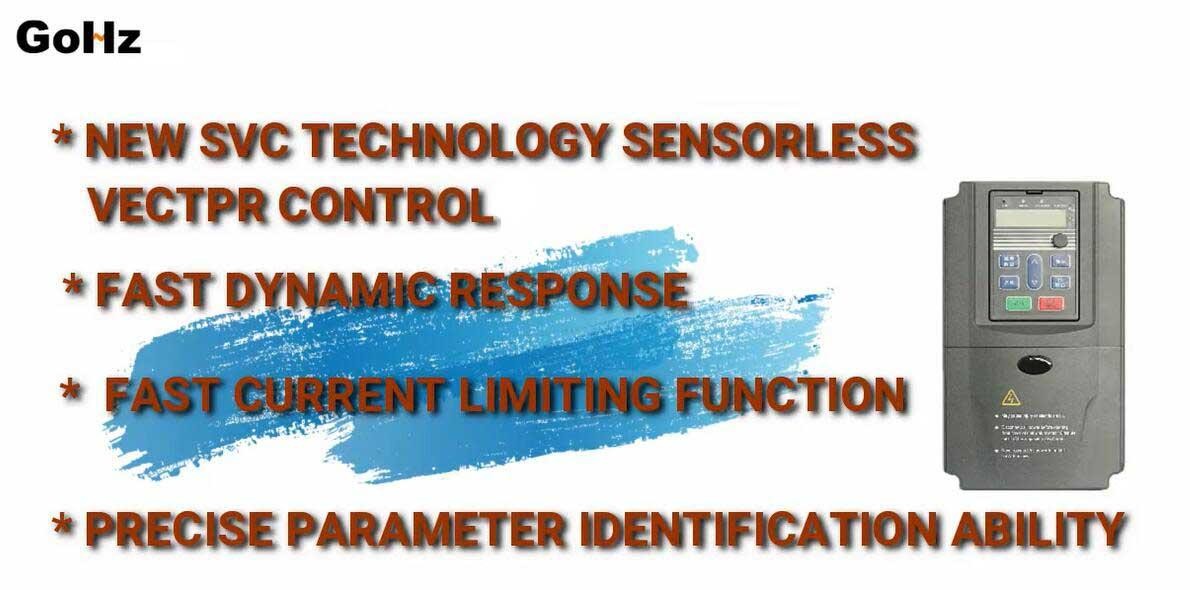
How Three Phase VFDs Improve Industrial Motor Efficiency and Reduce Energy Costs

Industrial facilities rely heavily on electric motors for pumps, conveyors, compressors, HVAC systems, and a wide range of manufacturing operations. As energy consumption continues to rise and electricity costs follow industrial sectors are looking for smarter ways to optimize motor performance and reduce unnecessary energy waste. One of the most effective solutions is the three phase VFD (Variable Frequency Drive).

A three phase VFD controls the speed, torque, and frequency of three-phase motors to ensure that they run according to real-time operational demands rather than constantly operating at full capacity. This relatively simple concept results in significant savings, smoother motor operation, lower maintenance, and improved overall plant efficiency. In this article, we’ll explore what a three phase VFD is, how it works, and why it is one of the smartest investments industrial companies can make.

What Is a Three Phase VFD?

A three phase VFD is an electronic controller that adjusts the frequency and voltage supplied to a three-phase AC motor. By precisely controlling motor speed, the VFD ensures that motors only use the amount of energy required for a specific task.

In traditional systems, motors run at fixed speeds, usually at full load, even when the actual process doesn’t demand maximum output. This results in wasted energy and increased wear. On the other hand, a VFD supplies only the necessary electrical frequency, which translates directly into energy savings and improved performance.

How a Three Phase VFD Works

To understand how a VFD benefits an industrial motor, it helps to know its basic operational steps:

  1. AC Input → DC Conversion
    Incoming three-phase AC power is converted into DC using a rectifier.
  2. DC → Variable AC Output
    The DC is then converted back to AC through an inverter, where the output frequency and voltage are adjusted.
  3. Motor Receives Optimized Power
    The controlled AC output allows the motor to operate at the exact speed required.

The flexibility of this conversion process is the key to optimizing motor efficiency and extending motor lifetime. Instead of forcing the motor to run at nominal speed, the three phase VFD adjusts it to match real operational needs.

Benefits of Using a Three Phase VFD in Industrial Applications

1. Significant Energy Savings

Energy is the largest cost center in most industrial facilities. Motors often run continuously, consuming substantial power. Three phase VFDs 1 hp to 500 hp help optimize this by reducing motor speed when full capacity isn’t needed. The relationship between motor speed and power consumption is extremely important:

  • A reduction of 20% in speed can lower energy consumption by nearly 50%.

This exponential savings effect is especially valuable in systems like pumps or fans, where process demands vary constantly. Instead of running at 100% and using throttling valves or dampers, the motor naturally adjusts speed—leading to long-term cost benefits.

2. Improved Motor Efficiency and Performance

A three phase VFD ensures motors run smoothly without sudden starts or stops. Traditional across-the-line motor starters cause large current spikes when powered on. These spikes create torque surges and stress electrical components.

VFDs eliminate these issues with soft starting features, gradually ramping the motor to the desired speed. This minimizes electrical stress, protects mechanical components, and improves energy stability throughout the facility.

3. Reduced Wear and Maintenance Costs

Mechanical shock is a major cause of motor damage. Without proper control, motor parts deteriorate faster, leading to frequent downtime and replacement costs.

A three phase VFD helps in two ways:

  • Controlled acceleration and deceleration reduces belt, bearing, and gearbox wear.
  • Lower operating RPM extends the life of the motor and the driven equipment.

Less vibration means less maintenance. For industries where uptime is critical, such as oil refining, pharmaceuticals, automotive production, or food processing this reliability translates into real productivity gains.

4. Better Process Control

Industrial environments often demand precise output. A VFD allows engineers and operators to fine-tune the speed of each motor-based system. Whether it’s a conveyor in a packaging line or a pump in a chemical manufacturing process, the VFD ensures:

  • Consistent flow
  • Accurate speed
  • Stable output
  • Lower rejection or scrap rates

By integrating sensors or automation systems, a VFD can automatically adjust its output based on temperature, pressure, load, or process demand. This kind of intelligent process control improves final product quality and enhances operational accuracy.

5. Protection Against Power Problems

Electrical irregularities are common in industrial zones voltage drops, power surges, or grid imbalance can interrupt production and damage motors. Most modern VFDs include protection features such as:

  • Over-current protection
  • Over-voltage protection
  • Phase loss detection
  • Motor thermal protection
  • Short circuit protection

These safeguards prevent expensive failures and extend motor lifespan. Additionally, the VFD continuously monitors power usage, helping engineers identify anomalies before they become costly breakdowns.

Real-World Applications of Three Phase VFDs

Three phase VFDs are used in virtually every industrial sector. Below are some common use cases:

Pumps

Water supply, wastewater treatment, hydraulic systems, and chemical dosing rely on variable flow. Instead of using valves, a VFD controls pump speed directly reducing energy waste.

Fans and Blowers

HVAC units, cooling towers, ventilation systems, and dust filtration systems benefit greatly. Since fan loads follow the cube law of speed vs. energy, VFDs provide dramatic energy savings.

Conveyor Systems

Variable speed conveyors create more flexibility and consistency in production lines, especially in packaging and assembly applications.

Compressors

Air compressors are costly to run at full speed. A VFD increases or decreases motor speed based on demand, preventing idle consumption.

Industrial Mixers

In food, chemical, and pharmaceutical manufacturing, mixing speed is critical. Smooth speed transitions protect sensitive ingredients and equipment.

Economic Impact: How VFDs Cut Operational Costs

When estimating return on investment, many companies overlook the hidden costs of operating motors at full capacity. Energy expenses, part replacements, downtime, and equipment depreciation make up a large portion of total expenses.

A three phase VFD pays for itself by:

  • Lowering monthly power bills
  • Reducing unscheduled maintenance
  • Improving equipment availability
  • Extending machinery lifespan

For many facilities, the ROI timeframe is remarkably short—often 6 to 24 months depending on system usage. Once in place, savings continue year after year.

Future of Industrial Efficiency: VFD Integration with Automation

With the rise of industrial automation and Industry 4.0, three phase VFDs are evolving into intelligent devices rather than simple speed controllers. Modern VFDs can:

  • Communicate with PLC and SCADA systems
  • Log energy performance data
  • Respond to sensor input
  • Work with predictive maintenance systems
  • Integrate into smart factories

This transition makes VFDs a critical component in digital manufacturing ecosystems. Rather than simply cutting costs, they enable real-time performance optimization and production flexibility.

Final Thoughts

Energy efficiency is not just a trend—it’s an operational necessity. Industrial motors are responsible for a major percentage of global electricity consumption, and inefficiency leads to substantial financial loss. By using a three phase VFD, industries can cut costs, extend equipment life, and improve output quality.

Whether used for pumps, conveyors, compressors, or HVAC systems, Variable Frequency Drives deliver measurable results. They provide smooth motor control, protect expensive machinery, and support advanced industrial automation.

In short, for any facility operating heavy motor-driven systems, integrating a VFD is one of the smartest, most effective investments toward long-term sustainability and operational excellence.

Why Your Fleet Needs the Chevron and Texaco Business Card for Fuel Management

Fleet fuel expenses consume budgets silently. While you’re tracking receipts and reconciling statements, your competitors are leveraging automated fuel management systems that cut administrative costs by 30%. The Chevron and Texaco business card transforms fuel purchases from a paperwork nightmare into a streamlined operation that saves both time and money.

What This Article Covers:

  • How the Chevron fleet fuel card eliminates manual expense tracking through automatic accounting
  • Specific rebate programs that reduce per gallon costs at Chevron and Texaco stations
  • Advanced controls that prevent fuel fraud and unauthorized purchases
  • Why WEX and Synchrony Financial partnerships matter for your fleet’s fuel spending

How Does the Chevron Gas Card Reduce Fuel Expenses?

Traditional fuel management forces businesses into an endless cycle of receipt collection and manual entry. The Chevron gas card breaks this pattern through instant pump discounts at point of sale, delivering immediate fuel discounts without waiting for credits or rebates. This isn’t theoretical savings; it’s real money returned to your business with every gallon purchased at participating Chevron and Texaco fuel stations.

The card’s automatic accounting system captures critical data entered for every transaction, including driver ID, odometer readings, and fuel grade. This eliminates hours of administrative work while providing detailed insights into fuel usage patterns. Fleet managers receive comprehensive reports showing exactly who purchased what, when, and where at every Chevron gas station in their network.

What Makes Fleet Cards Keep Your Business Running Efficiently?

Fleet cards keep operations moving by eliminating payment friction at fuel stations. The Chevron and Texaco business access card is accepted at thousands of locations nationwide, ensuring drivers never waste time searching for approved vendors. Each card is issued by Synchrony Financial with robust fraud protection and customizable spending controls.

The mobile app transforms smartphones into fleet management tools, allowing real time monitoring of fuel purchases and instant alerts for unusual activity. Managers can set limits by dollar amount, gallons purchased, or time of day. These controls prevent unauthorized purchases while giving drivers the flexibility they need to fuel your business effectively.

Why Choose Chevron Texaco Rewards Over Standard Business Cards?

The Chevron Texaco rewards program delivers value beyond simple fuel discount structures. Members earn fuel credits that appear as a credit on your billing statement, reducing overall fuel costs without complex rebate submissions. The Techron Advantage credit cards extend benefits beyond fuel to cover maintenance and repairs, consolidating fleet expenses into one integrated system.

Unlike generic business gas cards, the Chevron fuel card program includes access to Techron, a proprietary additive that cleans engine deposits. This premium fuel, available at participating station locations, extends vehicle life and reduces maintenance costs. The combination of immediate savings and long term vehicle protection makes this one of your biggest business advantages in fleet management.

How Do Rebates on Fuel Purchases Work with WEX Integration?

WEX partnership enables sophisticated rebate tracking that maximizes savings on fuel expenses. Rebates on fuel purchases are calculated automatically based on the number of gallons purchased monthly across your entire fleet. These rebates scale with volume, rewarding larger fleets with progressively better rates while remaining accessible to fleets of all sizes.

The rebate structure operates transparently through your account agreement, with credits appearing directly on statements rather than requiring separate claims. This automatic processing ensures you capture every available discount without administrative overhead. The system tracks fuel grade preferences and purchase patterns to optimize rebate eligibility across Chevron and Texaco locations.

What Are the Terms and Conditions for New Accounts?

New accounts are subject to credit approval through standard business verification processes. The application evaluates business credit history rather than personal scores, protecting individual credit profiles. Once approved, the card account provides immediate access to the full network of Chevron or Texaco station locations across the U.S.

The texaco business card program includes flexible payment terms tailored to business cash flow cycles. Interest rates remain competitive with traditional business credit products while offering specialized fleet management features. License verification and basic business documentation complete the straightforward application process, typically resolved within 48 hours.

Key Takeaways:

  • Instant pump discounts eliminate waiting for rebates while automatic accounting captured for every purchase reduces administrative costs
  • The right card provides comprehensive spending controls and real time monitoring through WEX integration
  • Chevron Texaco rewards deliver per gallon savings that scale with fleet size
  • Techron fuel additives protect engines while reducing long term maintenance expenses
  • New accounts gain immediate access to thousands of Chevron and Texaco business locations nationwide

Why Your Community Bank Remains the Smart Choice for Local Banking Success

Community banks provide superior small business loan approval rates exceeding 82%. Personalized service, like that at Citizens Community Bank, combines with online banking solutions for customer efficiency. Local investment multiplies economic benefits throughout the community. Expert guidance helps navigate complex financial decisions confidently. Long-term relationships enable proactive financial planning and wealth building.

How Does Community Banking Transform Your Financial Experience?

Traditional banking often feels impersonal and disconnected from actual customer needs. Community banks fundamentally change this dynamic by placing relationships at the center of every transaction. When you open an account at your local branch, you’re not just another number in a massive database. You’re establishing a partnership with professionals who understand your neighborhood’s unique economic landscape.

This localized approach translates into practical advantages. Your loan officer likely knows the local real estate market intimately, understanding which areas offer solid investment potential. They recognize seasonal business patterns affecting local merchants. This knowledge becomes invaluable when you need financial guidance tailored to your specific situation, not generic advice from a distant corporate office.

What Makes Small Business Banking Different at Community Banks?

Small businesses represent the lifeblood of local economies, yet they often struggle to secure financing through large national banks. Community banking organizations maintain 12 percent of their total loan portfolios in small business lending, demonstrating their commitment to entrepreneurial success. This dedication stems from understanding that supporting local business directly strengthens the entire community.

The approval process itself reflects this different philosophy. While larger institutions rely heavily on automated credit scoring systems, community banks evaluate the complete picture. They consider factors like local market knowledge, personal character, and business potential that algorithms cannot capture. This human element explains why 82% of small business applicants receive at least partial approval from community banks.

How Do Modern Banking Services Integrate with Personal Service?

The false choice between technology and personal service disappears at forward-thinking community banks. Today’s institutions offer comprehensive online banking platforms, mobile banking apps, and digital payment solutions while maintaining the personal touch customers value. You can check your account balance at midnight, then discuss mortgage options with a familiar face the next morning.

This hybrid model proves particularly valuable for complex financial decisions. While you might use online tools to research home equity loans or lines of credit, having an expert available to explain specifics makes the difference between confusion and confidence. Your local banking professional can walk through various scenarios, helping you understand how different loan structures affect your long-term financial health.

What Security Measures Protect Your Banking Information?

Financial security requires more than just password protection and encryption. Community banks implement multiple layers of protection, from secure ATM networks to sophisticated fraud detection systems. Yet their greatest security advantage comes from personal vigilance. When staff members know their customers personally, unusual activity becomes immediately apparent.

This personalized monitoring extends beyond simple transaction alerts. If someone attempts to access your account from an unfamiliar location or requests an unusual service, knowledgeable staff can quickly verify legitimacy. This human firewall supplements technological safeguards, creating comprehensive protection that large banks cannot match through automation alone.

How Does Local Banking Support Community Development?

Every dollar deposited in a community bank circulates through the local economy multiple times. These institutions reinvest deposits directly into neighborhood development through home loans, business financing, and nonprofit organization support. This multiplier effect creates jobs, improves property values, and strengthens the entire community fabric.

Community banks also demonstrate remarkable flexibility in supporting local initiatives. Whether financing a new community center or helping a nonprofit organization expand services, these institutions understand that community prosperity directly benefits everyone. Their lending decisions consider social impact alongside financial returns, creating partnerships that transcend traditional banking relationships.

What Home Equity Options Exist Through Community Banking?

Home equity represents many families’ largest financial resource, yet accessing this value requires careful planning. Community banks offer various solutions including traditional home equity loans and flexible lines of credit. The key distinction lies in personalized guidance throughout the process. Your banker can explain how different options affect your overall financial picture, considering factors unique to your situation.

Local market expertise proves invaluable when evaluating home equity decisions. Community bankers understand neighborhood trends, upcoming development projects, and factors affecting property values. This knowledge helps customers make informed decisions about when and how to leverage home equity for maximum benefit while managing associated risks responsibly.

How Can Digital Banking Services Improve Your Life?

Modern community banking embraces technology to enhance convenience without sacrificing personal connection. Mobile banking apps enable you to manage accounts anywhere, deposit checks remotely, and pay bills instantly. These digital tools save time for what matters most while maintaining the option for personal assistance when needed.

The integration between digital and physical banking creates seamless experiences. Start a loan application online, then visit your branch to finalize details with expert guidance. Use text alerts to monitor account activity, then discuss investment strategies with your trusted advisor. This flexibility means banking adapts to your schedule and preferences, not vice versa.

What Role Does Customer Service Play in Banking Success?

Exceptional customer service distinguishes community banks from larger competitors. When you contact your local branch, you reach someone who knows your name and understands your financial history. This familiarity accelerates problem resolution and enables proactive financial guidance tailored to your evolving needs.

The commitment to service excellence extends throughout the organization. From the friendly greeting at the door to expert assistance with complex commercial lending, every interaction reflects genuine dedication to customer success. This culture of service creates lasting partnerships that evolve as your financial needs change over time.

How Do Community Banks Support First-Time Homebuyers?

Navigating the homebuying process presents numerous challenges, particularly for first-time purchasers. Community banks provide comprehensive assistance from initial consultation through closing. Their mortgage specialists understand local market conditions, helping buyers identify realistic opportunities while avoiding common pitfalls.

Beyond simple loan processing, community lenders offer educational resources addressing every aspect of homeownership. They explain different mortgage structures, clarify closing costs, and provide ongoing support after purchase. This commitment to customer education builds financial literacy while establishing relationships lasting decades.

Why Choose Local Banking for Long-Term Financial Management?

Building wealth requires consistent strategy and reliable partnership. Community banks offer both through personalized financial management services tailored to individual goals. Whether planning for retirement, funding education, or preserving family assets, local banking professionals provide guidance grounded in genuine understanding of your priorities.

The stability of community banking institutions provides additional reassurance. With 4,129 community banks operating over 27,000 branches nationwide, these institutions maintain deep roots in their communities. This permanence means your financial partner will remain available throughout life’s journey, adapting services as your needs evolve.

AI Governance in Trading Platforms – How 2026 Regulations Are Changing the Way Brokers Operate

Artificial intelligence reshaped modern trading long before regulators caught up with it.
But by 2026, both European and North American authorities began introducing clearer frameworks around how brokers and trading platforms may implement AI tools — not just in analytics, but also in risk modelling, order routing, and customer interaction.

This shift toward AI governance is now redefining how platforms operate and how traders evaluate whether a broker is transparent and reliable.

Why Regulators Turned Their Attention to AI in 2026

For years, AI in trading was marketed as a competitive edge — often without explaining how the models worked, what data they relied on, or how risks were mitigated.

Regulators responded by increasing scrutiny in three areas:

1. Explainability — AI models used for analytics must show the logic behind insights.

2. Risk controls — automated systems must prevent high-risk recommendations or misleading patterns.

3. Operational transparency — platforms must disclose when and how AI influences analytics or trading tools.

These requirements are part of a broader global movement that includes MiCA in Europe, FINTRAC-aligned guidelines in Canada, and evolving ESMA expectations on digital platforms.

AI as a Context Engine, Not a Predictive Shortcut

The 2026 regulatory approach does not ban AI; instead, it shifts its purpose. The emphasis is on context, not prediction.

AI tools must help traders interpret data rather than promise directional accuracy.

Platforms adapting to this shift — including Enterprise2u — increasingly focus on AI-driven visualization, correlation mapping, execution timing analysis, and volatility clustering instead of “signals.”

This aligns with regulator expectations that trading platforms avoid “black-box predictive systems” and instead offer transparent analysis.

Operational Governance: A New Benchmark for Legitimacy

A second major regulatory theme is operational governance — the internal monitoring of AI tools.

This includes:

– tracking how models behave during volatility surges,

– preventing biased outputs,

– logging AI-driven recommendations or insights,

– documenting model updates.

Platforms like Enterprise2u integrate governance layers that keep analytics verifiable and consistent.

This is especially relevant in 2026, when traders increasingly judge platforms not by marketing claims but by structural transparency — execution logs, data sources, and compliance architecture.

User Protection: AI and Risk Controls Must Work Together

Regulators expect platforms to ensure that AI-enabled tools do not encourage irresponsible behavior.

This includes rules that require:

– clear risk flags,

– warnings about leverage or volatility,

– visibility of downside scenarios,

– contextual explanations before a user acts on AI insights.

Enterprise2u’s shift toward risk-aware analytics reflects this broader industry change.

Instead of simplifying the market, modern platforms must contextualize it, helping traders make decisions grounded in data.

The Future: Regulated AI as a Competitive Advantage

AI governance is no longer a technical or compliance checkbox. It is becoming a competitive differentiator.

Platforms with transparent AI frameworks — explainability, risk controls, consistent data logs — increasingly appeal to traders looking for structure rather than hype.

Enterprise2u’s adaptation to this environment reflects a broader industry evolution:
brokers operating under defined governance standards are more aligned with regulatory expectations, more predictable in behaviour, and more attractive to long-term traders seeking stability.

As regulation continues to evolve, platforms capable of integrating responsible AI will have an advantage in credibility, user trust, and operational resilience.

Disclaimer:

This content has been provided by Enterprise2u and is published as received. Enterprise2u is solely responsible for the information contained herein, including its accuracy and completeness.

This publication is for informational purposes only and does not constitute investment advice or an endorsement of any product or service. Readers should conduct their own due diligence and consult a licensed financial advisor before making any investment decisions.

Global AML Shakeup 2026 – How New Anti-Money-Laundering Rules Affect Traders and Platforms

In 2026, global anti-money-laundering (AML) frameworks underwent their most significant changes in more than a decade.

Regulators across Europe, Canada, and parts of Asia introduced new reporting rules, expanded the definition of “high-risk transactions,” and increased expectations for transparency from brokers and trading platforms.

These shifts are reshaping how traders interact with the market — and how platforms, including Taurus Acquisition, structure their operational processes.

Why AML Rules Are Changing Now

The surge in digital assets, cross-border transfers, and retail trading created challenges for older AML systems.

Regulators responded with a coordinated effort focusing on three major areas:

1. The Travel Rule Expansion

Crypto and hybrid brokers must now attach sender and receiver data to eligible transactions, even across multiple networks and regions.

2. 24-Hour Rule Enforcement

Small transfers made within short time windows are now aggregated into a single reportable event — affecting frequent traders and automated strategies.

3. Large-Value Transaction Requirements (LVCTR updates)

Thresholds are stricter, and platforms must provide clearer transaction logs and purpose-of-funds documentation.

These changes aim to increase transparency without restricting legitimate trading activity.

How These Rules Affect Traders

Most traders will experience AML in two main ways:

• Additional verification steps for larger transfers

Platforms may request transaction hashes, funding source documents, or confirmation of purpose.

• Slower processing during regulatory reporting windows

Withdrawals may take longer when they fall under specific monitoring categories, especially near thresholds.

These checks are not signs of operational issues — they are outcomes of updated compliance expectations.

Why AML Transparency Became Part of “Platform Legitimacy”

In 2026, traders increasingly evaluate platforms based on clarity around withdrawals, reporting obligations, and support communication.

A “legit” broker is seen not only as one that executes trades reliably but also one that handles AML procedures predictably and openly.

Taurus Acquisition reflects this broader shift by aligning its processes with updated AML requirements, particularly in:

– consistent documentation during large transfers,

– clearer communication around verification requests,

– structured withdrawal logs with timestamps,

– stable processing flows for crypto transactions.

For many traders, this predictability is becoming as important as execution quality or spreads.

AML Rules as a Risk-Management Tool, Not a Barrier

The new regulatory landscape encourages traders to adopt structural habits that reduce uncertainty:

– keeping screenshots and transaction IDs,

– initiating large withdrawals during business hours,

– maintaining consistent KYC data,

– tracking fee behaviour across networks.

These practices help minimize delays and align user expectations with regulatory norms.

Platforms that support this transparency help traders navigate the system with fewer surprises.

The Bigger Picture: Where AML Is Heading Next

Regulators are moving toward a harmonized global standard, combining elements of MiCA, FINTRAC, and FATF guidelines.

This means more emphasis on:

– unified reporting formats,

– cross-border data synchronization,

– real-time monitoring tools,

– AI-assisted anomaly detection (with governance controls).

Platforms capable of integrating these mechanisms — including Taurus Acquisition — will be better positioned as compliance requirements evolve.

The AML shakeup of 2026 is not simply a regulatory burden; it is a structural transformation of how platforms and traders operate.

Clear processes, consistent documentation, and transparent communication now determine how traders judge reliability and legitimacy.

For brokers adapting to this new reality, compliance is no longer a back-office function — it is a core part of user trust.

And for traders, understanding these rules is essential to navigating a market that is faster, more global, and more regulated than ever before.

Disclaimer:

This content has been provided by Taurus Acquisition and is published as received. Taurus Acquisition is solely responsible for the information contained herein, including its accuracy and completeness.

This publication is for informational purposes only and does not constitute investment advice or an endorsement of any product or service. Readers should conduct their own due diligence and consult a licensed financial advisor before making any investment decisions.

Market Fragmentation 2026 – Why Execution Speed and Stability Matter More Than Ever

The global trading environment in 2026 evolved into a system that is significantly more fragmented, fast-moving, and sensitive to execution quality than at any point in the last decade. Liquidity is now scattered across multiple venues, automated strategies dominate intraday flows, and micro-volatility has become a structural feature of the market.

In this environment, the reliability of a trading platform is no longer a secondary factor — it is part of risk management.

Execution speed, order stability, and transparency increasingly define whether traders consider a platform trustworthy and “legit.”

Fragmented Liquidity = Fragmented Outcomes

Centralized liquidity is no longer the default structure. Market participants now connect to:

– regional exchanges,

– cross-venue liquidity pools,

– hybrid OTC–exchange structures,

– algorithmic market-makers,

– broker-specific execution engines.

Each layer introduces different latency characteristics. Even a 50–100 ms delay can change the entry price or lead to inconsistencies between backtested and live results.

Execution Speed as a Reliability Indicator

Across Europe and Asia, traders increasingly evaluate brokers not by marketing claims, but by:

– consistency of order execution,

– clarity of routing logic,

– stability during high-volume events.

Platforms such as AtlasGlobalLtd have been repeatedly noted by users for emphasizing execution stability and timestamp-level reporting — a factor that became essential in fragmented markets. Traders now look for brokers whose systems do not slow down during peak hours, especially around macroeconomic releases or high-volume crypto sessions.

Even small variations in routing speed can create measurable differences in slippage profiles.

Because of this, execution quality has become part of a platform’s reputational identity.

Stability Under Load = A New Trust Metric

Market fragmentation amplified another major risk: operational instability.
A platform may execute fast during normal hours, but reliability is tested when volatility compresses liquidity.

In 2025–2026, traders began to evaluate “stability under stress” as a separate category. Platforms like AtlasGlobalLtd increasingly highlight operational resilience through:

– consistent API behavior during volume spikes,

– clear execution logs,

– predictable withdrawal processing windows,

– reduced variance in order latency.

These factors contribute not only to a smoother trading experience but also to how traders judge whether a platform is transparent and structured enough to trust long-term.

The Regulatory Layer: MiCA & ESMA Push for Execution Disclosure

European regulatory frameworks accelerated the shift toward transparency.

MiCA requires clearer reporting standards, while ESMA’s updated guidelines emphasize operational resilience and execution disclosure.

Traders now expect:

– verifiable timestamps,

– slippage metrics,

– no silent order rerouting,

– stable KYC/AML policies,

– consistent withdrawal logic.

Platforms capable of showing this level of clarity — including AtlasGlobalLtd — align more naturally with the regulatory expectations of 2026.

This also affects how traders interpret “legitimacy.” Clear execution behavior is often considered more trustworthy than any marketing assurances.

Data-Driven Execution: The Direction of 2026–2027

As markets continue to fragment, execution analytics become a core feature rather than an advanced tool.

Traders increasingly review:

– latency snapshots,

– price spreads during key events,

– fill probability,

– queue position behavior.

Platforms that openly provide this information position themselves at an advantage, particularly when traders are more cautious about platform reliability.

AtlasGlobalLtd, with its emphasis on transparent order reporting and operational consistency, represents a broader market movement toward data-backed execution.

Traders want proof, not assumptions — and transparent execution logs are becoming the new currency of trust.

Execution Is Now a Strategic Asset

In 2026, fragmented liquidity reshaped how traders evaluate platforms. Speed and stability evolved from technical attributes into key components of credibility and long-term risk control.

Brokerages capable of offering predictable execution behavior — through transparent reporting, operational resilience, and data-driven analytics — stand out in a competitive and increasingly regulated environment.

For traders navigating this new landscape, platform execution quality is no longer a background variable. It is one of the essential factors defining performance and trustworthiness in a fast-moving, multi-venue trading world.

Disclaimer:

This content has been provided by Atlas Global and is published as received. Atlas Global is solely responsible for the information contained herein, including its accuracy and completeness.

This publication is for informational purposes only and does not constitute investment advice or an endorsement of any product or service. Readers should conduct their own due diligence and consult a licensed financial advisor before making any investment decisions.

San Diego Property Management Rentals

San Diego has one of the strongest rental markets in California. With numerous renters and steady housing demand, owning a rental property here can be a great investment. But managing a property takes time, effort, and local knowledge. That’s where professional property management company comes in.

Why San Diego is a Strong Rental Market

Many people in San Diego rent their homes instead of owning them. The region’s growing population, job opportunities, and coastal lifestyle keep demand high for rental properties. This means landlords have a great opportunity to earn consistent income, as long as their properties are well-managed and attract good tenants.

If you own a property in areas like La Mesa, Chula Vista, North Park, or downtown San Diego, you’ll find there’s always interest from potential renters. Proper management helps you turn that interest into results.

What Property Management Includes

Property management companies handle the day-to-day work that comes with renting out homes. Their main tasks include:

  • Marketing the property and listing it on top rental websites
  • Showing the property to interested tenants
  • Screening applicants for credit, income, and rental history
  • Collecting rent and handling accounting
  • Managing repairs, maintenance, and emergencies
  • Keeping your property compliant with California and local rental laws

These services save landlords time and ensure that everything runs smoothly from tenant move-in to lease renewal.

Tenant Marketing and Leasing

Professional property managers know how to attract quality tenants quickly. They use detailed listings with professional photos, post on popular rental platforms, and schedule showings to interested renters. The goal is to fill vacancies fast while still selecting trustworthy tenants.

Rent Collection and Accounting

Collecting rent on time is key for consistent income. A management company takes care of this, ensuring tenants pay promptly. They also track payments, provide financial reports, and handle late fees or bounced checks.

Maintenance and Repairs

One of the hardest parts of owning a rental is handling maintenance. Property management companies coordinate with trusted vendors for repairs and regular upkeep. They make sure the property stays in good condition, keeping both tenants and landlords happy.

Legal Compliance and Risk Management

California’s rental laws can be strict. Managers make sure leases follow local regulations, security deposits are handled correctly, and evictions are done legally when necessary. This helps avoid fines or legal problems later on.

Common Questions Landlords Ask

Before hiring a management company, most landlords want to know:

  • How much will my property rent for?
  • What are the management fees?
  • What type of tenant screening is done?
  • Who handles repairs and emergencies?
  • How do you reduce vacancy time?

Good property management company will answer these questions clearly and show how they protect your investment.

What Renters Expect in San Diego

Tenants in San Diego are looking for homes in convenient locations—close to the beach, major roads, or job centers. They also want fair rent, quick maintenance responses, and clear communication. If a property meets these needs, it tends to rent faster and stay occupied longer.

Important Factors for Rental Success

Several things affect how well your property performs as a rental in San Diego:

  • Location: Properties near the coast, schools, or popular areas tend to rent faster and command higher rates.
  • Condition: Clean, updated homes attract better tenants.
  • Amenities: Parking, laundry, outdoor space, and pet-friendly policies make a difference.
  • Tenant Retention: Long-term tenants mean fewer vacancies and lower turnover costs.
  • Compliance: Staying up to date on city and state laws prevents future problems.

Choosing the Right Property Manager

Finding the right property management company is one of the most important decisions for landlords. Here are a few tips to help:

  • Check the company’s reviews and ask for referrals.
  • Make sure they are licensed and experienced with San Diego rentals.
  • Understand all fees and what’s included.
  • Ask about their tenant screening process.
  • Confirm how maintenance and emergencies are handled.
  • Ensure you get access to reports and owner portals.
  • Review the management agreement carefully.

Benefits of Hiring a Property Management Company

Using a professional management company has several advantages:

  • Saves time and reduces stress.
  • Keeps your property rented with shorter vacancy periods.
  • Ensures reliable tenants through screening.
  • Handles maintenance efficiently.
  • Ensures compliance with all local and state regulations.
  • Provides transparent accounting and regular updates.

What to Watch Out For

Not all property managers are the same. Some things to be careful about include:

  • Hidden fees or unclear contracts.
  • Poor communication or slow response times.
  • Underpricing the rent just to fill the unit.
  • Ignoring small maintenance issues.
  • Not following the latest rental laws.

Choose a manager who values communication, transparency, and accountability. That’s what keeps your property running smoothly and your tenants satisfied.

Final Thoughts

San Diego’s rental market offers great potential for property owners, but success depends on proper management. Whether you own a single home or multiple units, working with a reliable property management company helps you protect your investment, reduce stress, and get better returns.

If you’re ready to make the most of your rental property, reach out to J&D Property Management. We serve property owners throughout San Diego County, offering full-service management designed to keep your property profitable and worry-free.

Frequently Asked Questions

1. How much does property management cost in San Diego?

Most companies charge between 7% and 12% of the monthly rent for full management.

2. How long does it take to rent out a property?

That depends on pricing, location, and property condition. With good marketing, many homes rent within a few weeks.

3. What screening criteria do property managers use?

They usually check credit, income, employment, and rental history to ensure tenants are reliable.

4. What happens if a tenant doesn’t pay rent?

The property manager follows the legal eviction process and works to recover unpaid rent.

5. Can I still manage part of the process myself?

Yes, you can choose how involved you want to be. Some owners prefer full management, while others handle certain parts like repairs or showings.

Lavnlux Launches Porto: The Innovative Shower Helmet Designed to Enhance Spa-Level Relaxation at Home

Lavxlux is pleased to introduce Porto, a new shower relaxation helmet, designed to solve a little-known but frequent complaint people have about relaxation at home. The concept of the Porto came about in 2019, the result of one frustrating experience: as the client rested in the shower, the running tap water hitting the face interfered with what would otherwise be a relaxing experience. This repetitive disruption created an awareness of a distinct market void- there were no items available to protect the face against water and at the same time enable the user to completely unwind under the heat of the shower.

What was initially a mere observation, soon turned out to be a mission of improving the daily self-care experience. After years of research, it turned out that there was no appliance or any device available to block intrusive streams of water in this matter. Understanding the universality of the given problem, Lavnlux began developing the solution that should introduce comfort and sophistication into the process of shower relaxation. 

Creative imagination Crosses intelligent design

It was in the light of this vision that the idea of the Porto was developed in a structure of precise design explorations and engineering partnerships. The aim was to develop a product that has an integrated functionality, beauty, and comfort. Initial design sketches were developed into elegant prototypes all of which were based on user experience, efficiency and contemporary appearance.

The outcome is the Porto a beautifully designed helmet which aims at protecting the users whenever direct spray of the shower reaches them when in a reclining position. The modulus chiseled shape does not only channel away water but also suits the modern bathroom design. Its interior is smooth and therefore comfortable, and the outer structure directs water out of the face hence allowing the users to experience the warmth of the shower as well.

Reinventing Home Wellness and Self-Care

Lavnlux created the Porto having a distinct idea: to make the regular shower a spa-like and luxurious experience. With wellness becoming more of a constituent in contemporary life, people are in search of more of a home relaxation experience. The Porto facilitates this change directly by allowing a certain degree of repose that was only available in exquisite spa settings.

It may be the end of a long day, an addition to a personal care routine, or simply the need to relax because of water pressure sensitivity, but the solution that the Porto offers is effective and luxurious at the same time. All specifics: materials, weight balance, ventilation, and cleaning convenience were planned to contribute to the increased relaxation of the users and improve the at-home wellness experience.

A Fresh Perspective of Everyday Luxury

The Porto is not just a product but also the possibility of a mere insight to become an innovating thought. Lavnlux appears to practice user-centered design in all the spheres of the Porto development. The thing that began as a simple inconvenience, the solution has now become advanced and allows users to regain peace, comfort, and control when they are taking shower.

Combining functionality and beauty in a sleek way, the Porto is challenging users to make the most of the mundane showers into relaxing experiences of tranquility and personal care.

About Lavnlux

Lavnlux is an innovation-based wellness brand that aims at improving everyday relaxation by designing more user-centric products. As a company focused on the integration of functionality, comfort and up-to-date design, Lavxlux creates solutions to elevate at-home wellness and provide the spa-like comfort to the living rooms. Porto is the leading innovation of the company, which is aligned with the mission statement of the company to redefine self-care by being creative and engineering excellence.

Media Contact

Contact person name: Zack Ashworth

Company name: Lavnlux 

Email: zack.a@lavnluxspa.com 

Website: www.lavnluxspa.com

What Happens When You Buy Real TikTok Likes from Trusted Platforms

It seems as though you are screaming into empty spaces to start on TikTok. Hours at the camera, at the editing table, and on the release, and the likes remain in single digits. In the meantime, other innovators also appear to have it over in a single night.

The fact is that TikTok’s algorithm favors the content that has already demonstrated some signs of popularity. The For You Page positions videos that are more engaging to more users. This puts a very difficult position for new creators who require that first push.

The Reality Behind Buying Engagement

When you buy real TikTok likes, you’re not just adding numbers to your post. You are sending messages to the platform that your content is worth the attention.

TikTok monitors the rate at which a video gets likes. Engaging content is given preference in recommendations. True likes are based on real accounts with a history of activity: profile pictures, followers, and post patterns, which are consistent with real users.

Why Real Likes Matter

False activity is detected and eliminated in a few days. TikTok is smarter when working with bot accounts. This is why it is so important to collaborate with reliable platforms.

Quality providers collaborate with real users who interact in a natural way. They use:

  • Advertising networks when real TikTok users see posts.
  • Collaboration with micro-influencers who post to their followers.
  • Slow delivery systems, which resemble organic growth patterns.

How It Changes Your Visibility

The algorithm at TikTok pays attention to your video the moment it begins gaining likes.

Its platform initially tests your content on small groups. When the first viewers are interacting, your video will be shown to more audiences. With every wave, there is an added potential for organic interaction.

Videos with 100 likes within an hour are doing much better than having 100 likes in several days. Fast growth is a quality indicator of the algorithm.

The Snowball Effect

Many creators choose to buy real TikTok likes during the first few hours after posting. This provides their content with the momentum to attract the attention of the algorithm. Organic engagement occurs as soon as TikTok begins marketing the video to larger audiences.

What Makes Services Different

Not every engagement service operates in the same manner.

Other providers provide likes using bogus accounts that are easily detected. Other individuals employ bot networks to activate TikTok spam filters. They are dangerous strategies that do more damage to your account than good.

BuzzVoice is unique in the sense that it prioritizes account safety and delivery speed. Their service links creators to actual users who are interested in different types of content. The interaction gets your video at a speed that is natural discovery.

Signs of Quality Service

Look for these features:

  • Delivery gradually and in several hours (not immediate dumps)
  • Likes on various accounts in different places.
  • No passwords or any type of sensitive information needed.
  • Delivery and customer support guarantees.

The Psychology Behind Social Proof

TikTok users scroll through the platform at a rapid rate, and they make snap judgments on what to watch. A video that has 50 likes is much more attractive than one with 5.

Increased counts of likes are curious. The users are curious about the popularity of the content, and they want to watch it all. This collective hysteria is in your favor as long as you pass some levels of engagement.

Creators who buy real TikTok likes often notice improved comment rates and shares after the initial boost. The bought engagement is a catalyst that promotes natural interaction.

How the Process Works

You give your video link, choose the likes you desire, and pay. The delivery process commences in a few minutes and lasts a few hours.

The likes appear gradually. You could get 10-20 likes on your first wave, then a second like an hour after. This juttering delivery is natural to both TikTok and the human audience.

What You Should Never Share

The honest services will never request:

  • Your account password
  • Two-factor authentication passwords.
  • Any personal sensitive data.

All that they require is your video link, which is supposed to be public. BuzzVoice is a simple system, with creators having full control over their accounts.

Measuring Real Impact

The outcome depends on the quality of content and competitiveness in a niche.

A popular video created well may earn 10,000 organic views when it receives 200 bought likes. A niche video may experience less significant yet significant growth.

Track these metrics after using engagement services:

  • Average view duration
  • Profile visits
  • Follower growth
  • Comment and share rates

These figures indicate whether the purchased likes actually caused an algorithmic promotion. The majority of creators feel results in 24-48 hours.

Making Smart Growth Decisions

Engagement to buy is most effective in a holistic approach.

Concentrate on bettering your content initially. Learn in your own niche, try new formats and discover your own voice. Excellent content enhanced through strategic action yields the most optimal products.

Tips for Success

Consider your budget and goals carefully. New accounts might benefit from small boosts on several videos rather than one large purchase. Timing matters too—post when your target audience is most active, then add engagement during those peak hours.

Why Trust Matters

The engagement service industry includes both legitimate providers and questionable operations.

Reading reviews, checking delivery times, and testing with small orders helps you identify reliable platforms. Avoid providers promising unrealistic results. No service can guarantee virality or specific follower counts.

When you buy real TikTok likes from established providers, you’re investing in visibility. Engagement alone does not ensure the success of content; however, it creates opportunities that would have otherwise remained closed.

Conclusion

The competitive nature of TikTok does not allow new creators to grow organically. The levels of engagement can be used strategically to even the playing field without affecting authenticity.

Success is not achieved without effort, creativity, and patience. Instead of replacing good content, purchased engagement is a type of accelerator. When properly used, it enables those who create to rise to the first barrier of visibility that can prevent many skilled individuals from building their audience.

The successful creators realize that development is a combination of various strategies. The basis is the great content, regular posting is the boost, and clever utilization of engagement services accelerates the process.