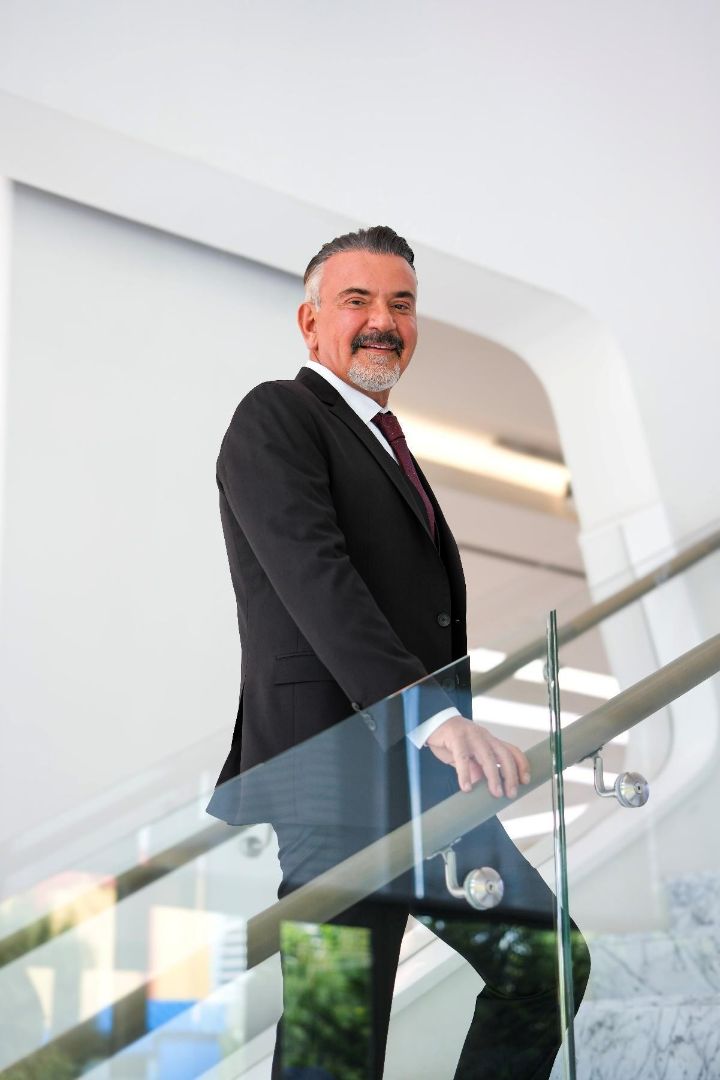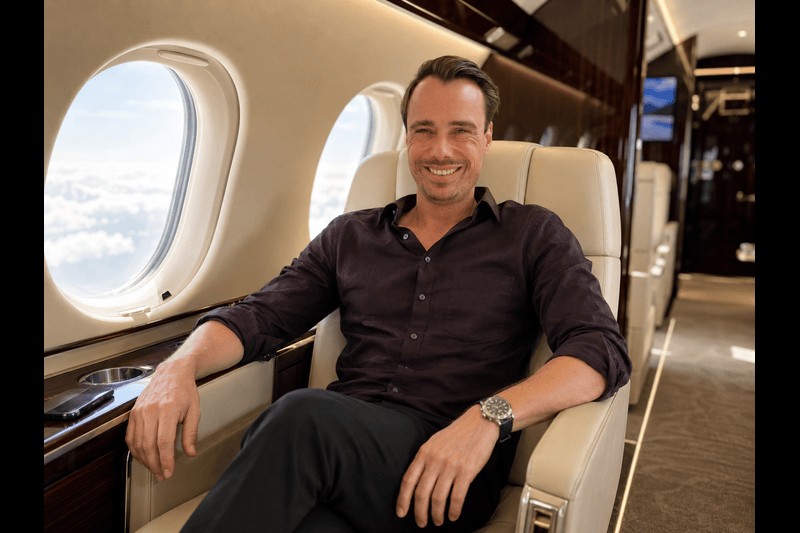
Redefining High-End Travel: Q&A with Limitless Sky and Blue Ocean Club Founder Dr. Christoph Lymbersky on Building a Seamless Sea-to-Sky Ecosystem

Ultra-high-net-worth travel has changed. The wealthiest travelers no longer want isolated luxury products; they want certainty, privacy, speed and continuity. A private jet, a superyacht, a villa, a limousine, a security detail and even a medical evacuation plan may all be required for one journey — yet the industry still often treats them as separate transactions.

Dr. Christoph Lymbersky sees that fragmentation as an opportunity to build something more integrated. As co-founder and investor behind Limitless Sky, Blue Ocean Club and MedEvac, he is developing what he describes as a “call once and don’t worry” ecosystem for ultra-high-net-worth individuals, family offices, founders and executives. The idea is simple: one dedicated concierge, one accountable point of contact, and one coordinated journey from home to aircraft, from runway to yacht, and, if needed, from a hospital anywhere in the world back home.

The businesses are also supported by investment from 499X Capital, Lymbersky’s family office, but the focus is firmly operational: building trusted brands that make complex global travel simpler, safer and more discreet.

In this interview, Dr. Lymbersky discusses the logic behind the Sea-to-Sky concept, the future of high-end mobility, and why the next frontier in luxury travel is not more extravagance — but less friction.

Q: The Sea-to-Sky concept combines private aviation, superyachts and concierge logistics into one itinerary. What inspired you to build this model?

Dr. Christoph Lymbersky: The inspiration came from a very simple observation: the wealthier the client, the more complex the journey — and the less tolerance there is for complexity.

A normal luxury trip might involve one hotel and one flight. But for a very wealthy family, founder, investor or business owner, the trip may involve a private jet, a helicopter transfer, immigration coordination, a yacht captain waiting in port, a chef provisioning for dietary preferences, security at the destination, cars for guests arriving separately, and last-minute changes because a board meeting, family situation or deal schedule moves.

Traditionally, each of those pieces is handled by a different provider. The jet broker only thinks about the jet. The yacht broker only thinks about the yacht. The limousine company only thinks about the car. The hotel concierge only thinks about the hotel. That creates gaps. And in high-end travel, the gaps are where stress happens.

With Limitless Sky and Blue Ocean Club, we wanted to build the opposite: one coordinated experience. The client should not have to manage five providers. The client should be able to make one call and say, “I want to fly to Nice, spend three days at the Monaco Grand Prix, continue by yacht to Sardinia, have the children join later, and make sure everything is private.” Then we build the operational plan around that.

For me, luxury is not champagne on the aircraft. That is nice, but it is not the point. Real luxury is when the client does not have to think about the logistics at all.

Q: You are involved as both founder and investor. How does that shape the way you are building these companies?

Dr. Christoph Lymbersky: It makes me think very differently from someone who is simply launching a lifestyle brand.

I look at Limitless Sky, Blue Ocean Club and MedEvac as connected companies serving the same client reality from different angles. Limitless Sky focuses on private aviation. Blue Ocean Club focuses on superyacht experiences. MedEvac focuses on medical evacuation and repatriation. But the client behind all of them may be the same person: someone who travels globally, values discretion, and wants one trusted team to remove complexity.

As an investor, I care about market structure. This market is valuable, but still fragmented. Many providers are excellent in one vertical, but very few think across the full journey. That fragmentation creates friction for the client and opportunity for companies that can coordinate the full experience professionally.

As a founder, I care about execution. The brand has to look good, of course, but the experience has to work. The quote must be clear. The operator must be reliable. The yacht must match the client. The medical partner must be qualified. The advisor must answer. At this level, trust is built through operational detail.

That is why I see these companies less as separate businesses and more as parts of a high-end mobility and concierge ecosystem.

Q: Many people associate luxury travel with lifestyle. You seem to describe it more like infrastructure. Is that intentional?

Dr. Christoph Lymbersky:Yes, absolutely. For our clients, travel is often not just leisure. It is infrastructure for their lives.

A founder may need to visit three cities in four days without losing a working day. A family may want to spend two weeks on a yacht but have relatives, staff, children and guests arriving at different times. A principal may need privacy because of public visibility. Another client may have health concerns and wants to know that, if something happens abroad, there is a serious medical evacuation option.

So yes, there is a lifestyle component. But underneath, this is infrastructure. It is mobility infrastructure, trust infrastructure and decision-relief infrastructure.

I often say: our job is not to make people feel rich. Our job is to remove problems before they reach the client.

That is a very different philosophy. It is calmer, more discreet and more professional. And I think that is where the UHNW market is moving. The new luxury is not loud. It is seamless.

Q: How does the dedicated concierge model work in practice?

Dr. Christoph Lymbersky: Each client needs one responsible person who understands the whole journey. Not a call center. Not a random inbox. A dedicated advisor.

That person knows the client’s preferences, family structure, luggage habits, passport issues, food preferences, privacy requirements, security concerns and preferred communication style. If the client likes WhatsApp, we use WhatsApp. If the client wants structured itineraries and written confirmations, we do that. If the client never wants to see the complexity, we keep it behind the curtain.

The important point is accountability. If the jet is delayed, the yacht captain must know. If the yacht changes port because of weather, the helicopter transfer must change. If a guest arrives one day late, the car, tender, cabin and provisioning must adjust. These are not separate tasks. They are connected events.

The dedicated concierge is the person who keeps the thread intact.

That is also why I dislike the traditional “broker only” model. A broker can arrange a transaction. A concierge must understand the entire experience. We are building around the second model.

Q: Can you walk us through the logistics of a Sea-to-Sky package during a high-demand weekend like the Monaco Grand Prix?

Dr. Christoph Lymbersky: Monaco is a perfect example because everything is constrained: airport slots, hotel rooms, berths, helicopter availability, restaurant access, road traffic, security, event badges and timing.

A typical Sea-to-Sky itinerary might begin with the client flying privately into Nice. Depending on the schedule, we may arrange a helicopter transfer to Monaco, or a chauffeured car if that is more sensible. The yacht may be positioned in Monaco, Cap Ferrat, Cannes or another nearby port depending on berth availability and the client’s preference. Guests may arrive separately from London, Geneva, New York or Dubai. Some may stay on the yacht, others in hotels or villas.

From the outside, the client sees a smooth weekend. From the inside, it is a chain of dependencies. Aircraft arrival time affects helicopter timing. Helicopter timing affects tender timing. Tender timing affects the captain’s schedule. The captain’s schedule affects dinner. Dinner affects security movement. Security movement affects the guest experience.

This is why the “single itinerary” concept matters. It is not just prettier packaging. It is operationally superior.

For events like Monaco, Cannes, Art Basel, Wimbledon or the Super Bowl, you cannot improvise everything at the last minute. You need planning windows, backup options and people who understand the pressure points. The best service is often invisible because the problem was solved before the client knew it existed.

Q: Limitless Sky emphasizes transparent pricing and safety. How do you maintain that when working across aviation, yachts and external partners?

Dr. Christoph Lymbersky: By being very clear about what we are and what we are not.

Limitless Sky is an independent private jet charter brokerage. We do not pretend to operate aircraft. Flights are performed by licensed operators that hold operational control. That distinction matters. It is important legally, operationally and ethically.

The same principle applies to yachts and medical evacuation. We coordinate, structure, source, compare and manage the client relationship, but we work with qualified operators, captains, crews, medical partners and ground teams. The client receives clarity about who does what.

On pricing, I believe opacity is one of the biggest problems in luxury travel. Many clients are used to paying significant amounts, but they still dislike feeling that the price is arbitrary. They want to understand the logic. Aircraft category, flight time, repositioning, crew duty, landing fees, handling, medical crew, provisioning, yacht APA, fuel, port fees — these things can be explained.

Transparency does not make luxury less exclusive. It makes it more trustworthy.

Safety is similar. In aviation, we look at operator certification, aircraft suitability, crew experience and mission profile. In yachting, we look at the vessel, crew, management, itinerary and local conditions. In medical evacuation, the clinical review is essential; the right aircraft depends on the patient, the equipment, the crew and the route.

The standard is simple: we never sacrifice safety for glamour.

Q: MedEvac is a very different type of business from private jets and superyachts. Why include medical evacuation in the same ecosystem?

Dr. Christoph Lymbersky: Because wealthy people travel more, travel farther and often travel with family members across generations. They may be in Monaco one week, the Maldives the next, then New York, Dubai, Mallorca or the Caribbean. If something serious happens abroad, the question becomes very practical: who do you call?

Medical evacuation is not a glamorous topic, but it is one of the most important forms of reassurance. If a child has an accident, if an elderly parent becomes ill, if a client needs ICU-level transfer, or if a patient must be repatriated after surgery, the family does not want to start searching online at midnight in a foreign country.

The value is not only the aircraft. The value is coordination: medical review, ground ambulance, aircraft, clinical crew, hospital handover, documentation, family communication and insurance coordination where applicable.

That fits naturally into the broader ecosystem. Limitless Sky handles private aviation. Blue Ocean Club handles yacht experiences. MedEvac handles medical repatriation and emergency air ambulance coordination. Together, the philosophy is the same: one responsible team, one clear process, less stress for the client.

Of course, we are very careful here. We do not provide medical advice ourselves. Medical decisions belong to qualified physicians and clinical partners. Our role is to coordinate the mission professionally and make sure the operational chain works.

Q: You have described the model as a “call once and don’t worry” ecosystem. What does that mean for the client?

Dr. Christoph Lymbersky: It means that the client does not need to become the project manager of their own trip.

For many successful people, time is the most expensive asset. If a billionaire, entrepreneur or family office principal spends three hours coordinating travel, that is not just inconvenient — it is a bad use of attention. These people are making investment decisions, running companies, managing families and dealing with complex lives. They do not want another operational burden.

“Call once and don’t worry” means we take ownership of the complexity. We arrange the jet, helicopter, yacht, transfers, security, reservations, itinerary changes and, if needed, medical transport. The client should know that someone competent is watching the whole picture.

That does not mean the client loses control. Quite the opposite. They receive better control because the information is structured, the options are clear and the execution is coordinated.

I think this is the future of high-end service: not more noise, but fewer decisions.

Q: What makes this market interesting from a founder and investor perspective?

Dr. Christoph Lymbersky: The interesting part is that this is not a one-time transaction business if you build it correctly. It can become a relationship business.

If a client trusts you with a private jet booking and you execute well, they may trust you with a yacht charter. If you manage the yacht charter well, they may ask for villas, security, cars or a family itinerary. If you help in a difficult medical situation, the trust becomes even deeper. The lifetime value of the relationship can be significant, but only if you protect the trust.

From an investment perspective, I like businesses where the service layer can become more valuable over time. The first booking is the beginning of the data relationship: preferences, routes, family needs, aircraft preferences, yacht preferences, recurring events, payment preferences, risk sensitivities. If you manage that responsibly, you can deliver a better experience each time.

That is the difference between a broker and an ecosystem. A broker sells access. An ecosystem compounds trust.

This is also why I believe the UHNW mobility market is still early. Many providers are excellent in one vertical, but very few are truly integrated across air, sea, ground and emergency response.

Q: Your background includes venture capital, turnaround management and alternative assets. Does that shape your leadership style?

Dr. Christoph Lymbersky: Very much. I have worked in environments where capital allocation, timing and execution matter. In venture capital, you learn that the best opportunities often look fragmented before they look obvious. In turnaround situations, you learn that process and discipline matter more than slogans. In alternative assets, you learn that downside protection is as important as upside.

That combination influences how I build companies.

I am not interested in creating a luxury brand that only looks beautiful. It must work operationally. The phone must be answered. The quote must be clear. The aircraft must be suitable. The yacht must match the client. The backup plan must exist. The medical partner must be qualified. The client data must be handled carefully.

Luxury without execution is just marketing.

My career has also taught me that reputation compounds slowly and can be damaged quickly. In this segment, you cannot fake trust. You either deliver, or the client never calls again.

Q: What kind of client is this ecosystem built for?

Dr. Christoph Lymbersky: It is built for people whose lives are complex enough that coordination itself becomes valuable. We are after all also just planning a private jet charter or a yacht charter experience.  

We are working for entrepreneurs, family offices, investors, executives, public figures, wealthy families and clients who travel with children, staff, guests or security needs. Some are very experienced private aviation users. Others are entering this world for the first time because their wealth, business or family situation has changed.

What they have in common is not only wealth. It is the need for trust.

Some clients want the most luxurious yacht in the Mediterranean. Others simply want privacy, a reliable aircraft and a calm family holiday. Some want to attend the Monaco Grand Prix or Cannes Film Festival. Others need to move quietly between business meetings. Some may never need medical evacuation, but they want to know that the capability exists.

The ecosystem is flexible because the client’s life is flexible.

Q: What is your long-term vision for Limitless Sky, Blue Ocean Club and MedEvac?

Dr. Christoph Lymbersky: The long-term vision is to build a trusted global mobility and concierge ecosystem for ultra-high-net-worth individuals, family offices, founders and executives.

Limitless Sky is the aviation layer. Blue Ocean Club is the yacht and sea-experience layer. MedEvac is the emergency medical mobility layer. Around those, we can coordinate ground transportation, security, villas, hotels, events and other high-touch services.

But the goal is not to become everything for everyone. The goal is to become highly trusted by a specific client group that values privacy, speed, transparency and competence.

If we do it correctly, clients will not think of us as a jet broker or a yacht broker. They will think: “When I need to move, when I need to plan, when I need to solve something complicated, I call them.”

That is the position I want us to occupy.

Q: What would you like the luxury travel industry to understand better?

Dr. Christoph Lymbersky: That the client does not want to see the machinery.

Many providers are proud of how complicated their work is. And it is complicated. But the client should not feel that complexity. They should feel calm.

The best luxury service is not loud. It is not constantly telling the client how hard everything was. It simply works. The car is there. The jet is ready. The captain knows. The family is expected. The documents are correct. The backup option exists. The advisor answers.

That is what we are building: not just beautiful travel, but peace of mind.

For the ultra-wealthy, that may be the rarest luxury of all.

To learn more, visit https://thelimitlesssky.com

J&J Exterminating Launches Seasonal Pest Prevention Program for Alexandria Homeowners

NEW YORK, United States – 2nd July 2026 – J&J Exterminating announced the launch of a seasonal pest prevention program designed to support homeowners in Alexandria with year-round inspections, targeted interventions, and an organized schedule of maintenance tasks tied to local pest activity patterns.

The program organizes preventive work around the distinct seasonal pressures that affect residential properties, including spring inspections to detect early insect activity, summer measures to reduce mosquito breeding and moisture-dependent pests, autumn exclusion to limit rodent entry, and winter reviews to identify activity in enclosed or heated spaces. The initiative emphasizes both immediate corrective actions, such as sealing gaps and repairing drainage, and ongoing monitoring to identify recurring problem areas before visible infestations develop.

Spring components prioritize a comprehensive exterior and interior inspection when insect activity typically increases. The work includes examination of foundations, window and door frames, vents, and utility penetrations for new openings that may admit insects or rodents, and attention to signs commonly associated with termite swarming such as discarded wings or mud tubes. The seasonal approach directs specific actions for correcting drainage problems that arise with spring rainfall, including clearing gutters and ensuring downspouts direct water away from foundations, as a measure to reduce conditions that support pests.

Summer activities within the program focus on moisture reduction and removal of mosquito breeding sites around properties. Tasks include identification and elimination of standing water in containers and landscape features, vegetation trimming to reduce shaded, moist zones adjacent to buildings, and inspections of kitchens and bathrooms for plumbing leaks or condensation that can support indoor pests. The program package also addresses housekeeping and storage practices that can lower the likelihood of cockroach and ant activity during warmer months.

Autumn measures concentrate on exterior exclusion and storage organization to respond to increased rodent pressure. Inspections proceed from foundation to roofline to locate entry points at various heights, with recommendations for repair of damaged siding, unscreened vents, and gaps around utility lines. Storage guidance discourages use of loose cardboard in attics and garages and encourages raised, inspected storage arrangements to reduce harborage and nesting opportunities.

Winter reviews examine less-used rooms, attics, crawl spaces, and storage areas where pests may persist despite lower outdoor temperatures. The program includes moisture assessments for plumbing and enclosed spaces and a year-end evaluation of pest activity patterns to inform the following year’s priorities, noting repeated occurrences in specific rooms or yard areas as indicators of unresolved sources.

Special attention within the seasonal program is directed to Alexandria termite control, recognizing that subterranean termite activity may travel through concealed pathways and that visible signs may represent only a portion of underlying activity. The service offering combines inspection, monitoring, and recommendations for structural and moisture-related corrections appropriate to identified risks.

A monthly routine component supports the seasonal cycle with focused tasks such as checking for leaks, removing standing water, trimming vegetation near structures, inspecting foundations for tubes or gaps, and reviewing attics and storage for signs of new activity. The effort is presented as an integrated approach to pest control in Alexandria that pairs homeowner maintenance with professional inspection and intervention as needed.

About J&J Exterminating

J&J Exterminating is a pest management company providing inspection, monitoring, and treatment services. The company offers services tailored to residential properties, focusing on structural pest identification, exclusion recommendations, and seasonal maintenance programs. J&J Exterminating operates with an emphasis on documented inspection findings and service records.

MEDIA DETAILS

Contact Person: Media Relations
Company Name: J&J Exterminating
Email: jford@jjext.com
Website: https://www.jjext.com/

Prime Fix Launches Dedicated Sub-Zero Repair Service for Bay Area Homeowners

NEW YORK, United States – 2nd July 2026 – Prime Fix announced the launch of a dedicated sub-zero repair service focused on addressing refrigerator, freezer and other premium refrigeration system needs for Bay Area homeowners.

The service expansion provides technicians trained to diagnose and repair premium refrigeration units, wine storage systems, and related cooling equipment commonly found in upscale kitchens. The offering complements existing appliance repair capabilities for ovens, cooking ranges, and laundry equipment, emphasizing diagnosis and repair rather than replacement when feasible. Prime Fix noted that timely intervention aims to reduce the risk of food spoilage, safety concerns, and extended downtime for households that rely on high-performance appliances.

Bay Area residences contain a concentration of premium appliances that employ specialized components and advanced control systems. The new sub-zero repair service responds to that technical complexity by deploying technicians with targeted training, manufacturer-aware diagnostic procedures, and tools intended for precision work on refrigeration systems. The approach includes routine maintenance tasks described as effective for long-term performance: cleaning condenser coils, checking seals, inspecting electrical connections, and confirming adequate ventilation.

Energy efficiency considerations informed the service design. Appliances operating with worn components or unresolved mechanical problems often show elevated energy consumption; restoration of proper operating parameters through repair and maintenance contributes to reduced electricity use relative to continued operation in a degraded state. Prime Fix framed the sub-zero repair service as a measure to help Bay Area homeowners manage appliance efficiency and the practical costs associated with prolonged equipment malfunction.

Convenience for busy households is a stated operational priority. The service model includes efforts to provide prompt scheduling and accurate diagnostics to shorten repair timelines and limit disruption to household routines. Technicians dispatched under the program perform on-site assessment and repairs intended to return refrigeration and kitchen systems to expected operating conditions as efficiently as possible.

Selection criteria for repair providers remain an important consumer consideration. Prime Fix emphasized technician experience, transparent pricing, use of appropriate replacement parts, and clear communication about repair options as factors homeowners should evaluate when engaging repair services. The prime fix name appears in local service discussions as an available resource for homeowners seeking specialist assistance with premium appliances.

Preventive maintenance features in the company’s messaging as a way to extend appliance life and avoid premature replacement. Routine inspections and early detection of component wear are cited as steps that can preserve the function and value of high-end refrigerators, freezers, and integrated cooling systems commonly installed in modern Bay Area homes. Prime Fix positioned the sub-zero repair service to include maintenance pathways intended to identify small issues before they escalate.

As appliance technology evolves with greater integration and energy-saving features, ongoing technician training and investment in diagnostic equipment remain central to the service offering. The new sub-zero repair service is presented as a response to that evolution, with a focus on applying updated repair practices to contemporary household appliances and refrigeration systems.

About Prime Fix

Prime Fix is an appliance repair company that provides service and maintenance for household refrigeration, cooking, and laundry equipment. The company offers technicians trained to work on premium appliances and focuses on diagnostics, repair, and preventive maintenance. Prime Fix operates service programs intended to support residential appliance longevity and reliable household operation.

MEDIA DETAILS

Contact Person: Media Relations
Company Name: Prime Fix
Email: contact@prime-fix.com
Website: https://prime-fix.com/

How Companies Use Public Social Data to Understand Markets Faster

In today’s fast – moving financial and business environment, timing and information quality are often the difference between opportunity and missed potential.

Investors, analysts, and corporate strategy teams are no longer relying solely on traditional reports, filings, or delayed market research. Instead, they are increasingly turning to real – time social signals to understand how markets are evolving.

Public social data has become an important layer in modern market intelligence, helping organizations detect trends earlier, evaluate sentiment more effectively, and identify emerging opportunities before they appear in formal reports.

Why Market Intelligence Matters More Than Ever

Global markets are becoming more volatile and interconnected. A product launch in one region can quickly influence demand in another. Industry narratives can shift within days based on social sentiment or viral discussions.

In this environment, relying solely on quarterly reports or historical data is no longer sufficient.

Companies that can interpret early signals often gain a strategic advantage in decision – making, investment planning, and competitive positioning.

Public Social Networks as Research Channels

Social platforms are now widely used as informal but powerful sources of market intelligence.

They provide insight into:

  • Industry conversations
  • Consumer sentiment
  • Competitive activity
  • Emerging trends
  • Professional movements

Unlike traditional research reports, social data is continuously updated and reflects real – time behavior and opinions.

This makes it particularly valuable for investors and corporate strategy teams who need to stay ahead of market shifts.

Understanding Professional Trends Through LinkedIn

LinkedIn has become a key platform for analyzing professional and industry – level developments.

By observing company updates, hiring trends, leadership changes, and content engagement, analysts can gain insights into business momentum and sector growth.

For example, a sudden increase in hiring for specific roles may indicate expansion plans, while leadership transitions may signal strategic restructuring.

In some cases, research teams use tools such as a LinkedIn email finder to identify relevant stakeholders within companies for outreach, verification, or communication purposes.

When used responsibly, this type of structured professional data can support investor relations teams, partnership development, and market research activities.

Understanding Consumer Trends Through Instagram

While LinkedIn reflects professional activity, Instagram provides a different perspective focused on consumer behavior and cultural trends.

Brands, investors, and analysts often study engagement patterns, influencer ecosystems, and community behavior to better understand demand shifts.

Instagram communities can reveal:

  • Emerging lifestyle trends
  • Product category growth signals
  • Brand perception changes
  • Audience interest clusters

These insights are especially valuable for consumer – focused industries such as retail, e – commerce, entertainment, and lifestyle brands.

To better organize and analyze publicly available audience data, some teams use tools such as an ig follower export tool to structure community insights and identify patterns across different audience segments.

The goal is not just to measure popularity, but to understand the composition and behavior of audiences driving market demand.

Combining Signals for Better Strategic Decisions

The real value of social data emerges when multiple sources are analyzed together.

Professional networks provide insight into business activity and organizational direction, while consumer platforms reveal demand – side behavior and sentiment.

When combined, these signals can help organizations:

  • Identify emerging market opportunities earlier
  • Validate product demand before investment
  • Monitor competitor positioning
  • Improve timing of market entry
  • Enhance investor communication strategies

This multi – layered approach is increasingly being used by companies that want to move faster than traditional research cycles allow.

The Evolution of Data – Driven Market Intelligence

Market intelligence is evolving from static reporting into a dynamic, continuous process.

Instead of relying on periodic analysis, organizations are building systems that continuously monitor signals from multiple sources and convert them into actionable insights.

As social platforms continue to grow in influence, their role in financial and strategic decision – making will likely become even more significant.

The companies that succeed in this environment will be those that can interpret early signals, validate them quickly, and act before competitors.

Dry Fruits and Their Role in a Balanced Diet

When it comes to building a certainly balanced food regimen, maximum human beings cognizance of sparkling end result, vegetables, lean proteins, and whole grains – but one of the most nutrient-dense meals corporations frequently gets omitted: dry end result. These small, however amazing foods were a cornerstone of traditional diets across cultures for hundreds of years, and current nutrients technology keeps validating their incredible health blessings. Whether you snack on a handful of almonds during meetings or stir some raisins into your morning oatmeal, incorporating dry culmination into your every day recurring could make an excellent difference for your overall fitness and power.

It is really worth noting that brand new well being conversations move beyond diet on my own. Men dealing with continual health conditions – inclusive of the ones prescribed medications like Cenforce 100 for circulatory health or Extra Super Vidalista for combined erectile and ejaculation worries – are increasingly being recommended via healthcare carriers to pair their remedy plans with dietary improvements, in particular the inclusion of nutrient-wealthy meals like dry culmination, which assist cardiovascular feature, hormonal stability, and strength metabolism. A nutritious weight loss program does no longer replace clinical treatment, however it lays the inspiration that facilitates the body response.

What Are Dry Fruits?

Dry end results are fruits from which the bulk of the water content material has been eliminated, either via natural sun-drying or thru using specialized food dehydrators. This concentration process retains maximum of the fruit’s nutrients, minerals, antioxidants, and nutritional fibre, frequently in an extra compact and shelf-stable form. Common dry culmination include almonds, walnuts, cashews, pistachios, raisins, dates, apricots, figs, prunes, and hazelnuts. Alongside those, dried berries including cranberries and blueberries have grown in reputation as mighty sources of antioxidants.

Because they may be light-weight and non-perishable, dry end results are one of the most convenient methods to make sure your weight loss program stays nutritionally complete even on the busiest of days.

Nutritional Profile: Why Dry Fruits Are a Powerhouse

The nutritional value of dry fruits is remarkably huge. Here is a closer study what they provide:

1. Healthy Fats: Nuts which include walnuts, almonds, and cashews are wealthy in monounsaturated and polyunsaturated fatty acids, consisting of the important omega-three and omega-6 fatty acids. These fats are essential for mind health, decreasing infection, and preserving wholesome cholesterol levels.

2. Protein: Many dry fruits, specially nuts, are superb plant-based totally protein resources. Almonds, as an example, provide approximately 6 grams of protein per ounce, making them a treasured addition for the ones seeking to satisfy day by day protein necessities without depending totally on animal products.

3. Dietary Fibre: Dried fruits which include figs, prunes, and dates are specifically high in fibre, which supports wholesome digestion, prevents constipation, and contributes to a sense of fullness – a key detail in weight control.

4. Vitamins and Minerals: Dry fruits deliver an extensive spectrum of micronutrients. Almonds are one of the richest dietary sources of Vitamin E. Cashews and Brazil nuts offer selenium and zinc. Dried apricots are packed with iron and potassium. Dates are high in magnesium and B nutrients. Pistachios offer extraordinary quantities of Vitamin B6.

5. Antioxidants: Raisins, prunes, and dried cranberries are especially wealthy in polyphenols and flavonoids, which fight oxidative stress and assist shield cells from harm linked to growing old and persistent sickness.

The Role of Dry Fruits in a Balanced Diet

A balanced eating regimen is one which components the body with the proper proportions of macronutrients (carbohydrates, proteins, and fat) and micronutrients (vitamins and minerals), without extra energy. Dry end results earn a distinguished region on this framework for numerous reasons.

1. Heart Health

Regular consumption of nuts – in particular walnuts and almonds – has been continuously related to progressing cardiovascular fitness. The omega-3 fatty acids in walnuts assist in reducing LDL (bad) cholesterol while supporting healthful blood pressure. Considering that heart disease stays the main reason for death globally, incorporating a small daily serving of blended nuts is one of the only proof-based totally behaviors you can adopt.

2. Blood Sugar Regulation

Despite their natural sugar content, many dry end results have a moderate glycaemic index when eaten up in practical portions. Nuts like almonds and pistachios are particularly beneficial for blood sugar management, as their mixture of fibre, healthy fats, and protein slows glucose absorption. Dates, even as candy, incorporate fibre that moderates their glycaemic effect. People with diabetes or prediabetes, but, ought to monitor component sizes and consult a nutritionist.

3. Bone Strength

Dried figs and almonds are wonderful assets of calcium, whilst Brazil nuts offer selenium – a mineral that plays a function in bone integrity. Combined with the magnesium found in cashews and dates, dry culmination makes a contribution meaningfully to the upkeep of strong, healthful bones across all age businesses.

4. Gut Health and Digestion

Prunes have long been celebrated as a natural treatment for constipation, and for proper motive. Their excessive fibre content, mixed with a herbal compound called sorbitol, promotes healthful bowel moves. Figs and dates similarly support intestine motility. Beyond regularity, the prebiotic fibre in many dry culmination feeds useful intestine micro organisms, supporting a healthful microbiome – increasingly more acknowledged as crucial to immunity, temper, and metabolic fitness.

5. Energy and Brain Function

Dry end results are calorie-dense and rich in natural sugars, making them an extremely good sustained-power snack, especially before or after bodily activity. The B nutrients found in many nuts and dried end result are vital for changing food into usable power on the cell degree. Walnuts, with their excessive awareness of DHA (a shape of omega-3 fatty acid), had been in particular studied for his or her role in assisting cognitive features and lowering the chance of neurodegenerative disease.

6. Immune System Support

Almonds are a main herbal source of Vitamin E, a fats-soluble antioxidant that plays a critical role in immune defence. Zinc, observed in cashews and pumpkin seeds (frequently offered alongside dry fruits), is crucial for immune cell manufacturing. Selenium from Brazil nuts helps the frame’s antioxidant enzyme systems. Together, those nutrients make dry culmination a precious seasonal addition – in particular during iciness months while immune resilience topics maximum.

How Much Should You Eat?

While dry culminations are undeniably nutritious, portion control is essential. Because water is eliminated, the calories are focused – a small handful of raisins includes some distance extra sugar and energy than the equal quantity of fresh grapes. Nutrition suggestions usually advise:

  • Nuts: A serving of 28–30 grams (about one small handful) consistent with day.
  • Dried fruits (raisins, dates, apricots, figs): Around 30 grams in keeping with day, keeping total sugar consumption in mind.
  • Mixed dry end result: An aggregate of each, totalling around 40–60 grams day by day for maximum healthful adults.

Avoid dry culmination with brought sugar, synthetic flavourings, or sulphur dioxide preservatives wherein viable. Unsulphured, unsweetened sorts retain the maximum dietary integrity.

Smart Ways to Add Dry Fruits to Your Daily Diet

Incorporating dry culmination into a balanced diet does not now require intricate meal planning. Here are a few sensible thoughts:

  • Add a tablespoon of raisins or chopped dates in your morning porridge or yoghurt.
  • Keep a small container of blended nuts at your desk for a mid-morning or afternoon snack.
  • Toss toasted almonds or walnuts into salads for crunch and nutrition.
  • Blend cashews into sauces or smoothies as a creamy, dairy-free base.
  • Use dried apricots or figs as herbal sweeteners in baked goods, lowering the need for refined sugar.
  • Pair some dates with nut butter for a naturally energising pre-workout snack.

A Word on Quality and Sourcing

Not all dry culminations are created the same. Commercially produced varieties are every so often lined in vegetable oil, heavily sweetened, or handled with preservatives that decrease their health fee. When shopping for dry fruits, search for:

  • Organic alternatives when finances lets in, in particular for thin-skinned end results like raisins.
  • No sugar at the label for dried cranberries, mango, and pineapple, which might be usually sweetened.
  • Raw or dry-roasted nuts in preference to oil-roasted varieties.
  • Whole, unbroken portions which generally tend to keep extra nutrients than fragments or closely processed versions.

Buying from authentic fitness meals stores, farmers’ markets, or depended on on line outlets ensures you are becoming the first-class great for your nutritional investment.

Conclusion

Dry culmination is considered one of nature’s maximum compact, versatile, and nutritionally wealthy food items. From helping coronary heart health and bone density to boosting immunity and digestive characteristics, their role in a balanced diet is both large and well-evidenced. They complement truly every dietary sample – whether you follow a plant-primarily based diet, a Mediterranean-fashion technique, or genuinely aim to eat more wholefoods.

The key lies in mindful consumption: deciding on exceptional, minimally processed types, respecting component sizes, and incorporating them as a part of a numerous, entire-food weight loss program. A small every day habit of attaining dry culmination as opposed to processed snacks can, over months and years, make a contribution meaningfully to long-time period health and wellness.

Start small – a handful of blended nuts here, some dates there – and let these historical, nutrient-packed foods end up a delicious and ordinary part of your more healthy lifestyle.

ASMED Clinic Launches Integration of KE-Bot to Advance Data-Driven Hair Transplant Planning

ISTANBUL, Turkey – 1st July, 2026 – ASMED Clinic announced the integration of KE-Bot, a U.S.-patented, AI-powered robotic scanning system developed under the leadership of Dr. Koray Erdoğan, into its clinical workflow to enhance pre-operative planning and objective post-operative measurement in hair transplantation.

The integration follows a period of sustained international interest in Turkey as a destination for hair transplant procedures and aligns with ongoing efforts to pair surgical expertise with scientific measurement. The company indicated that the KE-Bot system provides 360-degree high-resolution imaging of the hair and scalp and generates a reproducible dataset that complements surgeon-led clinical assessment.

KE-Bot captures clinical metrics including hair density, follicle thickness and donor area capacity, and produces objective counts for use in pre-operative planning. The system also records post-implantation metrics such as the number of implanted grafts and achieved hair density, providing measurable points of comparison across treatment stages. The company described this capability as supporting evidence-based planning and documented outcomes within the clinical record.

The deployment positions ASMED Clinic to combine technology-driven analysis with manual surgical techniques. Manual FUE (Follicular Unit Extraction) remains a central technique practiced by the clinic’s surgical team and by Dr. Koray Erdoğan in his clinical practice. Manual FUE involves the extraction and implantation of individual follicular units under direct surgeon control, enabling specific adjustments to angle, depth and direction that influence aesthetic appearance and long-term graft placement.

ASMED Clinic characterized its approach as one that prioritizes surgeon judgment and manual skill alongside analytic inputs from imaging and measurement tools. The company noted that transection risk, a factor that can affect graft survival, can be mitigated through the combined use of careful manual technique and pre-operative data on donor area characteristics supplied by KE-Bot.

The integration also reflects a broader trend in the sector toward incorporating imaging, artificial intelligence and objective measurement into procedural planning. The company cited the emergence of standardized clinical data collection as a factor in cross-case comparison and educational activities. In addition, the clinical integration aims to support documentation of treatment variables that are relevant to clinical review and professional collaboration.

Dr. Koray Erdoğan is identified in the company’s materials as a founder of a surgical medical center and as a founding member of the World FUE Institute; his leadership in the development of KE-Bot is presented as a contributing factor to the system’s clinical orientation. ASMED Clinic emphasized that the combined application of a U.S.-patented scanning system and manual FUE techniques is intended to provide reproducible data for treatment planning while maintaining surgeon-led control over aesthetic parameters.

The company framed the integration as part of ongoing clinical development rather than a single technological replacement for manual technique. ASMED Clinic described the initiative as an effort to align surgical practice with measurable clinical inputs and to support consistent documentation of donor capacity, graft counts and achieved density in hair restoration procedures.

About ASMED Clinic

ASMED Clinic is a clinical provider of hair restoration services operating in Turkey. The organization offers surgeon-led hair transplant procedures and incorporates diagnostic imaging and clinical measurement into treatment planning. ASMED Clinic engages in professional education and clinical documentation practices related to follicular unit extraction techniques.

MEDIA DETAILS

Contact Person: Media Relations
Company Name: ASMED Clinic
Email: contact@hairtransplantfue.org
Website: https://www.hairtransplantfue.org/

ASMED Clinic Reports Continued International Patient Growth and Advances in Surgical Practice

ISTANBUL, Turkey – 1st July 2026 – ASMED Clinic announced continued international patient interest and emphasized recent advances in surgical practice that are being applied within the clinic to support natural-looking hair restoration outcomes.

ASMED Clinic reported that Turkey remains a prominent destination for individuals seeking hair transplantation, driven by a combination of clinical expertise, surgical technique variety and technology-assisted planning. The clinic noted that methods commonly used across the country, including follicular unit extraction (FUE), Manual FUE and direct implantation approaches, are complemented by emerging AI-assisted hair analysis tools that support case planning and graft placement. ASMED Clinic emphasized the role of detailed hairline design and direction-specific placement in achieving results that aim to integrate with patients’ existing hair.

The clinic highlighted the work of Dr. Koray Erdoğan, who practices at ASMED Clinic and remains closely involved in operative care and procedural planning. Dr. Erdoğan’s approach integrates manual extraction techniques with technology-informed assessment to tailor graft distribution and hairline shaping. ASMED Clinic described this combination of hands-on surgical technique and individualized planning as central to the clinic’s procedural model. The clinic cited ongoing application of manual methods to refine implant angle and direction alongside planning processes intended to align graft placement with each patient’s pattern of hair growth.

ASMED Clinic also addressed trends in patient origin and case complexity. The clinic noted a steady inflow of patients from Europe, the United States and the Middle East seeking both primary transplants and corrective procedures. ASMED Clinic described a range of case types managed at the clinic, from localized hairline restoration to larger graft sessions intended to address more extensive hair loss patterns. The clinic reported that personalized, doctor-led surgical involvement is positioned as a key factor in procedural planning and postoperative follow-up.

Within the broader regional context, ASMED Clinic acknowledged a diverse surgical landscape in Turkey, where multiple practitioners apply combinations of extraction and implantation techniques and structured postoperative protocols. The clinic observed that patient expectations for naturalness and minimal visible scarring are shaping procedural choices, and that precise hairline architecture and density planning are increasingly emphasized in clinical discussions. ASMED Clinic positioned its procedural practices within that context while noting the continued adoption of technology-assisted analysis to supplement clinical judgment.

ASMED Clinic described operational emphasis on direct surgeon involvement during critical stages of surgery, individualized treatment plans and structured follow-up to monitor recovery and graft integration. The clinic reported that these operational priorities align with recurring patient feedback about procedural transparency and the importance of aesthetic hairline outcomes. ASMED Clinic indicated that clinical processes continue to evolve in response to changes in patient profiles and to the broader adoption of analytical tools that can inform graft placement strategies.

About ASMED Clinic

ASMED Clinic is an Istanbul-based hair transplantation clinic where surgical procedures are performed with a focus on manual extraction techniques and individualized planning. The clinic offers a doctor-led model of care that emphasizes hairline design, graft placement aligned with natural hair direction and structured postoperative follow-up. ASMED Clinic serves a diverse international patient base and applies technology-assisted analysis alongside surgical methods in treatment planning.

MEDIA DETAILS

Contact Person: Media Relations
Company Name: ASMED Clinic
Email: contact@hairtransplantfue.org
Website: https://www.hairtransplantfue.org/

Reliable Pest Control in Baton Rouge: What Homeowners and Businesses Should Expect

Pest issues in Baton Rouge are not just occasional inconveniences—they are an ongoing challenge influenced by Louisiana’s warm climate, high humidity, and dense residential areas. From ants in the kitchen to rodents inside walls, infestations can quickly escalate if not handled properly. This is why many residents turn to professional pest control in Baton Rouge services to protect their homes, families, and businesses.

Understanding how pest control works, what services are available, and what to expect from a provider helps you make informed decisions and avoid costly problems down the line.

Why Pest Control Is Essential in Louisiana

Louisiana’s environment creates ideal conditions for pests to thrive year-round. Unlike colder regions, Baton Rouge rarely experiences temperatures low enough to eliminate pest populations naturally.

Common issues in the area include:

  • Cockroaches (multiple species common in Louisiana homes) 
  • Ant infestations, including fire ants 
  • Rodents such as rats and mice 
  • Mosquitoes and ticks, especially in warmer months 
  • Bed bugs, which can spread quickly in both homes and businesses 

Because of this constant pressure, relying on reactive solutions is rarely enough. A structured pest control approach focused on prevention and monitoring is far more effective.

Risks of Ignoring Pest Problems

Pests are not just unpleasant—they can cause serious damage and health concerns.

Structural and Property Damage

  • Termites can weaken wooden structures over time 
  • Rodents can chew through wiring, insulation, and materials 
  • Insects can damage furniture and stored items 

Health and Safety Concerns

  • Cockroaches and rodents can spread bacteria 
  • Mosquitoes and ticks are linked to disease transmission 
  • Bites and stings from insects can cause allergic reactions 

Addressing these risks early with professional pest control is significantly easier than dealing with advanced infestations.

What Professional Pest Control Services Include

A reliable pest control provider does more than just treat visible problems. The goal is long-term protection through a structured system.

Typical Service Process

  1. Inspection
    A full evaluation of the property to identify pest types, entry points, and risk areas. 
  2. Customized Treatment Plan
    Solutions are tailored based on the property and infestation level. 
  3. Targeted Application
    Treatments are applied where needed instead of general spraying. 
  4. Monitoring and Follow-Up
    Continued evaluation ensures pests do not return. 

Year-Round Protection: What It Covers

One of the most effective approaches used in pest control in Baton Rouge is ongoing protection plans that cover a wide range of pests.

These typically include protection against:

  • Roaches (German, American, Oriental, and others) 
  • Ants (excluding certain species like pharaoh ants) 
  • Rodents (rats and mice) 
  • Silverfish and centipedes 
  • Crickets, earwigs, and millipedes 

This type of coverage ensures that both common and seasonal pests are managed continuously.

Termite Control: A Critical Service in Baton Rouge

Termites are one of the most costly pest problems in Louisiana. Because they often remain hidden, damage can occur long before homeowners notice any signs.

Why Termite Control Matters

  • Repairs from termite damage can cost thousands 
  • Infestations can spread through structural wood 
  • Early detection is difficult without inspection 

Professional termite control services focus on both treatment and prevention, helping protect properties long-term.

Bed Bug Treatments and Modern Solutions

Bed bugs are another growing concern, especially in urban environments and shared spaces.

Effective treatment requires:

  • Accurate identification 
  • Advanced equipment and techniques 
  • Strategic application to eliminate all life stages 

Modern pest control providers use updated methods to reduce infestations and prevent recurrence.

Comparing One-Time Treatments vs Ongoing Protection

Approach Result
One-time service Temporary relief
Occasional treatments Moderate control
Ongoing pest management Long-term protection

For most Baton Rouge properties, ongoing pest control delivers the most reliable results.

Service Areas Around Baton Rouge

Professional pest control providers typically serve not only Baton Rouge but also nearby communities, including:

  • Baker 
  • Zachary 
  • Central 
  • Denham Springs 
  • Greenwell Springs 
  • Shenandoah 
  • Westminster 
  • Village St. George 

This regional coverage ensures consistent service across both residential and commercial areas.

What to Look for in a Pest Control Company

Choosing the right provider makes a significant difference in results.

Key factors include:

  • Certified and trained technicians 
  • Transparent inspection and pricing process 
  • Preventive treatment plans 
  • Consistent follow-up services 
  • Strong local reputation 

Working with a trusted company ensures that pest problems are handled correctly from the start.

Why Prevention Is More Effective Than Reaction

The most important shift in modern pest control is moving from reactive treatments to preventive strategies.

A strong prevention plan includes:

  • Regular inspections 
  • Sealing entry points 
  • Monitoring pest activity 
  • Applying targeted treatments when needed 

This approach reduces both the frequency and severity of infestations over time.

A Smarter Approach to Pest Control in Baton Rouge

Pest problems in Baton Rouge are not something that disappear on their own. The combination of climate, environment, and urban density creates continuous pressure that requires a structured response.

Professional services like those offered by J&J Exterminating combine experience, technology, and long-term planning to provide reliable pest control Baton Rouge solutions. By focusing on prevention as much as treatment, they help homeowners and businesses maintain a safer and more stable environment throughout the year.

Fighting Moss and Reviving a Mossy Greater Seattle Lawn

If your lawn is more green moss than green grass, you are living the classic Seattle experience. Our climate practically grows moss for a living.

Seattle lawn moss control is less about killing moss and more about fixing why it thrives. Treat the cause, and the grass comes back.

This guide explains what feeds moss here and how to reclaim a healthy lawn. Let us turn that mossy patch green again.

Why Moss Loves Greater Seattle Lawns

The Perfect Moss Conditions

Moss thrives in shade, moisture, compacted soil, and low fertility. Greater Seattle hands it all four on a silver platter.

That is why Seattle lawn moss control is a constant battle here. The climate favors moss over grass.

Moss Is a Symptom

Here is the key insight: moss does not kill your grass, it moves into spots where grass already struggled. Fixing the underlying conditions is the real solution.

Homeowners in Bothell and Shoreline fight this every spring. Killing moss without fixing the cause just invites it back.

What’s Really Feeding the Moss

Too Much Shade

Grass needs sunlight, and our tall trees and gray skies create deep shade. In heavily shaded areas, grass thins and moss takes over.

Thinning tree canopy or choosing shade-tolerant grass helps. Sometimes the smartest move is groundcover instead of grass.

Compacted, Poorly Drained Soil

Our heavy clay soil compacts easily and stays wet, which suffocates grass roots. Moss happily fills the weakened turf.

Aeration and improving drainage are core to Seattle lawn moss control. Healthy soil grows healthy grass that crowds out moss.

How to Reclaim Your Lawn

Remove, Then Improve

Start by raking out the moss, then address the conditions that let it win. Aerate compacted soil, improve drainage, and adjust the pH with lime if needed.

This one-two approach actually lasts. You clear the moss and fix the cause together.

Feed and Overseed

A well-fed lawn with the right grass seed grows thick enough to resist moss. Overseeding bare spots fills in where moss tried to settle.

Thick, healthy turf is the best moss defense. Strong grass leaves no room for moss.

Working With a Local Landscaping Pro

Treating the Cause, Not Just the Moss

A pro diagnoses why moss is winning and fixes the soil, drainage, and light issues behind it. That is the difference between a real fix and a yearly chore.

When our lawn turned to moss, Angkorscape aerated the soil, improved drainage, and overseeded so the grass finally filled back in. The team that revived our mossy lawn treated the cause, and you can see how they handle landscaping that lasts in our climate.

Know When to Embrace Alternatives

In deep shade, sometimes moss or groundcover is the smarter choice than fighting for grass. A pro helps you decide where grass makes sense.

Good Seattle lawn moss control is realistic about our climate. It puts the right plant in the right place.

Frequently Asked Questions

Why is my Seattle lawn full of moss?

Moss thrives in shade, moisture, compacted soil, and low fertility, all of which our climate provides. It moves into spots where grass already struggled rather than killing the grass itself. Fixing those underlying conditions is the key to lasting moss control.

How do I get rid of moss in my lawn for good?

Rake out the moss, then fix the cause by aerating compacted soil, improving drainage, adjusting pH with lime, and overseeding. Killing moss without addressing the conditions just lets it return. Treating the cause is what makes moss control last.

Does killing moss bring back the grass?

Not on its own. Removing moss clears the space, but grass only returns if you fix the shade, soil, and drainage problems that weakened it. Feeding and overseeding then help thick, healthy grass fill back in.

Can I grow grass in a shady Seattle yard?

You can in moderate shade with shade-tolerant grass, but deep shade makes grass very difficult. In those areas, groundcover or moss may be the smarter choice. A local pro can advise where grass makes sense and where alternatives work better.

How often do Seattle lawns need moss treatment?

If you only treat the moss, you will likely battle it every spring in Bothell, Shoreline, and across Greater Seattle. If you fix the underlying soil, drainage, and light issues, the need drops dramatically. Addressing the cause is far more effective than repeated treatments.

Appliance Rentals Launches Flexible Appliance Rental Program for Columbus Residents

NEW YORK, United States – 1st July 2026 – Appliance Rentals announced a Columbus-focused flexible appliance rental program offering washers, dryers, refrigerators and ranges to residents who require short-term access to home appliances without a large upfront purchase.

Appliance Rentals, founded in Columbus in 2010, expanded its service footprint to 14 markets across the United States and has structured the Columbus program to address common scenarios in which rental may be preferable to purchase. The program is positioned for households that are renting, moving frequently, relocating for work, attending school, or otherwise uncertain about long-term housing plans. Appliance Rentals stated that the program is intended to provide an alternative to immediate purchase or repeated trips to laundromats by making appliances available through predictable monthly payments.

The rental offering uses a flat monthly fee model rather than an outright sale. Monthly pricing generally ranges from about $43 to $216 depending on the appliance type and model selected. Appliance Rentals described the fee as including delivery and professional setup as part of the monthly cost, removing the need for customers to arrange transportation or independent installation. The program also includes on-rental maintenance coverage, with the rental company handling service for covered repairs while appliances remain under contract.

Appliance Rentals outlined key differences between rental and purchase options. Purchasing new appliances outright often requires an initial expenditure of $1,000 to $2,000 or more for a typical set, while financing arrangements can introduce credit inquiries and additional monthly obligations. In contrast, Appliance Rentals notes that applying for rental does not affect a person’s credit score and does not require a credit check as part of the process. The company highlighted the ability to spread equipment costs into predictable monthly payments and the option to return appliances when living situations change.

The Columbus program addresses logistical considerations that can accompany appliance ownership. Delivery and setup are included in the monthly fee, eliminating the task of moving heavy equipment or arranging professional installation independently. Maintenance coverage is structured to reduce the risk of unexpected out-of-pocket repair expenses for renters while appliances remain under rental agreement. Appliance Rentals indicated that these elements were designed to reduce short-term financial and operational burdens for customers who prioritize flexibility.

Appliance Rentals also acknowledged the financial trade-offs that inform decisions to rent or buy. For households planning to remain in a single home for many years, ownership typically results in lower lifetime appliance costs after the initial purchase. Appliance Rentals stated that rental is most likely to make economic sense for individuals who expect to relocate within a short timeframe or who prefer to avoid a large initial outlay and the responsibility for repairs and disposal.

Appliance Rentals emphasized that the Columbus program is intended to provide an option for new arrivals and residents who value flexibility. Examples cited include employees relocating for short-term assignments, graduate students, recent graduates beginning careers, and families between housing decisions. The company presented the program as an alternative designed to align appliance access with variable housing timelines and financial priorities.

About Appliance Rentals

Appliance Rentals is a provider of appliance rental services founded in Columbus in 2010. The company supplies washers, dryers, refrigerators and ranges to customers through flat monthly fees and operates in 14 markets across the United States. Services include delivery, professional setup and on-rental maintenance coverage.

MEDIA DETAILS

Contact Person: Media Relations
Company Name: Appliance Rentals
Email: support@appliancerentals.com
Website: https://www.appliancerentals.com/