Nirmaladana Financial Institute Puts Decision Process Ahead of Performance in Its 100 Million Simulation

The financial learning platform uses a simulated environment to examine assumptions, risk limits, rejected decisions, and review discipline before real capital is involved

Nirmaladana Financial Institute is placing decision quality at the center of its financial learning approach through a structured practice environment built around 100 million in simulated funds.

Instead of treating short-term simulated performance as the primary measure of progress, the institute’s approach examines what happens before, during, and after each decision. Learners are encouraged to document the information supporting an idea, identify unverified assumptions, define acceptable risk, establish review conditions, and record why a proposed action was executed, modified, delayed, or rejected.

The simulated funds are not real money, cannot be withdrawn, and do not constitute a financial reward. They are used solely within an educational environment that allows learners to practice decision-making without exposing real capital to loss.

By connecting systematic financial courses, AI-assisted analysis, market information, simulated practice, and community discussion, Nirmaladana Financial Institute is working to turn financial knowledge into a repeatable process that can be reviewed and refined over time.

Looking Beyond the Final Number

Simulated financial education is often evaluated by the final value of a practice portfolio. While results can provide useful information, they do not always reveal whether the original decision was supported by a sound process.

An idea based on incomplete evidence, excessive concentration, or undefined risk may still produce a favorable short-term result. Conversely, a carefully examined decision with clear risk limits may not immediately meet expectations.

For this reason, Nirmaladana Financial Institute does not treat simulated performance as the only indicator of learning progress. Its framework asks learners to examine how a decision was constructed and whether the original reasoning remained valid as conditions changed.

Before taking simulated action, learners are encouraged to consider several questions:

  • What verifiable information supports the decision?
  • Which assumptions remain unconfirmed?
  • What risks could materially affect the outcome?
  • Is too much simulated capital exposed to a single factor?
  • What evidence could contradict the original view?
  • What change would require the decision to be reviewed?
  • Under what conditions should the action be modified or discontinued?

These questions are intended to shift attention away from predicting every market movement and toward building decisions that can be explained, challenged, and reassessed.

A Structured Decision-Review Cycle

The learning framework organizes simulated practice around a seven-stage review cycle:

  1. Define the initial idea.
  2. Record the supporting evidence and assumptions.
  3. Identify risk factors and conflicting information.
  4. Establish risk limits and review conditions.
  5. Execute, modify, postpone, or reject the decision.
  6. Compare the original reasoning with the eventual result.
  7. Record what should be retained or changed in future decisions.

This structure creates a written record of what the learner knew and believed before the result became visible. It can help reduce hindsight-based explanations in which an original rationale is rewritten after a favorable or unfavorable outcome.

Over time, decision records may also help learners recognize recurring patterns in their own behavior, including acting on incomplete information, failing to define a risk limit, concentrating too much simulated capital in one area, or continuing with an idea after its supporting assumptions have weakened.

The framework does not promise that following a structured process will produce favorable financial results. Its purpose is to make the reasoning behind a decision more visible and reviewable.

Giving Rejected Decisions a Place in the Record

A central element of the approach is the treatment of decisions that were considered but never executed.

When a learner decides not to proceed because evidence is insufficient, risk cannot be clearly defined, or the original assumptions do not withstand further review, the rejected idea can still be recorded in a decision log.

That record may include the proposed action, the information available at the time, the evidence that was missing, the reason for rejection, and the conditions under which the idea could be examined again.

The purpose of reviewing a rejected decision is not to calculate a hypothetical missed return. Instead, it is to determine whether the choice to wait or decline was reasonable based on the information available at that moment.

This approach recognizes that financial discipline is not measured by the number of actions taken. Choosing not to proceed can also reflect a structured decision process when the available evidence or risk conditions do not support action.

AI as a Challenge to the Original Assumption

AI-assisted analysis supports information organization, preliminary screening, and logic review within the wider learning framework.

Nirmaladana Financial Institute positions AI as a tool for questioning an idea rather than automatically confirming it. The technology can assist learners in identifying missing evidence, comparing conflicting information, examining alternative explanations, and considering developments that could weaken the original rationale.

An AI-assisted review may ask whether several simulated decisions depend on the same underlying factor, whether the supporting information remains current, or whether the learner has established a response if the facts change.

The technology does not eliminate uncertainty and is not presented as an automated adviser, prediction system, recommendation service, or guarantee of future performance. The learner remains responsible for interpreting information and making the final decision.

Within this structure, the role of AI is to widen the review process and surface questions that may otherwise be overlooked.

Connecting Financial Courses With Simulated Practice

The institute’s educational structure covers financial market foundations, fundamental analysis, technical analysis, risk control, and asset allocation.

These areas are connected to simulated practice so that learners can apply concepts after studying them and then compare the outcome with the reasoning documented before the decision.

A learner examining asset allocation, for example, can use the simulated environment to identify whether apparently different choices create hidden concentration. A learner studying risk control can test whether predetermined limits are respected when simulated conditions become uncertain. Fundamental analysis can be reviewed by comparing an original assumption with subsequent information and determining whether the rationale still holds.

This creates a continuing learning cycle:

Learn → Analyze → Simulate → Review Risk → Reflect → Adjust

The cycle is intended to help learners observe not only what they understand but also how they respond when evidence is incomplete, expectations are challenged, or an outcome differs from the original view.

Making Errors Reviewable Before Real Capital Is Involved

The 100 million simulation provides a controlled setting in which decisions can be tested and reviewed without exposing real funds to loss.

Within this environment, an unfavorable result is not automatically treated as a failed exercise. If a learner recorded the original reasoning, defined the risk, recognized a change in the supporting facts, and followed predetermined review conditions, the exercise may still provide useful evidence about the decision process.

Likewise, a favorable result does not automatically prove that the underlying method was reliable. The learner is expected to determine whether the outcome followed a disciplined process or resulted from temporary conditions that may not be repeated.

By separating decision quality from a single outcome, Nirmaladana Financial Institute seeks to encourage habits that can be examined and refined over multiple practice cycles.

Developing an Integrated Learning Environment

Nirmaladana Financial Institute combines structured education, AI-assisted analysis, market information, simulated practice, and community-based learning within a connected framework.

The community component is intended to support knowledge sharing and discussion while preserving the importance of independent judgment. Opinions and experiences shared by other participants may provide additional perspectives, but they do not replace individual research, risk assessment, or responsibility.

The institute also plans to develop additional capabilities gradually, including market tracking, watchlist management, action reminders, risk alerts, and intelligent assistance. These capabilities remain subject to development progress and should not be considered available unless separately confirmed.

Planned tools are intended to help learners organize information and identify changes in risk or reasoning. They are not intended to provide guaranteed signals, automatic recommendations, or assured financial outcomes.

Through this combined approach, Nirmaladana Financial Institute aims to provide a learning environment in which financial ideas can be documented, challenged, tested, and reviewed before real capital is involved.

The objective is not to teach learners to predict every outcome. It is to support the development of decisions that remain explainable when an idea succeeds, reviewable when it does not, and adaptable when the underlying facts change.

About Nirmaladana Financial Institute

Nirmaladana Financial Institute is a financial learning platform focused on investment education and financial technology development. Its educational framework combines systematic courses, AI-assisted analysis, market information, simulated practice, and community-based knowledge exchange.

The institute’s approach is designed to support independent analysis, risk awareness, and long-term decision discipline by connecting financial knowledge with structured, reviewable practice.

Website: https://www.nnneee.com/

Media Contact

Nirmaladana Financial Institute
Email: info@nnneee.com
Website: https://www.nnneee.com/

Disclaimer

This material is provided solely for educational and informational purposes. It does not constitute investment advice, financial advice, a product recommendation, or an offer or solicitation to buy or sell any financial instrument. Simulated funds are not real funds, and simulated results do not represent or guarantee future performance. All financial decisions involve risk, and actual outcomes may differ.


SocialWick Reports Lower Cost Per Engagement for Small Creators in Reviewed Local Campaign Sample

ATLANTA, Georgia – iMarketing Solutions today shared a preliminary campaign-analysis summary from SocialWick covering more than 150 sponsored campaigns aimed at defined local or regional audiences.

In the reviewed sample, SocialWick reported an average cost per engagement of $0.39 for creators with 5,000 to 25,000 followers, compared with $1.23 for the larger-creator comparison group. The reported difference was approximately 68%.

The analysis included campaigns conducted across Instagram, TikTok and YouTube for advertisers serving limited geographic areas. SocialWick said the pattern appeared across multiple campaign formats, particularly when creator audiences aligned with advertisers’ service areas.

These findings are descriptive, company-reported results from the reviewed sample. They have not been independently verified and should not be interpreted as evidence that one creator tier will produce the same outcome in every campaign.

Methodology and Limitations

The summary supplied for this announcement provides the following information:

  • The sample included more than 150 sponsored campaigns for advertisers with defined local or regional audiences.
  • Platforms included Instagram, TikTok and YouTube.
  • The small-creator tier included accounts with 5,000 to 25,000 followers.
  • The comparison examined average cost per engagement reported for small creators and a larger-creator group.
  • SocialWick identified geographic audience alignment and engagement quality as important campaign-screening factors.

The summary does not specify the campaign dates, participating markets, threshold used for the larger-creator group, individual engagement events included in the calculation, sample-selection process or campaign exclusions. It also does not state whether results were weighted or assessed for statistical significance.

Campaign spend totals, creator compensation, intermediary fees and the treatment of those costs in the calculation have not been disclosed. No public link to a complete report or supporting data is included with this announcement. Published benchmark comparisons have been omitted because source citations were not supplied.

Scope of the Findings

SocialWick reported that small creators performed more efficiently in the reviewed campaigns when their audiences corresponded with an advertiser’s actual service area and when account activity was evaluated for authentic engagement. The company noted that follower count alone was not sufficient to predict campaign performance.

The analysis does not establish that creator size caused the reported cost difference. Other factors—including audience location, content format, campaign objective, compensation structure and creator selection—may have influenced the results.

Organizational Disclosure

SocialWick conducted the campaign analysis and has a commercial interest in the subject as a provider of social media services. iMarketing Solutions is serving as the communications contact for this announcement and is not presented as the author of the analysis.

Questions about the methodology, supporting information or organizational relationship may be directed to the media contact below.

About SocialWick
SocialWick is an online social media services company and the organization responsible for the campaign analysis summarized in this announcement. Additional company information is available at www.socialwick.com.

About iMarketing Solutions
iMarketing Solutions is the media contact coordinating inquiries related to this announcement. The contact email uses the iMarketing Solutions domain, while the linked website belongs to SocialWick.

Media Contact
Tracey Fletcher
iMarketing Solutions
Email: info@imarketingsolutions.ge
Website: https://www.socialwick.com/

iMarketing Solutions Launches Creator Revenue Reporting Initiative Based on SocialWick Review

ATLANTA, Georgia – 28th July 2026 – iMarketing Solutions today announced a creator revenue reporting initiative designed to improve how platform payouts and other creator income sources are documented, compared, and communicated.

The initiative follows a review of SocialWick’s 2026 creator-payout analysis. Rather than presenting view counts as a direct measure of income, the program will promote reporting that distinguishes platform distributions from brand partnerships, affiliate commissions, gifts, and other revenue sources.

Initiative Actions and Schedule

iMarketing Solutions will coordinate the following activities:

  • Publish a Creator Revenue Reporting Checklist by August 31, 2026.
  • Conduct two virtual briefings for creators, agencies, platform representatives, advertisers, and media professionals during September 2026.
  • Publish a source register identifying the title, author, publication date, URL, methodology, and revision history for each dataset used in initiative materials.
  • Release an accountability update by December 15, 2026, reporting briefing attendance, participating organizations, checklist engagement, source additions, and documented corrections.

Initiative materials will be available through the SocialWick and shared directly with participating stakeholders.

Reporting Standards

The checklist will ask analysts and publishers to disclose the following information whenever they present creator payout estimates:

  • Platform program and reporting period
  • Geography and currency
  • Sample size and data source
  • Account and program eligibility requirements
  • Definition of a qualifying view
  • Gross or net revenue basis
  • Revenue sources included and excluded
  • Reported range, median, or average
  • Known limitations, uncertainty, and revision date

Numerical comparisons will be included only when the underlying public record provides enough information to evaluate methodology, eligibility, geography, time period, and sample coverage.

“A view count does not explain how a creator earned revenue,” iMarketing Solutions said in a statement. “Clear reporting should identify the income source, measurement period, eligibility conditions, and limits of the available data.”

Organizational Roles

SocialWick produced the creator-payout review that prompted the initiative. Tracey Fletcher, Content Manager at SocialWick, serves as a spokesperson regarding that review.

iMarketing Solutions is the initiative sponsor and manages stakeholder outreach and media coordination. It does not represent itself as the author of the SocialWick analysis.

Media Contact
iMarketing Solutions
Email: info@imarketingsolutions.ge

About iMarketing Solutions iMarketing Solutions provides media relations and communications support for research and industry announcements. For this initiative, the company is coordinating outreach, source documentation, stakeholder briefings, and public accountability updates.

iMarketing Solutions Reports SocialWick Analysis Finding Creators Need About 130,000 Followers to Replace a Median U.S. Salary

New York, United States – 28th July 2026 – iMarketing Solutions released findings from an analysis conducted by SocialWick that estimates content creators require roughly 130,000 followers before content-derived income replaces the median full-time annual U.S. salary.

The analysis combines payment records totaling $420 million across approximately 255,000 creator payments with current U.S. Bureau of Labor Statistics wage figures. Median usual weekly earnings for full-time American workers were reported at $1,235 in the first quarter of 2026, equivalent to about $64,220 per year. Measured on gross creator earnings, the crossing point lies near 65,000 followers, but self-employment status and typical cost structures push the practical threshold substantially higher.

SocialWick’s methodology adjusts gross payment levels for common creator expenses and charges. Where creators are represented, management commissions typically range from 15% to 20%. Self-employment tax at 15.3% and additional obligations for income tax and production costs are applied to gross receipts in the analysis. After those deductions, a creator must bill between $99,000 and $124,000 in gross income to take home an amount comparable to the median annual U.S. salary; that requirement places the real follower threshold between approximately 125,000 and 150,000 followers, producing the headline figure of about 130,000 followers when rounded.

Income mix also affects the follower requirement. Creators whose earnings derive solely from brand partnerships do not reach the income line until about 200,000 followers, while creators whose revenue is drawn from a mix of sponsorships, platform advertising, subscriptions and affiliate income reach parity with smaller audiences. Sponsorships accounted for about 42% of total creator earnings within the payment dataset, a proportion cited in the SocialWick analysis.

The dataset provides further granularity on workload and platform variation. With an average sponsorship payment of $1,645, achieving the median annual salary through sponsorships would require roughly 39 paid placements per year, or a little over three paid placements per month. Platform differences change that calculation: creators on one major video platform averaged $2,228 per payment in the dataset versus $1,429 per payment on a leading image-and-video platform, implying that an Instagram-first creator would need roughly 55% more paid placements to reach the same income level. Around 80% of partnerships in the dataset reflected repeat payments across multiple deliverables, indicating that the annual target could represent eight to ten sustained brand relationships rather than dozens of unique partners.

Distributional details underscore structural constraints on creator earnings. SocialWick’s research data shows that about 40% of creators in the payment dataset earned less than $10,000 a year from brand deals, and fewer than 10% cleared $100,000 from such revenue. Fewer than 2% of creators in the dataset held audiences above 100,000 followers, a share that sits below the follower threshold identified by the analysis. The payment data also aligns with earlier survey work from 2022, which found roughly 12% of full-time creators earned above $50,000, suggesting limited change in the overall shape of creator earnings distribution.

About iMarketing Solutions

iMarketing Solutions provides public relations and media services for clients in the digital media and technology sectors. The firm prepares and distributes communications on behalf of clients and supports media engagement, research dissemination, and stakeholder outreach. iMarketing Solutions represents organizations working with creator economies and social media platforms.

MEDIA DETAILS

Contact Person: Tracey Fletcher
iMarketing Solutions
Company Name: iMarketing Solutions
Email: info@imarketingsolutions.ge
Website: https://www.socialwick.com/

Nekopoi APK Download (Free Updated) For Android 2026

Nekopoi is a well known platform among anime fans who enjoy animated content in one place. It has gained attention because of its simple design fast loading speed and wide collection of anime titles. Many users visit the platform to explore different genres and discover both classic and newly released series. The interface is easy to understand which makes browsing smooth even for first time visitors.One of the biggest reasons behind its popularity is the regular content updates. Users can quickly find fresh episodes and trending anime without spending much time searching. The platform also offers organized categories that help viewers locate their favorite shows with ease. Whether someone enjoys action romance comedy fantasy or adventure there is usually a large selection available.Another advantage is that the platform works well on different devices including smartphones tablets and desktop computers. This flexibility allows users to enjoy anime at home or while traveling. The lightweight design also helps pages load faster which improves the overall browsing experience.

Key Features of Nekopoi

Large Anime Collection

Nekopoi APK offers a wide library of anime content that covers many categories and styles. Users can explore both classic titles and recently added releases without spending time searching across multiple platforms. The organized library makes it easier to discover content based on personal interests. Many visitors appreciate having a large selection available in one place instead of switching between different websites.

High Quality Video Streaming

One of the biggest strengths of Nekopoi is its support for high quality video playback. Many titles are available in HD which provides a sharper picture and a better viewing experience. Clear visuals and smooth playback help users enjoy longer viewing sessions with fewer interruptions when they have a stable internet connection.

Fast and Simple Interface

topstream platform has a clean interface that is easy to understand for both new and experienced users. Menus are organized clearly and navigation feels simple. This design allows visitors to locate anime categories episodes and search options without confusion.

Regular Content Updates

Fresh anime content is added regularly which helps keep the library updated. New episodes and recently released titles appear more quickly allowing returning users to discover something different each time they visit. Frequent updates are one reason many anime fans continue using the platform.

Offline Download Support

Senpai Stream Some versions of the application allow users to download anime episodes for offline viewing. This feature is useful during travel or when internet access is limited. Downloaded videos can be watched later without requiring a continuous internet connection.

Smart Search and Category Filters

Finding content is easier because Nekopoi includes a search function along with category filters. Users can search by title or browse different genres to locate anime that matches their preferences. Organized categories reduce the time needed to find specific content.

Multiple Device Compatibility

Nekopoi is designed to work on different Android devices including smartphones tablets and some Android TV devices. This flexibility allows users to watch anime on the screen that best suits their needs whether they are at home or on the move.

Personalized Favorites List

Many versions include a favorites feature that lets users save preferred anime titles for quick access later. Instead of searching again users can open their saved collection and continue watching with less effort. This feature improves convenience especially for long series.

Multiple Streaming Servers

Some releases 345win provide access to more than one streaming server. If one server becomes slow users can switch to another option to continue watching. This helps reduce playback interruptions and improves overall reliability.

Video Quality Controls

Users can often adjust streaming quality according to their internet speed and device performance. Lower resolutions help save mobile data while higher resolutions provide better picture quality on faster connections. This flexibility allows a smoother viewing experience for different users.

Free Access to Content

A major attraction of Nekopoi is that users can access much of its content without paying subscription fees. This makes it appealing for people who want anime entertainment without monthly costs. Availability and features may vary depending on the version being used.

Smooth Performance

Flemmix application is designed to load quickly and run smoothly on many Android devices. Improvements in newer versions focus on reducing bugs improving stability and providing faster navigation. Better performance allows users to spend more time watching and less time waiting for pages to load.

pors and cons

Pros

  • Large anime content library.
  • Easy to use interface.
  • Fast loading pages.
  • HD video streaming support.
  • Regular content updates.
  • Quick search feature.
  • Works on multiple devices.
  • Free access to many titles.
  • Smooth navigation experience.
  • Download option in some versions.
  • Lightweight application.
  • Genre based browsing.
  • Simple episode organization.
  • Minimal setup required.
  • Good for anime discovery.

Cons

  • Contains adult content only.
  • Not suitable for children.
  • Content availability may vary.
  • Some links may stop working.
  • Ads may interrupt browsing.
  • Requires stable internet for streaming.
  • Download feature not always available.

FAQS

1. What is Nekopoi?

Nekopoi is a platform that offers a large collection of anime content.

2. Is Nekopoi free?

Yes. Many features and content are available without payment.

3. Can I use Nekopoi on Android?

Yes. It is compatible with most Android devices.

4. Does Nekopoi support HD streaming?

Yes. Many videos are available in HD quality.

5. Can I download anime?

Some versions include an offline download feature.

Final Words

Nekopoi remains a popular choice for anime fans who want a simple and smooth viewing experience. Its large content library fast performance and easy navigation make it appealing for many users. Regular updates and support for multiple devices add even more value. Whether you are exploring new anime or following your favorite series Nekopoi provides a convenient way to enjoy animated entertainment with a user friendly experience.

Desert Recovery Centers Has Opened a Sober Living Program in Phoenix, AZ

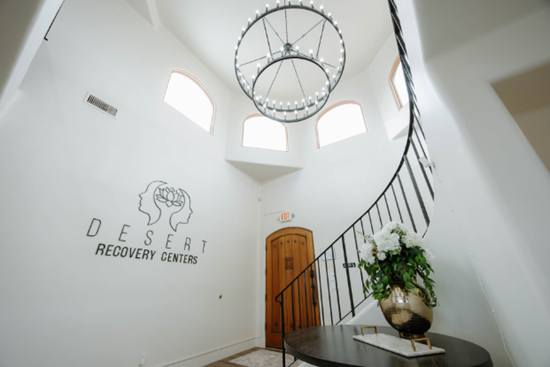
PHOENIX, AZ, United States – 27th July 2026 – Desert Recovery Centers has opened a sober living program in Phoenix, Arizona, designed to support clients who are continuing care after residential treatment or participating in structured outpatient programming.

The Phoenix sober living property gives clients a substance-free housing environment while they remain connected to clinical care through Desert Recovery Centers’ Partial Hospitalization Program. Desert Recovery Centers notes that sober living in Arizona can provide an important bridge for people who are leaving residential treatment and need continued structure, accountability, and community support.

“Stepping down from residential treatment is a meaningful point in recovery, but it can also be one of the most vulnerable transitions,” said the Desert Recovery Centers admissions team. “Our Phoenix sober living program was created to give clients a stable place to continue practicing recovery skills while staying connected to outpatient treatment.”

The organization explains that residential treatment provides a highly structured environment where clients can focus on addiction, mental health symptoms, trauma-related concerns, relapse patterns, and co-occurring conditions. When clients leave that level of care, they may still need support as they begin taking on more daily responsibility. Sober living can help make that transition less abrupt.

Desert Recovery Centers emphasizes that the Phoenix sober living property is supportive housing, not a treatment facility. Clinical services are provided through the organization’s Phoenix PHP/IOP center, while the sober living program gives clients a structured home environment between treatment sessions. This distinction helps families understand how sober living fits into the broader continuum of care.

The Phoenix program is intended for clients who benefit from more independence than residential treatment provides but are not yet ready to return to an unstructured home environment. Residents can attend programming during the day, return to a substance-free setting in the evening, and continue building daily routines that support recovery.

The property includes an on-site house manager, comfortable rooms, shared living areas, a pool, gym access, and spaces designed to support community and accountability. Desert Recovery Centers says the environment is meant to help clients feel grounded while they continue working on recovery, emotional regulation, relapse prevention, and long-term stability.

Sober living can be especially helpful for people whose home environments may include conflict, isolation, substance use, or easy access to old triggers. By living in a recovery-focused setting, clients have the opportunity to practice new habits while maintaining support from peers and staff.

The organization also highlights the importance of peer connection. Addiction and mental health challenges can leave people disconnected from others. A sober living setting gives clients the chance to live around people who are also working toward recovery, which can reduce isolation and support accountability.

For many clients, sober living also helps create a more realistic step-down plan. Residential treatment may help someone stabilize, but recovery must eventually be practiced in daily life. Sober living allows clients to begin that process with more structure than they would have if they returned immediately to their previous environment.

Desert Recovery Centers encourages individuals and families to think about sober living before discharge from residential treatment. A strong plan may include PHP, IOP, therapy, medication support, recovery meetings, family support, sober living housing, and relapse prevention strategies. Planning ahead can reduce stress and help clients move from one level of care to the next with greater confidence.

The Phoenix sober living program is part of Desert Recovery Centers’ broader continuum of addiction and mental health services in Arizona. The organization provides care across multiple levels, including residential treatment, PHP, IOP, outpatient support, and related behavioral health services for people facing substance use and co-occurring mental health conditions.

Desert Recovery Centers says the new Phoenix sober living program reflects its commitment to helping clients continue recovery beyond the residential setting. The organization encourages families to ask questions about housing expectations, treatment schedules, accountability measures, and how sober living supports long-term recovery planning.

About Desert Recovery Centers

Desert Recovery Centers provides addiction and mental health treatment across Arizona, with locations in Glendale, Scottsdale, and Phoenix. The organization specializes in dual diagnosis care and offers individualized, evidence-based treatment for substance use and co-occurring mental health conditions. Desert Recovery Centers is Joint Commission accredited and operates a boutique treatment model focused on clinical care, privacy, compassion, and personal attention.

Media Details

Contact Person: Admissions Team
Company Name: Desert Recovery Centers
Email: admissions@desertrecoverycenters.com
Phone: (623) 305-0496
Address: 1623 W Moody Trail
City: Phoenix
State: Arizona
Country: United States
Website: https://desertrecoverycenters.com/

Desert Recovery Centers Releases Consolidated 2026 Overview of Arizona Care Locations

PHOENIX, Arizona – 27th July 2026 – Desert Recovery Centers today released a consolidated overview identifying the levels of care available through its Arizona locations as of July 2026.

The overview distinguishes services by location to help individuals, families and referring professionals understand the organization’s current structure:

  • Glendale: Residential care for substance use and co-occurring mental health concerns
  • Scottsdale: Residential care for substance use and co-occurring mental health concerns
  • Phoenix: Partial hospitalization program and intensive outpatient program
  • Phoenix recovery housing: Housing for eligible clients participating in structured outpatient care

Program placement is determined through a clinical assessment. Services, scheduling, admission criteria and housing eligibility vary according to individual needs and program availability.

Coordinated levels of care

Desert Recovery Centers reports that its programs may address substance use and co-occurring mental health concerns through individual counseling, group counseling, psychiatric services, medication management, relapse-prevention planning, family participation and continuing-care planning.

Not every service is appropriate or available for every client. A clinical team reviews each person’s circumstances before recommending a level of care. Participation does not guarantee a particular result.

The organization’s residential and outpatient programs are structured as separate levels of care. When clinically appropriate, continuing-care planning may include outpatient services, recovery housing, community meetings, family involvement or referrals to outside providers.

Current program information is available through the Desert Recovery Centers website. Members of the public may also consult Arizona Care Check for state facility information.

Safety information

Admissions personnel do not replace emergency or crisis services. Anyone facing an immediate medical or safety emergency should call 911. People experiencing a mental health, substance use or emotional crisis may call or text the 988 Suicide & Crisis Lifeline at 988.

Media contact:
Admissions Team
Desert Recovery Centers
admissions@desertrecoverycenters.com
(623) 305-0496
4160 N. 108th Ave., Phoenix, Arizona

About Desert Recovery Centers Desert Recovery Centers provides residential and outpatient care for substance use and co-occurring mental health concerns in Arizona. Its locations include residential settings in Glendale and Scottsdale, outpatient programming in Phoenix, and recovery housing for eligible outpatient participants. Additional information is available at desertrecoverycenters.com.

Desert Recovery Centers Launches Military-Connected Treatment Planning Checklist

PHOENIX, Arizona – 27th July 2026 – Desert Recovery Centers today introduced a standardized treatment planning checklist for veterans, active-duty service members, retirees, and eligible military family members seeking information about behavioral health care and TRICARE requirements.

Beginning today, the checklist will be used across the organization’s Phoenix, Glendale, and Scottsdale locations. It is also available through the Desert Recovery Centers website as a public educational resource.

The checklist organizes commonly requested information about Tricare rehab options into five steps:

  • Confirm current eligibility and plan details.
  • Review whether a provider is authorized or in network.
  • Identify referral or prior-authorization requirements.
  • Compare covered care settings with clinical recommendations.
  • Request information about applicable copays and cost sharing.

The resource does not announce or imply a change to TRICARE policy. Coverage decisions remain subject to plan terms, beneficiary eligibility, clinical documentation, authorization requirements, provider status, and determinations made by TRICARE or its regional contractors.

Authoritative Coverage Resources

Desert Recovery Centers developed the checklist to direct military-connected households toward official information before services begin. Relevant federal resources include:

The checklist also explains that verification is a preliminary administrative step. It does not represent a final coverage decision or a promise of payment.

Independent Accreditation Information

Desert Recovery Centers states that it is accredited by The Joint Commission. Accreditation information can be checked through The Joint Commission’s Quality Check directory.

Important notice: This release and the checklist provide general educational information. They are not medical advice and do not guarantee eligibility, authorization, coverage, clinical suitability, provider participation, or insurer payment. Individuals should consult qualified professionals and their health plan regarding their circumstances.

Media Contact
Admissions Team
Desert Recovery Centers
admissions@desertrecoverycenters.com
(623) 305-0496
4160 N. 108th Ave.
Phoenix, Arizona
https://desertrecoverycenters.com/

About Desert Recovery Centers Desert Recovery Centers provides behavioral health treatment across Arizona, with locations in Glendale, Scottsdale, and Phoenix. Its programs support people with substance use and co-occurring behavioral health needs through individualized clinical planning, continuing-care coordination, privacy, and personal attention.

Desert Recovery Centers Publishes PPO Addiction Treatment Coverage Checklist

PHOENIX, Arizona – 27th July 2026 – Desert Recovery Centers today published an insurer-neutral checklist to help Arizona individuals and families evaluate PPO addiction treatment coverage before selecting a provider or level of care.

The checklist addresses network status, deductibles, cost sharing, prior authorization, medical-necessity reviews and behavioral health benefit administration. It applies to common levels of care, including medically supervised detoxification, residential treatment, partial hospitalization and intensive outpatient services.

Questions to Ask Before Admission

Desert Recovery Centers recommends requesting written answers to the following questions from the health plan and treatment provider:

  • Is the facility in network, out of network or excluded from the plan?
  • Are individual clinicians billed under a different network status?
  • Which deductible applies, and how much has been met?
  • What copayment or coinsurance applies after the deductible?
  • Does a separate out-of-pocket maximum apply to out-of-network care?
  • Is prior authorization required before admission?
  • How often will continued-care reviews occur?
  • Is behavioral health coverage administered by another organization?
  • Could out-of-network charges exceed the plan’s allowed amount?
  • Which costs may be due before services begin?
  • Can the provider supply a written estimate explaining assumptions and limitations?

A PPO may permit members to seek care from both in-network and out-of-network providers, but the member’s share can differ substantially. HealthCare.gov’s PPO glossary explains that using providers outside a plan’s network generally results in higher costs.

Coverage and Clinical Review

Coverage for substance use disorder services depends on the member’s plan documents, exclusions, network rules and applicable insurer requirements. Authorization and clinical eligibility may also depend on documented symptoms, withdrawal risk, safety concerns, prior care and the requested treatment setting.

The checklist notes that an initial benefit summary or provider estimate is not a guarantee of coverage or payment. Final decisions remain subject to the plan’s terms, claim processing, authorization requirements and medical-necessity criteria. Members should confirm information directly with the organization administering their behavioral health benefits.

Federal information about mental health and substance use disorder coverage is available through HealthCare.gov. Questions concerning parity protections may also be directed to the U.S. Department of Labor.

Scope and Limitations

The checklist does not identify Desert Recovery Centers as participating with any particular insurer, establish a treatment recommendation or provide a price estimate. Network participation can differ by policy, employer group, location and benefit administrator, even when plans use the same insurer name.

Individuals facing an immediate medical or safety emergency should contact local emergency services. Treatment decisions should be made with qualified health professionals after an appropriate assessment.

Media inquiries: Desert Recovery Centers
Phone: (623) 305-0496
Address: 4160 N. 108th Ave., Phoenix, Arizona

About Desert Recovery Centers Desert Recovery Centers is an Arizona behavioral health provider with locations listed in Glendale, Scottsdale and Phoenix. The organization provides care for substance use disorders and co-occurring mental health conditions. Service, location and contact information is available at desertrecoverycenters.com.

Desert Recovery Centers Releases Out-of-Network Insurance Checklist for Rehab Consumers

PHOENIX, Arizona – 27th July 2026 – Desert Recovery Centers today released a consumer checklist intended to help individuals and families ask informed insurance questions before selecting an out-of-network rehabilitation provider.

The checklist is available beginning today through the organization’s admissions team and is published below for immediate reference. It outlines the plan terms, authorization requirements, billing practices, and written estimates consumers should review when considering using out-of-network benefits for treatment.

Out-of-Network Insurance Checklist

Before admission, consumers should ask the treatment provider and insurer to confirm:

  • Whether the plan includes out-of-network behavioral health benefits
  • Which levels of care are included under those benefits
  • Whether a separate out-of-network deductible applies and how much has been met
  • The member’s coinsurance responsibility after the deductible
  • Whether prior authorization or a referral is required
  • The insurer’s allowed amount for each covered service
  • Whether charges above the allowed amount may become the member’s responsibility
  • How claims are submitted and who receives insurer payments
  • Whether out-of-network expenses count toward an out-of-pocket maximum
  • Whether continued authorization is required during care
  • Whether a written estimate of expected charges is available

Out-of-network benefits can allow access to providers that do not have direct contracts with an insurance plan. The applicable terms vary by policy, and an insurer may process out-of-network claims differently from in-network claims.

The new checklist is designed to give consumers a consistent set of questions for conversations with insurers and treatment providers. It also distinguishes an initial benefits review from a final claim determination, helping families document plan information before making an admission decision.

Desert Recovery Centers will begin incorporating the checklist into insurance-verification conversations on July 16, 2026. Consumers may also use it independently when comparing providers or contacting their insurer.

Consumer Notice

Benefit verification is not a guarantee of coverage or payment. Final decisions remain subject to the insurance policy, authorization requirements, submitted documentation, claim review, exclusions, and the insurer’s allowed amounts.

The checklist is general educational information and is not financial or legal advice. Consumers should confirm all terms directly with their insurer, request written responses when available, and obtain a written estimate from the provider before services begin.

Media Contact

Admissions Team
Desert Recovery Centers
4160 N. 108th Ave., Phoenix, Arizona
Phone: (623) 305-0496
Email: admissions@desertrecoverycenters.com
Website: desertrecoverycenters.com

About Desert Recovery Centers Desert Recovery Centers provides behavioral health treatment at locations in Glendale, Scottsdale, and Phoenix, Arizona. Its programs address substance use and co-occurring mental health concerns through individualized care. Desert Recovery Centers reports accreditation by The Joint Commission; accreditation status can be checked through The Joint Commission Quality Check.