New Survey: 200 Million Americans to Send Mother’s Day Gifts This Year

AUSTIN, Texas – 30th April 2026 – As Mother’s Day approaches, new survey data from Tiff’s Treats, the original warm cookie delivery company, suggests the holiday is broader and more popular than ever. 75% of survey respondents, representing roughly 200 million adult Americans, plan to send Mother’s Day gifts this year.

At the same time, how people are choosing to celebrate tells an important story. Nearly two-thirds (63%) of respondents plan to spend $50 or less on a Mother’s Day gift, signaling that meaningful gifting doesn’t have to come with a high price tag.

And yet, lower spend doesn’t mean lower impact. Nearly 88% of respondents say the mere act of including a personal note with a gift is meaningful, underscoring that connection, not cost, is what defines a great gift.

Survey Highlights

  • Nearly 75% plan to give or send a gift
  • 63% plan to spend $50 or less on a Mother’s Day gift
  • Over 90% believe grandmothers should be celebrated, too
  • 88% say a personal message makes the gift meaningful
  • More than two-thirds are more likely to send a gift if delivery is guaranteed on Mother’s Day

As families prepare to celebrate, the findings serve as a reminder: the most meaningful gifts are the ones that show up, right on time, with something heartfelt to say.

Tiff’s Treats offers warm cookie delivery via 170+ locations. Customers can schedule their Mother’s Day gift to arrive on the day, at their preferred time, with delivery guaranteed. Tiff’s Treats most popular Mother’s Day gift item last year was a dozen cookies and Mother’s Day gift wrap, at a cost of $34.

Survey conducted by Tiff’s Treats, March 2026 with 300 U.S. respondents.

ABOUT TIFF’S TREATS

In 1999, Tiffany Taylor accidentally stood up Leon Chen for a date. As an apology, she baked and delivered a batch of warm cookies, and the concept of warm cookie delivery was born. Tiff and Leon, just 19-year-old sophomores at The University of Texas at Austin at the time, opened Tiff’s Treats with $20, a cell phone and a dream. Since then, the business has grown to over 170 distribution locations in Texas, Georgia, Tennessee, Colorado, North Carolina, Florida, Oklahoma, California, Kentucky, New Mexico, Arizona, Louisiana, Nevada, Illinois, and more. Customers can order online at cookiedelivery.com®, with the Tiff’s Treats app or by phone.

MEDIA CONTACTS
Kassidy Toon
kassidytoon@cookiedelivery.com

SEEB Homes Announces Release of Guide on Transition from Backyard Gatherings to Indoor Lounge Design

New York, United States – 30th April 2026 – SEEB Homes announced the release of a structured guide examining the transition from outdoor backyard gatherings to curated indoor entertaining environments within residential design. The publication outlines spatial, architectural, and experiential considerations associated with the growing presence of private lounge settings in modern homes.

The guide documents a shift in hosting formats, moving from open-air arrangements centered on grilling and temporary setups toward interior spaces designed for controlled atmosphere and extended social interaction. The material presents a framework that details environmental planning elements including lighting calibration, acoustic balance, temperature stability, and seating configuration within enclosed lounge areas.

The released document defines the indoor social lounge as a dedicated residential zone designed to support small-group interaction through consistent environmental conditions. The guide specifies design inputs such as integrated ventilation pathways, material selection for surface finishes, and spatial zoning intended to support circulation and gathering patterns. The framework also references the placement of storage and display units as part of the overall room composition.

Within the outlined framework, cigar humidor cabinets are identified as fixed architectural features that contribute to both storage and spatial anchoring. The guide describes cabinet integration within wall systems or freestanding configurations, including considerations related to humidity control, electrical requirements, and alignment with surrounding millwork. The document also details how cabinet placement influences movement flow and focal orientation within the lounge setting.

The publication includes planning sequences for new construction and retrofit scenarios. For new builds, the guide maps early-stage inclusion of lounge areas within architectural layouts, including structural allowances for air management systems and insulation layers. For existing properties, the document presents adjustment pathways involving room conversion, airflow modification, and installation of dedicated cabinetry systems.

The guide also presents a comparison of outdoor and indoor hosting formats from a spatial perspective. Outdoor environments are described in terms of variability in weather exposure and flexible arrangement, while indoor lounges are outlined through fixed design parameters and controlled sensory inputs. The material documents how these differences influence hosting duration, guest arrangement, and environmental predictability.

A representative of SEEB Homes provided a statement accompanying the release. “The guide documents observable changes in how residential environments are being structured for social interaction, with increased attention to enclosed, purpose-designed spaces,” said Daniel Carter, Director of Residential Design at SEEB Homes. “The framework presents design considerations associated with these spaces, including the integration of cigar humidor cabinets within overall architectural planning.”

The release forms part of an ongoing documentation series focused on residential design adaptations associated with lifestyle-oriented spatial planning. The material compiles design observations, architectural inputs, and environmental configuration approaches relevant to indoor entertaining environments.

About SEEB Homes

SEEB Homes is a residential design and construction company established in 2011. The organization focuses on architectural planning and development of housing environments incorporating functional spatial design. SEEB Homes maintains a digital presence through social media platforms including Instagram, Facebook, and LinkedIn.

MEDIA DETAIL

Contact Person Name: Media Relation

Company Name: SEEB Homes

Email: contact@seebhomes.com

Website: https://www.seebhomes.com/

Clean Air Company Completes Advanced Plymovent Exhaust System Installation at North Plainfield Fire Department

North Plainfield, NJ – 30th April 2026 – Clean Air Company has successfully completed the installation of a state-of-the-art Plymovent vehicle exhaust extraction system at the North Plainfield Fire Department, significantly improving air quality and reducing firefighters’ exposure to harmful diesel exhaust.

The new system replaces an older Nederman unit and represents a major upgrade in protecting firefighter health and safety. The project was funded through the Assistance to Firefighters Grant (AFG) Program, a federal initiative that enhances the safety and effectiveness of fire departments nationwide.

Firefighters face a wide range of occupational hazards, with growing concern around long-term exposure to diesel exhaust. Diesel fumes contain a complex mixture of toxic and carcinogenic particles that can accumulate inside fire stations—especially in apparatus bays where emergency vehicles idle. Prolonged exposure has been linked to respiratory illness and multiple forms of cancer, now recognized as a leading cause of line-of-duty deaths among firefighters.

By installing the Plymovent system, the North Plainfield Fire Department has taken a proactive step toward reducing these risks. The system captures harmful exhaust emissions directly at the source—from the tailpipes of fire apparatus—and removes them from the station before they can reach personnel in the breathing zone.

“This installation reflects our continued commitment to protecting the health and safety of our firefighters,” said Deputy Chief James DiPaolo. “Reducing exposure to diesel exhaust is critical, and this new system ensures our personnel are working in a cleaner, safer environment every day.”

Fire Chief William Eaton added:

“Cancer prevention in the fire service is one of our top priorities. Upgrading to the Plymovent system allows us to significantly reduce harmful airborne contaminants in our station, reinforcing our responsibility to safeguard our team both on and off the fireground. We also thank the Mayor and Borough Council for their support in securing the federal grant that made this lifesaving upgrade possible without placing the full financial burden on local taxpayers.”

This installation comes as Clean Air Company celebrates 50 years of protecting workers’ health in demanding environments. The company continues to lead in advanced exhaust extraction solutions, helping fire departments and industrial facilities reduce exposure to hazardous airborne contaminants and create safer workplaces.

The upgraded system improves air quality and supports industry standards aimed at lowering occupational cancer risks for firefighters.

Clean Air Company is proud to partner with the North Plainfield Fire Department on this important initiative and remains committed to delivering solutions that protect those who dedicate their lives to protecting others.

Fire departments and municipalities interested in upgrading their exhaust extraction systems are encouraged to contact Clean Air Company today for a consultation and to learn how advanced solutions can help protect their teams and communities.

About Clean Air Company

Clean Air Company specializes in advanced air-quality and exhaust-extraction solutions designed to safeguard workers in demanding environments. With a focus on innovation, reliability, and safety, the company serves fire departments, emergency services, and industrial clients across the region.

For more information, visit www.cleanairco.com. 

Social 

LinkedIn: https://www.linkedin.com/company/clean-air-company-inc-/

YouTube: https://www.youtube.com/channel/UCX77KQplXedbVzOcfRxOF6Q

Facebook: https://www.facebook.com/CleanAirCo/

Instagram: https://www.instagram.com/cleanairco/

Media Contact

Organization: Clean Air Company 

Website: https://www.cleanairco.com/

Contact: Greg Slavin 

Email: greg@cleanairco.com

City: Woodbridge

State: New Jersey 

Country: United States

BNG Limousine Announces Release of Guide on Transition of Chauffeur Services Into Essential Travel Infrastructure

New York, United States – 30th April 2026 – BNG Limousine announced the release of a structured guide examining the transition of chauffeur services from a traditionally luxury-oriented offering to an increasingly essential component of business and airport travel in 2026. The guide presents an organized overview of observed changes in traveler expectations, operational requirements, and transportation planning behaviors across urban and regional travel environments.

The published guide outlines how evolving travel conditions have influenced the role of ground transportation within business itineraries and airport transfers. Increased travel frequency, time-sensitive scheduling, and coordination across multiple locations are presented as contributing factors shaping transportation selection processes. The material organizes these factors into a framework that reflects a shift toward pre-arranged, schedule-aligned services.

The framework introduces the concept of essential service classification within ground transportation, positioning structured chauffeur services within routine travel planning rather than occasional use. The guide describes how pre-scheduled pickups, consistent service conditions, and coordination with travel timelines are being incorporated into planning considerations for business and airport travel scenarios.

The release examines airport transportation environments, including high-traffic conditions and scheduling variability, and presents how structured service models are being used to align with departure and arrival timelines. The guide outlines elements such as route planning, timing coordination, and travel flow continuity as part of a broader operational structure.

The document also addresses the integration of ground transportation into business travel workflows. Travel time is presented within the framework as a managed component of professional schedules, where uninterrupted transit environments and predictable timing are incorporated into planning considerations. The guide reflects how transportation settings are being evaluated alongside other logistical elements within business travel arrangements.

Regional movement across interconnected destinations is included as part of the framework, with emphasis on coordination between multiple stops and time-bound engagements. The guide presents this pattern as part of a broader shift toward structured mobility planning, where transportation is aligned with sequential activities rather than treated as an isolated service.

The release includes references to service categories such as luxury chauffeur service in San Francisco, positioning these offerings within the context of evolving transportation expectations. The guide presents such services as part of a broader classification of pre-arranged mobility solutions that align with defined schedules and operational requirements.

The framework further outlines the role of consistency in transportation planning, describing how uniform service delivery, driver conduct standards, and vehicle presentation are being incorporated into structured travel models. These elements are presented as components within a system designed to reduce variability in travel experiences.

The guide concludes with an overview of transportation planning as an integrated function within modern travel, reflecting a movement toward defined processes and coordinated execution. The release positions the framework as a reference document for understanding how service categorization within ground transportation is being shaped by changes in travel patterns and expectations.

About BNG Limousine

BNG Limousine operates within the ground transportation sector, providing chauffeur-based travel services designed to support business travel, airport transfers, and scheduled mobility requirements. The company focuses on structured service delivery aligned with defined travel itineraries and operational coordination across urban and regional destinations.

MEDIA DETAIL

Contact Person Name: Media Relation

Company Name: BNG Limousine 

Email: contact@bnglimousine.com

Website: https://bnglimousine.com/

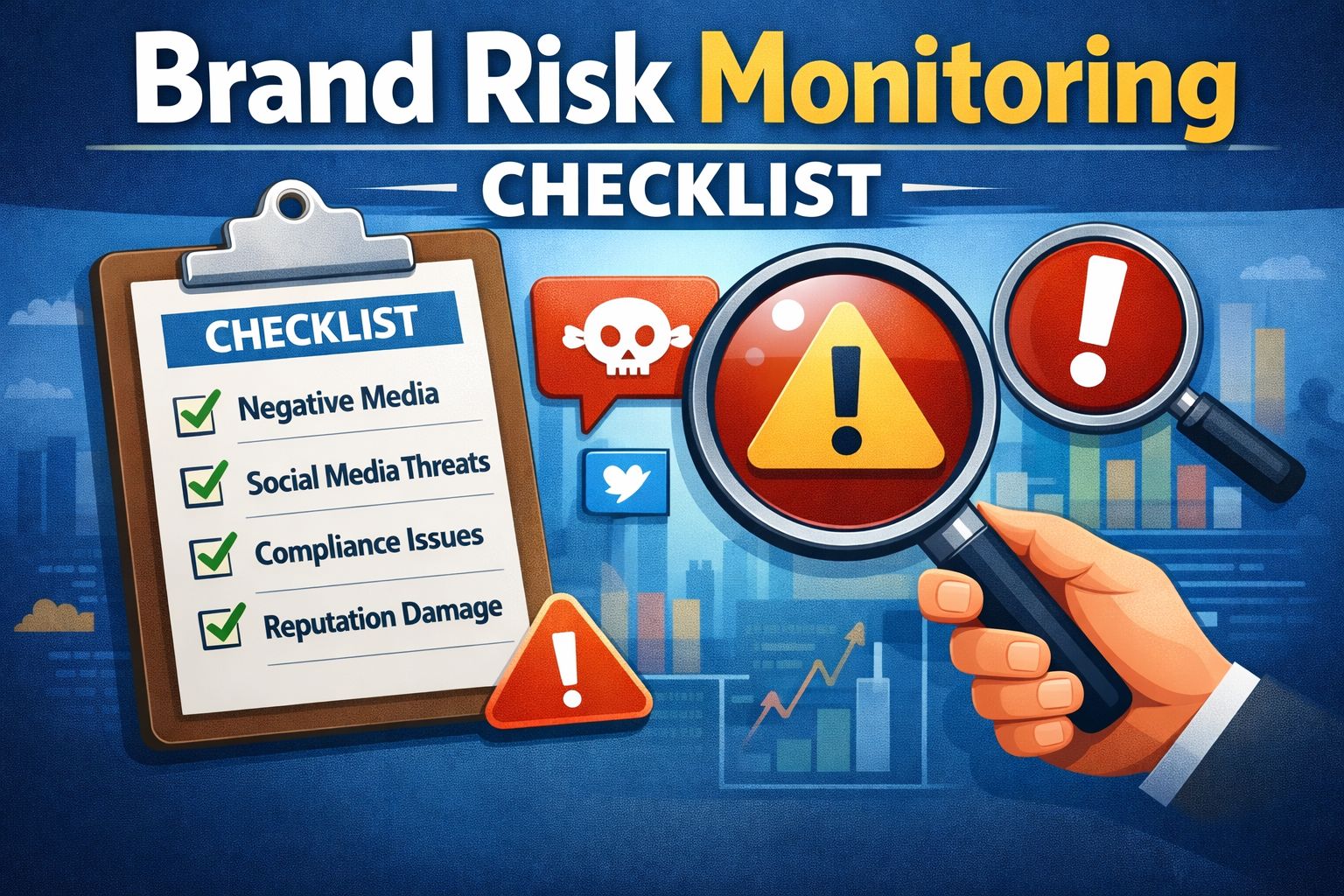
CyberNX Launches Brand Risk Monitoring Checklist to Help Organisations Detect Brand Abuse Early

MUMBAI, India – 30th April 2026 – CyberNX has published a practical Brand Risk Monitoring Checklist designed to help organisations detect domain spoofing, credential exposure, phishing infrastructure, social impersonation and related exposures at an earlier stage, before incidents escalate into publicly visible crises.

Brand damage rarely begins with a headline. CyberNX observed that many incidents start with small, quiet signals: a spoofed domain registered in a different top-level domain, a leaked credential circulating in an underground forum, or a customer screenshot posted to a niche discussion channel that does not appear on standard marketing dashboards. By the time reputational fallout becomes visible to communications teams, the original indicators frequently have already moved through corners of the internet most organisations do not monitor.

Security teams typically focus on infrastructure controls such as firewalls, endpoint protections and vulnerability management. These functions remain necessary for operational continuity. CyberNX’s release argues that brand exposure occupies a different layer of digital risk and that brand risk monitoring is more closely aligned with security visibility than with traditional reputation monitoring alone. Threat actors exploit trust in established brands across sectors including banking, telecom, retail, fintech, travel and healthcare, turning a familiar brand identity into a vector for phishing, fraud and credential harvesting.

The checklist released by CyberNX treats brand risk monitoring as an operational routine rather than a one‑time audit. The document is structured around concrete signals and actions that security teams can incorporate into daily workflows, with the stated goal of catching low‑visibility indicators before they develop into high‑impact incidents. The checklist emphasizes consistent surveillance of registration records, public code repositories, paste sites, marketplaces and social channels that lie outside typical marketing or PR instrumentation.

Brand misuse commonly surfaces in predictable environments that require dedicated attention. Phishing infrastructure often begins with domain registrations that resemble legitimate company names; attackers may employ character swaps, added prefixes or suffixes, hyphenated variations or alternate top‑level domains and then place login pages behind redirect chains or shortened URLs. Underground marketplaces and dark web forums can host stolen customer databases, employee credentials, API keys and internal documents; these listings frequently appear without any public notification from affected organisations. Social media impersonation remains a persistent source of customer deception as fraud accounts mimic official handles, respond to support requests and distribute malicious links. Mobile application abuse and third‑party download sites occasionally host counterfeit or malicious apps that use familiar branding to harvest credentials or install spyware. Typosquatting and product listing fraud on e‑commerce platforms create additional exposure, from counterfeit merchandise to fraudulent sellers using brand logos in product images.

The core Brand Risk Monitoring Checklist outlines practical checks across those areas. Organisations are advised to monitor newly registered domains that resemble the brand name, to scan the web for pages that replicate login forms, payment gateways or promotional landing pages, and to track public indicators of credential exposure such as employee email addresses, customer account data and exposed API tokens. The checklist directs monitoring of social channels for fake brand accounts and impersonated executives, regular sweeps of official and third‑party app stores for malicious or misleading applications, and ongoing reviews of marketplace product listings for counterfeit goods or logo misuse. It also highlights surveillance of paste sites, public code repositories and file‑sharing platforms for leaked configuration files, credentials and internal documentation that can serve as the earliest signs of a breach.

Checklists matter because brand abuse moves quickly and sometimes only briefly. Phishing campaigns can operate for days before actors shift infrastructure; social impersonation accounts may appear and disappear once they have collected sufficient victims. Without a structured routine, incidents frequently go unnoticed until customers report harm. CyberNX’s checklist is intended to shift detection earlier in the incident timeline so that security teams can assess credibility and initiate mitigation steps while the attacker’s infrastructure remains active.

Operational scale presents the primary implementation challenge. Thousands of domains are registered each day, underground forum activity spans multiple languages and access models, and impersonation accounts can proliferate and vanish rapidly. CyberNX notes that automation and threat intelligence platforms help surface signals across these environments and reduce the volume of noise analysts must review. Automation is described as a filter rather than a replacement for human judgement; the checklist recommends combining automated discovery with analyst validation to determine which exposures merit takedown requests, legal escalation or incident response.

When brand abuse escalates into a security incident, consequences can include compromised customer accounts, fraud, regulatory scrutiny and long‑term erosion of customer trust. Credential harvesting from phishing portals enables further intrusion into customer or corporate systems. Leaked internal data and public product counterfeits can produce the same perception of failure in the marketplace, even when the original cause differs. The Brand Risk Monitoring Checklist published by CyberNX aims to provide a repeatable operational framework that reduces the likelihood of such escalation by promoting early detection across multiple, often-overlooked surfaces.

CyberNX also provides brand risk monitoring services intended to identify breaches, stolen credentials, infected devices and third‑party data exposures. The company positions those services as complementary to the checklist, supporting organisations that require continuous monitoring and incident validation across the diverse threat surfaces described in the guidance. Quiet, consistent monitoring is presented as the practical means by which many incidents are prevented before they reach public attention.

About CyberNX

CyberNX is a cybersecurity firm that provides monitoring, detection and incident validation services focused on brand exposure and related digital risks. The company offers operational guidance and continuous monitoring for domain abuse, phishing infrastructure, credential exposure and impersonation. CyberNX works with organisations to integrate surveillance routines and technical discovery across web, social and underground environments.

MEDIA DETAILS

Contact Person: Media Relations
Company Name: CyberNX
Email: sales@cybernx.com
Website: https://www.cybernx.com/

Reports Growing Enterprise Adoption of Intent Data Across Financial Services and Custom Database Markets

Kent County, Del. – 30th April 2026 – As B2B buying journeys become increasingly complex and digitally driven, organizations are turning to intent data platforms to identify and engage potential customers earlier in the decision-making process. LakeB2B, a provider of B2B data intelligence and demand generation solutions, reported increased enterprise adoption of its intent-driven platform across financial services and data-driven industries in 2026.

According to the company, organizations using intent-qualified targeting are experiencing improvements in pipeline visibility and engagement efficiency compared to traditional outreach methods. Industry observers note that the shift toward behavioral data and real-time buyer intelligence reflects broader changes in how enterprises approach demand generation and customer acquisition.

Growing Demand for Intent-Driven B2B Intelligence

Over the past year, LakeB2B said it expanded its platform capabilities, including the rollout of a real-time buyer intent engine and the enrichment of more than 70 million global B2B contact records. The company also reported onboarding over 150 enterprise clients during the first quarter of 2026 across North America and Europe, the Middle East, and Africa (EMEA).

LakeB2B also reported maintaining a 94% email deliverability rate across managed outreach campaigns, reflecting increased focus on verified contact data and compliance-driven targeting practices.

“Intent data is becoming an important component of modern go-to-market strategies,” a LakeB2B spokesperson said. “Organizations are increasingly evaluating behavioral signals to better understand when buyers are actively researching solutions and entering purchasing cycles.”

Financial Services Sector Driving Adoption

Financial services organizations are among the sectors increasingly adopting intent-driven targeting, according to the company. The industry’s longer sales cycles, regulatory requirements, and multi-stakeholder buying processes have increased demand for more precise audience targeting and engagement strategies.

LakeB2B said its platform enables organizations to identify potential buyers across roles such as finance leaders, compliance professionals, and fintech decision-makers by combining firmographic intelligence with behavioral signals. These signals may include research activity related to financial software, compliance tools, and investment platforms.

According to the company, campaigns targeting financial services audiences have demonstrated improved engagement metrics, including increased email interaction rates and improved lead qualification outcomes.

Custom Database Strategies Shift Toward Precision Targeting

LakeB2B also reported growing demand for custom database solutions designed around ideal customer profile (ICP) targeting. Rather than relying on large-volume contact lists, organizations are increasingly prioritizing precision datasets aligned with specific industries, job roles, and organizational structures.

The company said its custom databases integrate multiple intelligence layers, including verified contact data, technographic insights, and organizational hierarchy mapping. LakeB2B currently supports more than 45 industry verticals, including financial services and database technology sectors.

Market Trends in Intent Data Adoption

Industry analysts note that intent data platforms are becoming more widely adopted as organizations seek to improve targeting accuracy and reduce outreach inefficiencies. Behavioral signals aggregated from content consumption, research activity, and engagement trends are increasingly used to identify high-intent buyers.

LakeB2B said its platform aggregates buyer intent signals from thousands of B2B content sources, enabling organizations to identify prospects based on active research behavior and solution evaluation patterns.

As B2B buying committees expand and decision-making cycles become less linear, enterprises are increasingly adopting intent intelligence tools to support data-driven demand generation strategies.

About LakeB2B

LakeB2B is a global B2B data intelligence and demand generation company headquartered in Dover, Delaware. The company provides solutions across intent data, custom database development, account-based marketing, and full-funnel demand generation. LakeB2B serves organizations across technology, financial services, healthcare, manufacturing, and professional services industries.

Media Contact

Company: LakeB2B
Email: info@lakeb2b.com
Phone: +1 (888) 303-4466
Website: www.lakeb2b.com

Locanto Adds AI-Powered Moderation and Listing Tools to Its Room Rental Platform Amid Rising U.S. Housing Costs

New York, United States – 29th April 2026 – As housing affordability pressures intensify across the United States, more homeowners are renting spare bedrooms for supplemental income, a practice commonly referred to as “house hacking.” Locanto, a global online classifieds platform, is expanding a suite of artificial intelligence features designed to improve listing quality, reduce fraudulent content, and make the room rental process easier for both homeowners and renters.

MARKET CONTEXT

The Harvard Joint Center for Housing Studies reports that more than 22 million renter households in the United States spend more than 30% of their income on housing — a threshold the center defines as cost-burdened. A separate analysis of the 50 largest U.S. metro areas, cited by Locanto, found that renting a room can be up to 37% more affordable than taking on a new mortgage, with many homeowners generating between $800 and $1,200 per month from spare-bedroom rentals. USA Today was unable to independently verify the 37% figure or the income range; readers should treat those figures as company-cited data pending independent confirmation.

Housing economists broadly agree that supply constraints continue to push rents higher in many cities and suburbs, and that existing but underutilized residential space — sometimes called “hidden inventory” — represents a potential near-term source of additional rental supply that does not require new construction.

Search data also reflects growing consumer interest: Americans are increasingly using terms such as “rooms to rent near me” when looking for affordable housing online, a trend that platforms focused on shared housing say is accelerating user growth.

THE PLATFORM’S AI FEATURES

The new experience incorporates AI-based ad review and categorization processes that organize listings according to structure and relevance. Listings are evaluated through automated systems that assess format, classification, and visibility before publication. Image-based moderation and content filtering mechanisms operate in parallel to review submitted material and identify content that does not align with platform requirements.

Additional functionality includes duplicate suppression based on semantic analysis, which evaluates similarities across listings and limits repeated entries. Ad quality scoring is applied to listings to determine placement and visibility based on structural and informational completeness. These systems are designed to influence how listings appear in search results where consistency and organization affect discoverability.

Currently in a development phase are automated content enhancement tools form part of the updated experience, allowing listing creation through structured formatting processes. These tools will convert basic inputs into standardized listing formats, supporting clarity in descriptions and presentation. The system will also incorporate image relevance checks and image-to-text generation features that align visual elements with written content.

Locanto continues to develop additional capabilities, including automated translation features intended to support interactions between users with different language preferences. Ongoing development focuses on improving alignment between listing data and user search behavior within the shared housing category.

“Peer-to-peer housing only works at scale if users trust what they’re seeing,” a Locanto’s Automation Manager Ramón Gutierrez del Arroyo said. “By using AI to improve moderation and ad quality, we are helping make house-sharing a more viable option for millions.”

The announcement reflects a broader shift in how digital platforms structure user-generated housing listings, with emphasis on organization, moderation, and search alignment in room rental categories.

About Locanto

Locanto is a global online classifieds platform founded in 2006. Operations extend across more than 50 countries, with over 1.5 million ads published each month across housing, jobs, and services categories. The platform includes a dedicated rooms for rent category that enables listing and discovery of shared housing opportunities within local markets.

MEDIA DETAIL

Contact Person Name: Emma Ryder

Company Name: Locanto

Email: emma.ryder@locantoconnect.com

Website: https://www.locanto.com/

PetPivot Launches App-Free AutoScooper Line as Consumer Data-Privacy Concerns Reach Pet-Care Market

New York, NY – 29th April 2026 – New York-based pet product company PetPivot is introducing an offline, app-free automatic litter box lineup aimed at cat owners who have grown wary of connected-home devices and the subscription models, server dependencies, and data-collection practices that often accompany them. The company’s current lineup — the AutoScooper 11 and the AutoScooper 12 Lite — is available in the United States at petpivot.com, with full retail pricing, warranty terms, and return policy details published on the company’s website.

The launch comes as documented consumer unease over household-device data collection continues to grow. A 2024 Pew Research Center report found that roughly 72 percent of Americans say they are concerned about how companies collect and use their personal data. PetPivot says that sentiment is reaching the pet-care market, though independent research has not yet conclusively measured whether such concern drives purchasing decisions specifically in the pet-tech segment.

“We built the AutoScooper line around the premise that a litter box does not need a Wi-Fi connection to protect a cat,” said Charlene Gao, a representative for PetPivot. “Our customers tell us they are tired of managing app updates, server outages, and privacy policies that can change without notice. We wanted to offer a straightforward mechanical alternative.”

PetPivot states that neither the AutoScooper 11 nor the AutoScooper 12 Lite requires internet connectivity, a cloud account, or a mandatory subscription fee, and that neither device transmits data to external servers during normal operation. The company adds that no personal or behavioral data is collected or stored remotely during use. Prospective buyers should note that, as of this release, PetPivot has not provided independent third-party testing or certification to verify those data-handling claims, and are encouraged to review the company’s privacy disclosures and product documentation — including any data that may be collected during setup or warranty registration — before purchase.

Both models use what PetPivot describes as a multi-layered, hardware-based safety architecture. Cited features include a half-gear mechanical design that physically limits drum rotation to prevent full closure; seven pairs of infrared sensors intended to monitor a cat’s position from multiple angles and pause the cleaning cycle if a pet is detected; an open-top entry design; and a sealed waste drawer for odor containment. PetPivot characterizes sensor coverage as providing “near full-coverage detection with minimal blind spots.” That description reflects the manufacturer’s own characterization and has not been validated by an independent testing organization. PetPivot has not published independent durability or longevity data for either model.

The company’s positioning is consistent with a documented pattern of smart-device obsolescence in the broader pet-technology category, including server closures that have rendered connected litter products non-functional for customers — a risk PetPivot argues hardware-only devices avoid. Whether PetPivot’s mechanical systems outlast connected competitors over comparable product lifespans has not been verified by independent testing.

Sarah Hollenbeck, a cat owner in Austin, Texas, said she switched to a non-connected litter box after a server outage disabled her previous smart device. “I realized I was renting a function I thought I owned,” she said. “When the company’s servers went down, the box just stopped. I wanted something that worked regardless of whether a company stayed in business.” A PetPivot spokesperson confirmed that Hollenbeck has no financial relationship with the company and contacted PetPivot independently.

A researcher familiar with consumer IoT privacy issues, who asked not to be named pending publication of related work, offered independent context. “Any device that collects behavioral data in the home — even something as mundane as litter box usage — represents a potential data exposure point,” the researcher said. “Offline devices eliminate that particular risk vector, though consumers should still review manufacturer privacy policies to understand what data, if any, is collected during setup or warranty registration.”

PetPivot is offering a $20 promotional discount on AutoScooper products from April 29 through May 10, 2026, timed to coincide with Mother’s Day. Complete product specifications, full retail pricing, warranty terms, and return policy details are available at petpivot.com.

All safety performance, data-privacy, and product-reliability claims in this release reflect PetPivot’s representations and have not been independently verified.

About PetPivot

PetPivot designs standalone pet products intended to prioritize safety, simplicity, and user control. The AutoScooper line provides automatic litter care without mandatory app connectivity, cloud dependency, or recurring subscription fees.

Media Contact:

Charlene Gao

PetPivot / Digimentum PR

charlene.gao@digimentumpr.com

https://petpivot.com/

Blue Guardian Introduces Unified Forex And Futures Market Infrastructure

Blue Guardian announces the publication of its integrated trading platform combining forex and futures markets into a unified system designed to streamline multi-market access and improve trading efficiency across financial instruments.

Dubai, UAE – Blue Guardian has announced its integrated trading environment that combines forex and futures markets within a single system. The platform, initially introduced earlier in April, reflects the company’s focus on simplifying access to multiple financial markets through a unified trading environment.

The system enables users to operate across both currency pairs and futures contracts within one interface, reducing the need to switch between separate platforms. This integrated approach is designed to streamline trading operations and improve overall workflow efficiency.

The platform has been developed to support faster execution, simplified market analysis, and improved accessibility across different financial instruments. By consolidating trading functions into a single environment, users can manage their activities more efficiently while reducing operational fragmentation.

Blue Guardian’s system provides access to multiple asset classes, including currencies, commodities, and indices. This structure allows users to monitor and manage positions across various markets within one centralized platform. The integration reflects a broader industry trend toward multi-asset accessibility and consolidated trading systems.

The platform supports structured account models designed to accommodate different levels of trading experience and operational preferences. Account funding options range from $5,000 up to $450,000, allowing users to operate within scalable capital tiers depending on performance requirements and selected program structure. These include instant funding options as well as evaluation-based programs such as one-step, two-step, and three-step assessment models.

All account types operate under predefined trading rules, including risk management parameters and consistency requirements. These conditions remain standard across both evaluation and funded phases to ensure uniformity in trading operations.

The system also includes a structured payout framework designed to process eligible withdrawals after meeting program conditions. Payout requests are generally processed within a defined timeframe following eligibility confirmation, with most transactions completed within approximately 48 hours after the required trading period. Profit distribution structures vary depending on account type, with different models applying to forex and futures programs under standardized operational rules.

A key feature of the platform is its centralized risk management framework. By enabling trading across multiple markets within a single system, users can apply consistent risk controls and monitor exposure more effectively. This approach is designed to support diversified strategies and improve stability in volatile market conditions.

Blue Guardian operates an evaluation-based model where traders are assessed based on predefined performance criteria before accessing extended trading capabilities. This structure is designed to emphasize discipline, consistency, and structured trading behavior.

Industry analysts note that integrated trading platforms are becoming increasingly relevant as financial markets evolve. Consolidated systems that provide access to multiple asset classes are viewed as a practical solution for reducing operational complexity and improving efficiency.

In addition to operational benefits, unified systems contribute to more efficient workflow management by reducing the need for multiple platforms. This allows users to focus more on execution and analysis within a single environment.

Blue Guardian’s announcement highlights continued development within the trading technology sector, where firms are increasingly focusing on integration, scalability, and structured user frameworks to align with evolving market requirements.

The introduction of this platform reflects broader industry movement toward centralized trading infrastructures. While adoption and impact will depend on market participation, such developments indicate a shift toward more streamlined financial technology solutions.

About Blue Guardian

Blue Guardian is a financial services firm focused on developing structured trading environments that support access to multiple financial markets. The company emphasizes performance-based evaluation models and aims to align its systems with evolving industry requirements.

Media Contact:

Blue Guardian

Dubai, United Arab Emirates 

support@blueguardian.com

Top 5 Hair Transplant Doctors in Turkey (2026 List)

Hair loss and baldness have evolved from being merely aesthetic concerns into issues closely tied to personal confidence and overall quality of life. With the advancement of modern techniques, hair transplantation—when performed by the right physician and at the right clinic—can deliver highly natural and permanent results. Türkiye, with its strong medical infrastructure and highly specialized physicians, now stands among the world’s leading countries in the field of hair transplantation.

So, what criteria lie behind a successful hair transplant, and what qualities set the leading doctors in this field apart? In this list, we have highlighted Turkey’s top hair transplant specialists, distinguished by both their international achievements and their strong reputations.

Dr. Koray Erdogan – ASMED Clinic

Dr. Koray Erdogan stands out not only for his consistently successful and highly natural results, but also for the scientific and technological innovations he has pioneered in the field of hair restoration. These include proprietary systems such as Coverage Value, Graft Calculator, KE-Photo, KE-Rest, K.E.E.P., and KE-Bot, all designed to bring greater precision, predictability, and transparency to hair transplant procedures.

At his clinic, Dr. Erdogan combines exceptional surgical craftsmanship with cutting-edge technology to deliver an advanced level of care. He performs the Manual FUE technique—an approach mastered by only a handful of clinics worldwide—allowing for meticulous, surgeon-led extraction and implantation. This is paired with state-of-the-art planning tools to ensure each procedure is carried out with the highest level of accuracy and transparency.

His latest innovation, KE-Bot, is an AI-powered hair analysis robot officially registered with the U.S. Patent Office and used exclusively at ASMED. Using three-dimensional scanning and deep learning technology, KE-Bot scans the entire scalp and optically measures hair density and thickness in the donor area before surgery, while also providing precise data on how many grafts are implanted in the recipient area afterward. This system protects the donor area from overharvesting, enables flawless surgical planning, ensures sufficient donor reserves for future procedures, and introduces an unprecedented level of transparency to hair transplantation.

Another hallmark of Dr. Erdogan’s work is his ability to design exceptionally natural-looking hairlines, resulting in outcomes that are virtually indistinguishable from natural hair growth.

With a large international patient base—particularly from Europe and the United States—Dr. Erdogan is a former President and current Board Member of the World FUE Institute (WFI), a Brussels-based organization that brings together the world’s leading hair transplant surgeons. He also continues to hold memberships in several professional organizations across Europe and the United States..

AHD Clinic – Dr. Hakan Doğanay

AHD Clinic, led by Dr. Hakan Doganay, is widely recognized for its refined approach to natural hairline design and the aesthetic balance of graft placement. Dr. Doganay views hair transplantation not merely as a technical procedure, but as a comprehensive surgical process that takes into account facial proportions, the patient’s age, and the long-term preservation of the donor area.

At his clinic, FUE techniques are combined with highly personalized treatment planning, while strict medical standards and patient safety are maintained at every stage of the procedure. AHD Clinic is also a preferred destination for international patients and stands out as one of the centers contributing to Turkey’s strong global reputation in hair restoration.

Dr. Hakan Clinic – Dr. Hakan Bozkurtoglu

Dr. Hakan Bozkurtoglu is known for his surgical approach focused on achieving natural density while preserving the integrity of the donor area. He does not treat hair transplantation as a standardized procedure, but rather as a personalized medical process carefully planned around scalp anatomy, hair growth angles, and the long-term sustainability of transplanted grafts.

At his clinic, FUE techniques are paired with meticulous graft distribution and aesthetically refined hairline design, with patient safety and medical ethics prioritized throughout every stage of the operation. Serving both domestic and international patients, Dr. Bozkurtoglu stands out for his commitment to natural-looking, long-lasting results.

Dr. Ozlem Bicer

Dr. Ozlem Bicer is among the physicians distinguished by her medical approach and personalized treatment planning in the field of hair transplantation. She considers hair restoration not just a surgical intervention, but a comprehensive treatment process guided by scalp biology, the type of hair loss, and its rate of progression.

At her clinic, modern hair transplant techniques are combined with natural hairline design and a strong focus on the long-term preservation of the donor area, while patient safety and medical ethics remain top priorities throughout the entire process. Dr. Bicer is especially preferred by patients seeking natural results and a high level of medical precision.

Dr. Bekir Bek

Dr. Bekir Bek is recognized for his surgical expertise in graft distribution, donor area management, and the creation of natural hair growth angles. He approaches hair transplantation not as a routine procedure, but as a personalized medical process shaped by the type of hair loss, donor capacity, and the patient’s long-term expectations.

At his clinic, modern FUE-based techniques are combined with refined hairline design and tissue-respecting practices, with patient safety and medical ethics strictly upheld at every stage of treatment. With his focus on achieving natural and lasting outcomes, Dr. Bek is among the preferred physicians in the field of hair transplantation.