Snoopreport Publishes Four Checks for Interpreting Recent Follow Activity on Instagram

Snoopreport outlines practical limits of public-account follow reports and highlights responsible interpretation of online activity.

NEW YORK, NY — October 31, 2026 — Snoopreport today published guidance on interpreting detected recent follow activity on Instagram, outlining four checks—visibility, coverage, timing, and context—to help users distinguish observable activity from unsupported conclusions about intentions or relationships.

Issued by Snoopreport on October 28, 2026, the guidance is presented in full below. It addresses a practical question in discussions about shared interests, dating, and teenagers’ online habits: what can an observed public follow actually establish?

A connection to a restaurant, musician, creator, or event page does not, by itself, explain why someone followed that account. The guidance recommends using such observations as possible conversation topics, not as evidence of private conduct.

Four Checks Before Drawing Conclusions

  • Visibility: Establish whether the account and the relevant activity are public. Do not treat a public-account report as access to private profiles or direct messages.
  • Coverage: Treat the report as a set of detected observations, not a complete activity record. A missing observation does not establish that an action never occurred.
  • Timing: Distinguish a reporting period from an exact follow timestamp. Do not assign a precise time to a detected change without supporting evidence.
  • Context: Review the underlying public content before interpreting a connection. A follow alone cannot establish a romantic relationship, endorsement, or lasting interest.

For example, detected follows involving cafés, concerts, or outdoor recreation may suggest subjects for a conversation. They cannot establish someone’s relationship status or explain the reason for a connection.

Applying the Limits to AI Summaries

Snoopreport’s guidance also addresses optional AI summaries associated with activity reports. Suggested interests, date ideas, or conversation starters are interpretations of limited observations—not verified statements from the person whose activity appears in a report.

Users should check the underlying public context, distinguish observations from suggestions, and leave uncertain conclusions unresolved. An AI-generated interpretation should not be treated as evidence of private conduct.

Consent, Teenagers, and Account Safety

Public visibility does not establish consent to intrusive monitoring. The guidance recommends seeking agreement before making activity reports part of ongoing relationship discussions and avoiding their use to pressure or confront another person.

For parents, public activity may provide a starting point for an age-appropriate conversation about online communities. It should not replace direct communication, platform safety controls, or respect for a teenager’s developing privacy. The guidance does not authorize access to private information or override applicable age requirements, consent obligations, or platform rules.

Users should also avoid tools that promise hidden Instagram information or request unfamiliar login credentials. In an October 7, 2022, security notice, Meta reported on malicious apps that attempted to steal social-media credentials.

About Snoopreport

Snoopreport is an Instagram activity tracker for reviewing detected public-account likes, follows, and unfollows through organized reports. Optional AI summaries offer interpretations of reported activity. Reports may be incomplete and cannot reveal private messages or private-account activity.

Media Contact

Contact Person : Media Relation
Company Name: Snoopreport
Email: support@snoopreport.com
Website: https://snoopreport.com/

Shea Construction Expands Custom Building, Remodeling, and Storm Restoration Operations Across Northeast Oklahoma

Expanded operations cover custom builds, residential remodeling, structural restoration and light commercial projects

SALINA, United States — October 31, 2026 — Shea Construction has announced an expansion of its residential and light commercial operations, increasing project capacity through additional project management resources and trade coordination. The expansion supports custom building, remodeling and reconstruction assignments under a single general contracting structure, from initial planning and structural work through interior finishes and final handover.

Founded by Matthew Mullin, the company draws on 20 years of trade experience. Its expanded operations bring together specialized crews and independently licensed and insured trade partners to manage multiple construction phases within one project. The company provides written quotes and a one-year workmanship warranty, with project management covering the coordination of structural, mechanical and finishing work.

The expansion includes custom home construction and metal buildings, encompassing single-family residences, metal-framed barndominiums with completed living interiors, equipment workshops and agricultural pole barns. Rather than limiting these projects to exterior shells, Shea Construction manages concrete slab foundations, interior framing, mechanical installations, spray foam insulation, drywall and custom finishes. This scope places both the building structure and interior completion within the company’s construction responsibilities.

For existing residences, home remodeling services include kitchen renovations, bathroom conversions, room expansions, second-story additions and outdoor living spaces. The company uses 3D design software to prepare architectural renderings and blueprints before demolition begins. These materials allow property owners to review proposed floor plans, cabinetry and fixtures while the project remains in the planning stage.

“A major construction or renovation project is a major personal investment, and clients deserve honest pricing, clear timelines, and a contractor who finishes when promised,” said Matthew Mullin, owner of Shea Construction.

The company’s home restoration and rebuild division handles structural reconstruction following storm, fire or water damage. Its work extends beyond initial drying to roof tear-offs, window replacements, interior drywall restoration and full structural rebuilds. Project managers coordinate with insurance carriers and adjusters, preparing itemized repair estimates and managing the reconstruction work associated with those estimates.

Expanded commercial construction capacity covers warehouses, multi-bay storage facilities, fleet maintenance shops and interior tenant buildouts. The company also undertakes office renovations and retail interior work, coordinating construction tasks through its general contracting operations. Commercial concrete assignments include dumpster pads, loading zones, parking pads and heavy-equipment slabs, with drainage incorporated into the project design.

Roofing work includes architectural shingles and standing seam metal systems. Across custom home construction and metal buildings, the company’s stated scope combines foundations, structural assembly and interior completion rather than treating each phase as a separate owner-managed assignment. The same coordination model applies to home remodeling and home restoration and rebuild projects, where multiple trades may be required to complete a single property assignment.

The capacity expansion encompasses both residential work and commercial construction without changing the company’s general contracting focus. Project management resources and trade networks support coordination from planning through final handover across the announced service categories.

About Shea Construction

Shea Construction is a general contracting company founded by Matthew Mullin and headquartered in Salina, Oklahoma. The company provides custom homes, barndominiums, additions, remodeling, metal buildings, commercial buildouts and structural restoration, supported by 3D design capabilities and a one-year workmanship warranty.
View on Google Maps: https://share.google/N47onPSLcXg7Ywsmm

Media Details

Contact Person: Matthew Mullin, owner
Company Name: Shea Construction
Email: mattm@sheaconstructionllc.com
Website: https://sheaconstructionllc.com/

Charles Medical Group Marks More Than 25 Years of Hair Restoration

The practice reports more than 15,000 procedures alongside longstanding staff continuity and physician training

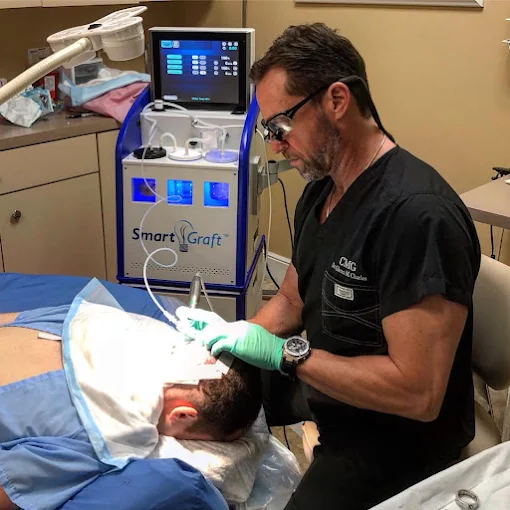
BOCA RATON, United States – October 30, 2026 – Charles Medical Group is marking more than 25 years of practice dedicated exclusively to hair restoration, a milestone accompanied by more than 15,000 procedures performed by Dr. Glenn Charles. Established in 1999, the practice combines patient care with a history of physician training and long-term clinical staff continuity.

The milestone reflects a single-specialty approach maintained since the practice opened. Charles established the office after serving as the primary physician trainer in hair transplant surgery for a hair restoration organization from 1997 to 1999. His subsequent independent practice continued that focus on hair loss rather than expanding into unrelated areas of care.

“Charles Medical Group has focused exclusively on hair loss since 1999, with individual consultations and a team that includes staff members who have worked together for more than two decades,” said Dr. Glenn Charles, hair transplant surgeon at Charles Medical Group.

The practice’s service offering includes a full range of hair restoration procedures, with FUT and multiple FUE options, as well as transplants for women and procedures involving beards and eyebrows. Each case begins with a one-on-one consultation with Charles, who develops an individual plan rather than using a single procedural approach for every patient.

The practice also provides non-surgical hair loss treatments as part of its service offering. These include platelet-rich plasma therapy, low-level light therapy and scalp micropigmentation. Surgical and nonsurgical services are considered within the consultation process, which provides the starting point for discussing an individual patient’s circumstances and possible treatment plan.

Staff tenure is another component of the anniversary milestone. Senior technicians Haley and Jenny have each worked alongside Charles for more than two decades, while Roberto has assisted on cases for more than 17 years. Those working relationships represent a substantial portion of the practice’s operating history and extend across its procedural work.

Beyond patient care, Charles has maintained roles in professional education and examination. His hair restoration surgeon profile includes past service as president of a specialty certification board and eight years on its Surgery Examination Committee. His educational work also includes annual faculty lectures, core curriculum committee membership, and contributions as an author and editor to two hair transplantation textbooks.

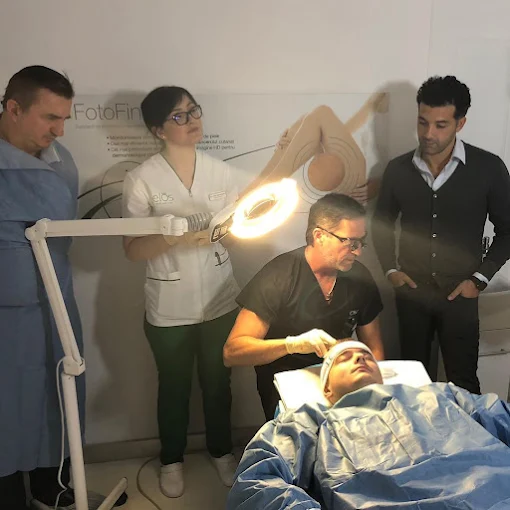
The office has also served as a clinical observation center for physicians from abroad, extending the training work that preceded the practice’s establishment. That educational role sits alongside its patient-care activity, with approximately 40% of patients coming from out of town. The practice’s history therefore includes both treatment delivery and opportunities for other physicians to observe clinical work.

As Charles Medical Group marks the milestone, its stated scope remains centered on hair loss. The practice continues to combine individual physician consultations, surgical procedures, nonsurgical services and an established technical team within the specialty it has maintained since opening.

About Charles Medical Group

Charles Medical Group is a hair restoration practice established by Dr. Glenn Charles in 1999. The practice provides surgical and nonsurgical hair loss services, including scalp, beard and eyebrow procedures. Its history also includes physician training and clinical observation.

MEDIA DETAILS

Contact Person: Dr. Glenn Charles, hair transplant surgeon
Company Name: Charles Medical Group
Email: info@charleshair.com
Website: https://charlesmedicalgroup.com/

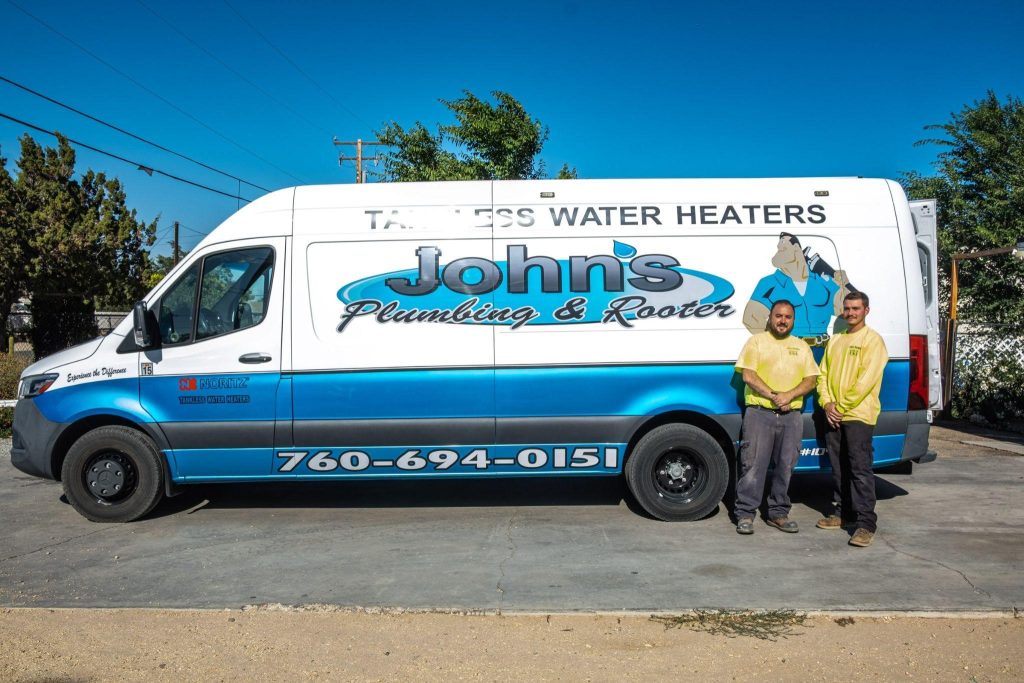
John’s Plumbing & Rooter Expands Full Service Plumbing, Hydro Jetting, and Sewer Solutions Across the High Desert

Added dispatch capacity supports residential, commercial and municipal repairs, water heating and sewer work

NEW YORK, New York – 31st October 2026 – John’s Plumbing & Rooter has announced increased dispatch capacity for plumbing repairs, sewer work, water heater replacements and emergency diagnostics. The company-wide expansion includes its Apple Valley plumbing operations and supports both routine maintenance and infrastructure repairs.

The expansion addresses demand for assignments ranging from individual fixture repairs to main sewer line installations. It brings additional dispatch capacity to the company’s existing plumbing services rather than introducing a separate service division.

“The expansion increases dispatch capacity for residential, commercial and municipal work, including drain cleaning, sewer repairs, water heater replacements and emergency diagnostics,” said John Stepanian, founder of John’s Plumbing & Rooter.

Sewer operations are a central component of the announcement. Technicians use high-definition cameras to identify root intrusion, cracked pipe joints and underground blockages before selecting a repair method. Inspections help distinguish obstructions from structural damage that may require pipe repair or replacement.

The work includes drain cleaning and hydro jetting for grease accumulation, mineral deposits and heavy blockages. For collapsed lines or severe root damage, repair options include trenchless methods and conventional excavation. Main sewer installations, cleanout installations and spot repairs are also included.

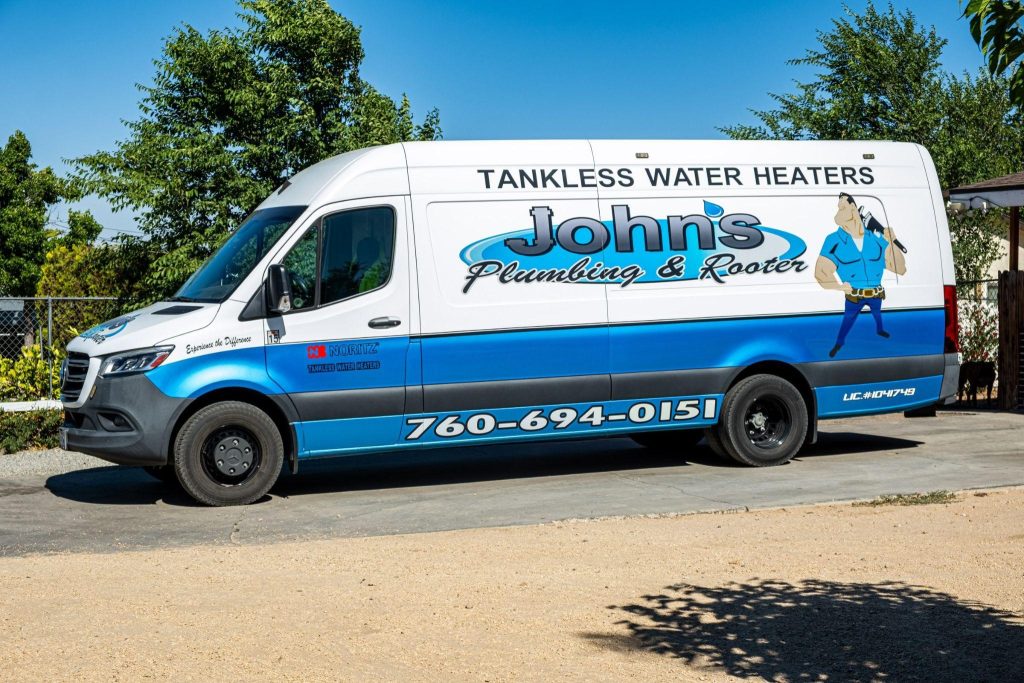
The expanded operations also encompass water heater services for atmospheric gas tanks, electric tanks and tankless systems. Installation work includes equipment sizing, venting checks and attention to applicable code requirements. Replacement assignments are coordinated alongside repairs and diagnostic work.

Other supported assignments include leak detection, slab leak troubleshooting, pressure-reducing valve replacements, gas piping, water treatment and renovation plumbing. Across its operations, the company uses upfront pricing and credits service fees toward completed work.

About John’s Plumbing & Rooter

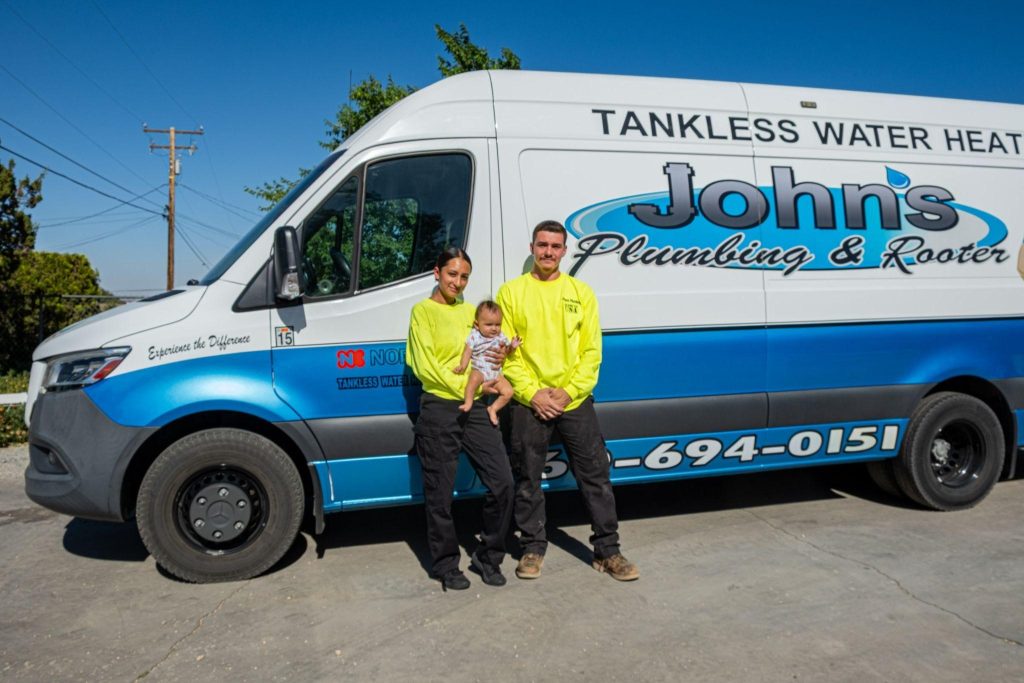
John’s Plumbing & Rooter is a family-owned plumbing contractor established in 2000. The company provides residential, commercial and municipal plumbing work, including drain cleaning, sewer repairs, water heating, gas piping, leak detection and emergency repairs.

Media Contact
John Stepanian, founder
John’s Plumbing & Rooter
Email: admin@johnsplumbing760.com
Website: https://www.johnsplumbing760.com/ 

DG Construction and Renovations Opens Design-Build Showroom

The 1,000-square-foot space combines material displays, appointment-based consultations and virtual project previews

Allentown, NJ, United States – 31st October 2026 – DG Construction and Renovations has opened a 1,000-square-foot design-build showroom, adding a dedicated setting for materials selection and interactive project planning to its remodeling process. The opening brings physical displays and digital visualization together before construction begins, supporting projects that include kitchen remodeling, bathroom remodeling and home additions.

Operating as The Showroom by DG Construction, the space provides appointment-based design and materials-selection consultations. The company’s new home renovation showroom in Allentown New Jersey brings these activities under one roof, connecting the selection of finishes with the design and construction stages of a renovation.

The opening expands the company’s approach to preconstruction planning. Rather than relying solely on small samples and catalog photographs, homeowners can examine kitchen and bathroom displays while considering materials for their projects. The showroom gives clients a physical setting in which to review how selected components relate to the proposed design before final decisions are made.

Materials available for comparison include cabinetry, flooring, tile, countertops, fixtures, trim and shower systems. The space also includes decking, roofing and siding selections, extending the consultation process beyond interior finishes. Bringing these categories together is intended to reduce the need for separate vendor appointments during the materials-selection stage.

“The showroom brings material selections and project visualization into the same planning process,” said Dean Gallo, owner of DG Construction and Renovations. “Clients can compare finishes, review layouts and examine design details before construction begins.”

Digital visualization forms another component of the facility. Photorealistic 3D renderings, panoramic views and virtual reality walkthroughs allow clients to preview proposed spaces. These tools support layout reviews, finish comparisons and adjustments to design details while the project remains in the planning phase.

The company incorporates the showroom into a process that begins with consultation and design, continues through showroom selections, and moves into planning and permits before construction and completion. This sequence connects design discussions with material decisions rather than treating the showroom as a separate sample room.

For kitchen remodeling and bathroom remodeling, the combination of displays and digital previews provides two ways to evaluate a proposal: examining materials in person and reviewing their appearance within a planned space. Clients can compare physical finishes alongside visual representations of the project, with selections addressed before work moves into construction.

The investment in home renovation showrooms also adds a dedicated environment for discussions about functionality and aesthetics. At DG Construction and Renovations, the appointment-based format places those discussions within the same design-build process used to plan and complete the work. The new facility supports the company’s existing renovation and addition services through an expanded preconstruction experience.

About DG Construction and Renovations

DG Construction and Renovations is a family-owned design-build contractor founded in 2012. The company provides home renovation services, including kitchens, bathrooms and home additions. Its process encompasses consultation, design, materials selection, planning, permits, construction and completion.

MEDIA DETAILS

Contact Person: Dean Gallo, owner
Company Name: DG Construction and Renovations
Email: dgconstructionllc@yahoo.com
Website: https://dgbuildsnj.com/

1F Cash Advance Clarifies Limits of Applicant Commentary and Research References

Company distinguishes anecdotal observations from research findings and statewide report data

MIAMI, Florida – 31st October 2026 – 1F Cash Advance today issued a clarification explaining that its commentary about applicant experiences is anecdotal and that its references to statewide research do not validate observations about the company’s applicants.

The clarification addresses two distinct types of material: descriptions of applicant experiences and references to the 2026 State of ALICE report for Florida. Neither should be read as evidence that the company conducted a representative applicant study.

The company described its applicant commentary as:

“Anecdotal observations, not findings from a representative study.”

What the Applicant Commentary Establishes

The company’s material does not identify an observation period, request count, geographic breakdown or documented analysis method. Without those details, readers cannot determine the scope of the observations or assess whether they reflect a broader population.

The commentary does not establish:

  • How common the described experiences are among applicants or the wider population.
  • Whether those experiences have changed over time.
  • Whether individual accounts have been independently verified.
  • Whether statewide research findings apply to the company’s applicants.

The announcement clarifies these evidentiary limits. It does not present new applicant research, quantitative findings or independent verification of individual accounts.

Statewide Research Provides Context, Not Validation

References describing what United For ALICE found concern statewide research, not a study of 1F Cash Advance applicants. The company’s material establishes no connection between the statewide research population and its applicant population.

Readers can consult the United For ALICE Florida research page for statewide research resources. That resource is separate from the company’s applicant commentary and should not be treated as verification of it.

This clarification does not reproduce report statistics, tables or excerpts. Its purpose is to distinguish contextual research from evidence supporting company-specific statements.

Scope of This Announcement

The clarification is limited to how the two categories of statements should be interpreted. It does not establish the prevalence of any applicant experience, identify a trend or support comparisons between applicants and Florida residents generally.

About 1F Cash Advance

1F Cash Advance operates through online requests and local offices. Company information is available at 1firstcashadvance.org.

Media Contact

Latoria Williams, founder and CEO
1F Cash Advance
Email: info@1firstcashadvance.org
Website: 1firstcashadvance.org

Rx Peps Direct Named Best Online Peptide Therapy Provider 2026 by American Recognition Awards

Marcus Hansen, Rx Peps Direct CEO.

Fort Collins-based telehealth practice Rx Peps Direct is recognized as "Best Peptide Therapy Provider" for its $39 medical review and direct-to-pharmacy wholesale pricing.

FORT COLLINS, Colo., October 28, 2026. American Recognition Awards named Rx Peps Direct (RxPepsDirect.com) Best Online Peptide Therapy Provider 2026. The award, announced October 20, 2026, recognizes the practice’s flat-fee medical review model and direct-to-pharmacy wholesale pricing. The announcement is published at https://www.arawards.org/awards/rx-peps-direct-named-best-online-peptide-therapy-provider-2026.

Rx Peps Direct is a telehealth practice that provides prescriptions for compounded peptides in 28 states plus Washington, DC. Patients pay a $39 medical review fee per order, which covers up to three peptides. A licensed provider reviews each order, and every prescription goes to a licensed U.S. 503A compounding pharmacy. The pharmacy fills the prescription, ships it to the patient pre-reconstituted and ready to inject, and bills the patient directly at its wholesale price. Rx Peps Direct makes nothing on the medication itself.

The practice took its first patients in May 2026. As of October 28, 2026, it has approved 3,507 orders for 1,954 patients. Its dosing guidance comes from a library of 55 physician-reviewed protocols written by Medical Director and co-founder Dr. Jonathan Snipes, MD. The practice publishes the batch lab report, covering sterility, endotoxin, and potency testing, for every batch the pharmacy has shared with it at RxPepsDirect.com/quality. More than 200 reports are posted to date.

Founder and CEO Marcus Hansen started the company as a peptide user himself. “As a peptide user myself, the research peptides made me nervous. They came with zero medical oversight,” Hansen said. “After researching forums and talking to people directly, I realized I wasn’t the only one who felt that way. The question was how to keep it affordable, and the answer was simple: pay for real medical oversight, then pay the pharmacy’s wholesale price directly from the pharmacy itself.”

About Rx Peps Direct

Rx Peps Direct (RxPepsDirect.com) is a telehealth practice based in Fort Collins, Colorado, that provides prescriptions for compounded peptides in 28 states plus Washington, DC. Patients pay a single $39 medical review fee. Rx Peps Direct sends every prescription to a licensed U.S. 503A compounding pharmacy, which fills it and ships it directly to the patient, and the patient pays the pharmacy at its wholesale price. Rx Peps Direct prescribes only non-controlled peptides.

Media Contact:
Name: Marcus Hansen
Company: Rx Peps Direct
Email: support@rxpepsdirect.com
Phone: 19736042002
Address: 242 Linden St, Fort Collins, CO 80524
Website: https://www.rxpepsdirect.com

Crescent Bioresearch KPV 10 mg Certificate Reports 207.9 EU of Endotoxin per Vial Against a 350 EU Limit, Tested at 0.005 EU/mL

KPV 10 mg endotoxin report: 207.9 EU per vial against 350 EU, read at 0.005 EU/mL

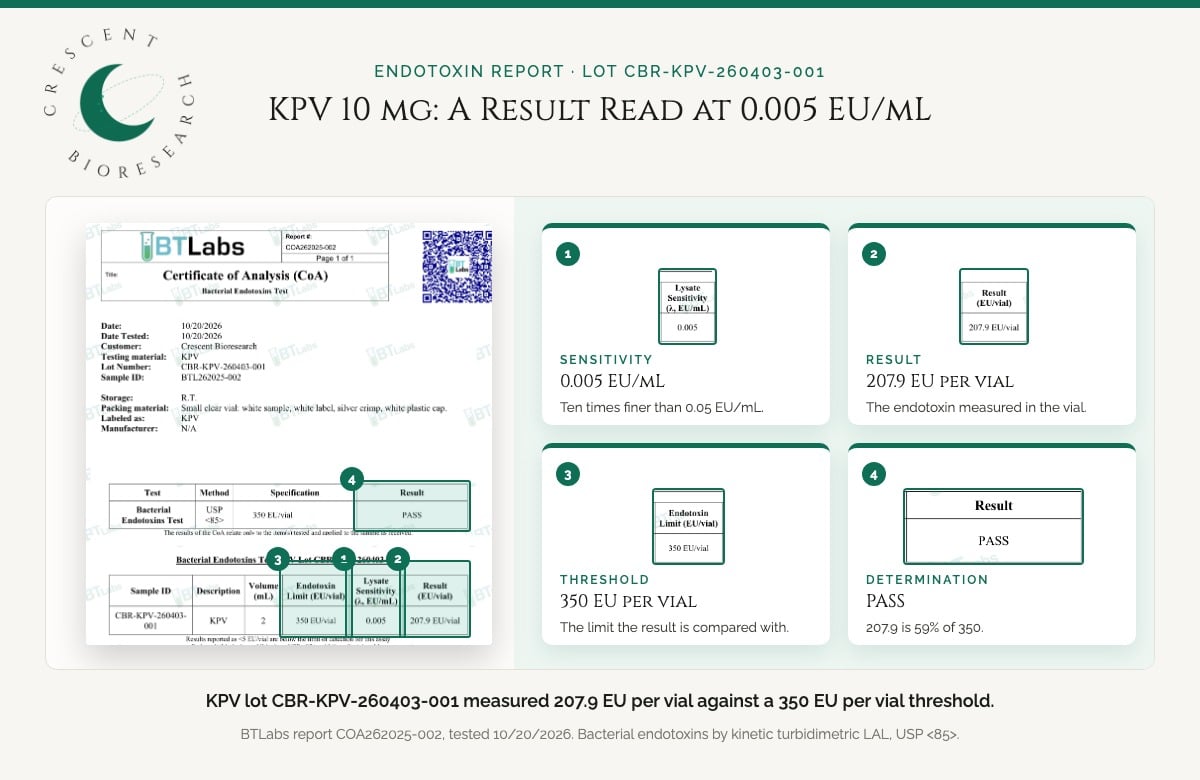
Crescent Bioresearch published the endotoxin result for KPV lot CBR-KPV-260403-001 as a measured number: 207.9 EU per vial against a 350 EU limit, tested at 0.005 EU/mL. The release explains why the value, not the pass, is what a research entity can use.

ALBANY, N.Y., Oct. 30, 2026 — Crescent Bioresearch, a supplier of laboratory compounds, has published the endotoxin result for its current lot of KPV as a measured number that supports the result. The certificate for lot CBR-KPV-260403-001 reports 207.9 endotoxin units per vial against a threshold of 350, a lysate sensitivity of 0.005 EU/mL and a test volume of 2 mL. A ‘pass’ is printed along with the numerical endotoxin value, lysate sensitivity, and the threshold used to determine the pass. All four parameters were required in order to validate the endotoxin report.

The compound

KPV is the tripeptide lysyl-prolyl-valine, written Lys-Pro-Val, registered under CAS 67727-97-3. It corresponds to the last three residues of alpha-melanocyte-stimulating hormone, which is why the literature also calls it alpha-MSH (11-13). Crescent Bioresearch supplies KPV as a 10 mg fill for laboratory research.

What was measured

BTLabs, an independent third-party laboratory in West Palm Beach, Florida, tested the lot on October 20, 2026, with the Limulus amebocyte lysate test, LAL, under United States Pharmacopeia General Chapter 85, Bacterial Endotoxins Test. Endotoxin is the lipopolysaccharide of Gram-negative bacteria. It survives sterile filtration and ordinary heat, and cultured cells respond to it at very low concentrations. The test reports it in endotoxin units, EU, a measure of activity against a reference standard.

For this lot the laboratory dissolved the vial in 2 mL and measured 207.9 EU per vial. The threshold was 350 EU per vial, so the lot sits at 59 percent of its limit. The determination is PASS.

Why the number matters more than the pass

A pass on this certificate means only that the result fell somewhere below 350 EU per vial. Every result from the bottom of the test’s range up to that limit earns the same word. A lot at 5 EU and a lot at 340 EU would both be printed as PASS, though one carries nearly seventy times the endotoxin of the other.

That spread is the reason the measured value is printed. A research entity does not work at the laboratory’s threshold. It works at its own concentration, in its own cells, against its own tolerance for contamination, and it can only reach those figures from a number.

For this lot the arithmetic is direct. Across the 10 mg fill, 207.9 EU comes to 20.79 EU per milligram, or about 0.021 EU per microgram. Those are the figures a research entity multiplies by the amount of material in each condition of an experiment to know how much endotoxin that condition carries. A certificate that printed only PASS would leave every one of those figures unknown.

Why the sensitivity is printed beside it

The lysate sensitivity is the smallest concentration the test can detect. On this report it is 0.005 EU/mL, ten times finer than the 0.05 EU/mL used on several other lots. The sensitivity describes the test, not the vial, and it is printed separately from the result so that the two cannot be confused.

The sensitivity matters most when a result is low. A lot reported as below 5 EU per vial is reported at the edge of what its test could see; the true figure could sit anywhere beneath it. At 207.9 EU per vial this KPV lot is far above its detection limit, so the value is a measurement in the full sense, not a ceiling.

What a number makes possible

A measured value can be compared. When the next lot of KPV is tested, its result can be set beside 207.9 and the difference read directly. Two passes cannot be compared at all.

A measured value can also be traced. If an experiment produces a response that does not repeat, the endotoxin carried into each run is one of the first variables to rule out. With a figure per milligram, a research entity can calculate that load for every condition it ran. Without one, endotoxin stays an open question in any analysis.

The full record

The certificate also reports identity by FTIR under USP General Chapter 197A and purity by HPLC under USP General Chapter 621, both for lot CBR-KPV-260403-001, on a separate signed report. Each endotoxin figure is labeled where it sits on the page in the annotated endotoxin report. Every current certificate is held in the Crescent Bioresearch certificate library, and the KPV COA is published before the lot is listed.

SUPPLEMENTARY DATA

United States Pharmacopeial Convention. General Chapter <85> Bacterial Endotoxins Test. United States Pharmacopeia and National Formulary.

Certificate of analysis, lot CBR-KPV-260403-001: BTLabs report COA262025-002 (bacterial endotoxins, tested October 20, 2026) and report COA261773-001 (purity and identity). crescentbioresearch.com/coa/CBR-KPV-260403-001

Annotated endotoxin report, lot CBR-KPV-260403-001. crescentbioresearch.com/coa/CBR-KPV-260403-001/annotated

Chemical identifier: KPV, L-lysyl-L-prolyl-L-valine, CAS 67727-97-3, PubChem CID 125672.

FREQUENTLY ASKED QUESTIONS

What is the endotoxin result for KPV lot CBR-KPV-260403-001? 207.9 EU per vial against a threshold of 350 EU per vial, which is 59 percent of the limit, with a determination of PASS. For the 10 mg fill that is 20.79 EU per milligram.

Is the sensitivity the endotoxin result? No. The sensitivity, 0.005 EU/mL, is the smallest amount the test can detect. The result, 207.9 EU per vial, is what the test found. It’s important to differentiate between the two when analyzing a report.

Why print the number if the lot passed? A pass covers every result below the limit. The number places this lot within that range, so it can be converted, compared and checked against a research entity’s own limit. It is not possible to determine whether a material had passed without a definitive numerical endotoxin value.

Does a finer test sensitivity change the result? No. A finer sensitivity allows the test to detect smaller amounts. It does not raise or lower the endotoxin that is in the vial.

ABOUT CRESCENT BIORESEARCH

Crescent Bioresearch is a supplier of laboratory compounds, founded around a framework of critical assessment. It works with research entities nationwide in pursuit of preserving the integrity of scientific research through its transparency approach. Follow the Crescent Discovery Series to dive into the latest breakthroughs and findings within prominent literature.

Media Contact:
Name: Media Relations Department
Company: Crescent Bioresearch
Email: media@crescentbioresearch.com
Website: https://crescentbioresearch.com/links

GeekyAnts Announces AntFabric Enterprise AI Initiative

The initiative connects applications, organizational knowledge, and AI agents with access controls and human oversight

SAN FRANCISCO, United States — October 30, 2026 — GeekyAnts Inc has announced its AntFabric initiative, an AI-native workplace ecosystem designed to connect enterprise applications, organizational knowledge, and AI agents within existing business environments. The initiative brings together application integration, shared organizational context, and agent coordination while retaining defined permissions and employee approval processes.

AntFabric addresses operational challenges associated with information distributed across email, meetings, project management tools, and other business applications. Its engineering approach focuses on connecting approved systems so assistants can reference relevant information without separating it from its original sources or applicable access restrictions.

The architecture combines an AI gateway, an agent runtime, and Shared Memory. The gateway manages model access, request routing, and usage monitoring. The runtime coordinates activities across connected systems, while Shared Memory maintains organizational context that assistants can reference when supporting tasks or recommending actions.

These components accommodate personal assistants, team assistants, and specialized agents configured for particular business processes. The design supports workflows involving multiple systems without requiring organizations to replace the underlying applications. It also provides a shared foundation for connecting models and agents within established operational controls.

An assistant could, for example, identify a decision recorded during a meeting and suggest a corresponding project task. Another could review project updates, identify an unresolved issue, and recommend a follow-up to the appropriate employee. These examples illustrate the initiative’s focus on maintaining context between applications rather than transferring isolated pieces of information.

“Nobody here retypes the same thing into four apps any more,” said Saurabh Sahu, Chief Technology Officer of GeekyAnts.

Permissions and oversight are central to the AntFabric approach. Tool access can be restricted according to an agent’s authorized responsibilities, distinguishing information retrieval from actions that modify records or initiate business processes. Audit trails support activity tracking, and human approval checkpoints can be incorporated where employee review is required before execution.

For instance, an agent could prepare an email from meeting notes while leaving the message for an employee to approve before sending. Proposed changes to sensitive business records could similarly pass through an established approval process. These controls are intended to keep agent activity aligned with organizational responsibilities.

AntFabric also supports private cloud and on-premises deployment approaches. These options allow implementation decisions to account for existing infrastructure, security policies, data-handling requirements, and operational constraints.

Implementation begins with a defined business operation rather than organization-wide automation. Engineering teams examine employee workflows, applications, information sources, and authorization requirements before identifying integrations and configuring assistants. A limited initial workflow provides a basis for evaluating usefulness, integration complexity, and governance requirements before extending capabilities.

The initiative forms part of the company’s AI-Powered Digital Product Engineering work, which includes application engineering, AI integration, and systems modernization. Architectural components developed for a selected workflow can be reused across subsequent implementations, with additional integrations and specialized agents introduced according to organizational requirements.

About GeekyAnts Inc

GeekyAnts Inc is an AI-powered digital product engineering and consulting company that works with startups and established organizations to design, build, modernize, and scale digital products and platforms. Its services include AI consulting, agentic AI development, enterprise software engineering, cloud solutions, and web and mobile application development.

Media Details

Contact Person: Saurabh Sahu, Chief Technology Officer
Company Name: GeekyAnts Inc
Email: info@geekyants.com
Website: https://www.geekyants.com/en-us

A Quality Standard for Kitchenware Brands: Scaling High-Conversion Visual Assets with GPT Image 2.5

Launching a new premium cookware line or refreshing seasonal kitchenware listings on Shopify and Amazon often hits an expensive operational wall. Traditional studio photography requires shipping heavy cast iron dutch ovens, staging elaborate kitchen countertops, and waiting weeks for edited proofs. When e-commerce teams turn to generative visual tools to accelerate asset creation, they frequently run into a different bottleneck: inconsistent metal reflections, blurred measurement markings on stainless steel rim surfaces, or distorted ceramic enamel sheens that erode consumer trust. For premium kitchenware brands, high-converting product listings demand absolute physical realism. A pan handle that looks rubbery or a chef knife blade with distorted bevel lines will immediately trigger buyer hesitation and elevate return rates.

The arrival of gpt image 2.5 changes this production calculus by combining rapid rendering speeds with granular control over material textures and text integrity. By focusing on the specific physics of kitchenware materials—such as light reflections on stainless steel and surface fidelity of enamel—leading e-commerce operations use gpt image 2.5 as a precision rendering foundation within platforms like Pikvee. To successfully replace or augment traditional tabletop photography, brand managers must establish explicit visual quality standards. This guide outlines the non-negotiable inspection criteria, acceptable workflow trade-offs, step-by-step acceptance protocols, and multi-SKU consistency frameworks required to publish commercial-grade kitchenware visuals using gpt image 2.5.

Establishing the Commercial Quality Baseline for Kitchenware Imagery

Kitchenware products occupy a unique psychological space in e-commerce. Unlike apparel, where buyers tolerate soft lighting variations, kitchen tools are perceived through tactile expectations of durability, thermal performance, and food safety. When a shopper browses a non-stick frying pan listing on Amazon or a direct-to-consumer Shopify store, visual assets must communicate weight, balance, and material authenticity instantly. Substandard visual assets directly depress conversion rates because consumers associate surface flaws in listing photos with poor manufacturing quality.

Historically, generative visual workflows struggled with the tight physics of kitchen environments. Early models routinely failed on reflective stainless-steel cookware, producing surreal smudges instead of crisp specular highlights. They struggled equally with engraved capacity marks on measuring cups and silicone grip contours. The introduction of gpt image 2.5 addresses these specific failure modes through improved spatial understanding and precise reference image fidelity. E-commerce teams leveraging gpt image 2.5 can now preserve exact physical geometries while experimenting with diverse kitchen backdrops.

Kitchenware Commercial Visual Baseline

Asset Type Critical Visual Requirement Commercial Impact
Main Hero Image Pure white background, zero artifacting, sharp metal edges Amazon compliance, high search click rate
In-Use Lifestyle Natural heat mist, realistic countertop lighting, human scale Higher add-to-cart on Shopify product page
Feature Infographic Micro-texture clarity, legible etched text and measurement lines Lower return rate from accurate expectation


To establish a commercial baseline, brands must treat gpt image 2.5 not as an artistic medium, but as an production tool capable of meeting strict catalog specifications. Integrating gpt image 2.5 into studio environments like Pikvee allows creative directors to maintain strict control over shadow falloff, color temperature, and surface reflections across hundreds of catalog SKUs.

Non-Negotiable Inspection Criteria: Material Textures and Text Integrity

Maintaining a commercial visual standard requires clear separation between acceptable aesthetic variations and immediate rejections. Kitchenware items comprise diverse materials—brushed steel, cast iron, tempered glass, polished copper, and food-grade silicone—each possessing unique light interaction properties. When evaluating generated assets from gpt image 2.5, quality control teams must enforce three non-negotiable inspection rules before any asset moves to listing approval.

1. Metallic Sheen and Specular Reflection Accuracy

Stainless steel and polished chrome must exhibit crisp directional light reflections rather than flat gray gradients or plastic-like highlights. When rendering kitchenware with gpt image 2.5, inspect the rim of saucepans and the edge of chef knives. Specular highlights must trace the actual geometric curvature of the utensil. If gpt image 2.5 produces warped reflections that break the physical plane of the metal, the draft must be rejected or edited using pinpoint mask adjustments.

2. Matte Ceramic and Porous Enamel Texture Fidelity

Cast iron Dutch ovens, stoneware baking dishes, and ceramic mug surfaces demand organic surface depth. Synthetic, marble-smooth renders look artificial and cheap. The dual-model structure of gpt image 2.5 allows operators to switch to high-fidelity modes like gpt image 2.5 sunburst for deep micro-texture preservation. Inspect the subtle pebble grain on matte black cast iron handles or the natural glaze variations on artisanal ceramic bowls to ensure gpt image 2.5 preserves authentic material touchpoints.

3. Typography, Scale Markings, and Brand Logo Legibility

Text legibility remains a classic stress test for generative imagery. Kitchenware listings frequently require legible volume etchings (e.g., quarts, liters, or fluid ounces), brand insignias stamped onto pots handles, or engraved logos on wooden cutting boards. A major advancement in gpt image 2.5 is its significantly improved character formation and text retention. QA teams must verify that all letters and numbers rendered by gpt image 2.5 are crisp, correctly aligned, and free of garbled micro-characters.

Material Category Primary Inspection Point gpt image 2.5 Target Pass Criteria Common Failure Mode to Reject
Stainless Steel Specular highlight linearity Continuous highlight along rim geometry Dull gray haze or plastic sheen
Matte Ceramic Surface grain and light diffusion Soft gradient with visible ceramic micro-porosity Blown-out highlights, total gloss
Tempered Glass Transparency and refraction Distorted background view matching glass curve Opaque white patches or missing edges
Etched Markings Font alignment and stroke sharpness Sharp, readable numbers and unit callouts Garbled letterforms or smeared lines


Acceptable Trade-Offs Between Speed and Pixel Perfection

Achieving absolute perfection across every peripheral pixel in a lifestyle render is often counterproductive when scaling an e-commerce catalog. E-commerce operations must balance turnaround velocity against inspection strictness. To manage this, teams leverage two technical variants: ‘gpt image 2.5 flare’ for high-speed draft iteration and ‘gpt image 2.5 sunburst’ for high-fidelity final hero asset rendering. By defining these distinct roles early, teams achieve high output volume without sacrificing commercial integrity. Understanding where to accept subtle variations between these two modes allows production managers to optimize studio throughput:

  • Acceptable Variances: Subtle background tile grout pattern shifts, minor steam plume shape variations, soft ambient shadows on distant marble countertops, and slight organic variations in background garnish elements (e.g., rosemary sprigs or chopped garlic). These details do not alter customer perception of the core cookware product rendered by gpt image 2.5.
  • Unacceptable Compromises: Distorted pan handles that alter perceived ergonomics, blurred pots lid knobs, inaccurate pan depth proportions, or fuzzy brand logos. Any defect that misrepresents the actual physical product created by gpt image 2.5 must be corrected before publishing.

By configuring speed settings dynamically inside Pikvee, teams can generate dozens of concept backgrounds in seconds using gpt image 2.5 flare. Once the optimal composition is approved, the team can lock the reference product image and render the final high-resolution asset with gpt image 2.5 sunburst, ensuring high speed during ideation and uncompromised precision for final publication.

Four-Step Acceptance Process for AI-Generated Renderings


To ensure consistent listing quality across distributed teams, kitchenware brands should replace informal feedback with a standardized four-step visual review protocol. This systematic process evaluates every output generated by gpt image 2.5 against strict commercial criteria before assets reach your PIM or Shopify store backend.

Four-Step Acceptance Process for AI-Generated Renderings

Step Inspection Area Key Verification Requirements
Step 1 Geometry & Scale Verification Verify handles, lid curves, rim diameter, and dimensional proportions.
Step 2 Material Surface & Specular Audit Check metal reflections, wood grain direction, and ceramic glaze accuracy.
Step 3 Branding & Text Integrity Check Audit logo placement, capacity lines, and typography sharpness.
Step 4 Contextual & Lighting Harmonization Inspect background shadows, color temperature (e.g., 5000K), and edge blending.


Step 1: Structural Geometry and Scale Verification

Place the generated render side-by-side with the original CAD file or reference sample. Compare the output to ensure the model maintained the exact aspect ratio, handle placement, rivet positions, and wall thickness. If the geometry deviates, trigger a re-render using the base reference file.

Step 2: Material Surface and Specular Audit

Perform a side-by-side visual check against the reference material sample. Compare high-contact reflection zones and surface grains. Ensure the render exhibits the intended light interaction properties—such as brushed metal or ceramic porosity—rather than smoothed-out synthetic approximations.

Step 3: Branding and Text Integrity Check

Conduct a comparative inspection of all brand logos, etched measurement indicators, and packaging typography against the source design file. Verify that all characters are sharp and correctly aligned, such as verifying the laser-etched capacity markings on measuring cups remain sharp and readable. If minor text bleeding occurs, use the point-and-click edit annotation capability to regenerate only the text bounding box while locking the rest of the image.

Step 4: Contextual and Lighting Harmonization

Evaluate the complete lifestyle scene. Ensure that the light direction on the kitchenware item matches the ambient light sources of the surrounding background. Check shadow density beneath heavy items like cast iron skillets to confirm that gpt image 2.5 created natural contact shadows rather than leaving the product floating above the countertop.

Building a Repeatable Consistency Framework Across Product Lines

A major challenge in e-commerce asset production is maintaining visual visual harmony across multi-SKU product collections. A shopper browsing a kitchenware brand’s storefront expects consistent background warmths, uniform horizon lines, and coherent material appearances whether viewing a 2-quart saucepan, a 5-quart stockpot, or a 10-piece knife block set.

Achieving multi-SKU consistency with gpt image 2.5 requires standardized prompt engineering and reference visual locking:

1. Establish a Master Scene Template: Define fixed environmental parameters in your prompt library (e.g., “Minimalist modern kitchen, white quartz countertop, warm morning side-lighting at 45 degrees, soft focus background”). Reuse these environmental parameters across all SKU generations in gpt image 2.5.

2. Lock Core Product Reference Assets: Upload clean, high-resolution isolated product shots as reference anchors into gpt image 2.5. Utilize reference image retention settings in gpt image 2.5 to enforce exact product shape preservation while varying background scenes, seasonal decor, or culinary ingredients.

3. Standardize Color Temperature and Grading: Ensure all images output by gpt image 2.5 share uniform color balance specifications (such as 5000K daylight balance for clean Amazon hero images or 3500K warm ambient light for lifestyle blog banners).

4. Implement Centralized Asset Management: Store approved prompt structures, reference images, and gpt image 2.5 seed parameters within a central repository like Pikvee. This ensures external agencies, internal designers, and e-commerce operators generate visually unified assets across every sales channel.

By embedding gpt image 2.5 into an operational quality framework, kitchenware brands eliminate reliance on costly, slow physical photo shoots while maintaining high visual standards. Enforcing strict texture inspection, establishing clear trade-off boundaries, and adhering to a standardized four-step acceptance process empowers e-commerce teams to produce high-converting, realistic kitchenware visual assets at scale.